Olympus Mju II (Stylus Epic): prices, how to use it and common faults
The short answer
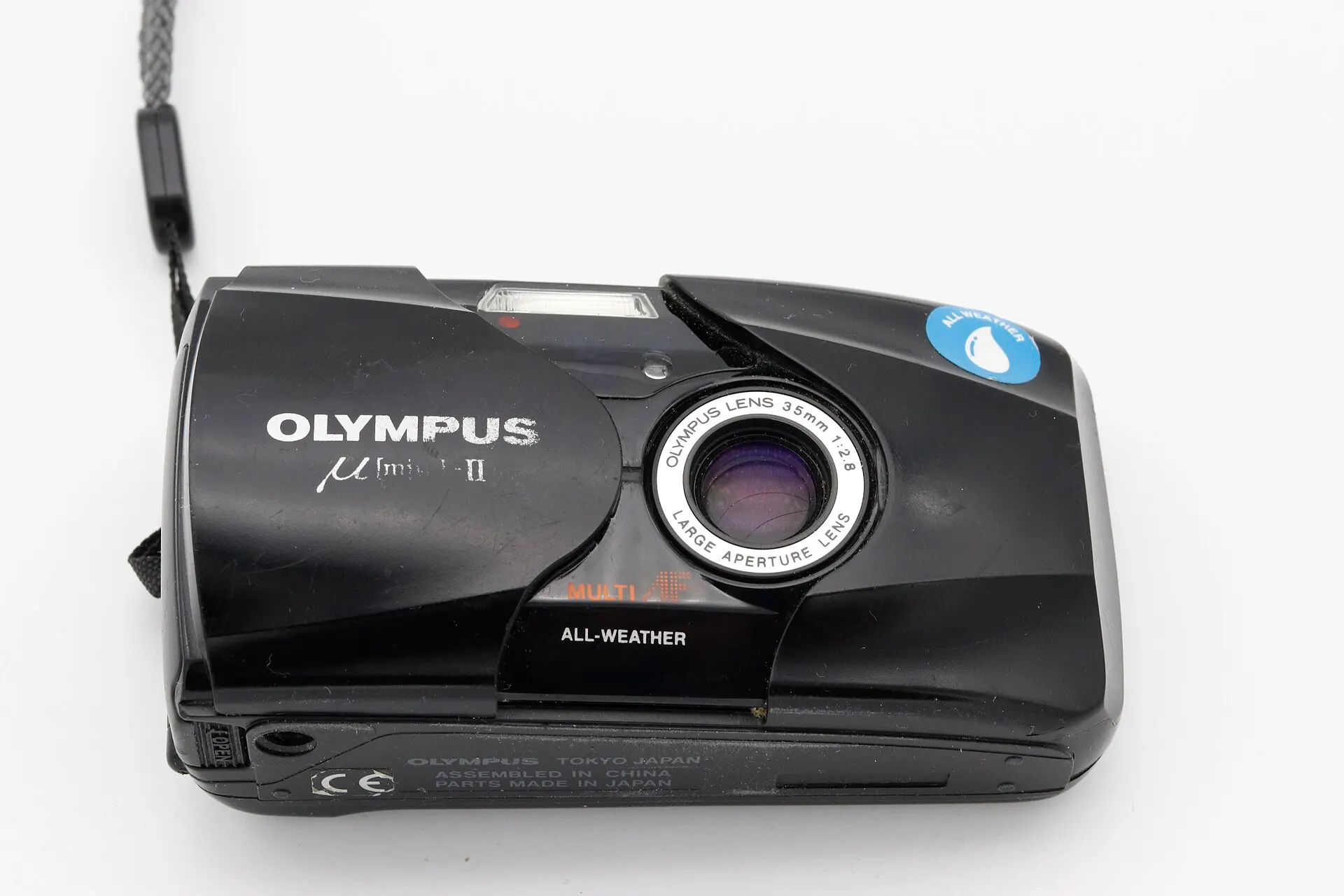
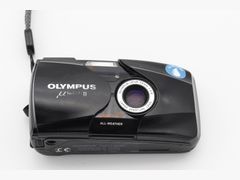
The Olympus Mju II, sold in the US as the Stylus Epic, is a 1997 pocket 35mm point-and-shoot with a sharp 35mm f/2.8 lens in a splash-proof body that weighs about 135 g, and owners mostly agree it earns its reputation for size and image quality.
The catch is age and price: dealers listed copies at $399.99 to $814 in October 2026, most of them sold out, and owners say a failed lens or focus motor is often beyond repair.
- Lens
- 35mm f/2.8, 4 elements
- Battery
- One CR123A (3V lithium)
- Weight
- 135 g without battery
- Dealer listings
- $399.99-$814 (Oct 2026)
Built from 110 opinions from 27 pages and videos. Not yet tested by Camera Dojo. Updated .
The short version
Across 110 opinions from owners, camera shops and YouTube reviewers, the praise centers on size and the lens. All 8 comments on size are positive, and Cameras By Max says it fits even small jeans pockets. The lens gets 7 positive comments out of 10, Lens Lurker finds its images much sharper than it would expect from a cheap point-and-shoot, and 6 of 8 comments call the meter accurate.
The complaints are just as consistent. The flash goes back to Auto every time you open the cover, which drives most of the 10 negative comments out of 15 on controls. Reliability is the weakest topic, with 9 of 10 comments negative about lenses that come out and stay out, dying focus motors and light leaks, and Max's Photo Blog warns that repair shops often cannot fix it. Price splits opinion: 5 of 11 comments are negative about the price, while JFR Film thinks it is worth every penny next to a Yashica T5 or Contax T2.
Good fit if
- You want a sharp 35mm f/2.8 film camera that fits in a jeans pocket
- You like fully automatic shooting: focus, exposure, film advance and rewind are all done for you
- You shoot in drizzle or snow and want a splash-proof body (it is not waterproof)
- You shoot standard DX-coded film and are happy with the exposure the camera picks
- You can buy from a seller with a warranty, such as Camera Market's 6 months or Austin Camera's 90 days
Think twice if
- You want to set ISO or exposure yourself, or keep the flash off between shots
- You wear glasses and need a big, easy viewfinder; owners call the Mju II's tiny
- You bulk-load film into canisters without DX codes and do not want to add stickers
- You want a camera a shop can keep servicing for decades; owners say most failures cannot be fixed
- This is your first film camera and the budget is tight; Cameras By Max points beginners to cheaper cameras
What owners and reviewers say, topic by topic
We sorted 110 opinions about the Mju II from 27 pages and videos on 17 websites and channels. Each row shows how many people raised a topic and how many of them were positive. Open a row to read short quotes, each linked to its source.
Owner voices come mostly from long-form blogs (EMULSIVE, Lens Lurker, Max's Photo Blog (also published as Max Kent), Maurice Masdeu, Kelvin Ah Kian, James Greenoff), reader comments on Casual Photophile, EMULSIVE and Steve Huff Photo, Flickr's mju-II group, two UK shop blogs (Cameras By Max, JFR Film) and four YouTube reviews. Reddit threads and US retailer reviews could not be read, so forum voices are thinner than usual.
Controls and features27% positiveof 15
10 of 15 comments are negative, mostly because the flash returns to Auto every time you open the cover. Owners also miss an ISO override and call the panorama mode a simple crop, while the sliding cover that doubles as the power switch and the weather sealing get praise.
“they’re always back in Auto mode when you next turn the camera on.”
maxsphotoblog (Max Kent) 2023-08Owner
“every time you open the camera and turn it on, you have to reset the flash mode.”
Lens Lurker 2023-08Owner
“A totally frustrating experience as I accidentally blinded a few people while taking a picture on the street”
Kelvin Ah Kian (blog) 2012-10Owner
“I got one with Mju3-150, it works fine with Mju2”
Viewfinder and focusing43% positiveof 14
The most divided topic, with 6 positive, 1 mixed and 7 negative comments. Healthy copies focus fast and rarely miss, but several owners had copies that missed constantly, the infrared autofocus is fooled by glass, and the finder is small, worse with glasses.
“AF fails to many times and the pictures are just okay.”
Viktor, EMULSIVE (reader comment) 2019-09Owner
“The green light almost always blinks, unable to focus and fire.”
“I have put roughly 35 rolls of film through the camera. I have never had a problem with autofocus.”
Maurice Masdeu (blog) 2022-03Owner
“the Mju II has an unbelievable Multibeam AF system which is arguably one of the best of any point-and-shoot ever produced”
maxsphotoblog (Max Kent) 2023-08Owner
Price and value18% positiveof 11
Price splits owners: 5 of 11 comments are negative about the price, 4 are mixed and 2 say it is good value next to pricier premium compacts.
“it’s pretty hard to justify the cost of the Mju II in 2023.”
Lens Lurker 2023-08Owner
“prices have been climbing in some cases (and rocketing in others).”
James Greenoff-Cairns, James Greenoff Photography 2019-02Owner
“I think that it is worth every penny.”
JFR Film (shop blog) 2022-05Owner
“The Mju II is unquestionably better, quicker and smaller than the Mju I but is it another £100-130 better?”
maxsphotoblog (Max Kent) 2023-08Owner
Reliability today0% positiveof 10
9 of 10 comments are negative. The repeat faults are a lens that extends and will not go back, focus mechanisms and lens motors that die, a mid-roll rewind and light leaks at the front of the camera.
“When I tested out a roll it got to the 4th frame and then rewound itself.”
Kenneth Randazzo, EMULSIVE (reader comment) 2017-12Owner
“the focus system is entirely out of whack, and like 75% of the photos are just completely a soft blur.”
veronica, Casual Photophile (reader comment) 2023-01Owner
“it does have an issue where you press the shooting button and the lens comes out but it doesn’t go back in.”
maxsphotoblog (Max Kent) 2023-08Owner
“Bought the camera off eBay and this is the first roll of film I've had developed, and feeling utterly underwhelmed.”
emilyholt98, Flickr group µ[mju:]-II (discussion) 2019-09Owner
Lenses70% positiveof 10
7 of 10 comments praise the 35mm f/2.8 lens as sharp for a compact. The caveats are softer corners wide open and the zoom Mju II models, which give up sharpness for the zoom.
“The lens is sharp and the contrast is good as well”
Kelvin Ah Kian (blog) 2012-10Owner
“The MJU II’s 2.8 - 35mm Lens makes it super fast and sharp”
maxsphotoblog 2022-01Owner
“This lens is fantastic for taking pictures with friends, producing a sharp image and keeping the subject nicely in focus.”
JFR Film (shop blog) 2022-05Owner
“IMHO, these made in Japan are these with the better coated lens.”
hagee, Flickr group µ[mju:]-II (discussion) 2019-12Owner
Image results56% positiveof 9
5 of 9 comments praise sharp, contrasty results, and one reader describes sharp prints up to 20x30 inches. Others find them good rather than special: EMULSIVE's reviewer put it behind a Contax TVS III at full resolution, and one commenter saw ordinary pictures with vignetting.
“I didn’t find the pictures to be anything exceptional.”
nicetry11Mathias, Casual Photophile (reader comment) 2019-08Owner
“The fixed lens is super sharp and fast, and the picture quality is excellent.”
Kevan Wilkinson, EMULSIVE (5 Frames) 2018-12Owner
“Images are generally much sharper than we’d expect from a cheap 35mm point and shoot.”
Lens Lurker 2023-08Owner
“It’s super compact so you truly can take it everywhere with you, but it still takes fantastic photos.”
JFR Film (shop blog) 2022-05Owner
Light meter and exposure75% positiveof 8
6 of 8 comments call the automatic exposure accurate, from a first roll to 17 rolls in. The two dissenters say the program favors wide apertures and that the original Mju meters tricky scenes better.
“How ever the weakness of this camera is the metering”
David W., Steve Huff Photo (reader comment) 2012-12Owner
“The meter is spot on.”
Bob, EMULSIVE 2016-03Owner
“Metering is pretty accurate as well and there is no manual override to adjust the exposure setting.”
Kelvin Ah Kian (blog) 2012-10Owner
“I previously own a Stylus Epic DLX with a very good condition, produce a stunning metering on my photos.”
Popsyariah, Flickr group µ[mju:]-II (discussion) 2017-05Owner
Size and weight100% positiveof 8
All 8 comments are positive: it slips into a jeans pocket, and owners carry it every day.
“Small, light, and cute.”
Kelvin Ah Kian (blog) 2012-10Owner
“at 135g it’s absolutely tiny but it’s also really robust.”
maxsphotoblog 2022-01Owner
“can easily fit in your pocket (even silly, small, jeans pockets)”
Max (Cameras By Max), Cameras By MaxHands-on review
“Its svelte form slips into a pocket more easily than any other camera in this test.”
Ray Rapkerg, EMULSIVE 2019-09Hands-on review
Build quality14% positiveof 7
Only 1 of 7 comments is fully positive. Owners call the plastic body light and a bit toy-like and point to weak spots: the battery door, the bottom left corner of the back door and internal plastic that can crack.
“can be caused by the cameras 2 halves not fitting together tightly where the plastic holding them together has broken inside”
“It’s light (in both weight and ostensible build quality), sounds hollow, and feels a bit flimsy.”
James Tocchio, Casual Photophile 2018-09Hands-on review
“It is made from plastic which makes it very light and it doesn’t exactly feel like a ‘premium’ camera.”
JFR Film (shop blog) 2022-05Owner
“The plastic feels strong and sturdy; however, I could see how some would say the MJU feels somewhat like a toy.”
Maurice Masdeu (blog) 2022-03Owner
Ease of use83% positiveof 6
5 of 6 comments say it is simple: slide the cover open and shoot, with nothing to set. The one mixed note is about loading, which can fail if the film leader is pulled out too little or too far.
“Its very easy to use and the camera is fully automatic.”
Kelvin Ah Kian (blog) 2012-10Owner
“It’s a very easy little camera to use and ease of portability is its main plus point.”
Bob, EMULSIVE 2016-03Owner
“you could take images one handed while holding a rope and get well exposed & focused shots.”
Paul C, Casual Photophile (reader comment) 2024-12Owner
“The camera can be a bit temperamental if the film leader is not pulled out enough or pulled out too far.”
Repairs and servicing20% positiveof 5
4 of 5 comments are negative: owners say a broken Mju II is rarely fixable. One owner fixed a stuck lens himself, and another ruined her camera trying the same repair.
“now the camera is ruined just from trying to take it apart carefully”
ameliabaxter729, Flickr group µ[mju:]-II (discussion) 2017Owner
“Chances are, if something on your Mju 2 breaks, you won’t be able to get it fixed.”
Lens Lurker 2023-08Owner
“they’ll probably tell you that there’s nothing they can do because Olympus MJU II’s are really hard to fix.”
maxsphotoblog 2022-01Owner
“I have made my peace with the fact that this camera is going to fail at some point, and be beyond realistic repair.”
James Greenoff-Cairns, James Greenoff Photography 2019-02Owner
Film availability50% positiveof 4
4 comments, split. Owners say most film stocks suit it, but film without a DX code is rated at ISO 100, which cost one owner a roll overexposed by two stops.
“in the absence of a DX code, the Olympus MJU II rates films at EI 100.”
Matt Murray, EMULSIVE (5 Frames) 2019-04Owner
“Without a true DX code, the camera 'assumes' the photographer loaded 100 ISO film.”
Maurice Masdeu (blog) 2022-03Owner
“Kodak Gold 200 will be a great film stock for the MJU II”
maxsphotoblog 2022-01Owner
“I think my Olympus MJU-II is an ideal camera for most film stocks”
Kevan Wilkinson, EMULSIVE (5 Frames) 2018-12Owner
Batteries and power33% positiveof 3
Only 3 comments, and they split: one owner says it barely uses its CR123A, while two describe battery doors that will not latch.
“the battery door doesn’t fasten close and I have to use gaffer tape”
Bob, EMULSIVE 2016-03Owner
“the camera does not seem to eat batteries at all.”
Maurice Masdeu (blog) 2022-03Owner
“the battery door is very often damaged which isn’t really a big deal, it’s just annoying.”
maxsphotoblog (Max Kent) 2023-08Owner
PositiveMixedNegative
How to use the Olympus Mju II: load, focus and shoot
The Mju II is fully automatic, so using it well comes down to a few habits: the right battery, DX-coded film and dealing with the flash every time you open the cover.
- 1
Fit a CR123A battery
It takes one 3V lithium CR123A, also sold as CR123. The battery door catch is a known weak spot, so close it gently and check that it latches.
- 2
Load the film
Drop the cassette in, line the leader up with the mark and close the back; the camera winds to frame 1 by itself. If it shows E or will not wind, pull the leader out about 1/2 cm more so it rests on the take-up spool, not above it. Our film loading guide covers the basics.
- 3
Let the DX code set the ISO
There is no ISO dial. The camera has four DX contacts instead of six, so it reads whole stops only, and film without a DX code is metered as ISO 100.
- 4
Open the cover and set the flash
Sliding the cover open turns the camera on and starts charging the flash. The flash is back in Auto every time, so press the flash button on the back twice if you want it off, as owner Maurice Masdeu does.
- 5
Focus, then recompose
Put the center of the frame on your subject and half-press the shutter; a green light in the viewfinder confirms focus, and a blinking light means it cannot lock. Keep the half-press, recompose and press fully. Closest focus is 35 cm (14 in).
- 6
Switch to spot metering when you need it
Press the flash and self-timer buttons together to switch on spot metering; Casual Photophile says it works well with the focus-and-recompose method. Beyond that, owners note there is no manual exposure override.
- 7
Press a beat early
The lens moves out after you press the shutter, so there is a short lag: Wikipedia puts it at 0.25 second, Lens Lurker at about half a second. Anticipate moving subjects.
Sources: maxsphotoblog.com, emulsive.org, flickr.com, en.wikipedia.org, mauricemasdeu.com, casualphotophile.com, lenslurker.com, kinoz4eyes.wordpress.com
Flash and low light on the Mju II
The built-in flash has six modes: auto, auto with red-eye reduction, off, fill flash, night scene and night scene with red-eye reduction. According to camera-wiki it recharges in 3.5 seconds and reaches 4.1 m (about 13 ft) at ISO 100.
Casual Photophile calls it direct and overpowered, and because it sits so close to the lens, red-eye can be a problem; the red-eye modes help but slow the shot. Night scene mode pairs the flash with a slow shutter speed and does not work with spot metering, so brace the camera or use a tripod.
According to camera-wiki, the automatic exposure range runs from f/2.8 at 4 seconds to f/11 at 1/1000 s, so with the flash off the camera can hold the shutter open for up to 4 seconds in dim light. Faster film and a steady hand help indoors. Our flash photography guide explains how direct flash behaves.
The flash setting does not survive closing the cover, so check the flash mode every time you open the camera.
Sources: lenslurker.com, camera-wiki.org, casualphotophile.com, en.wikipedia.org
Best film for the Olympus Mju II
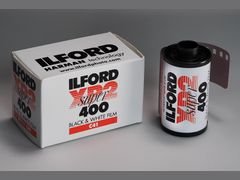 XP2 Super
Owners say most film stocks suit the Mju II as long as the cassette has a DX code. Long-term owner Jim Tardio says point-and-shoots work best with faster film and loads Tri-X or XP-2 for black and white and Fuji NPH or Portra in color. Max's Photo Blog suggests Kodak Gold 200 for travel and night shots and Kodak Tri-X or Ilford HP5 for black and white.
The one trap is DX coding. Without a DX code the camera rates film at ISO 100, which is how an EMULSIVE contributor overexposed a roll of Yodica film by two stops. If you bulk-load or use reusable canisters, add DX-code stickers, as Maurice Masdeu does.
Sources: jimtardiophotography.blogspot.com, maxsphotoblog.com, emulsive.org, mauricemasdeu.com
What to check before buying a used Mju II
Every Mju II is now decades old, and owners say a failure is often the end of the camera, so check these points before paying. Our guide to buying used film cameras covers sellers and return policies.
- 1
Make sure it is the fixed-lens model
The zoom Mju II models, such as the Zoom 80 and Zoom 115, are different cameras with much slower lenses, f/4.5 at the wide end per Wikipedia. The listing should say 35mm f/2.8.
- 2
Run the lens out and back
With a battery in, open the cover, half-press and fire a few times. Cameras By Max names the lens extension mechanism as one of the camera's areas of failure, and Max Kent describes a lens that comes out and does not go back in.
- 3
Check the three weak spots
Look at the battery door catch, the bottom left corner of the back door and the small film window on the back. Max's Photo Blog, which also publishes as Max Kent, names these as the common breaks.
- 4
Ask what was tested
A good listing says what works. Austin Camera's listing, for example, says the camera was checked in all modes: flash, red-eye reduction, self-timer and automatic film advance and rewind.
- 5
Buy with a warranty
Camera Market includes 6 months of basic coverage and Austin Camera gives 90 days on tested units. Lens Lurker's warning applies to any copy: there is no telling if it will last 10 years or 10 days.
- 6
Shoot a test roll
Run a roll before a trip. Flickr group members report leaks at the front of the camera, and one eBay buyer got a thin line across every frame of her first roll; our light leaks guide shows what to look for.
Sources: en.wikipedia.org, camerasbymax.co.uk, maxkent.co.uk, maxsphotoblog.com, austincamera.com, cameramarket.us, lenslurker.com, flickr.com, flickr.com
Mju II vs Mju I vs the Mju II Zoom
 Mju II | Mju I | Mju II Zoom models | |
|---|---|---|---|
| Lens | 35mm f/2.8, 4 elements, fixed | 35mm f/3.5, fixed | Zoom, f/4.5 at the wide end |
| Autofocus | Multi-beam, 414 focus steps | Around 100 focus steps (Max Kent) | Varies by model |
| Size and weather | Smaller and lighter, better weatherproofing (Max Kent) | Larger and heavier | Varies by model |
| What owners say | Better, quicker and smaller than the Mju I (Max Kent) | Similar shooting experience for a lot less money (Lens Lurker) | Not quite as sharp as the fixed 35mm (Lens Lurker) |
| Price | £230-300 (Max Kent, 2023); $399.99-$814 at dealers, Oct 2026 | £130-170 (Max Kent, 2023) | $466 for a Zoom 115 at Camera Market, Oct 2026 |
Pick the Mju II if
- You want the fastest lens in the family and quicker autofocus than the Mju I
- You shoot in drizzle and want better weatherproofing than the Mju I
Pick the Mju I if
- You want a similar clamshell camera for less money and can live with an f/3.5 lens
Sources: olympus-global.com, en.wikipedia.org, maxkent.co.uk, lenslurker.com, cameramarket.us
Known problems and what fixing them costs
These are the faults owners and repairers mention most. No US repair shop we found publishes a Mju II repair price, so costs below are Brooklyn Film Camera's published sample ranges for all cameras, checked in October 2026. Real quotes come after an inspection.
Lens comes out and will not retract, or focus stops working
Raised in 7 opinions
- How you notice
- You press the shutter and the lens extends but does not go back in, or the green light blinks and the camera will not focus and fire. Lens Lurker has had copies die when the focus mechanism failed. A Flickr group member lists a knocked, misaligned lens as the most common cause of focus problems and a slowly dying lens motor as another common one.
- Fix
- Max's Photo Blog says you will pretty much definitely need a repair shop, and warns many will say there is nothing they can do. To avoid it, Cameras By Max suggests not switching the camera on and off excessively and not pushing on the lens when cleaning it.
- Typical cost
- Brooklyn Film Camera (Brooklyn, NY) charges a $50 inspection fee, credited to the repair if you go ahead, and turnaround is usually 6-12 weeks. It lists no price for a failed lens motor: it describes its Olympus point-and-shoot service as diagnosis and door repairs, mostly the mju and Stylus.
Sources: maxkent.co.uk, maxsphotoblog.com, lenslurker.com, camerasbymax.co.uk, flickr.com, brooklynfilmcamera.com
Battery door will not stay shut
Raised in 3 opinions
- How you notice
- The catch you push to open the battery door can snap off, so the door will not latch. Max Kent says damaged battery doors are very common on the Mju II.
- Fix
- Owners tape the door shut, as one EMULSIVE contributor does with gaffer tape, or fit a door from a donor camera, which Max's Photo Blog calls a simple fix.
- Typical cost
- Brooklyn Film Camera lists fitting minor parts such as battery doors at $80-150, plus the part.
Sources: maxkent.co.uk, maxsphotoblog.com, emulsive.org, brooklynfilmcamera.com
Cracked back door corner and light leaks at the front
Raised in 3 opinions
- How you notice
- Max Kent says the bottom corner of the back door can crack and let in light, and that a small hole can form in the foam around the lens. Flickr's mju-II group has several threads about the same front leak, and Photographytalk names deteriorating light seals around the lens as a Mju II weak point.
- Fix
- Shoot a test roll before you rely on a copy. A cracked corner needs a replacement door; whether the foam around the lens can be reached is a shop's call after inspection.
- Typical cost
- Brooklyn Film Camera's repair page gives a sample range of $85-150 for light seal replacement and its pricing blog says $80-120; a door replacement is quoted after inspection.
Sources: maxkent.co.uk, flickr.com, photographytalk.com, brooklynfilmcamera.com, brooklynfilmcamera.com
Film will not wind on, or the display shows E
Raised in 2 opinions
- How you notice
- The lens pops out, E appears and the camera stops. Flickr group members say it can be temperamental when the leader is pulled out too little or too far, and that broken plastic between the two body halves can cause the same error.
- Fix
- Pull the leader about 1/2 cm further so it sits on the take-up spool, then close the back. If the error stays, the body halves or the door latch may be at fault, which is shop work.
- Typical cost
- Free if it is the leader; otherwise a repair quote, starting with Brooklyn Film Camera's $50 inspection fee.
Sources: flickr.com, brooklynfilmcamera.com
Film window falls out of the back door
- How you notice
- The small window that shows the cassette comes loose and gets lost. Max's Photo Blog says this is quite common and does not cause light leaks.
- Fix
- Glue it back with a tiny amount of glue, or cover the gap with tape on the outside of the camera, never on the inside where the seals are.
- Typical cost
- A drop of glue or a piece of tape.
Sources: maxsphotoblog.com
Out-of-focus shots through glass and mirrors
Raised in 1 opinion
- How you notice
- Casual Photophile says reflective surfaces and glass can fool the autofocus, and owner Kelvin Ah Kian got soft frames shooting through glass and at a mirror.
- Fix
- This is how the infrared autofocus works, not a fault. Focus on something at the same distance, keep the half-press and recompose.
- Typical cost
- Free.
Sources: casualphotophile.com, kinoz4eyes.wordpress.com
Overexposed rolls from film without a DX code
Raised in 2 opinions
- How you notice
- With no DX code the camera rates film at ISO 100, so faster film comes out overexposed: ISO 400 film metered at ISO 100 gets four times the light it needs, two stops over.
- Fix
- Use DX-coded cassettes, or add DX-code stickers to reusable canisters, as Maurice Masdeu does.
- Typical cost
- A sheet of DX stickers; no repair needed.
Sources: mauricemasdeu.com, emulsive.org
Photos taken with a Olympus Mju II (Stylus Epic)
Photos taken with the Olympus Mju II by Wikimedia Commons contributors, mostly on Konica color film in and around Moscow in 2002, plus Krakow at night and black and white in Brno.
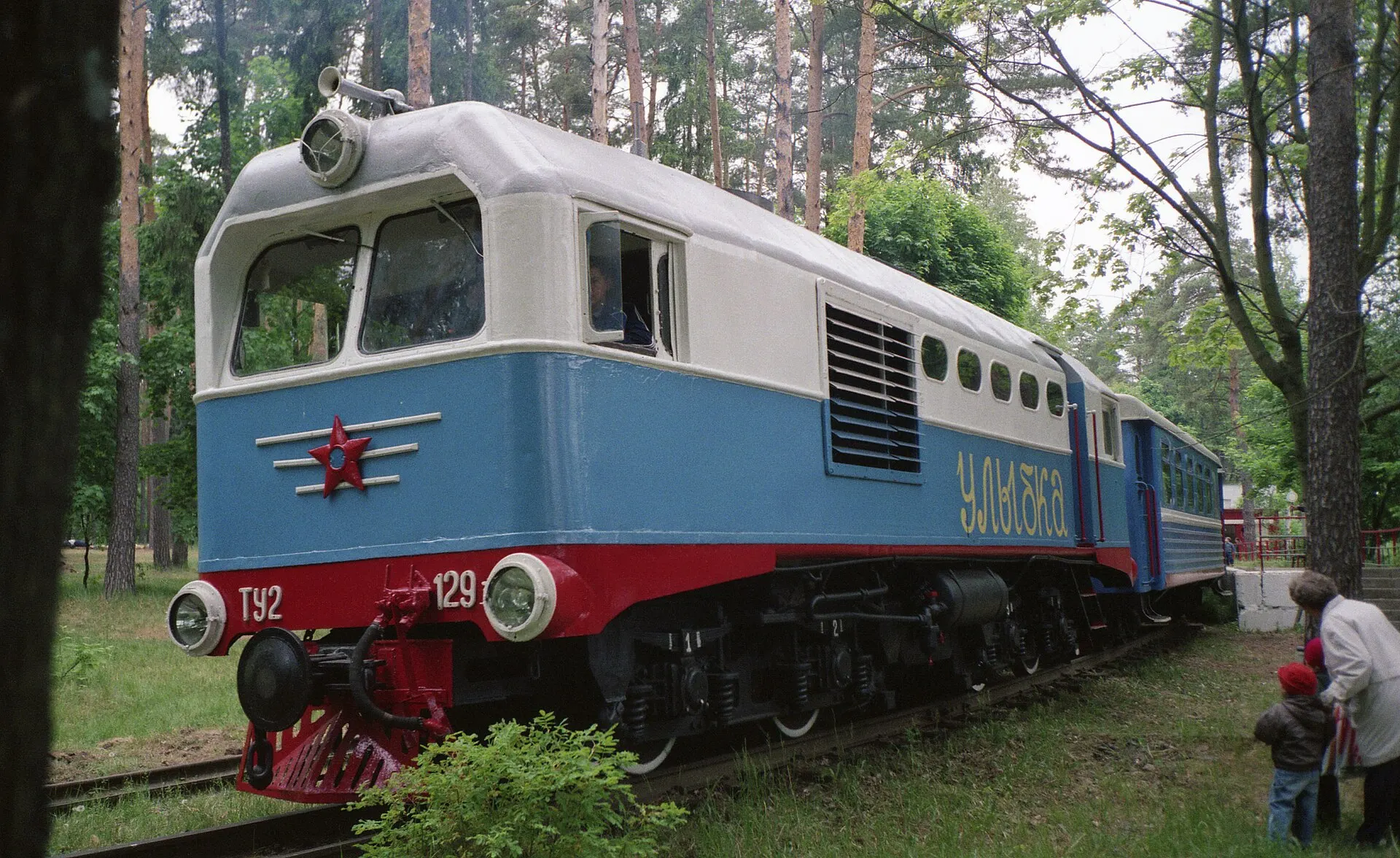
TU2-129 locomotive at Kratovo, Russia, July 2002, on Konica VX200Photo: Artem Svetlov from Moscow, Russia, CC BY 2.0 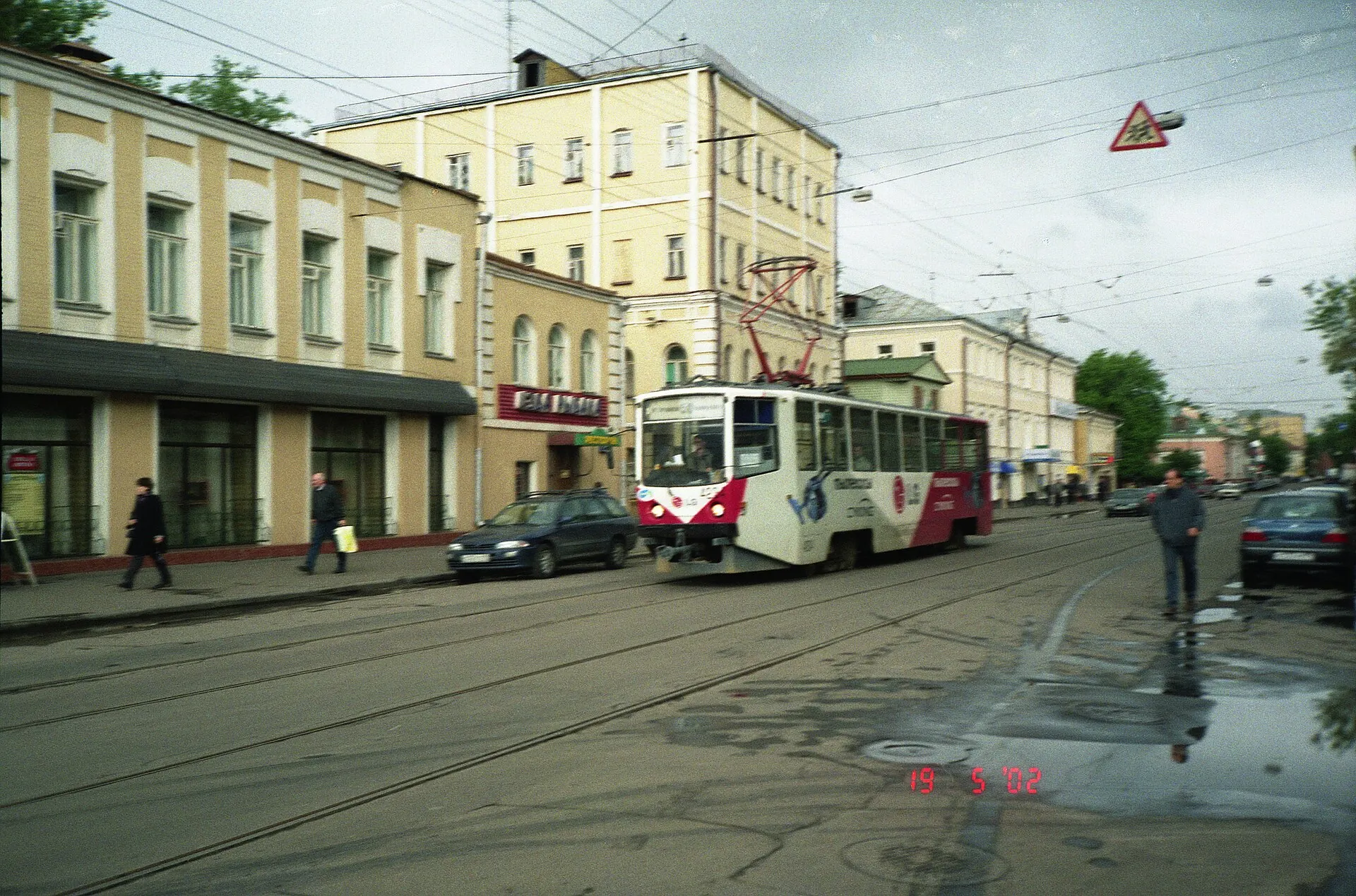
Tram on Baumanskaya street, Moscow, May 2002, on Konica VX200Photo: trolleway, CC BY 2.0 
Jubilat building, Krakow, by night, 2022Photo: Dwxn, CC BY-SA 4.0 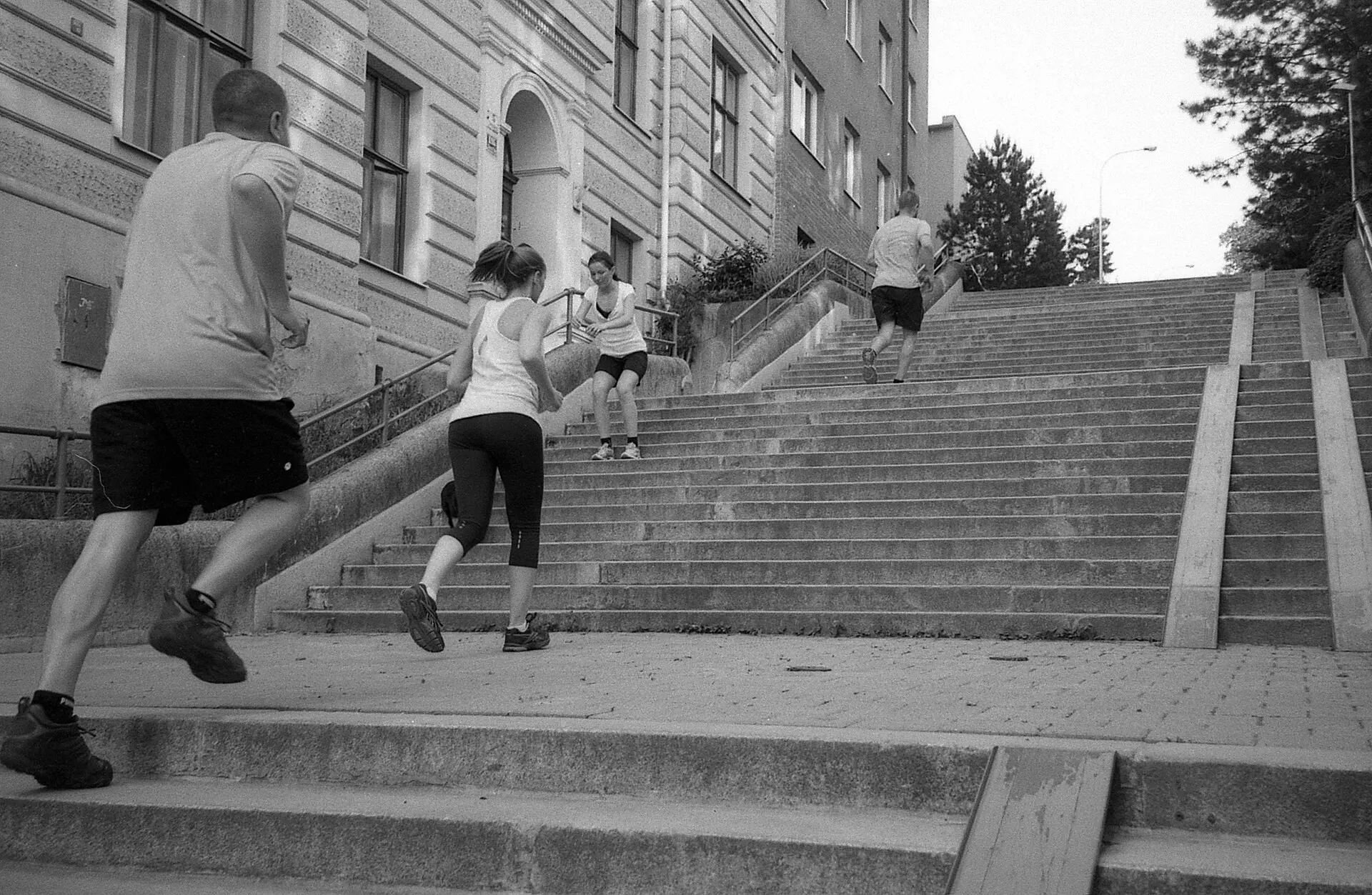
Schodova Street, Brno, Czech Republic, 2016, on Fomapan 100 shot at ISO 400Photo: Jaroslav A. Polák from Brno, Czech Republic, CC0 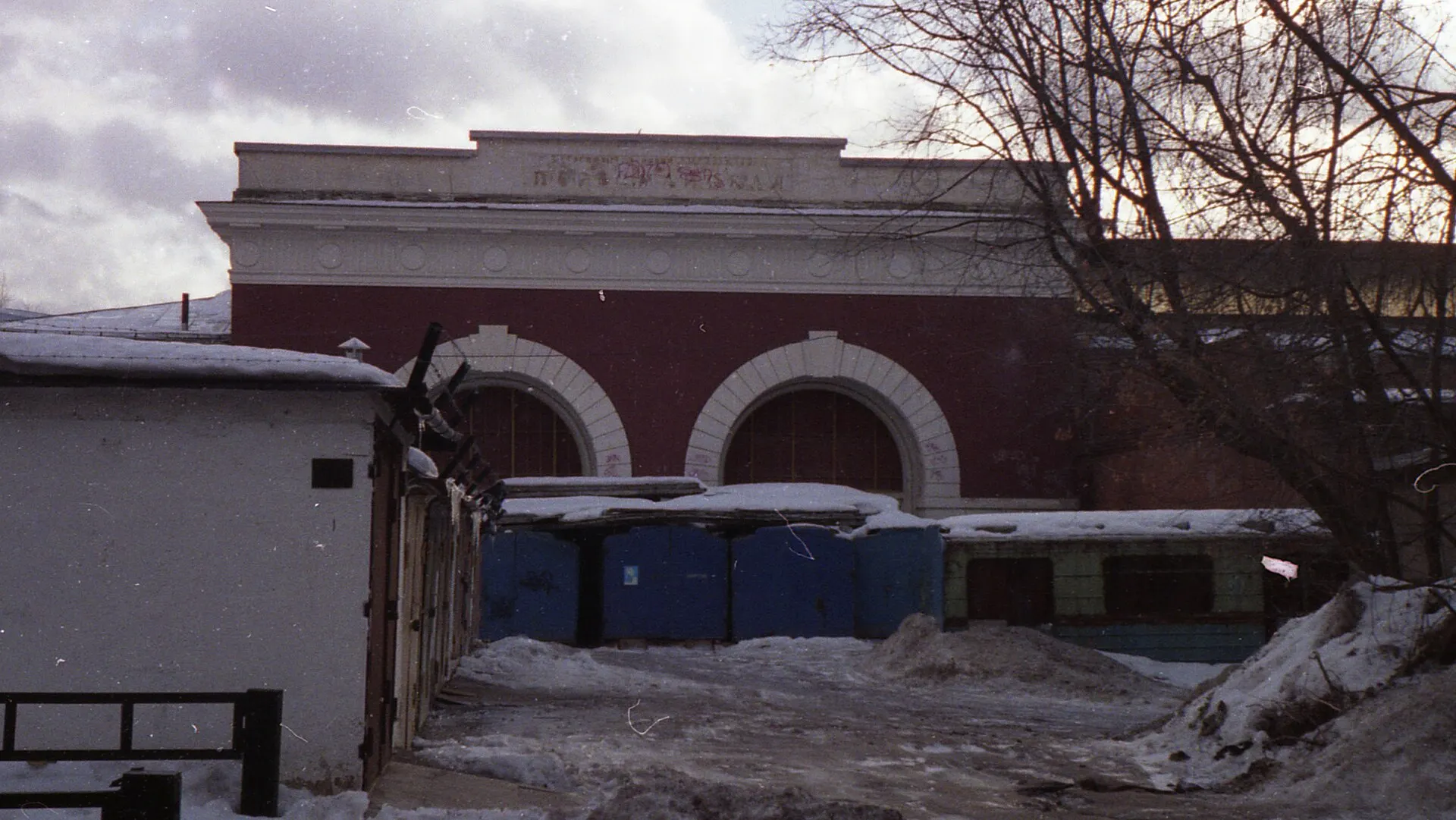
Temporary Pervomaiskaya metro entrance, Moscow, January 2002, on Konica 200Photo: Artem Svetlov from Moscow, Russia, CC BY 2.0 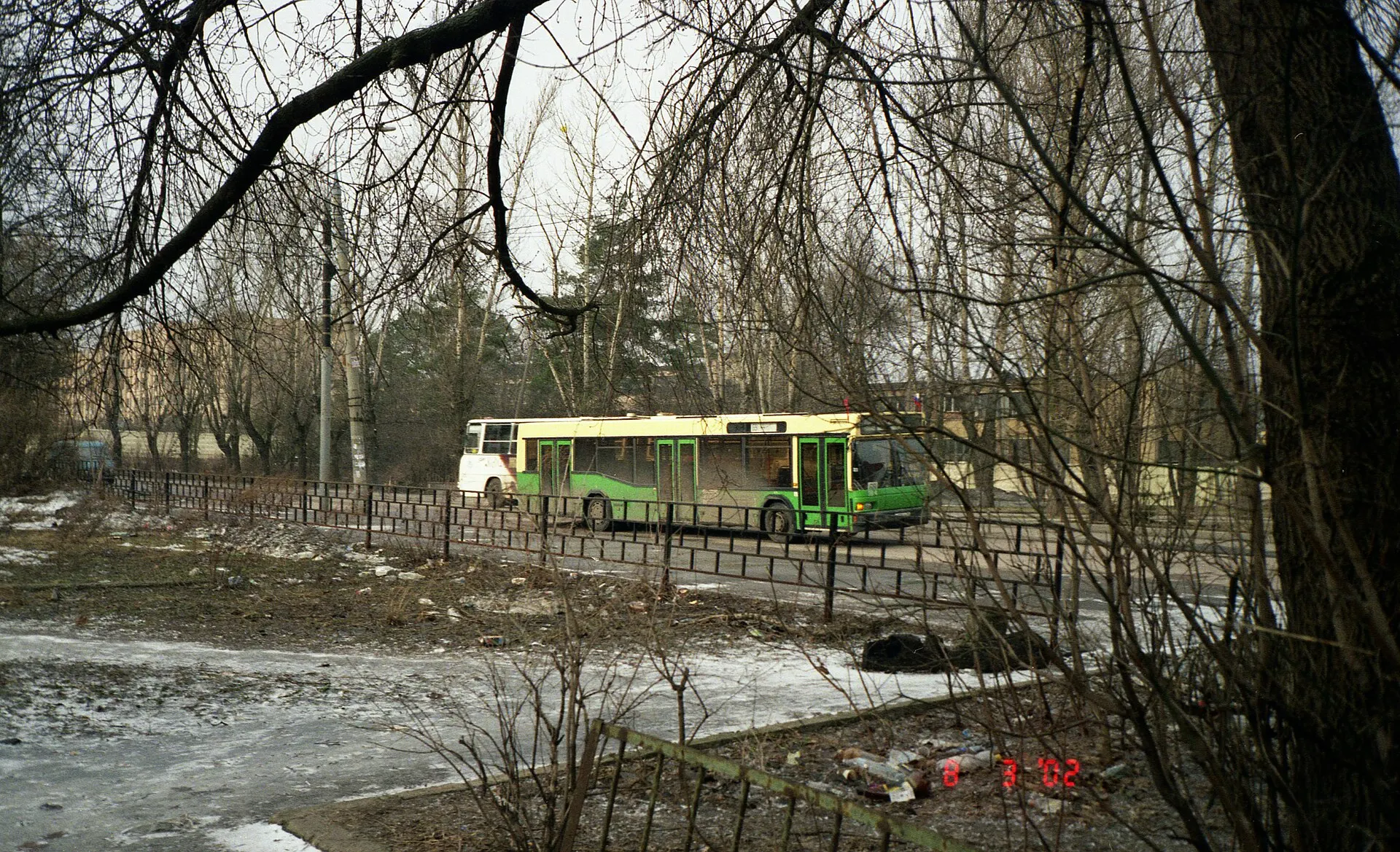
Novozavodskaya street, Moscow, March 2002, on Konica VX200Photo: trolleway, CC BY 2.0
What a Olympus Mju II (Stylus Epic) costs today
Dealers listed the Mju II at $399.99 to $814 in October 2026, and most of those listings were sold out; only Camera Market had stock. Editorial estimates run lower: Photographytalk's June 2026 guide puts a typical used price near $250, and Beau Photo put it at $350-$500 in 2023.
Camera Market
Excellent, 6-month warranty, Body only
$814.00
See listingCamera Market
Excellent, Body only, gray
$740.00
See listingKamerastore
Average, certified (sold out), Body only, mju-II
$679.00
See listingKamerastore
Average, certified (sold out), Body only, Infinity Stylus Epic
$644.00
See listingAustin Camera (Austin, TX)
Used, tested, 90-day warranty (sold out), Body only, Stylus Epic
$599.99
See listingCoastal Film Lab (Tampa, FL)
Restored and repainted pink (sold out), Body only
$599.99
See listingCoastal Film Lab (Tampa, FL)
Excellent (sold out), Body only
$499.99
See listingCoastal Film Lab (Tampa, FL)
Excellent (sold out), Body only
$399.99
See listingPhotographytalk
Editorial estimate, June 2026, Typical used price
$250
See listing
Prices checked on October 28, 2026. They move every week, so treat them as a range, not a quote. eBay, KEH and B&H blocked our price checks, and MPB showed no Mju II in stock, so there are no marketplace or sold prices here. Sold-out listings are included because they show what recent copies were priced at. Camera Market and Kamerastore price in USD and ship to the US; Kamerastore adds duties and taxes at checkout.
Video reviews worth your time

Olympus Stylus Epic Worth the Money??? (MJU ii)
The reviewer praises the Olympus Stylus Epic for its ultra-compact weather-sealed body and fun user experience, though notes that its high market price may not fully justify the slight image quality improvement over cheaper point-and-shoot alternatives.

OLYMPUS MJU II: my honest impression
The Olympus Mju II is a very compact, pocketable point-and-shoot camera with a sharp lens, but its unreliable autofocus, persistent auto-flash reset, and high second-hand price make it somewhat overhyped.

Olympus MJU II - Is It Worth It?
The Olympus Stylus Epic is a highly portable, sharp, and reliable 35mm point-and-shoot film camera that serves as a versatile companion to larger cameras.
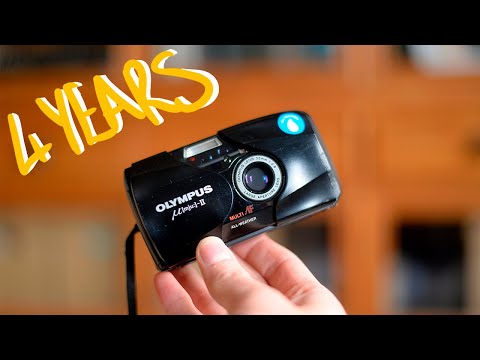
Olympus Mju ii 4 Year Review - Before You Buy
The reviewer considers the Olympus Mju II a fun, compact, and easy-to-use point-and-shoot with a sharp lens, but cautions that its unfixable age-related issues make current inflated market prices difficult to justify.
Specifications
Lens and exposure
- Apertures
- f/2.8 to f/11
- Shutter speeds
- 4 s to 1/1000 s, set automatically
- Film without DX code
- Rated at ISO 100
Focus, finder and flash
- Closest focus
- 35 cm (14 in)
- Viewfinder
- Real-image, 0.45x
- Self-timer
- 12 seconds
- Remote
- Optional, up to 5 m
Body and power
- Weather resistance
- Splash-proof to IEC grade 4, not waterproof
- Announced
- February 1997
- Units sold
- About 3.8 million (camera-wiki estimate)
- Limited edition
- Burgundy, 65,000 made in 1998
Questions people ask about the Mju II
What battery does the Olympus Mju II need?
One 3V lithium CR123A, which Max's Photo Blog notes is the same battery as a CR123. Energizer's 123 lithium photo battery lists CR123, CR123A, EL123 and 5018LC as equivalents and lasts up to 10 years in storage, so a spare keeps. Avoid 3.6V rechargeable RCR123A cells: Wikipedia lists the standard cell at 3V and the rechargeable at 3.6V, and none of our sources say the camera accepts the higher voltage. Our [film camera battery finder](/tools/film-camera-battery-finder/) covers other models.
Sources: maxsphotoblog.com, energizer.com, en.wikipedia.org
Why is my Olympus Mju II not turning on?
Start with a fresh CR123A and a clean battery compartment: Filmtypes notes it can corrode if the camera was stored with a battery inside. Check the battery door too, since a broken catch is common, and slide the cover fully open, because the cover is the power switch. If nothing happens with a good battery, or the lens comes out and stalls, Lens Lurker warns that if something on a Mju II breaks, you probably will not be able to get it fixed.
Sources: filmtypes.com, maxkent.co.uk, jfrfilm.co.uk, lenslurker.com
How do I turn the flash on or off on the Olympus Mju II?
The flash is in Auto every time you slide the cover open. Press the flash button on the back to cycle through the modes: Maurice Masdeu presses it twice to turn the flash off, and fill flash makes it fire on every shot. The camera cannot remember your choice, so you repeat this after every power-on.
Sources: mauricemasdeu.com, lenslurker.com, casualphotophile.com
Is the Olympus Mju II waterproof?
No. Olympus rated it splash-proof to IEC grade 4, and Cameras By Max says that means light rain and snow, not submersion. The protection comes from small rubber seals around the case and back door, and one long-term owner says those seals degrade with age, so do not count on an old copy being as tight as new.
Sources: olympus-global.com, camerasbymax.co.uk, youtube.com
Is the Olympus Mju Zoom as good as the Mju II?
The zoom models share the name but are different cameras. Wikipedia notes their lenses are much slower, f/4.5 at the wide end against f/2.8, and Lens Lurker says the zooms are not quite as sharp as the fixed 35mm. They cost less: Camera Market listed a Zoom 115 at $466 in October 2026, against $740 to $814 for its Mju IIs.
Sources: en.wikipedia.org, lenslurker.com, cameramarket.us, cameramarket.us
What is the difference between the Olympus Mju I and Mju II?
The Mju I (1991) has a 35mm f/3.5 lens; the Mju II has a faster 35mm f/2.8 four-element lens, more than 400 focus steps and better weatherproofing in a smaller body. Max Kent calls the Mju II unquestionably better, quicker and smaller, but asks whether it is worth another £100-130; in 2023 he put the Mju I at about £130-170 and the Mju II at £230-300.
Sources: maxkent.co.uk, olympus-global.com
Is the Olympus Mju II worth it in 2026?
It depends on what you pay. Dealers asked $399.99 to $814 in October 2026, Photographytalk's June 2026 guide put a typical used price near $250, and Lens Lurker said in 2023 that $300 was the most it would pay given the risk of failure. JFR Film thinks it is worth every penny next to a Yashica T5 or Contax T2. Either way, buy with a warranty, because owners and repairers say a failed copy is rarely fixable.
Sources: coastalfilmlab.com, cameramarket.us, photographytalk.com, lenslurker.com, jfrfilm.co.uk
Is the Olympus Mju II good for beginners?
It is one of the easiest film cameras to use: Cameras By Max calls it super easy, with minimal settings, and focus, exposure and film advance are all automatic. The same shop points beginners on a budget to cheaper cameras because the Mju II is expensive. Our [beginner camera guide](/cameras/best-film-cameras-for-beginners/) lists lower-cost options.
Sources: camerasbymax.co.uk
What people compare it with
Olympus Mju I (Stylus)
The original clamshell with a slower 35mm f/3.5 lens; Max Kent put it at about £130-170 against £230-300 for the Mju II in 2023, with slower autofocus.
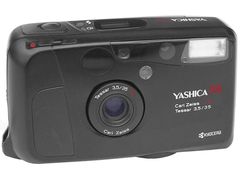
A plastic compact with a Carl Zeiss Tessar 35mm f/3.5 lens; Photographytalk puts it around $550 used in June 2026.
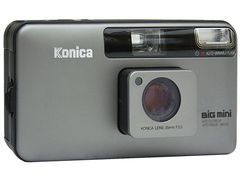
Brooklyn Film Camera lists it at $500 in its October 2026 price guide and calls it a step up in lens quality over everyday point-and-shoots.
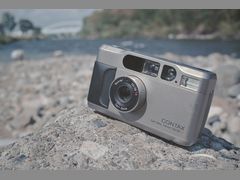
The premium compact people save up for; Photographytalk puts it around $1,000 used and close to $2,000 serviced in 2026.
Every source behind this page
Read them yourself. How we pick and count them is in our methodology.
Show all 46 sources
Manuals and references 19
- austincamera.com: Olympus Stylus Epic 35mm Film Camera - USED
- brooklynfilmcamera.com: Film Camera Repair Cost
- brooklynfilmcamera.com: Camera Repair NYC: Film Camera Repair in Brooklyn + Mail
- camera-wiki.org: Olympus mju II - Camera-wiki.org
- cameramarket.us: Olympus Mju-II Used | With warranty
- cameramarket.us: Olympus MJU II (GRAY) Version F2.8 - Premium 35mm Point And Shoot Film
- cameramarket.us: Olympus MJU II Zoom 115 - 35mm Premium Film Camera Used
- coastalfilmlab.com: Olympus MJU II 35mm Point and Shoot Film Camera
- coastalfilmlab.com: Olympus MJU II 35mm Point and Shoot Film Camera (Copy)
- coastalfilmlab.com: Olympus MJU II Stylus Epic - Repainted Sakura Pink 35mm Point & Shoot
- en.wikipedia.org: List of battery sizes
- en.wikipedia.org: Olympus Stylus Epic
- jimtardiophotography.blogspot.com: Jim Tardio Photography : Olympus Stylus Epic...(Mju
- kamerastore.com: Olympus Infinity Stylus Epic - Camera
- kamerastore.com: Olympus Mju-II - Camera
- energizer.com: Energizer 123 Lithium Batteries (1 Pack), 3V Photo Batteries
- filmtypes.com: Olympus MJU II
- olympus-global.com: OLYMPUS | News Release: µ[mju:]
- photographytalk.com: Why Point and Shoot Film Cameras Are So Expensive
Independent blogs 11
- EMULSIVE: 5 Frames... With Kodak Portra 400 (EI 400 / 35mm format / Olympus MJU-II)
- EMULSIVE: 5 Frames... With Yodica Antares (EI 100 / 35mm format / Olympus MJU II)
- Cameras By Max: Camera Review: Olympus Mju II - Everything You Need To Know
- Maurice Masdeu: Olympus MJU
- James Greenoff Photography: Winter Mjuse
- Lens Lurker: Olympus Mju II Hands-On Review
- Steve Huff Photo: The Ultimate Film Compact
- maxsphotoblog: Olympus MJU I vs MJU II: What's The Difference?
- maxsphotoblog: Is the Olympus MJU II Really That good? Ultimate Guide
- JFR Film: Is the Olympus MJU II worth the hype?
- Kelvin Ah Kian: Olympus Mju II : My Personal Opinion - Kelvin Ah Kian
Forums 8
- Flickr group µ[mju:]-II: Discussing Is my mju2 not working?? in µ[mju:]
- Flickr group µ[mju:]-II: Flickr: Discussing Repaired a 35mm mju-ii and begging (NEW: pics and guide inside) in µ[mju:]
- Flickr group µ[mju:]-II: Flickr: Discussing ISSUE: green light always on in µ[mju:]
- Flickr group µ[mju:]-II: Flickr: Discussing Degrade of the mju II lens coating in µ[mju:]
- Flickr group µ[mju:]-II: Flickr: Discussing 2 different type of lens coatings on Epic and MJU II in µ[mju:]
- Flickr group µ[mju:]-II: Flickr: Discussing HELP: weird bug with my mju-II? in µ[mju:]
- Flickr group µ[mju:]-II: Flickr: Discussing Line across photos in µ[mju:]
- Flickr group µ[mju:]-II: Flickr: Discussing Remote control for Mju ii? in µ[mju:]
Editorial reviews 4
Video reviews 4
Keep reading
Film cameras
The best point-and-shoot film camera for most people is the Olympus Mju II, about $250-$600 used. Eight picks from $34.99 to $2,000, prices checked Oct. 2026.
Film cameras
What 114 owner and reviewer opinions say about the Contax T2: $1,500-$2,800 serviced prices in 2026, its Zeiss lens, common faults and repair costs.
Film cameras
What 152 owner and reviewer opinions say about the Olympus XA: tested copies at $301-$410 in October 2026, its sharp f/2.8 lens, faint rangefinder and faults.
Film cameras
Where to buy film cameras used in the US: KEH, MPB, B&H, local shops, eBay and thrift, with warranties, October 2026 prices and a checklist to test one.
Film stocks
Kodak Gold 200 is a warm ISO 200 color film in 35mm and 120, $8.99 to $10.90 a 36-exposure roll. What 139 opinions say about grain, skin and low light.