Olympus XA: used prices, how to use it and common problems
The short answer
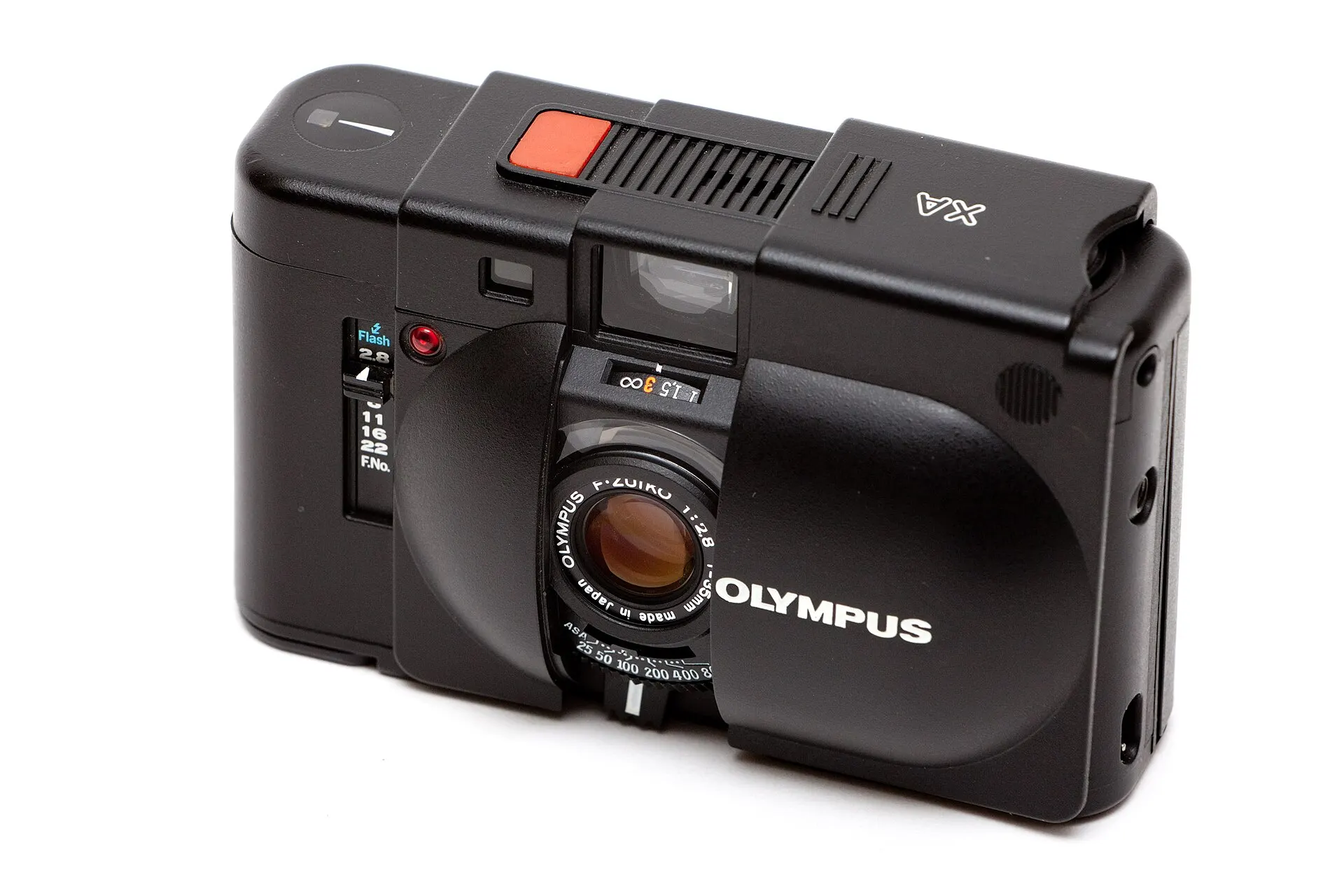
The Olympus XA is Olympus's 1979 pocket 35mm rangefinder with a sharp F.Zuiko 35mm f/2.8 lens and aperture-priority exposure, and Wikipedia counts it among the smallest rangefinder cameras ever made.
Kamerastore listed tested, working copies for $301 to $410 in October 2026, but every XA is now more than 40 years old, and a faint rangefinder patch, a hair-trigger shutter and electronic faults that cannot be repaired are the common complaints.
- Lens
- F.Zuiko 35mm f/2.8
- Focus
- Coupled rangefinder, 0.85 m (2.8 ft)
- Battery
- Two SR44 silver oxide
- Tested price
- $301-$410 (Oct 2026)
Built from 152 opinions from 39 pages and videos. Not yet tested by Camera Dojo. Updated .
The short version
Across 152 opinions from owners, reviewers and five YouTube reviews, the praise centers on size and results. Seven of 10 comments on size call it truly pocketable, and 8 of 11 on image results are positive: Jim Grey says it delivers images he would expect from a far bigger camera. Nine of 17 comments on the meter are positive, and 35mmc's Michael Rennie calls it uncannily accurate.
The doubts are about age. Reliability is the weakest topic, with 13 of 19 comments negative about meters that drift, shutters that stop firing and cameras stuck in self-timer mode, and Analog.Cafe says XAs are prone to malfunction at their current age. The viewfinder draws 11 negative comments out of 22, mostly about a faint rangefinder patch, a dim shutter-speed needle and trouble focusing in dim light, so buy a tested copy with a warranty and ask whether the light seals have been replaced.
Good fit if
- You want a full-frame 35mm camera that slips into almost any pocket, with a sliding cover that protects the lens and locks the shutter
- You want to choose the aperture and focus with a real rangefinder while the camera sets the shutter speed
- You shoot street or candid photos: owners describe the shutter as almost silent
- You can buy a tested copy with a warranty, or treat a cheap untested one as a gamble
Think twice if
- You need to focus quickly in dim light: owners say the small rangefinder patch is dim and fades on many copies
- You shoot ISO 1600 or 3200 film: the meter's film speed setting stops at ASA 800
- You want filters, full manual exposure or an exposure lock: there is no filter thread, the camera always sets the shutter speed and there is no half-press lock
- You want a camera any shop can fix: Olympus's official service says older products, usually 7 years after introduction, can no longer be repaired for lack of parts, and a failed IC chip means a parts camera
What owners and reviewers say, topic by topic
We sorted 152 opinions about the Olympus XA from 39 pages and videos on 29 websites and channels. Each row shows how many people raised a topic and how many of them were positive. Open a row to read short quotes, each linked to its source.
Owner voices come mostly from long-form blogs (35mmc, Jim Grey's Down the Road, Belinda Jiao, Analog.Cafe, Rangefinder Cameras), EMULSIVE and Fstoppers articles and their comments, Flickr's Olympus XA groups and five YouTube reviews. Reddit, Photrio, Rangefinder Forum and DPReview could not be read, and many of the posts are several years old.
Viewfinder and focusing27% positiveof 22
Half of the 22 comments are negative: the gold rangefinder patch is small and fades on many copies, the shutter-speed needle can be hard to see, and focusing in dim light is hard. Others find focusing fast and forgiving, and a piece of black tape on the front window helps some owners.
“I still found it tricky to focus accurately.”
Dan, Canny Cameras: The Car Boot 3 Pound Classic, Olympus XA ReviewOwner
“The rangefinder patch in my XA has grown dim with age. In very bright direct light, it disappears.”
Down the Road (Jim Grey): Olympus XA review 2026-01Owner
“As far as rangefinders go, though, this one is pretty forgiving”
Matt Wille, Input: The Olympus XA is the perfect film camera for a beginner like me 2022-06Owner
“Too bad the range finder patch fades with time”
Reliability today16% positiveof 19
The weakest topic: 13 of 19 comments are negative, describing drifting meters, shutters that stop firing, corroded contacts and cameras stuck in self-timer mode. Three owners report XAs that still work, two of them after years in storage with nothing more than fresh batteries.
“So far just some really gummy and crumbly light seals”
Matt's Classic Cameras: Olympus XA 2016-07Owner
“make sure the meter works, as a dead XA is a worthless XA.”
Daniel VanDurmen, 35mmc: Olympus XA Review, Another Classic Oly 2013-10Owner
“A month after I bought the camera the focusing lever was stuck.”
SB Hopper: Focus problem with Olympus XA 2019-05Owner
“a lot of these cameras today are in bad shape”
Thomas Eisl: Olympus XA Review 2021-06Owner
Light meter and exposure53% positiveof 17
Nine of 17 comments are positive: owners find the aperture-priority meter accurate and like the +1.5 EV backlight lever, and Michael Rennie calls it uncannily accurate. Four negative comments describe copies that overexpose or drift, a fifth notes the ISO 800 ceiling, and the averaging meter can clip highlights in high-contrast scenes. The finder needle runs on a separate circuit from the shutter, so a wrong needle does not always mean wrong exposures.
“I think my XA overexposes by about a stop.”
Flickr Olympus XA Users Collective: How reliable is XA?Owner
“it is on or near the money”
Canny Cameras: The Car Boot 3 Pound Classic, Olympus XA Review 2017-11Owner
“has an uncannily accurate meter”
Michael Rennie, 35mmc: Olympus XA Review, Mighty Micro Machine 2016-07Owner
“the XA might return blown out highlights/ clipped shadows”
Belinda Jiao Photography blog 2021-08Owner
Controls and features41% positiveof 17
Split, 7 positive and 7 negative. Owners like aperture priority, the +1.5 EV backlight lever and the nearly silent shutter. The repeated complaint is the hair-trigger release, which fires by accident; the missing filter thread and exposure lock come next.
“there is no option to exposure lock by half depressing”
Canny Cameras: The Car Boot 3 Pound Classic, Olympus XA Review 2017-11Owner
“If I could improve one thing, I'd make the shutter button less sensitive.”
Down the Road (Jim Grey): Olympus XA review 2026-01Owner
“The shutter is super quiet and very sensitive, so tends not to disrupt the moment”
Yarko, EMULSIVE: Camera review, the Olympus XA and Agfa Vista Plus 200 2020-05Owner
“The XA is a quirky combination of well-designed and inconvenient features.”
Matt's Classic Cameras: Olympus XA 2016-07Owner
Ease of use55% positiveof 11
Leans positive, 6 of 11 comments: owners like setting the aperture, focusing with the lever and letting the camera pick the speed, and Fstoppers' Pete Coco found it easy from the first roll. The complaints are a tricky film-loading routine, a tiny film speed lever and controls that feel fiddly.
“This is a very difficult camera to load”
EMULSIVE: Pocket wonder, the Olympus XA with ILFORD PAN 100Owner
“the ASA is manually set with a tricky, tiny lever”
Matt's Classic Cameras: Olympus XA 2016-07Owner
“It's light, fast and easy to use, there is no thinking or fiddling.”
“Focusing with the focusing lever located below the lens is a breeze”
Thomas Eisl: Olympus XA Review 2021-06Owner
Image results73% positiveof 11
Eight of 11 comments praise its color, contrast and sharpness, and Jim Grey says it delivers images he would expect from a far bigger camera. Two former owners were put off, one by vignetting in clear skies and one by sharpness, which made him sell his.
“But i sold mine, because I was disenchanted by the quality of image it provided.”
“images from the XA are consistently my favourites”
Michael Rennie, 35mmc: Olympus XA Review, Mighty Micro Machine 2016-07Owner
“color rendition and contrast are exactly what I hoped for”
Pete Coco, Fstoppers: Olympus XA Retrospective 2022-06Owner
“The photos that came out of the XA were even better than my expectations.”
Lenses50% positiveof 10
Most comments call the six-element F.Zuiko 35mm f/2.8 very sharp, especially from f/5.6, and Brennan Probst found it rivaled the 50mm f/1.4 Zuiko on his OM-2. It is softer with vignetting wide open, grainydays dislikes its diamond-shaped bokeh, and it takes no filters.
“One drawback of this camera family is the inability of using filters.”
Old Good Light: Olympus XA and XA-2 2017-08Owner
“lens is extremely sharp, especially past f/5.6”
“Its fixed 35mm Zuiko lens is capable of incredible sharpness and detail separation especially at around f5.6.”
Belinda Jiao Photography blog 2021-08Owner
“where composition and mood is more important than tack sharpness, it can produce great results”
Size and weight70% positiveof 10
Seven of 10 comments praise it as one of the smallest film cameras, easy to carry without a case. The side flash makes it almost 50% wider, and the small body can put fingers in front of the lens or feel awkward in large hands.
“It slips comfortably into any pockets I have”
Eric Chin, Analog Reference: Olympus XA Review 2025-03Owner
“The camera is TINY. It fits right in my pocket”
Wijnand Beijer: Olympus XA, the best everyday 35mm film camera? 2019-07Owner
“The Olympus XA is one of the smallest film cameras ever made”
Matt Wille, Input: The Olympus XA is the perfect film camera for a beginner like me 2022-06Owner
“The flash increases the width of the camera by almost 50%, so I almost never carry it.”
Eric Chin, Analog Reference: Olympus XA Review 2025-03Owner
Build quality63% positiveof 8
Five of eight comments say it feels solid for a mostly plastic camera, and one survived a plunge into a cold creek. Jim Grey finds it flimsy and Brennan Probst wishes it were less plastic.
“It feels flimsy, the controls are fiddly”
Down the Road (Jim Grey): Olympus XA review 2026-01Owner
“Overall it feels solid and very well-made.”
Allan Burgess, Rangefinder Cameras: Olympus XA Review 2021-03Owner
“It was a tiny workhorse and led a rough life”
EMULSIVE: Pocket wonder, the Olympus XA with ILFORD PAN 100Owner
“The build quality of this camera is very good, taking into account that almost everything exept the lens is made of plastic.”
Thomas Eisl: Olympus XA Review 2021-06Owner
Repairs and servicing50% positiveof 8
Split. Owners report obsolete replacement chips, a quote of about $130 plus shipping for a new circuit board, and local shops that refused the job. One Fstoppers commenter had all three of his XAs serviced by John Hermanson, a US repairer who specializes in the XA and OM cameras and, according to Jim Grey, who cites John's own site, is now semi-retired.
“I sent it for repair and was told it needed a new chip now obsolete.”
Flickr Olympus XA Users Collective: How reliable is XA?Owner
“My XA died a silent death after about a year and no local repair people would fix it.”
“A new lightseal kit is available online.”
Wijnand Beijer: Olympus XA, the best everyday 35mm film camera? 2019-07Owner
“He specializes in repairing XAs (and OMs).”
Down the Road (Jim Grey): single frame, At the Cadillac Palace 2025-12Owner
Price and value50% positiveof 8
Evenly split, 4 to 4. Some owners, including Analog Reference in 2025, still call it affordable, while others say prices have climbed to 150 to 200 pounds for working copies in the UK and around 200 euros in Germany. It also costs more than the XA2 or XA3.
“Prices for XA kind of exploded here in Germany (bought mine for 35 €, now they are around 200)”
Down the Road (Jim Grey): A test roll in my malfunctioning Olympus XAOwner
“prices can be high, and I often see them for sale for between £150 and £200 if in working order.”
Daimon Tilley, 35mmc: 5 frames with an Olympus XA 2026-07Owner
“the low price keeps it well within reach”
Eric Chin, Analog Reference: Olympus XA Review 2025-03Owner
“The XA is extremely reasonably priced on the used market.”
KJ Vogelius, Gear Vogelius: Olympus XA, the pocket marvelOwner
Batteries and power43% positiveof 7
The two button cells are easy to find and last a long time. Owners and a repairer recommend SR44 silver oxide over LR44 alkaline, and the complaints are a fiddly battery cover and leaks that can damage the electronics.
“The one fiddly thing about the XA series is the battery compartment.”
“The good thing is the fact it uses two LR44 alkaline batteries and they last very long.”
Old Good Light: Olympus XA and XA-2 2017-08Owner
“there are no issues powering the XA as it uses commonly available LR or SR44 battery cells”
KJ Vogelius, Gear Vogelius: Olympus XA, the pocket marvelOwner
“only silver oxide batteries are recommended, don't use alkaline”
Matt's Classic Cameras: Olympus XA 2016-07Owner
Film availability25% positiveof 4
Only four comments. Any 35mm film works, but the ASA 800 ceiling limits one owner's film choice, while Belinda Jiao calls the ASA 25 to 800 range a solid everyday spread. Slide film and E6 processing are expensive, one owner notes.
“It can meter from ISO 25-800, which together with a 35mm lens, makes a solid all-rounded everyday camera.”
Belinda Jiao Photography blog 2021-08Owner
“I don't think we can get Pan 100 here in the US.”
EMULSIVE: Pocket wonder, the Olympus XA with ILFORD PAN 100Owner
“it just doesn't see much use due to the maximum ISO rating of 800”
Alex Hakimi, 35mmc: Olympus XA Review, Mighty Micro MachineOwner
“Though both the film and the E6 processing are frightfully expensive”
Allan Burgess, Rangefinder Cameras: Olympus XA Review 2021-03Owner
PositiveMixedNegative
How to use the Olympus XA: film, aperture and focus
Everything on the XA runs through sliders, a thumbwheel and a lever on the bottom, and nothing works without batteries: the electronic shutter will not fire at all without them. These steps follow the Olympus manual plus owner tips. Our general guide to loading film covers the basics.
- 1
Fit and check the batteries
Two SR44 silver oxide cells go in under the battery cap. Set the bottom lever to CHECK: a steady tone and a lit red lamp mean the cells are good. Karen Nakamura of Photoethnography fits the cap while the tone is sounding, because the cover does not always make a solid connection.
- 2
Load the film
According to the manual, open the back with the clamshell closed, attach the film end to the take-up spool, start winding and close the back. Then slide the clamshell fully open and wind and fire two blank shots until the counter shows 1. A long-time owner on EMULSIVE calls it a very difficult camera to load, so watch that the rewind crank turns as you wind.
- 3
Set the film speed
Slide the ASA lever under the lens to your film's rating, from ASA 25 to 800. The XA does not read DX codes, so Allan Burgess of Rangefinder Cameras suggests sticking masking tape on the back with the film speed written on it.
- 4
Choose the aperture
Slide the aperture lever to an f-number and the camera picks a shutter speed between 10 s and 1/500 s, shown by a needle on the left of the finder. If the needle enters the striped overexposure zone, stop down; at 1/30 or slower, the manual warns you to hold the camera steady.
- 5
Focus with the rangefinder
Move the focusing lever under the lens until the double image in the center patch fuses into one. Focus runs from 0.85 m (2.8 ft) to infinity, and for subjects at 0.85 to 1 m the manual says to frame below the two parallax marks.
- 6
Or zone focus
For quick shots, 35mmc's Daniel VanDurmen sets f/5.6 to f/8 with focus at 10 to 15 feet, which he says makes the camera almost foolproof. The f/5.6 and 3 m marks are printed in color on the scales, and Jim Grey says setting both lets you point and shoot all day in good light. Our zone focusing guide explains the idea.
- 7
Press lightly
The release is an electronic feather-touch pad that responds to very light pressure and has no half-press, so you cannot lock exposure. Close the clamshell between shots: it switches the power off and locks the release, which prevents accidental frames in a pocket.
- 8
Use the bottom lever
The same lever adds +1.5 EV for backlit subjects and starts the 12-second self-timer, which blinks a red LED and beeps. Return it to the normal position afterward.
- 9
Rewind
At the end of the roll, lift the rewind crank on top, press the release button on the bottom plate and crank the film back into the cassette.
Sources: diaxa.com, rangefinder-cameras.com, photoethnography.com, emulsive.org, 35mmc.com, blog.jimgrey.net, fstoppers.com, austerityphoto.co.uk
Olympus XA battery: SR44 vs LR44
The XA takes two 1.5V SR44 silver oxide button cells, also sold as Energizer 357 or EPX76, and the manual says a set lasts about a year. Closing the clamshell switches the meter off, which is why Allan Burgess at Rangefinder Cameras finds the cells last for years.
The LR44 alkaline cell is the same size and fits, and plenty of owners use it: Fstoppers' Pete Coco revived two long-unused XAs with LR44s. The catch is voltage. The repairer behind xa2.cam says SR44s hold a steady voltage until nearly empty while LR44 voltage sags as they drain and can throw off exposures, and Jim Grey has seen reports of serious misexposure with LR44s. If the needle or your negatives look wrong, try fresh SR44s before anything else.
Leaking cells corrode the battery terminals and the thin wire behind them, which can make an XA seem dead, so xa2.cam advises taking the batteries out whenever you store the camera.
Our film camera battery finder covers the cells for other film cameras.
Sources: diaxa.com, photoethnography.com, rangefinder-cameras.com, fstoppers.com, xa2.cam, blog.jimgrey.net, robmiles.com
Best film and flash for the Olympus XA
 Ultramax 400
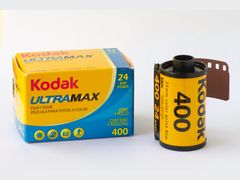
Any 35mm film from ISO 25 to 800 works with the meter, and ISO 400 color negative suits it well: Fstoppers' retrospective was shot on Kodak Ultramax 400 and Fuji Superia X-tra 400. Belinda Jiao calls the ASA 25 to 800 range, together with the 35mm lens, a solid everyday combination.
The ceiling matters at night. The film speed setting stops at ASA 800, and one 35mmc reader with a mint XA says it rarely gets used for that reason. Pushing ISO 400 film one stop to 800 is still possible on the dial, and for high-contrast scenes Belinda Jiao turns the ISO setting away from the box speed to bias exposure. Our guide to pushing and pulling film explains the lab side.
Slow shutter speeds are manageable, because the feather-light release helps you hold the camera steady. Daniel VanDurmen shot redscaled Kodak Ultramax 400 rated at ASA 25 and still got decently sharp frames at 1/15 to 1/30 s. Kosmo Foto says the XA suits lomo-style shooting with cross-processed slide film, while Allan Burgess notes slide film and E6 processing are frightfully expensive.
There is no built-in flash. The A11 screws onto the left side and runs on one AA cell with a guide number of 10; the larger A16 takes two AAs with a guide number of 16, and Jim Grey also lists the A1L, which used a non-replaceable lithium battery. Setting the aperture lever to the flash symbol switches the A11 on and puts the XA in auto flash.
The A11 only handles ASA 100 and 400 film, and you set the speed on the flash as well as on the camera. The manual promises about 150 flashes and a 7-second recycle on an alkaline AA, but a Photoethnography reader timed 30 to 45 seconds on alkaline and 9 seconds on a fresh lithium AA. Eric Chin of Analog Reference says the flash makes the camera almost 50% wider, so he rarely carries it, and xa2.cam says repairing an A11 or A16 usually costs more than a working unit sells for.
Sources: fstoppers.com, belindajiao.com, 35mmc.com, 35mmc.com, kosmofoto.com, rangefinder-cameras.com, en.wikipedia.org, blog.jimgrey.net, diaxa.com, photoethnography.com, analogreference.substack.com, xa2.cam
What to check before buying a used Olympus XA
Olympus made the XA from 1979 to 1985, so every copy is 41 to 47 years old. Replacement IC chips are not available and new CdS meter cells are no longer made, so how it works matters far more than how it looks. Our guide to buying used film cameras covers sellers and return policies.
- 1
Make sure it is an XA, not an XA2
The original XA has the f/2.8 lens, a focusing lever under the lens and a rangefinder patch in the finder. Listings mix them up: Brooklyn Film Camera's own 'Olympus XA' page describes an f/3.5 lens, which is the XA2's.
- 2
Open the battery compartment
Walk away from green or white crust, the first check on Daniel VanDurmen's 35mmc list. He warns that leakage can creep further into the camera and damage the electronics or even the lens.
- 3
Check the beep and the meter
With fresh SR44s, set the lever to CHECK for a steady tone, then open the clamshell and point the camera at bright and dim scenes: the needle should swing. VanDurmen's rule is that a dead XA is a worthless XA, and xa2.cam says a silent or off-pitch beep can mean a failed IC chip that cannot be repaired.
- 4
Fire the shutter many times
It should fire on every press, at several apertures. Owners report releases that go intermittent, delay or need several presses, and a camera stuck in self-timer mode is usually a parts camera.
- 5
Look through the finder
The gold patch should be visible against a bright scene and the focusing lever should move smoothly from close to infinity. SB Hopper's focusing lever stuck a month after purchase. A needle that reads off is less serious than a shutter that is off: Jim Grey's needle read a few stops wrong, yet his test roll came out properly exposed.
- 6
Test the film transport
Turn the thumbwheel, watch the counter advance and try the rewind. Wijnand Beijer's second 'working' XA turned out to have a dead frame counter and a sticky advance.
- 7
Inspect seals and lens
Unless the seals were replaced, VanDurmen expects them to need it soon; look for sticky black foam at the door hinge. Shine a light through the lens from front and back for haze, fungus or cleaning marks.
- 8
Prefer a tested copy with a warranty
Kamerastore's certified grade means machine-tested and working, with a 12-month warranty, while its rescue grade means functional problems and no warranty. Retrospekt's refurbished copies carry a 90-day limited warranty.
Sources: brooklynfilmcamera.com, 35mmc.com, xa2.cam, xa2.cam, fstoppers.com, casualphotophile.com, flickr.com, sbhopper.com, blog.jimgrey.net, wijnandbeijer.com, thephotoforum.com, kamerastore.com, kamerastore.com, retrospekt.com
Olympus XA vs XA2: which one to buy
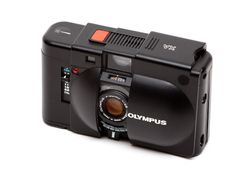 Olympus XA | Olympus XA2 | |
|---|---|---|
| Focusing | Coupled rangefinder, 0.85 m to infinity | Scale (zone) focus |
| Lens | F.Zuiko 35mm f/2.8, six elements | 35mm f/3.5 |
| Exposure | Aperture priority, 10 s to 1/500 s | Programmed automatic only |
| Best for | Careful shooting when you have time | Quick, off-the-cuff snapshots |
| Price | Higher; Rangefinder Cameras says it commands the highest prices of the line | Lower than the XA, per Alex Luyckx |
Pick the Olympus XA if
- You want to choose the aperture and control depth of field
- You want precise focus for close subjects or wide-open shots
- You will pay more for the only true rangefinder in the XA line
Pick the Olympus XA2 if
- You want a faster, simpler snapshot camera: Canny Cameras finds the XA2 better for quick shots
- You would rather zone focus than line up a faint patch
- You want to spend less
Sources: en.wikipedia.org, rangefinder-cameras.com, austerityphoto.co.uk, alexluyckx.com
Olympus XA history: Maitani's pocket rangefinder
 OM-1
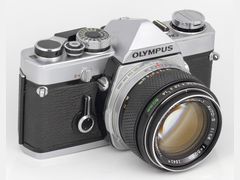
Olympus made the XA from 1979 to 1985. It was designed by Yoshihisa Maitani, whose team had already produced the Pen F half-frame SLR, the compact Olympus OM-1 and the Trip 35. For the XA he set a target thickness of 4 cm (1.6 in) for a full-frame camera that would fit a pocket, and Wikipedia counts it among the smallest rangefinder cameras ever made, together with the Contax T.
Two ideas made that possible. The six-element, five-group F.Zuiko lens focuses internally, so nothing extends or telescopes, and the sliding clamshell protects the lens and doubles as the power switch. Jim Grey notes it listed at $233 new.
The XA was the first of the line and the only true rangefinder. The XA2 and XA3 switched to a 35mm f/3.5 lens with scale focusing, the XA4 to a 28mm f/3.5, and the XA1 has fixed focus, so check which model a listing really is.
Sources: en.wikipedia.org, casualphotophile.com, blog.jimgrey.net, rangefinder-cameras.com, 35mmc.com
Known problems and what fixing them costs
These are the faults owners and repairers mention most. Few US shops publish XA prices, so the costs below are owner reports, general shop ranges or quotes on request, checked in October 2026.
Shutter will not fire, or fires only sometimes
Raised in 5 opinions
- How you notice
- Pressing the red release does nothing even with fresh batteries, works only on some presses, or needs several presses.
- Fix
- Check the batteries first: Michael Rennie says the repair is often as simple as new batteries or cleaning the shutter button contacts, and Allan Burgess frees occasional non-fires by closing and reopening the clamshell. Otherwise xa2.cam says dirt, old lubricant or a sticky spring on the two release magnets is the usual cause, and cleaning usually brings it back; a small number trace back to a failed IC chip.
- Typical cost
- No published XA price: xa2.cam sends a diagnostic fee and estimate by email. Brooklyn Film Camera's general CLA range for a premium compact or rangefinder is $250-$400. The XA is not on its model list, though.
Sources: xa2.cam, 35mmc.com, rangefinder-cameras.com, casualphotophile.com, fstoppers.com, brooklynfilmcamera.com
Stuck in self-timer mode, or no beep (failed IC chip)
Raised in 4 opinions
- How you notice
- The camera behaves as if the self-timer is always on, or the battery-check beep is silent or off-pitch with good batteries.
- Fix
- A Flickr group member suggests removing the bottom plate and cleaning the switch contacts before giving up. If that fails, xa2.cam says IC faults cannot be repaired and replacement chips are not available, and another Flickr owner was told the chip his XA needed was obsolete.
- Typical cost
- Usually a parts camera. John Hermanson of Camtech quoted one Flickr owner about $130 plus shipping for a circuit board replacement.
Sources: flickr.com, xa2.cam, flickr.com
Battery corrosion (camera seems dead)
Raised in 2 opinions
- How you notice
- No beep and no lamp with fresh batteries, and green or white crust in the battery compartment.
- Fix
- xa2.cam says a camera that seems dead often is not: cleaning sometimes works, but often the thin negative wire behind the terminal has to be replaced and re-soldered, and a corroded battery cap can be swapped for a good original. Daniel VanDurmen warns that leakage can spread into the electronics or even the lens.
- Typical cost
- Quoted after diagnosis; xa2.cam sends a diagnostic fee and estimate before you ship.
Sources: xa2.cam, 35mmc.com, fstoppers.com
Meter reads wrong, or long exposures in daylight
Raised in 7 opinions
- How you notice
- The shutter stays open too long in bright light, the finder needle does not move or disagrees with a known-good meter, or negatives come out consistently over- or underexposed.
- Fix
- Try fresh SR44 cells first, since sagging alkalines can throw off exposures. xa2.cam says the CdS cell or its solder joints are usually at fault: some come back with cleaning, re-soldering and a trimmer adjustment, but new CdS cells are no longer made. A wrong needle with good negatives is less worrying, because the needle runs on a separate circuit from the shutter.
- Typical cost
- No published price; repairers quote after inspection.
Sources: xa2.cam, xa2.cam, flickr.com, flickr.com, blog.jimgrey.net
Faint rangefinder patch or sticky focusing lever
Raised in 8 opinions
- How you notice
- The gold patch is hard to see in bright light or dim rooms, the double image will not line up cleanly, or the focusing lever sticks.
- Fix
- Owners raise contrast with a small piece of black tape or a dot of marker on the front of the viewfinder window, with mixed results. A misaligned or stuck mechanism needs a technician, so shoot a test roll before relying on a copy.
- Typical cost
- Tape is free; no shop publishes a price for XA rangefinder work.
Sources: rangefinder-cameras.com, simple0things.weebly.com, austerityphoto.co.uk, blog.jimgrey.net, sbhopper.com
Crumbling light seals
Raised in 2 opinions
- How you notice
- Orange or red streaks or fogging along the edges of negatives, and black, sticky foam around the back door hinge and latch.
- Fix
- Remove the old foam and residue and fit new seals cut for the XA; xa2.cam says almost every XA it services gets new seals, and owners also fit pre-cut kits sold online. Our [light leaks guide](/techniques/light-leaks/) shows what leaks look like on film.
- Typical cost
- $85-$150 at Brooklyn Film Camera, a sample range from past repairs (its pricing guide quotes $80-120 for the same job), or the price of a kit if you do it yourself.
Sources: xa2.cam, 35mmc.com, wijnandbeijer.com, mattsclassiccameras.com, brooklynfilmcamera.com, brooklynfilmcamera.com
Stiff film advance, dead frame counter or rewind trouble
- How you notice
- A gritty or stiff thumbwheel, a counter that skips or stops, or a rewind knob that will not stay down.
- Fix
- xa2.cam cleans and lubricates the advance and replaces worn or broken parts with original Olympus parts from its stock. Check the counter and rewind before buying: Wijnand Beijer's second 'working' XA had a dead counter and a sticky advance.
- Typical cost
- Quoted by email after diagnosis.
Sources: xa2.cam, wijnandbeijer.com
Hazy, low-contrast pictures
Raised in 1 opinion
- How you notice
- Hazy highlights and glow around bright areas.
- Fix
- Shade the lens with your hand when shooting toward the light, and look through the lens from front and back with a light for haze, fungus or cleaning marks. xa2.cam only cleans XA2 lenses for now, and a Photography Forum reply doubts internal haze is worth the cost of repair.
- Typical cost
- No US shop publishes an XA lens cleaning price.
Sources: thephotoforum.com, xa2.cam
Photos taken with a Olympus XA
Photos taken with an Olympus XA by two Wikimedia Commons contributors: the Hoggar Mountains in 1981, Wolverhampton station in England in 1984 and Canada's Yukon in 1988.

Teslin River, Yukon, June 1988, on KodachromePhoto: Smiley.toerist, CC BY-SA 4.0 
Yukon River near Dawson City, 1988Photo: Smiley.toerist, CC BY-SA 4.0 
Kluane National Park, Yukon, 1988, on KodachromePhoto: Smiley.toerist, CC BY-SA 4.0 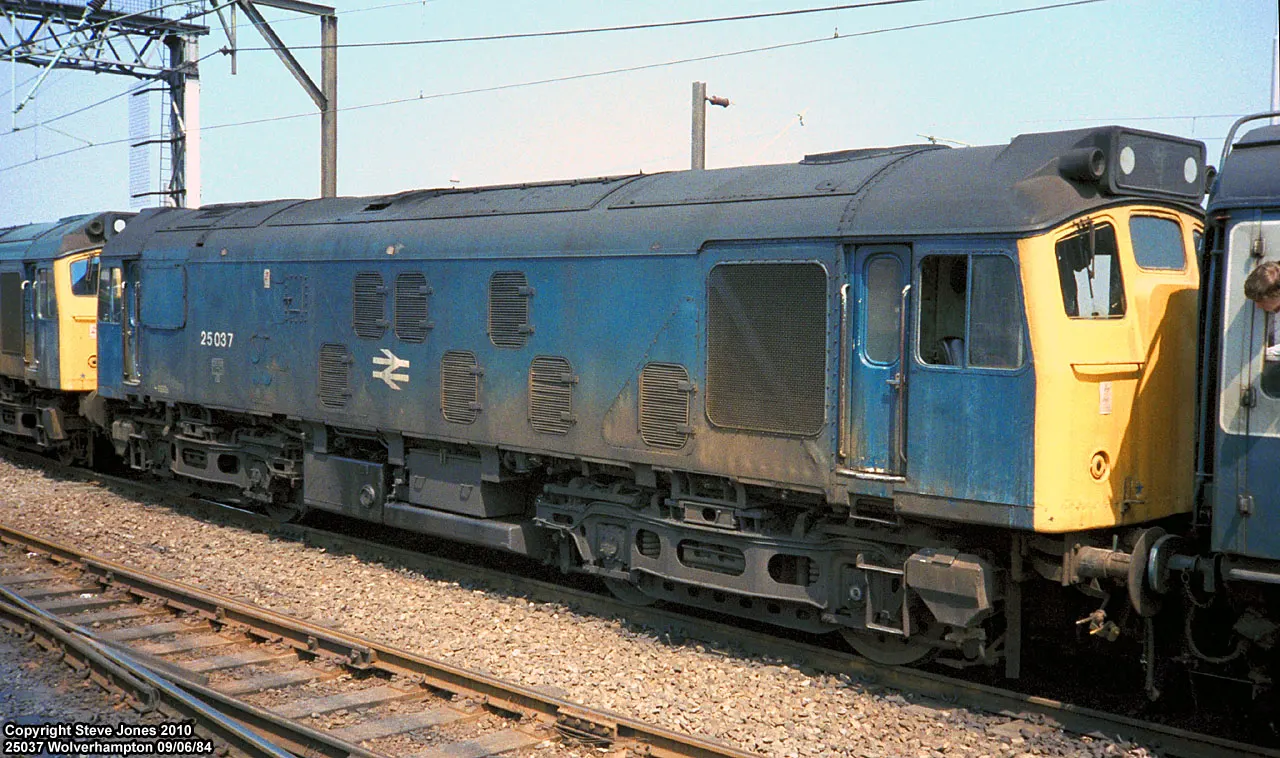
Locomotive 25037 at Wolverhampton, June 9, 1984, on Kodacolor VR400Photo: Tutenkhamun Sleeping, CC BY 2.0 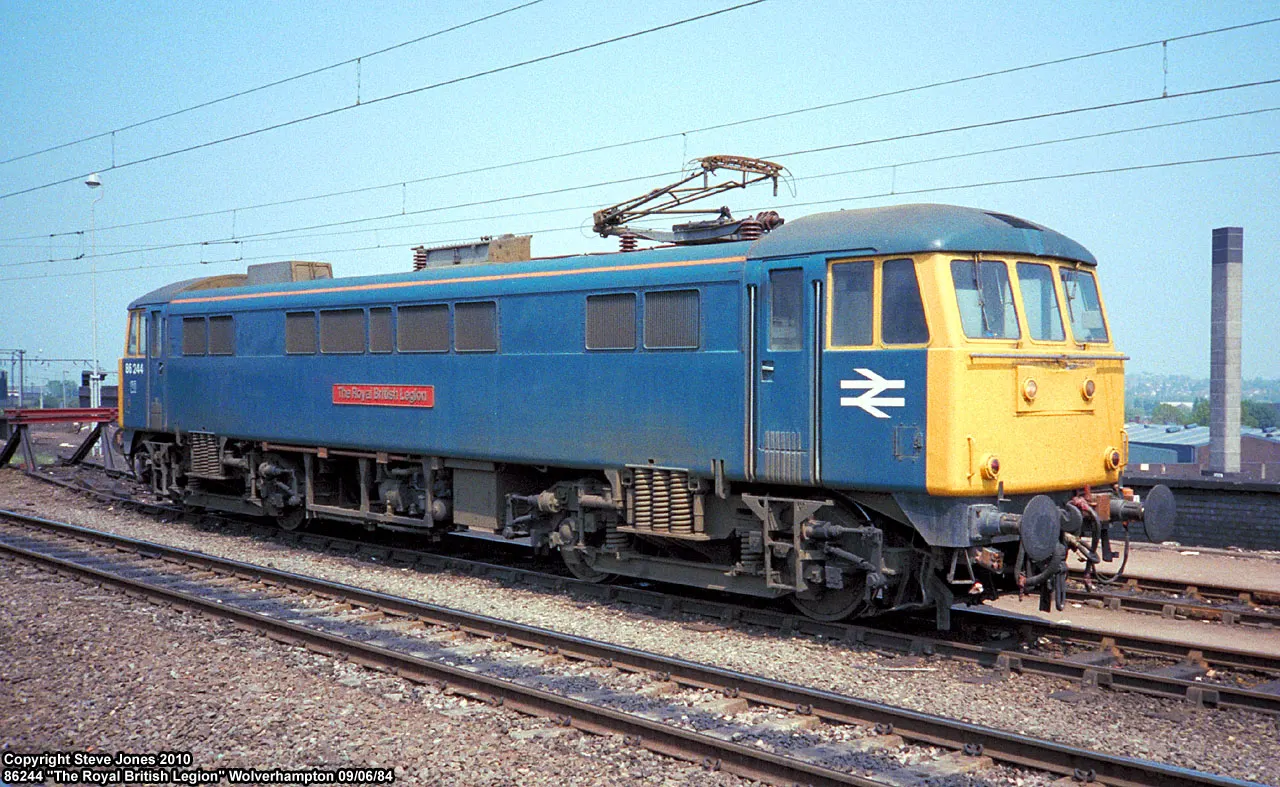
Locomotive 86244 The Royal British Legion at Wolverhampton, June 9, 1984, on Kodacolor VR400Photo: Tutenkhamun Sleeping, CC BY 2.0 
Lunch break with camels in the Hoggar Mountains, February 1981Photo: Smiley.toerist, CC BY-SA 4.0
What a Olympus XA costs today
Tested, working XAs listed for $301 to $410 at Kamerastore in October 2026, with $390 the most common of its 12 certified listings, and Retrospekt's refurbished XAs with a flash showed $399 before selling out. Kamerastore's rescue-grade copies, which have functional problems, cost $169 to $202.
Kamerastore (Finland, US storefront)
Certified: machine-tested and working, 12-month warranty, Body only, 12 listings; $390 most common
$301-$410
See listingKamerastore (Finland, US storefront)
Rescue: functional problems, no warranty, 30-day refund, Body only, 4 listings
$169-$202
See listingRetrospekt (Milwaukee, WI)
Vintage refurbished, 90-day limited warranty (sold out), With A11 flash
$399
See listingRetrospekt (Milwaukee, WI)
Vintage refurbished, 90-day limited warranty (sold out), With A16 flash and strap
$399
See listingPhotodom
Used (out of stock), With A11 flash
$299.99
See listingF Stop Cameras
Used, described as fully functional (sold out, undated listing), With A11 flash and batteries
$179
See listing
Prices checked on October 28, 2026. They move every week, so treat them as a range, not a quote. Kamerastore is based in Finland and sells to the US in dollars, with duties and taxes calculated at checkout. eBay sold listings and KEH blocked our checks and MPB had no XA listing, so marketplace prices are missing. For context, 35mmc quoted $50-$150 for good examples on eBay and Etsy in 2013, and Jim Grey notes the XA listed at $233 new. Watch for XA2s sold as XAs: look for the f/2.8 lens and the rangefinder patch.
Video reviews worth your time

the BEST journal 35mm camera | Olympus XA REVIEW & GIVEAWAY
The Olympus XA is an exceptionally compact rangefinder that offers manual focus and aperture priority in a pocketable design, making it an ideal everyday camera despite its sensitive shutter button and small viewfinder.

Olympus XA (experience & review)
The reviewer found the Olympus XA interesting to try, but ultimately felt its faint rangefinder patch and awkward viewfinder made it too cumbersome for his personal style.

Olympus XA Review
The Olympus XA is an exceptionally compact full-frame rangefinder camera with a sharp 35mm f/2.8 lens and aperture-priority metering, making it an outstanding street and travel camera despite minor handling quirks.

First rolls with the Olympus XA // THE pocket film camera
The reviewer considers the Olympus XA an exceptionally compact and capable 35mm camera with impressive image quality, despite its slightly fiddly controls.

Olympus XA (First Impressions)
While acknowledging the Olympus XA as an impressively engineered, compact rangefinder camera, the reviewer personally found its tiny size, sensitive shutter, and lack of filter support unsuited to his shooting style.
Specifications
Lens and exposure
- Focusing design
- Internal focusing; the lens does not extend
- Apertures
- f/2.8 to f/22
- Filters
- Cannot be fitted
Focus and viewfinder
- Focusing
- Double-image coupled rangefinder
Body, power and flash
- Battery life
- About one year, according to the manual
- Film advance
- Rear thumbwheel; rewind by pop-up crank
- Designer
- Yoshihisa Maitani
- Original list price
- $233
Questions people ask about the Olympus XA
Is the Olympus XA a good camera?
Most owners say yes. Belinda Jiao calls it a very good camera that deserves its cult status, and Jim Grey says its strengths more than make up for its shortcomings. The warning is age: Analog.Cafe says XAs are prone to some sort of malfunction now and advises buying from a seller who promises it works.
Sources: belindajiao.com, blog.jimgrey.net, analog.cafe
How much does an Olympus XA cost?
In October 2026, Kamerastore's 12 tested, certified XAs listed for $301 to $410 and Retrospekt's refurbished XAs with a flash showed $399 before selling out. Copies with functional problems started at $169. Dealer prices are well above the $50-$150 that 35mmc quoted for good eBay and Etsy examples in 2013, and a 2026 35mmc writer sees working copies at 150 to 200 pounds in the UK.
Sources: kamerastore.com, retrospekt.com, 35mmc.com, 35mmc.com
Is the Olympus XA a point and shoot?
Not really. It is pocket-sized like a point and shoot, but you focus by hand with a coupled rangefinder and choose the aperture while the camera sets the shutter speed, and it has no autofocus. Matt's Classic Cameras calls it a mini pro rangefinder masquerading as a compact point and shoot. The XA2 is the simpler zone-focus model.
Sources: belindajiao.com, mattsclassiccameras.com, en.wikipedia.org
What batteries does the Olympus XA use?
Two 1.5V SR44 silver oxide button cells, also sold as 357 or EPX76. LR44 alkalines fit and many owners use them, but xa2.cam says their voltage sags as they drain and can throw off exposures, so SR44 is the safer choice. The camera will not fire at all without batteries.
Sources: en.wikipedia.org, photoethnography.com, xa2.cam, rangefinder-cameras.com
Olympus XA or XA2: which one should I buy?
Buy the XA if you want rangefinder focusing, the faster f/2.8 lens and control over the aperture; Rangefinder Cameras calls it the only true rangefinder in the line and the best one to get. The XA2 has a 35mm f/3.5 lens, scale focus and automatic exposure. Canny Cameras finds the XA2 better for quick shots and the XA much better if you have time.
Sources: rangefinder-cameras.com, en.wikipedia.org, austerityphoto.co.uk
Why won't my Olympus XA shutter fire?
Start with fresh SR44 batteries and the battery check: no tone means a power problem, often corroded contacts. Make sure the clamshell is fully open, since the release is locked when it is closed, and try closing and reopening it. If it still will not fire, xa2.cam says dirty release magnets are the usual cause and cleaning usually fixes it, while a failed IC chip cannot be repaired.
Sources: xa2.cam, rangefinder-cameras.com, diaxa.com, flickr.com
Does the Olympus XA have a flash?
There is no built-in flash. The A11 (one AA, guide number 10) and the more powerful A16 (two AAs, guide number 16) screw onto the left side. The A11 only supports ASA 100 and 400 film and has to be set to the film speed separately from the camera.
Sources: en.wikipedia.org, blog.jimgrey.net, photoethnography.com
Who can repair an Olympus XA in the US?
Few shops take them, and Olympus's official service says certain older products, usually 7 years after introduction, are no longer repairable for lack of parts. Owners name John Hermanson, an XA and OM specialist; Jim Grey notes his site says he is semi-retired, and a reader advises emailing him before sending anything. xa2.cam, an independent XA repairer, replies with a diagnostic fee and estimate before you ship.
Sources: learnandsupport.getolympus.com, blog.jimgrey.net, fstoppers.com, xa2.cam
What people compare it with
Olympus XA2
The scale-focus sibling with a 35mm f/3.5 lens and automatic exposure: quicker for snapshots and usually cheaper, but with no rangefinder or aperture control.
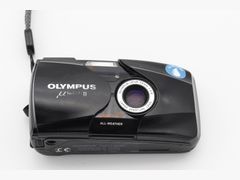
A later Olympus pocket compact with autofocus, auto rewind and a pop-up flash, none of which the XA has, as Rangefinder Cameras points out.
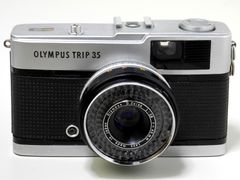
An earlier Olympus 35mm compact that Casual Photophile credits to Maitani and his team, the designers of the XA.
Contax T
Wikipedia groups it with the XA among the smallest rangefinder cameras ever made; one Casual Photophile reader switched to it and never looked back, though it costs far more.
Every source behind this page
Read them yourself. How we pick and count them is in our methodology.
Show all 61 sources
Manuals and references 22
- brooklynfilmcamera.com: Film Camera Repair Cost
- brooklynfilmcamera.com: Camera Repair NYC: Film Camera Repair in Brooklyn + Mail
- brooklynfilmcamera.com: Olympus XA
- en.wikipedia.org: Olympus XA
- kamerastore.com: Kamerastore Used Item Condition
- kamerastore.com: Kamerastore Warranty
- kamerastore.com: Olympus XA - Camera
- learnandsupport.getolympus.com: Warranty and Repair Procedures
- photodom.shop: Olympus XA 35mm Rangefinder Film Camera with A11 Flash
- retrospekt.com: Olympus XA with A11 Flash 35mm Rangefinder Film Camera
- retrospekt.com: Olympus XA with A16 Flash 35mm Rangefinder Film Camera
- robmiles.com: Camera Battery Complications
- casualphotophile.com: We Review Maitani's Masterpiece, the Olympus XA Rangefinder Camera
- diaxa.com: instructions
- fstopcameras.com: Olympus XA Rangefinder 35mm Film Camera with A11 Flash Unit
- photoethnography.com: Camera Batteries - a complete chart
- xa2.cam: Olympus XA, XA2, XA3 & XA4 Repair - Common Problems
- xa2.cam: Olympus XA2 Won't Wind - Film Advance & Counter Repair
- xa2.cam: Olympus XA & XA2 Light Seal Replacement
- xa2.cam: Olympus XA / XA2 Metering & CdS Cell Repair - Long Exposures
- xa2.cam: Olympus XA No Power / Battery Corrosion Repair
- xa2.cam: Olympus XA / XA2 Shutter Not Firing or Stuck - Repair
Independent blogs 20
- Belinda Jiao Photography blog: [Pho.Talk] Is the Olympus XA a Good Camera?
- 35mmc: Olympus XA Review, Another Classic Oly: The Olympus XA
- 35mmc: Olympus XA Review, Mighty Micro Machine: Olympus XA Review - Mighty Micro Machine - by Michael Rennie
- 35mmc: 5 frames with an Olympus XA: 5 frames with an Olympus XA
- Rangefinder Cameras: Olympus XA Review: Olympus XA Review
- Canny Cameras: The Car Boot 3 Pound Classic, Olympus XA Review: The Car Boot £3 Classic
- Wijnand Beijer: Olympus XA, the best everyday 35mm film camera?: Olympus XA
- Simple Things: Olympus XA Review by Teo Linares: Olympus XA Review by Téo Linares
- Old Good Light: Olympus XA and XA-2: Olympus XA and XA
- Photoethnography: Olympus XA Series: Olympus XA Series
- Analog Reference: Olympus XA Review: Olympus XA - Review - by Eric Chin
- Brennan Probst: Spotlight, Olympus XA: brennanprobst.com: Spotlight
- Thomas Eisl: Olympus XA Review: Olympus XA Review
- Matt's Classic Cameras: Olympus XA: Olympus XA
- Down the Road (Jim Grey): Olympus XA review: Olympus XA
- Down the Road (Jim Grey): A test roll in my malfunctioning Olympus XA: A test roll in my malfunctioning Olympus XA
- Down the Road (Jim Grey): single frame, At the Cadillac Palace: single frame: At the Cadillac Palace
- Alex Luyckx: CCR Review 26, Olympus XA: CCR Review 26 - Olympus XA - Alex Luyckx
- Gear Vogelius: Olympus XA, the pocket marvel: GEAR - Olympus XA - The pocket marvel
- SB Hopper: Focus problem with Olympus XA: Focus problem with Olympus XA
Editorial reviews 8
- Fstoppers: Olympus XA Retrospective: Olympus XA Retrospective
- Fstoppers: A Review of the Olympus XA: A Review of the Olympus XA
- Kosmo Foto: Olympus XA review: Olympus XA review
- EMULSIVE: Pocket wonder, the Olympus XA with ILFORD PAN 100: Pocket wonder
- EMULSIVE: Camera review, the Olympus XA and Agfa Vista Plus 200: Camera review: The Olympus XA, Downhill longboarding ...
- Analog.Cafe: A Troublesome and Fragile Masterpiece of a Rangefinder Design: Olympus XA Rangefinder Camera Review
- Input: The Olympus XA is the perfect film camera for a beginner like me: The Olympus XA is the perfect film camera for a beginner like me
- Film Photography Project: Olympus XA article by Brian Moore: Compact Cult Camera, the Olympus XA
Forums 6
- Flickr Olympus XA Users Collective: How reliable is XA?: Olympus XA Users Collective
- Flickr Olympus XA Users Collective: my XA stuck in self timer: Flickr: Discussing my XA stuck in self timer in Olympus XA Users Collective
- Flickr Olympus XA Users Collective: shutter speed discrepancy: Flickr: Discussing shutter speed discrepancy. in Olympus XA Users Collective
- Flickr Olympus XA Users Collective: XA shutter won't fire: Flickr: Discussing XA Shutter won't fire, rewind button stuck in, film advance window stuck on S in Olympus XA Users Collective
- The Photography Forum: Hazy pictures on Olympus XA: Hazy pictures on Olympus XA
- Flickr Olympus XA Users Collective: Your XA Highlights: Flickr: Discussing Your XA Highlights in Olympus XA Users Collective
Video reviews 5
Keep reading
Film cameras
What 151 owner and reviewer opinions say about the Olympus Trip 35: restored copies at $269.99 to $349.99, no battery, best film and what to check.
Film cameras
Olympus Mju II (Stylus Epic) guide: what 110 owner and reviewer opinions say, $399.99-$814 dealer listings in Oct 2026, common faults, film and battery tips.
Film cameras
Where to buy film cameras used in the US: KEH, MPB, B&H, local shops, eBay and thrift, with warranties, October 2026 prices and a checklist to test one.
Film cameras
Rangefinder vs SLR: an SLR shows the scene through the lens, a rangefinder frames through a side window and focus patch. Lenses, size, flash and 2026 prices.
Film cameras
The best point-and-shoot film camera for most people is the Olympus Mju II, about $250-$600 used. Eight picks from $34.99 to $2,000, prices checked Oct. 2026.