Olympus Trip 35: price, how it works and what to check
The short answer
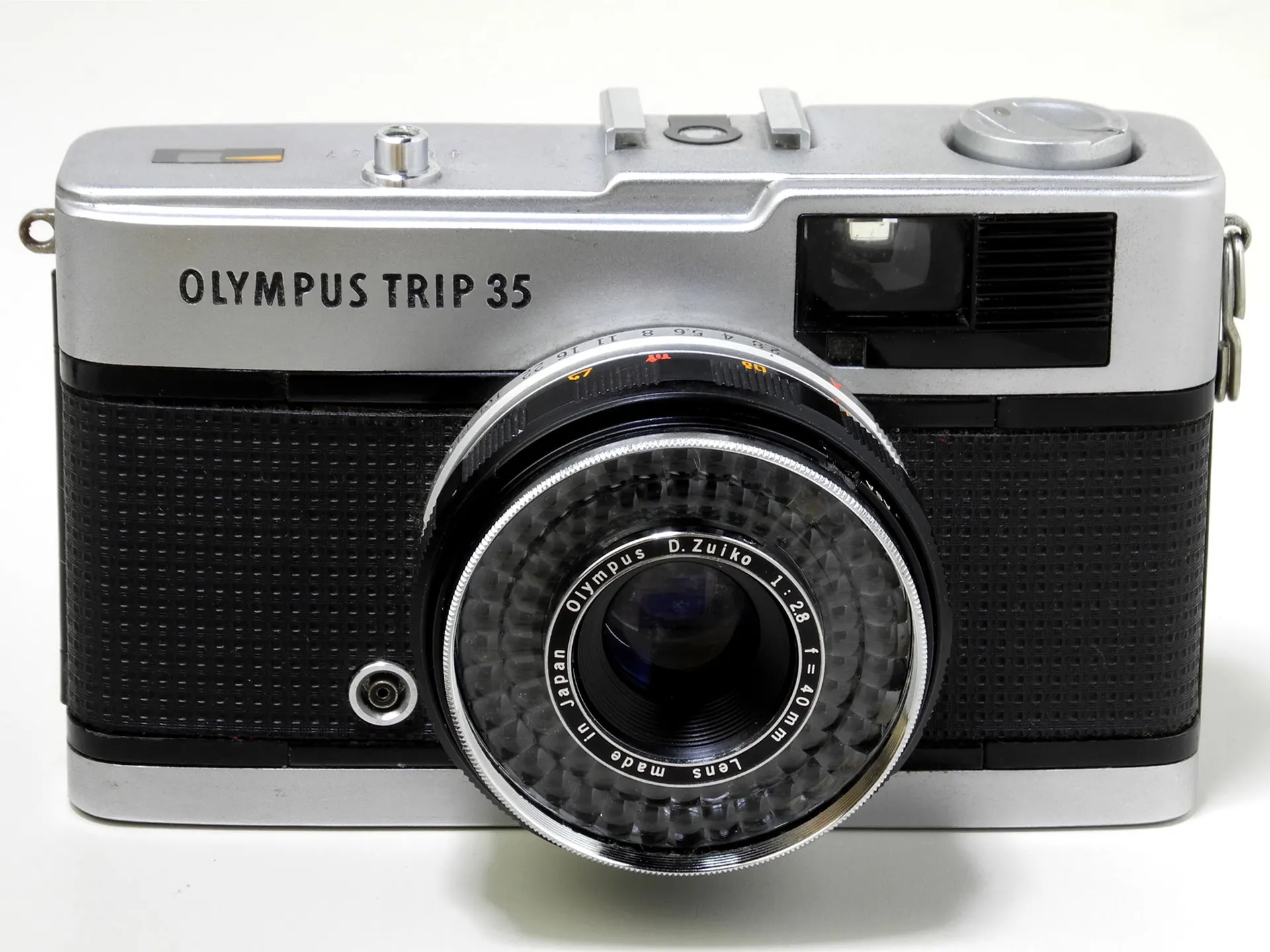
The Olympus Trip 35 is a 35mm compact made from 1967 to 1984, with a sharp 40mm f/2.8 Zuiko lens and a selenium light meter that runs the automatic exposure without a battery.
Owners and reviewers rate it highly for daylight and travel photos, and restored, fully working copies list at $269.99 to $349.99 at Cute Camera Co. in Austin, Texas (checked October 28, 2026). Its limits are guess-the-distance zone focusing, two shutter speeds and a meter that wears out with age, so a tested or serviced copy is worth paying for.
- Made
- 1967-1984
- Lens
- 40mm f/2.8 D.Zuiko, zone focus
- Battery
- None (selenium meter)
- Restored price
- $269.99-$349.99 (US shop, Oct 2026)
Built from 151 opinions from 37 pages and videos. Not yet tested by Camera Dojo. Updated .
Is the Olympus Trip 35 a good camera? The short version
The praise is consistent. The lens is the most liked part of the camera (14 of 16 comments positive), all 11 comments on ease of use are positive, and 11 of 13 comments on size say it disappears into a jacket pocket or bag. Jim Grey got rich color and sharp results from everyday Fujicolor 200, and Casual Photophile's reviewer liked not having to think about aperture, shutter speed or batteries. Loaded with Kodak Gold 200 on a sunny day, it is about as simple as film gets.
The complaints are about age and limits. None of the 15 comments on reliability today are positive: sticky aperture blades, red flags that no longer rise, light leaks and loose lens screws are the usual faults. The meter splits opinion (9 positive, 7 negative), focusing is evenly split, and the ISO 400 ceiling plus a 1/40 s slowest speed make it a daylight camera first. If you mostly shoot indoors or at night, an autofocus compact with a built-in flash such as the Canon Sure Shot suits you better.
Good fit if
- You want a simple, battery-free 35mm camera for travel and daylight walks
- You are new to film and want automatic exposure with nothing to set but focus
- You like a sharp 40mm lens in a mostly metal body that fits a jacket pocket
- You are happy shooting ISO 100 to 400 film such as Kodak Gold 200 or Ultramax 400
Think twice if
- You shoot mostly indoors or at night and do not want to carry a flash
- You want full manual exposure, a bulb setting or a self-timer
- You need precise focus for close portraits in dim light
- You want to buy an untested copy cheaply and would rather not pay for repairs
What owners and reviewers say, topic by topic
We sorted 151 opinions about the Trip 35 from 37 pages and videos on 27 websites and channels. Each row shows how many people raised a topic and how many of them were positive. Open a row to read short quotes, each linked to its source.
Owner voices come mostly from long-form blogs and reviews (35mmc, Casual Photophile, Analog.Cafe, Jim Grey, Shoot It With Film, Daniel J. Schneider), the Flickr Trip 35 group, TalkPhotography and five YouTube reviews. Reddit and Photrio threads could not be checked. Many reviewers are in the UK or Canada, and several voices sell or repair serviced Trips (Max Kent, Cameras By Max, High5 Cameras, olympustrip.co.uk), which is worth keeping in mind when they recommend buying a serviced copy.
Light meter and exposure56% positiveof 16
Split, 9 positive and 7 negative. Owners with healthy meters call the auto exposure simple and accurate; others report underexposure (one video reviewer blames an exhausted selenium cell, another tricky or high-contrast light) or, on one copy, 1-2 stops of overexposure in bright light.
“seriously limits the Trip 35's capabilities in low light”
Roamer Photography 2023-02Owner
“The photos are kinda dark too (wheres the damn lightmeter?)”
marzev69, Flickr: Olympus Trip 35 group 2024-07Owner
“The exposure system is simple but accurate.”
Alan D, Austerity Photography 2014-09Owner
“The simple auto-exposure system works great.”
Rick Schuster, shot on film 2014-10Owner
Lenses88% positiveof 16
The most praised part of the camera: 14 of 16 comments call the 40mm f/2.8 Zuiko sharp, often across the whole frame. The complaints are ghosting against a bright sky and the odd 43.5mm filter thread.
“Just look at the jewel-like color that Zuiko lens delivers!”
Down the Road (Jim Grey) 2010-03Owner
“Then I became aware of how good that lens is when used correctly.”
GarthMaul, Flickr: Olympus Trip 35 group 2025Owner
“The lens is incredibly sharp and has been compared to the Leica equivalent”
Ray Goulter, Shoot It With Film (reader comment) 2026-04Owner
“When we get the focus right, the Trip's fantastic 40mm F/2.8 Zuiko lens delivers in spades.”
Josh Solomon, Casual Photophile 2016-10Owner
Viewfinder and focusing33% positiveof 15
Evenly split (5 positive, 5 mixed, 5 negative). The finder is bright and a small window shows the focus symbol, but there is no focusing aid, so you estimate distance and close shots in dim light are the ones that miss.
“Some pictures are pretty out of focus, I definitely need more practice.”
mb1592k, Flickr: Olympus Trip 35 group 2025-03Owner
“The Trips viewfinder is bright and clear (assuming it's a clean copy)”
Mel, High5 CamerasOwner
“I've managed to get sharp results on almost every shot I've taken with it.”
fishyfisharcade, Down the Road (Jim Grey) 2019-12Owner
“The viewfinder does not have a focus aide, so you need to estimate the distance.”
Andrew Morang, 35mmc 2018-05Owner
Reliability today0% positiveof 15
No positive comments (10 negative, 5 mixed). Owners and repairers report sticky aperture blades, red flags that stop working, light leaks, loose lens screws and worn selenium cells on cameras made between 1967 and 1984.
“the main issue being that when I first received it, the aperture was stuck.”
Everything Vintage 2013-03Owner
“I still have my dad's original model Trip, but the red flag doen't work anymore”
fishyfisharcade, Down the Road (Jim Grey) 2019-12Owner
“i tried it without a film and the shutter was firing no matter how much light there was”
gogleddwr, TalkPhotography 2026-10Owner
“chances are the mechanism is dirty or sticky (a common issue)”
Katie Adams, Shoot It With Film 2025-09Owner
Size and weight85% positiveof 13
Eleven of 13 positive: it disappears into a jacket pocket or bag. The two mixed comments say it is not quite pocket-sized (one suggests a purse or a roomy coat pocket) and feels hefty for its size.
“The camera is so light, it fits in my waist bag, and makes shooting a breeze.”
Olivia, My Wandering Voyage 2025Owner
“the Trip 35 is barely noticeable when it's in your bag or your jacket pocket.”
Roamer Photography 2023-02Owner
“fitted so easily into my anorak pocket that I was totally unaware it was there”
Fergus Foster, EMULSIVE 2019-02Owner
“Despite fitting will in hand, Trip 35 is noticeably hefty”
Dmitri, Analog.Cafe 2023-12Owner
Repairs and servicing46% positiveof 13
Mixed to positive (6 positive, 5 mixed, 2 negative). The Trip is easy to reseal and clean and specialist shops still service it, but a professional repair can cost as much as the camera and resetting lens focus is hard for home repairers.
“What an absolute headache that turned out to be.”
Teeritz blog 2014-04Owner
“The repair turned out to be quite straight forward and satisfying.”
Brian Etherington, EMULSIVE 2020-11Owner
“After servicing the camera correctly, I ran a second roll of film through it. The difference was immediate.”
Olympus Trip UK (Jason) 2026-02Owner
“Aperture blades can become sticky overtime (repairable but takes time or money).”
Alan D, Austerity Photography 2014-09Owner
Image results67% positiveof 12
Mostly positive (8 of 12): owners describe sharp, well-colored results even on budget film. The two negative comments are first-roll disappointments, one from a flea-market copy and one from a camera that had not yet had a proper service, and the two mixed ones say it is at its best in good light.
“But the photos are soooo disappointing”
marzev69, Flickr: Olympus Trip 35 group 2024-07Owner
“The image quality was remarkably good.”
Tracer, TalkPhotography 2026-10Owner
“The resulting photographs were a very pleasant surprise.”
Fergus Foster, EMULSIVE 2019-02Owner
“It's really dang good for those things. For everything else, not so much!”
Jim Grey, Casual Photophile (reader comment) 2016-10Owner
Ease of use100% positiveof 11
All 11 comments on ease of use are positive: set the film speed, pick a focus symbol and shoot. One owner who had it as a first camera says it is almost impossible to take a bad picture with it.
“It is easy to load and use”
Rob Miles 2025-06Owner
“this camera is so user friendly and I love it”
Emilio V., Flickr: Olympus Trip 35 group 2015-11Owner
“It's almost impossible to take a bad picture with it.”
traveller858, Down the Road (Jim Grey) 2015-04Owner
“Once you get the hang of it, yes, the Olympus Trip 35 is so easy to use!”
Olivia, My Wandering Voyage 2025Owner
Controls and features0% positiveof 11
No positive comments (7 mixed, 4 negative): no real manual mode or bulb setting (the f-stops only set a maximum aperture), a narrow aperture ring, a long shutter button travel, an ISO dial that is easy to bump and an advance wheel with no firm stop at the end of a roll.
“The only disappointing aspect of the camera's feel is its film advance wheel.”
Josh Solomon, Casual Photophile 2016-10Owner
“There is no real manual mode and no B setting.”
Alan D, Austerity Photography 2014-09Owner
“the Trip 35's aperture ring is narrow enough to be difficult to operate with my big sausage fingers”
Daniel J. Schneider 2016-07Owner
“I love the results from my Trip but Ido feel the long travel of the shutter release is very irritating”
Nigel Cliff, 35mmc (reader comment) 2018-05Owner
Batteries and power89% positiveof 9
Eight of 9 comments praise the battery-free design. The one negative points out that the selenium cell that replaces a battery wears out over time.
“I especially like how I don't need to buy an expensive battery to use it.”
Down the Road (Jim Grey) 2010-03Owner
“The best thing about this camera is that it is fully automatic and needs no batteries.”
Camera Go Camera 2016-01Owner
“The Olympus Trip 35 doesn't need a battery to operate, which is pretty darn cool if you ask me.”
Olivia, My Wandering Voyage 2025Owner
“This would have been very unusual in its time but the fact that it's still reliable today is brilliant.”
Max Kent 2022Hands-on review
Build quality88% positiveof 8
Seven of 8 comments praise a solid, mostly metal body. Jim Grey, on a second look, found the shutter clack and the knurled winder cheap-feeling.
“It's a solid and stylish cameras with an all metal body.”
Rob Miles 2025-06Owner
“it is primarily a metal camera with all that vintage solidity”
Daniel J. Schneider 2016-07Owner
“it's almost all metal and feels very solid despite it's light weight”
Rick Schuster, shot on film 2014-10Owner
“Trip 35s are built very well with lots of metal components and an excellent glass lens.”
Dmitri, Analog.Cafe 2023-12Owner
Price and value75% positiveof 8
Mostly positive (6 of 8): owners call it great value, especially when bought cheaply. One video reviewer says refurbished copies online are often overpriced, and one blogger saw asking prices from about 60 to over 300 Canadian dollars.
“But they're worth it and cost a lot less than a second-hand lomo LC-A.”
Alan D, Austerity Photography 2014-09Owner
“If you can pick one up for around the price of a video game you could do a lot worse.”
Rob Miles 2025-06Owner
“Olympus Trip 35 film camera is a fantastic value in terms of fun, image quality, and build quality.”
Dmitri, Analog.Cafe 2023-12Owner
“I have been looking forward to receiving this camera since I bought it on eBay a few days ago for £12.50.”
Everything Vintage 2013-03Owner
Film availability25% positiveof 4
Only 4 comments, and they are about film speed and cost rather than supply. High5 Cameras names the ISO 400 ceiling as the one downside, Austerity Photography says ISO 400 film still works in bright sun, one owner wishes developing cost less, and My Wandering Voyage skips pricey Portra 400 for Kodak Gold 200 or Ultramax 400.
“is the film speed limit of ASA 400”
Mel, High5 CamerasOwner
“allowing you to shoot 400asa film in even bright sunlight”
Alan D, Austerity Photography 2014-09Owner
“Just wish film developing was cheaper”
xsueboor13, Flickr: Olympus Trip 35 group 2024-07Owner
“because that film stock is so expensive, I'd use the cheaper Kodak Gold 200 or Kodak Ultramax 400 in this point-and-shoot camera”
Olivia, My Wandering Voyage 2025Owner
PositiveMixedNegative
How the Olympus Trip 35 sets exposure and focus
Leave the aperture ring on A and the Trip 35 does the exposure for you. The selenium cell ring around the lens reads the light, and the camera picks one of two shutter speeds, 1/40 s or 1/200 s, and an aperture from f/2.8 to f/22. Camera-wiki gives the working range as EV 8.32 to 17.4 at ISO 100, and Austerity Photography adds that the bright end of that range (1/200 s at f/22) lets you load ISO 400 film and still shoot in bright sun.
When there is not enough light for a correct exposure, a red flag pops up in the viewfinder and the shutter will not fire. That flag is also the quickest health check on a used camera: if it never appears with the lens covered, the meter or the aperture blades need attention.
Focus is your job. The lens has four pictograms that match distance marks on its underside, and a small window under the viewfinder shows the symbol and aperture you have set. There is no rangefinder, so you estimate the distance (zone focusing explained). In bright light the camera stops down and depth of field covers small mistakes; in dim light it opens up, and Casual Photophile notes that close subjects are the ones that come back soft.
The f-stops on the aperture ring are meant for flash. Pick one and the shutter stays at 1/40 s; Camera-wiki adds that the meter can still choose a smaller aperture than the one you set. There is no exposure compensation dial, so owners move the ISO dial up or down on purpose instead.
| Symbol on the lens | Distance | What the symbol is for |
|---|---|---|
| Head and shoulders | 1 m (about 3 ft) | Portraits |
| Two heads and shoulders | 1.5 m (about 5 ft) | Two people, group portraits |
| Two people and a child, full length | 3 m (about 10 ft) | Group snaps |
| Mountain | Infinity | Landscapes |
Sources disagree on the zones: Max Kent's review lists them as roughly 1.5 m, 2 m, 3 m and 6 m and beyond, so check the distance scale under your own lens.
Sources: camera-wiki.org, en.wikipedia.org, schneidan.com, casualphotophile.com, austerityphoto.co.uk, maxkent.co.uk, analog.cafe
How to load and shoot an Olympus Trip 35
The Trip 35 takes standard 35mm film. These steps follow Matt's Classic Cameras, Max Kent, Daniel J. Schneider, Shoot It With Film and Camera-wiki; the general process is in how to load film.
- 1
Open the back
Use the catch on the side of the body. The back does not open by pulling up the rewind knob, as it does on many SLRs.
- 2
Load and wind on
Load the cassette and film leader as in any 35mm camera. The advance is a thumbwheel on the back edge of the top cover, and the frame counter sits on top of the camera. The shutter fires with or without film, so check that the film is really moving: Schneider took about 40 frames before he noticed his camera was empty.
- 3
Set the film speed
Set the ISO dial to the speed on the film box. It runs from ISO 25 to 400 (25, 40, 50, 64, 80, 100, 125, 160, 200, 250, 320 and 400), and cameras from the first few years of production stop at ISO 200.
- 4
Set A and pick a focus symbol
Turn the aperture ring to A, then choose the pictogram that matches your subject's distance. The mountain symbol is for infinity, so it suits landscapes and anything far away.
- 5
Frame inside the corner marks
Shoot It With Film says the finder is a little offset from the lens and advises sticking to its frame corners without overcompensating. Camera-wiki adds that the finder has parallax markings for closer focusing.
- 6
Press the shutter
The release travels a long way before it fires. If it will not go down, the red flag is up: find more light, add a flash, or move the ring off A to f/2.8 for a 1/40 s shot.
- 7
Rewind at the end of the roll
The advance has no firm stop, so watch the counter: Roamer Photography wound past the end of a roll without much pressure. Press the button on the bottom, then turn the rewind crank until it feels loose.
Sources: mattsclassiccameras.com, maxkent.co.uk, schneidan.com, shootitwithfilm.com, en.wikipedia.org, camera-wiki.org, roamerphotography.com
Best film for the Olympus Trip 35
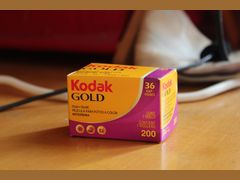 Gold 200
The ISO dial tops out at 400, so pick film from ISO 100 to 400. The UK Trip specialist olympustrip.co.uk suggests ISO 200 for daylight and ISO 400 for general use, and the writers who name a color film mostly pick inexpensive color negative: Kodak Gold 200, which IJM Photography calls a natural pairing on sunny days, or Kodak Ultramax 400. My Wandering Voyage skips Portra 400 in this camera because of its price.
ISO 400 is the better all-rounder. A reader tip on Casual Photophile's review is that faster film buys more depth of field, which helps zone focusing, and holds off the red flag for a stop or two. Shoot It With Film's writer walked around the neighborhood at night with Kodak Ultramax 400, no flash and no tripod, and was happy with the roll.
For black and white, Fergus Foster's Ilford FP4 Plus frames on EMULSIVE came out well from a long-neglected Trip, and IJM Photography suggests Ilford HP5 Plus pushed to 800 for lower light (how pushing works).
Budget for each roll. Brooklyn Film Camera puts shooting and developing 35mm at about $28-36 a roll, with Kodak Gold 200 at $9.50, Portra 400 at $17.50 and developing at $18 at its shop; lab prices elsewhere are in what it costs to develop film.
Analog.Cafe's copy overexposed bright frames by 1-2 stops; its fix was a higher ISO setting in full sun, for example ISO 100 film set at 200 (one stop) or 400 (two stops).
Sources: olympustrip.co.uk, mywanderingvoyage.com, casualphotophile.com, shootitwithfilm.com, emulsive.org, ijmphotography.net, brooklynfilmcamera.com, analog.cafe
Olympus Trip 35 in low light, with flash and with filters
The Trip 35 is a daylight camera first. The slowest speed is 1/40 s and there is no bulb setting or self-timer, and Roamer Photography says the 1/40 s floor and the ISO 400 limit seriously restrict low-light shooting. 35mmc's reviewer also saw low contrast in dim light and recommends a lens hood.
When the red flag blocks a shot, turn the aperture ring off A to f/2.8. The shutter then fires at 1/40 s, and Austerity Photography points out that most film tolerates a little underexposure, so you may get away with it. Hold the camera steady or brace it on something.
For flash, the Trip 35 has a hot shoe and a PC sync socket. Set the f-stop that matches the subject distance and your flash's guide number, and the shutter stays at 1/40 s. Matt's Classic Cameras reads the manual as calling for electronic flash on the PC socket with a cord, because the shoe was synced for flashbulbs, while other reviewers say both connectors work, so check the manual before mounting a modern speedlight. The flash photography guide explains guide numbers and PC sync.
Filters are awkward. The thread is an unusual 43.5mm (45mm for slip-on filters), and 35mmc's reviewer found color filters very hard to find; a commenter suggests a step-up ring to 46mm or 48mm, though another commenter says the original Olympus hood will not fit over the adapter and the viewfinder is partly blocked. Austerity Photography notes a bonus: the meter cells surround the lens, so the exposure adjusts for a filter automatically.
Sources: roamerphotography.com, 35mmc.com, austerityphoto.co.uk, analog.cafe, schneidan.com, mattsclassiccameras.com, en.wikipedia.org
What to check before buying a used Olympus Trip 35
Most Trip 35s for sale are decades past their last service. These checks come from Camera-wiki, Rob Miles, Shoot It With Film, JFR Film and the UK specialist olympustrip.co.uk; where to buy used film cameras covers sellers and return policies.
- 1
Look for the lens cap
Strong light over decades can wear out the selenium cell, so a camera that comes with its cap was more likely stored with the cell covered, as olympustrip.co.uk's buyer's guide points out.
- 2
Do the red flag test
Rob Miles's method: wind on, cover the lens with the cap or your hand and press the shutter. A healthy camera refuses to fire and shows the red flag; uncover the lens and it should fire.
- 3
Check the aperture blades
Ask the seller to set each f-stop from f/2.8 to f/22 and confirm the blades open and close at every value. Oil on the blades is the most common Trip 35 fault, according to JFR Film, and it also stops the red flag working.
- 4
Fire it with the back open
With no film loaded, open the back, point the camera at the sky and fire. You should see light through the leaf shutter.
- 5
Wiggle the lens
A wobbly lens barrel means the lens screws have loosened, a known fault that needs the camera opened and the focus reset.
- 6
Look through the lens and the finder
Haze on the front surface of the front element wipes off; haze inside or fungus means stripping the lens, and Max Kent calls fungus or a dead aperture the usual end of a Trip. Cloudy finders can be cleaned, but scrubbing can remove the bright lines.
- 7
Know which version it is
Cameras made until June 1978 have a silver metal shutter button and later ones a black plastic button; High5 Cameras says the early version is the more collectible. The black-paint Trip was made for only two years, and Analog.Cafe puts it at about $50 more.
- 8
Do the repair math
Analog.Cafe warns that repairing a Trip 35 may cost as much as the camera is worth, and Brooklyn Film Camera notes that once you add a CLA, an untested camera often costs about the same as one already serviced. Pay untested prices only when there is room left for a service.
Sources: olympustrip.co.uk, robmiles.com, camera-wiki.org, jfrfilm.co.uk, photo-utopia.blogspot.com, olympustrip.co.uk, maxkent.co.uk, high5cameras.com, analog.cafe, brooklynfilmcamera.com
Olympus Trip 35 problems and what repairs cost
Most Trip 35 problems come from age: oil on the aperture blades, crumbling foam and a selenium cell that has seen decades of light. No US shop publishes a Trip 35 price list, so the costs below mix Brooklyn Film Camera's general US rates with UK specialists who price the Trip by name.
Sticky aperture blades and a red flag that no longer works
Raised in 9 opinions
- How you notice
- The red flag does not rise with the lens covered, or the shutter fires in any light; exposures swing from frame to frame. JFR Film calls oil on the aperture blades the most common Trip 35 fault.
- Fix
- Clean the aperture blades and lens unit. That means opening the lens, so most owners send it to a technician; handy owners have done it themselves, but resetting focus afterward is the hard part.
- Typical cost
- No published US price for a Trip 35. Brooklyn Film Camera charges $80-120 for a single fix such as a stuck shutter (no warranty); in the UK, JFR Film's repairs start at £40.
Sources: jfrfilm.co.uk, camera-wiki.org, brooklynfilmcamera.com, teeritz.blogspot.com
Tired or dead selenium cell
Raised in 8 opinions
- How you notice
- Underexposed rolls, or the opposite (Analog.Cafe's copy overexposed bright frames by 1-2 stops), and a red flag that never appears. Decades of light without a lens cap can wear the cell out.
- Fix
- A technician can adjust the meter to suit the aging cell, as JFR Film does in its full service, and High5 Cameras says specialist shops can repair or replace failed cells. Treat a fully dead cell as a reason to pay much less, unless you plan to use only the manual f-stops, as with flash.
- Typical cost
- JFR Film includes meter adjustment in its £90 full service (UK). As a US yardstick, Brooklyn Film Camera charges $250-400 for a full CLA of a premium compact, not Trip-specific.
Sources: jfrfilm.co.uk, analog.cafe, high5cameras.com, brooklynfilmcamera.com
Perished light seals
Raised in 3 opinions
- How you notice
- Light leaks that partly expose frames. Roamer Photography had it on a couple of shots and says other users report the same, and Max Kent says worn seals are likely unless the camera came from a reputable dealer.
- Fix
- Replace the foam seals, including the inner one between the body and the lens unit. A Flickr group member who has resealed dozens of cameras calls the Trip 35 the easiest one to reseal.
- Typical cost
- $80-120 for light seal replacement at Brooklyn Film Camera (US, no warranty); included in JFR Film's £90 full service (UK).
Sources: brooklynfilmcamera.com, analog.cafe, flickr.com, travels.clayduda.com, maxkent.co.uk, jfrfilm.co.uk
Loose lens barrel
Raised in 2 opinions
- How you notice
- A wobbly lens, a screw rattling inside, or focus that misses.
- Fix
- Open the camera, tighten the lens mounting screws and replace the inner seal. Mark the front element's position first: a lens unit taken apart without marks loses its focus calibration, which the Teeritz blogger found an absolute headache.
- Typical cost
- Usually part of a full service; JFR Film (UK) lists out-of-focus lens repairs among jobs that start at £40.
Sources: teeritz.blogspot.com, travels.clayduda.com, olympustrip.co.uk, jfrfilm.co.uk
Gritty, stiff or miscalibrated focus ring
Raised in 2 opinions
- How you notice
- The focus ring will not turn past the first symbol, or photos are soft even when you judge the distance well.
- Fix
- Lens disassembly, cleaning and recalibration. A Flickr group owner who took the lens apart and cleaned it found the ring gritty again after half a roll, so this is a job for someone who has done it before.
- Typical cost
- Repairs from £40 at JFR Film (UK); no published US price.
Sources: flickr.com, jfrfilm.co.uk, olympustrip.co.uk
Hazy lens, fungus or a cloudy viewfinder
Raised in 2 opinions
- How you notice
- Low-contrast, glowing photos, or a dull view through the finder.
- Fix
- Haze on the outside of the front element wipes off. Haze on inner surfaces and fungus mean stripping the lens. Clean a finder gently, since scrubbing can remove the bright lines.
- Typical cost
- No Trip-specific US price. Brooklyn Film Camera's fungus cleaning on interchangeable lenses runs $75-165, a rough yardstick only.
Sources: olympustrip.co.uk, high5cameras.com, maxkent.co.uk, brooklynfilmcamera.com
Stuck film advance
- How you notice
- The thumbwheel spins freely or will not turn, usually after a drop.
- Fix
- Replace the small broken cogs in the advance mechanism.
- Typical cost
- Repairs from £40 at JFR Film (UK); no published US price.
Sources: jfrfilm.co.uk
Photos taken with a Olympus Trip 35
Frames shot on Olympus Trip 35 cameras by Wikimedia Commons contributors, on Kodak ColorPlus 200, Rollei Superpan 200 and Rollei infrared film.
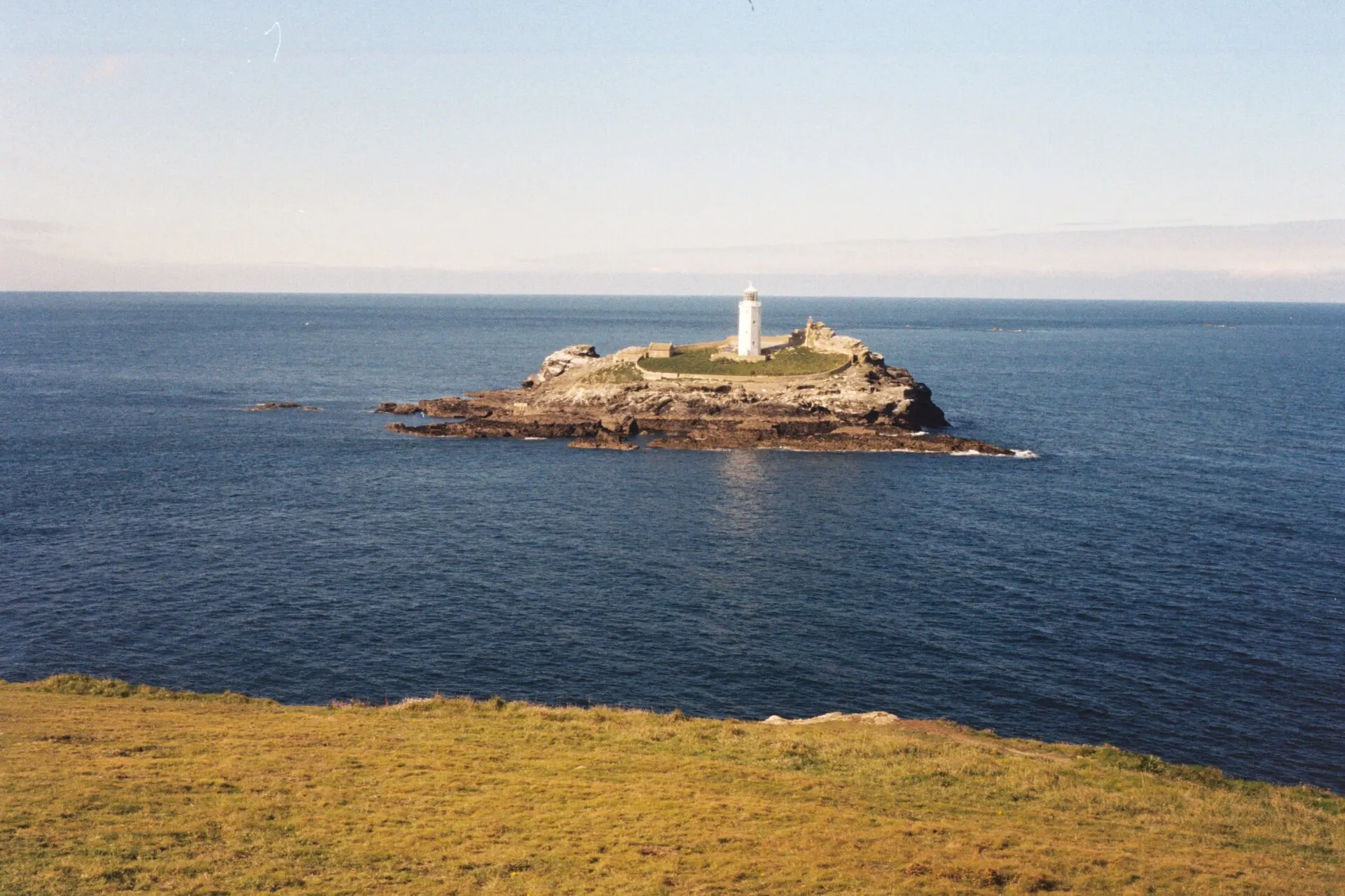
Godrevy, Cornwall, on Kodak ColorPlus 200Photo: chris lovelock, CC BY 2.0 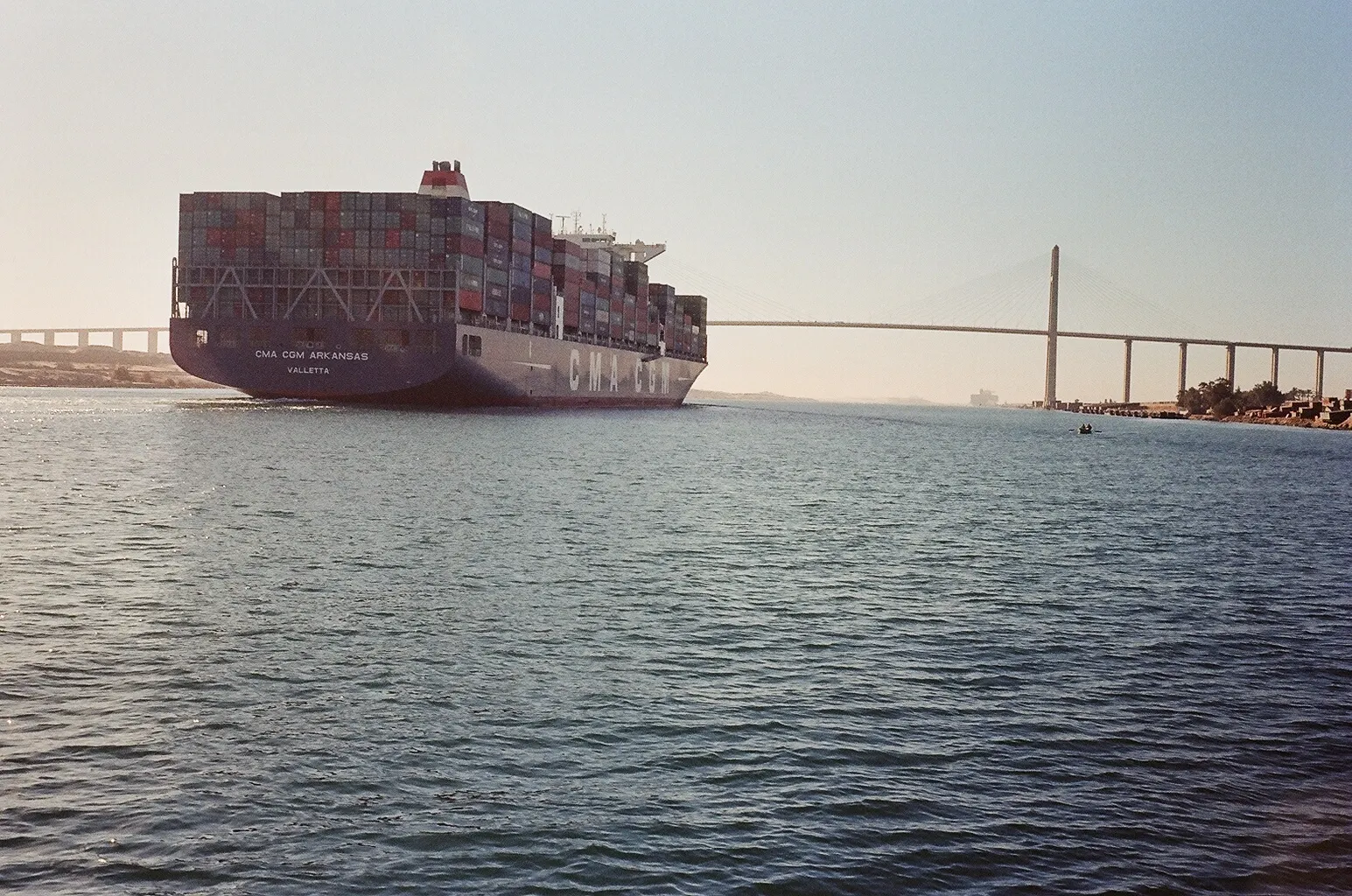
Qantara, Suez Canal, on Kodak ColorPlus 200Photo: chris lovelock, CC BY 2.0 
Dusk in Schwanau, on Rollei Superpan 200Photo: chris lovelock, CC BY 2.0 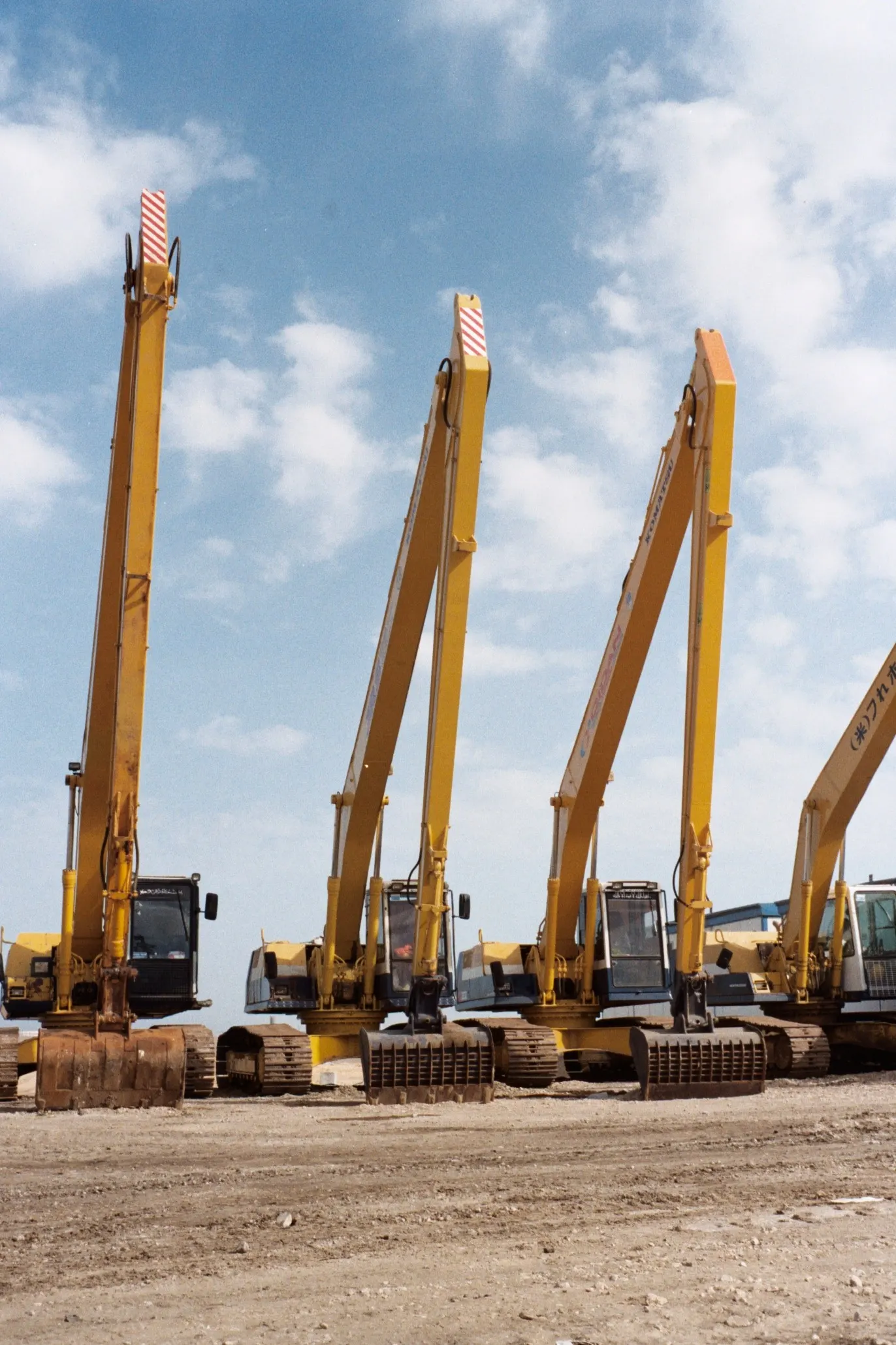
Hydraulic excavators, on Kodak ColorPlus 200Photo: chris lovelock, CC BY 2.0 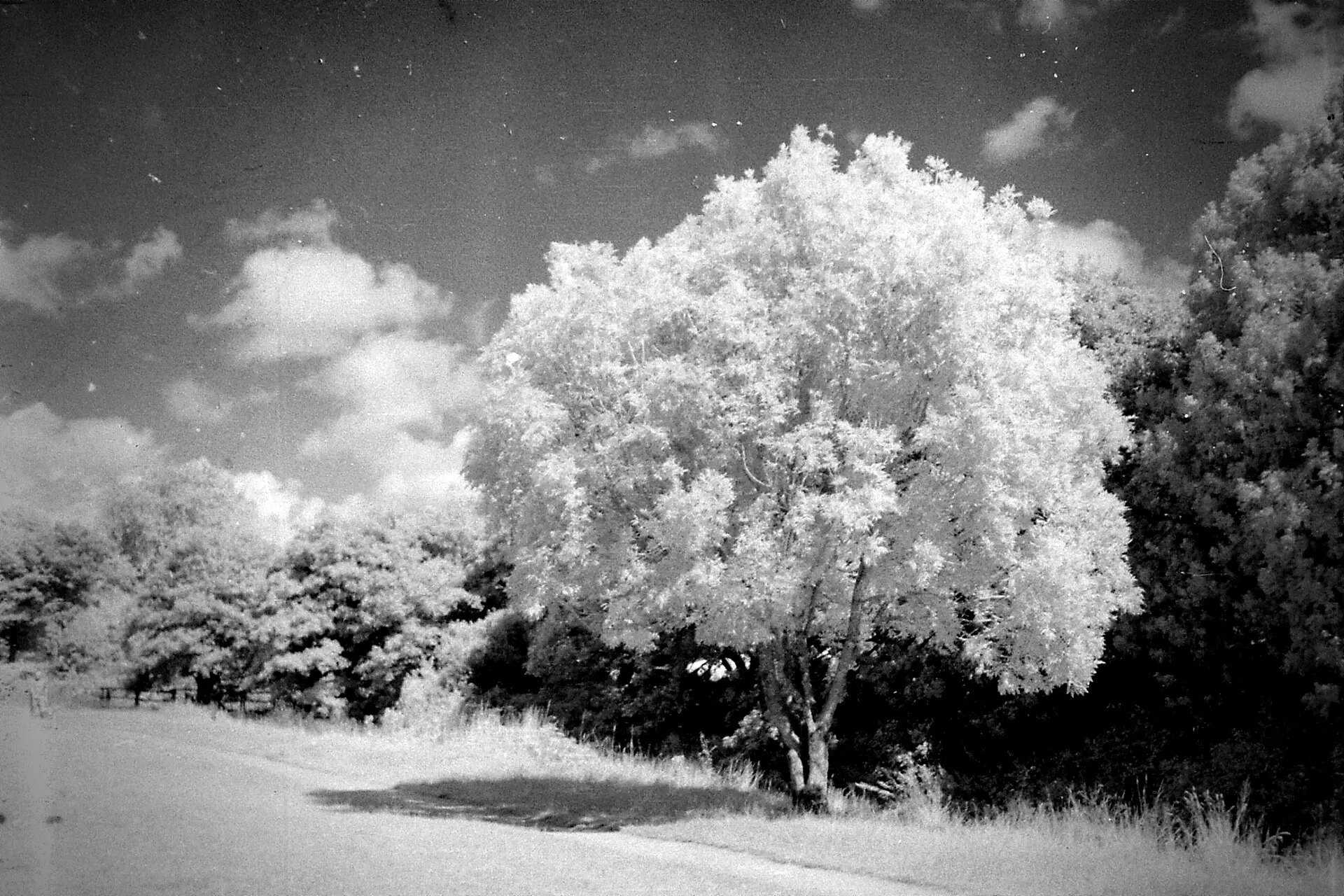
Tree on Rollei infrared filmPhoto: Martin Brigden, CC BY 2.0 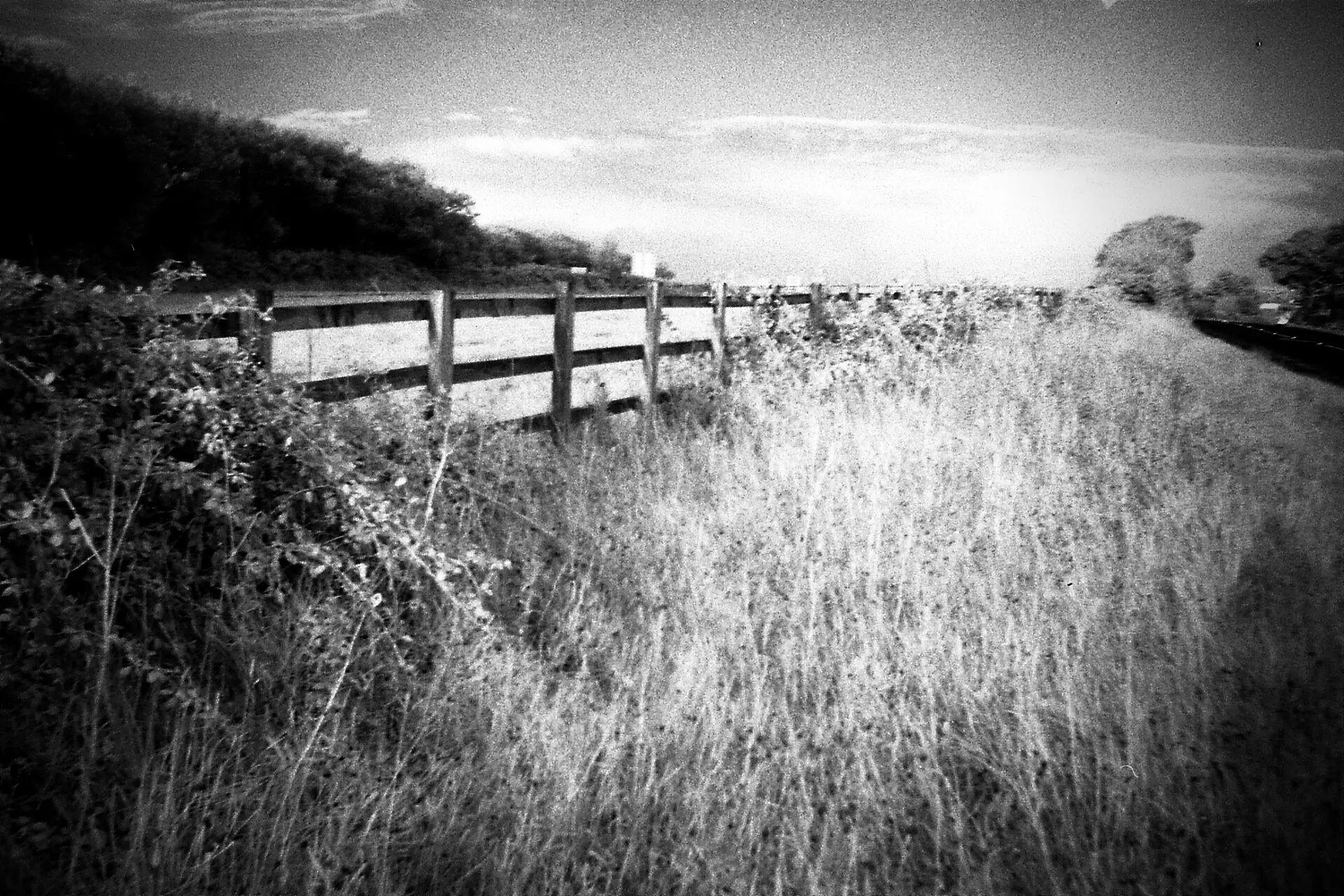
Fence on Rollei infrared filmPhoto: Martin Brigden, CC BY 2.0
How much is an Olympus Trip 35 worth in 2026?
Restored or certified Trip 35s listed at $230 to $349.99 at the shops checked on October 28, 2026, and the one US-based shop, Cute Camera Co. in Austin, charged $269.99 to $349.99 depending on cosmetic grade. Unserviced cameras cost much less: Analog.Cafe put most copies at $20-120 in 2024 depending on condition, and IJM Photography's May 2026 guide budgets 70 to 135 euros for a solid working copy in Europe. Most of the gap is the service, so price a repair before you buy cheap.
Cute Camera Co. (Austin, Texas)
Restored, Average cosmetic grade, 60-day returns, Camera with lens, fully functional, most visible wear
$269.99
See listingCute Camera Co. (Austin, Texas)
Restored, Good cosmetic grade, 60-day returns, Same restoration, moderate wear
$299.99
See listingCute Camera Co. (Austin, Texas)
Restored, Very Good cosmetic grade, 60-day returns, Same restoration, lightest wear
$349.99
See listingCamera Market (cameramarket.us)
Excellent, 28-point inspection, 6-month warranty, Sale price; lower grades out of stock
$281
See listingKamerastore (Finland, ships to the US)
Certified: tested and graded, with warranty, One unit in stock
$238
See listingKamerastore (Finland, ships to the US)
Rescue: tested, flaws listed, no warranty, Aperture does not fully open at f/2.8 in flash mode, minor finder haze, needs new seals
$126
See listingContrail Camera (Japan)
Restored, tested with film, 1-year warranty, Custom leather colors; sold out when checked
$230
See listing
Prices checked on October 28, 2026. They move every week, so treat them as a range, not a quote. eBay hides sold prices behind a sign-in and its active listings could not be verified automatically, KEH showed all three of its Trip 35 listings as temporarily unavailable, MPB had none and B&H had no match, so none of them appear here. Kamerastore (Finland), Camera Market (its page lists EU shipping times) and Contrail Camera (Japan) price in US dollars but are not US shops.
Video reviews worth your time

Olympus Trip 35 - A Vintage Point and Shoot Camera (Review)
The Olympus Trip 35 is a durable, battery-free compact camera with a sharp 40mm lens that makes an excellent travel companion.

Why The Olympus Trip 35 Is So Damn Popular (Review & How To)
The Olympus Trip 35 is a simple, portable, and solar-powered film camera with a sharp lens, though its automatic metering can struggle in high-contrast conditions and older units may suffer from worn light seals.

Olympus Trip 35 film camera review
The Olympus Trip 35 is a simple, battery-free point-and-shoot film camera with a sharp lens, though its zone focusing system can occasionally lead to misfocused shots.

Olympus Trip 35 - Camera Review
The Olympus Trip 35 is a fun and stylish casual camera for everyday snapshots, though its aging selenium light meter can cause severe exposure issues.

The Simplicity of the Olympus Trip 35
The Olympus Trip 35 is an easy-to-use, battery-free 35mm film camera that produces surprisingly sharp images and is great for both beginners and experienced photographers.
Specifications
Camera and history
- Production
- 1967 to 1984
- Shutter button
- Silver metal until June 1978, black plastic after
- Black version
- Black-paint brass body, made for only two years
Lens and focus
- Aperture
- f/2.8 to f/22
- Closest focus
- 0.9 m (Kamerastore); Analog.Cafe gives 1 m
- Filter size
- 43.5mm screw-in, 45mm slip-on
Exposure and flash
- Film speed
- ISO 25 to 400 (early cameras to ISO 200)
- Low-light lock
- Red flag in the finder, shutter will not fire
- Battery
- None
- Bulb and self-timer
- Neither
- Cable release
- Shutter button is threaded for one
Body
Questions people ask about the Trip 35
Is the Olympus Trip 35 a good camera?
For daylight and travel shooting, owners and reviewers say yes: Jim Grey calls his a keeper, and the 40mm f/2.8 lens is the most praised part of the camera. The limits are real: four-zone guess focusing, two shutter speeds, a top film speed of ISO 400 and a selenium meter that wears out. Because of that last point, a tested or serviced copy matters more than with most cameras.
Sources: blog.jimgrey.net, casualphotophile.com, en.wikipedia.org
How much is an Olympus Trip 35 worth?
In October 2026, restored, fully working copies listed at $269.99 to $349.99 at Cute Camera Co. in Austin, and at $230 to $281 at Contrail Camera (Japan), Kamerastore (Finland) and Camera Market, which lists EU shipping times. Unserviced copies sell for far less: Analog.Cafe put most at $20-120 in 2024, with the black-paint version about $50 more. Max Kent valued a working one at around $100-125 in 2022.
Sources: cute.camera, cameramarket.us, analog.cafe, maxkent.co.uk
Does the Olympus Trip 35 need a battery?
No. The light meter is a selenium cell around the lens that is powered by light, and the shutter and aperture are mechanical, so there is no battery to buy or replace. With nothing to switch on, a shutter button that will not go all the way down can mean the red flag is up: add light or turn the aperture ring off A. The trade-off is that the cell slowly wears out, so keep the lens cap on when you are not shooting.
Sources: en.wikipedia.org, cute.camera, alexroddie.com, flickr.com
What are the shutter speeds on the Olympus Trip 35?
Two: 1/40 s and 1/200 s, chosen automatically in A mode along with an aperture from f/2.8 to f/22. If you pick an f-stop by hand, the shutter stays at 1/40 s, which is meant for flash. Shoot It With Film says the camera still picks a speed in that case, but most sources say 1/40 s. There is no bulb setting, but the shutter button is threaded for a cable release.
Sources: en.wikipedia.org, schneidan.com, analog.cafe, shootitwithfilm.com
What does the red flag in the Olympus Trip 35 viewfinder mean?
It means there is not enough light for a correct exposure in A mode, and it locks the shutter, which is why the button will not go down. Add light, use a flash, or turn the aperture ring to f/2.8 to shoot at 1/40 s. If the flag never appears when you cover the lens, the meter or the aperture blades may be faulty.
Sources: camera-wiki.org, flickr.com, robmiles.com
Is the Olympus Trip 35 lens good?
Owners think so: 14 of 16 comments on the lens are positive. The 40mm f/2.8 D.Zuiko is a four-element, Tessar-type design that Casual Photophile and Daniel J. Schneider describe as sharp edge to edge. 35mmc's reviewer found the frame edges a bit soft at dusk, when he assumed the lens was near f/2.8, and High5 Cameras saw ghosting against a bright sky.
Sources: casualphotophile.com, schneidan.com, 35mmc.com, high5cameras.com
Where can I find an Olympus Trip 35 for sale?
Shoot It With Film says they are still fairly easy to find on eBay, Etsy, KEH and at local camera shops, and recommends a reputable seller who has serviced the camera. Restored copies with a return window come from specialists such as Cute Camera Co. in Austin. If you buy untested, do the red flag and aperture checks before paying.
Sources: shootitwithfilm.com, cute.camera, robmiles.com
Can you use the Olympus Trip 35 at night?
Only with help. The slowest speed is 1/40 s and the film dial stops at ISO 400, so the red flag can block night shots. Shoot It With Film's writer got better-than-expected night photos on Kodak Ultramax 400 without a flash or tripod, and the f/2.8 trick or a flash on the hot shoe or PC socket covers the rest.
Sources: shootitwithfilm.com, austerityphoto.co.uk, schneidan.com
What people compare it with
Alex Roddie compares them as adventure cameras: the XA2 weighs 233 g with film against the Trip's 420 g and its shutter runs from 2 s to 1/750, but it needs two SR44 batteries and has more electronics that make repairs harder.
For mostly indoor shooting, a reply on Casual Photophile's review suggests a cheap point-and-shoot with a built-in flash instead of the Trip; the Sure Shot is that kind of camera, with autofocus and a built-in flash.
Autofocus, a 35mm f/2.8 lens and a weather-resistant body in a pocket clamshell. Vintage Camera Hut says that reputation has pushed prices up, and it needs batteries.
Olympus 35 RD
A Shoot It With Film commenter argues that for around the same price it gives a 40mm f/1.7 lens, a rangefinder, speeds from B to 1/500 s and shutter-priority auto; another reader replies that it has its own flaws.
Every source behind this page
Read them yourself. How we pick and count them is in our methodology.
Show all 54 sources
Independent blogs 18
- 35mmc: Olympus Trip 35 Review
- Daniel J. Schneider: Olympus Trip 35
- Analog.Cafe: Olympus Trip 35 Film Camera Review
- Max Kent: The Olympus Trip 35 Review
- High5 Cameras: Olympus Trip 35 Review
- shot on film: Olympus Trip 35 Review
- Camera Go Camera: Olympus Trip 35
- My Wandering Voyage: The Olympus Trip 35
- Cameras By Max: Featured Camera: The Olympus Trip 35 - beginner 35mm film camera
- Roamer Photography: The Olympus Trip 35
- Austerity Photography: Yet another Olympus Trip 35 Review
- Everything Vintage: The Super Olympus Trip 35 camera
- Olympus Trip UK: My Story... with my Olympus Trip 35 and why professional servicing really matters.
- Teeritz blog: Olympus Trip 35 Repair Coming Up...If I Can Just Undo ...
- Rob Miles: Olympus Trip 35
- Down the Road: Olympus Trip 35
- Down the Road: Olympus Trip 35, revisited
- Down the Road: Updated review: Olympus Trip 35
Manuals and references 17
- brooklynfilmcamera.com: Film Camera Repair Cost
- brooklynfilmcamera.com: How Much Is a Film Camera? 2026 Prices by Type
- camera-wiki.org: Olympus Trip 35 - Camera-wiki.org
- cameramarket.us: Olympus Trip 35 - Compact 35mm Analog Camera with Zuiko 40mm f/2.8 Lens
- contrail-camera.com: Olympus Trip 35 Refurbished | Custom Leather Colors | Contrail
- cute.camera: Olympus Trip 35
- en.wikipedia.org: Olympus Trip 35
- ijmphotography.net: Olympus Trip 35 Review
- jfrfilm.co.uk: Olympus Trip 35 Repairs & Servicing
- kamerastore.com: Olympus Trip 35 - Camera
- kamerastore.com: Olympus Trip 35
- mattsclassiccameras.com: Olympus Trip 35
- olympustrip.co.uk: The Ultimate Olympus Trip 35 FAQ (2026 Guide)
- olympustrip.co.uk: The Olympus Trip 35 - Buyers Guide
- photo-utopia.blogspot.com: Photo Utopia
- travels.clayduda.com: Resources to Repair an Olympus Trip 35
- alexroddie.com: The adventure film camera comparison no one asked for
Forums 10
- Flickr: Olympus Trip 35 group: Olympus Trip 35
- Flickr: Olympus Trip 35 group: Olympus Trip 35
- Flickr: Olympus Trip 35 group: Discussing Dismantling the Trip. in Olympus Trip 35
- Flickr: Olympus Trip 35 group: Olympus Trip 35 meter needle fix
- Flickr: Olympus Trip 35 group: Flickr: Discussing First ever roll - mixed results, lot of grain in Olympus Trip 35
- Flickr: Olympus Trip 35 group: Flickr: Discussing first time out with the legendary trip 35 in Olympus Trip 35
- Flickr: Olympus Trip 35 group: Flickr: Discussing Repair Olympus Trip 35 in the UK. in Olympus Trip 35
- Flickr: Olympus Trip 35 group: Flickr: Discussing Bought a OT35 and...omg... :_ _( well..i would like to know... in Olympus Trip 35
- TalkPhotography: Is the Trip light meter prone to underexpose?
- Manual Focus Lenses forum: Olympus Trip 35 Questions
Video reviews 5
- Analog Insights: Olympus Trip 35 - A Vintage Point and Shoot Camera (Review)
- Max Kent: Why The Olympus Trip 35 Is So Damn Popular (Review & How To)
- Tom Edwards: Olympus Trip 35 film camera review
- Authentic Aesthetic: Olympus Trip 35 - Camera Review
- Daniel James Bird: The Simplicity of the Olympus Trip 35
Editorial reviews 4
Keep reading
Film cameras
The best point-and-shoot film camera for most people is the Olympus Mju II, about $250-$600 used. Eight picks from $34.99 to $2,000, prices checked Oct. 2026.
Film cameras
The best film camera for beginners is usually a used Canon AE-1 Program or Pentax K1000. Compare 8 picks, October 2026 US shop prices and what to check first.
Film cameras
Where to buy film cameras used in the US: KEH, MPB, B&H, local shops, eBay and thrift, with warranties, October 2026 prices and a checklist to test one.
Film stocks
Kodak UltraMax 400 vs Gold 200: UltraMax is one stop faster for shade, indoors and reusable cameras. Gold is warmer and cheaper, about $8.45 to $10 a roll.
Techniques and editing
The sunny 16 rule: f/16 at 1/ISO in clear sun, wider for clouds and shade. Chart by ISO, backlight fixes, zone focusing presets and how to meter film.
Film cameras
What 152 owner and reviewer opinions say about the Olympus XA: tested copies at $301-$410 in October 2026, its sharp f/2.8 lens, faint rangefinder and faults.