Kodak Gold 200: what it looks like and how to shoot it
The short answer
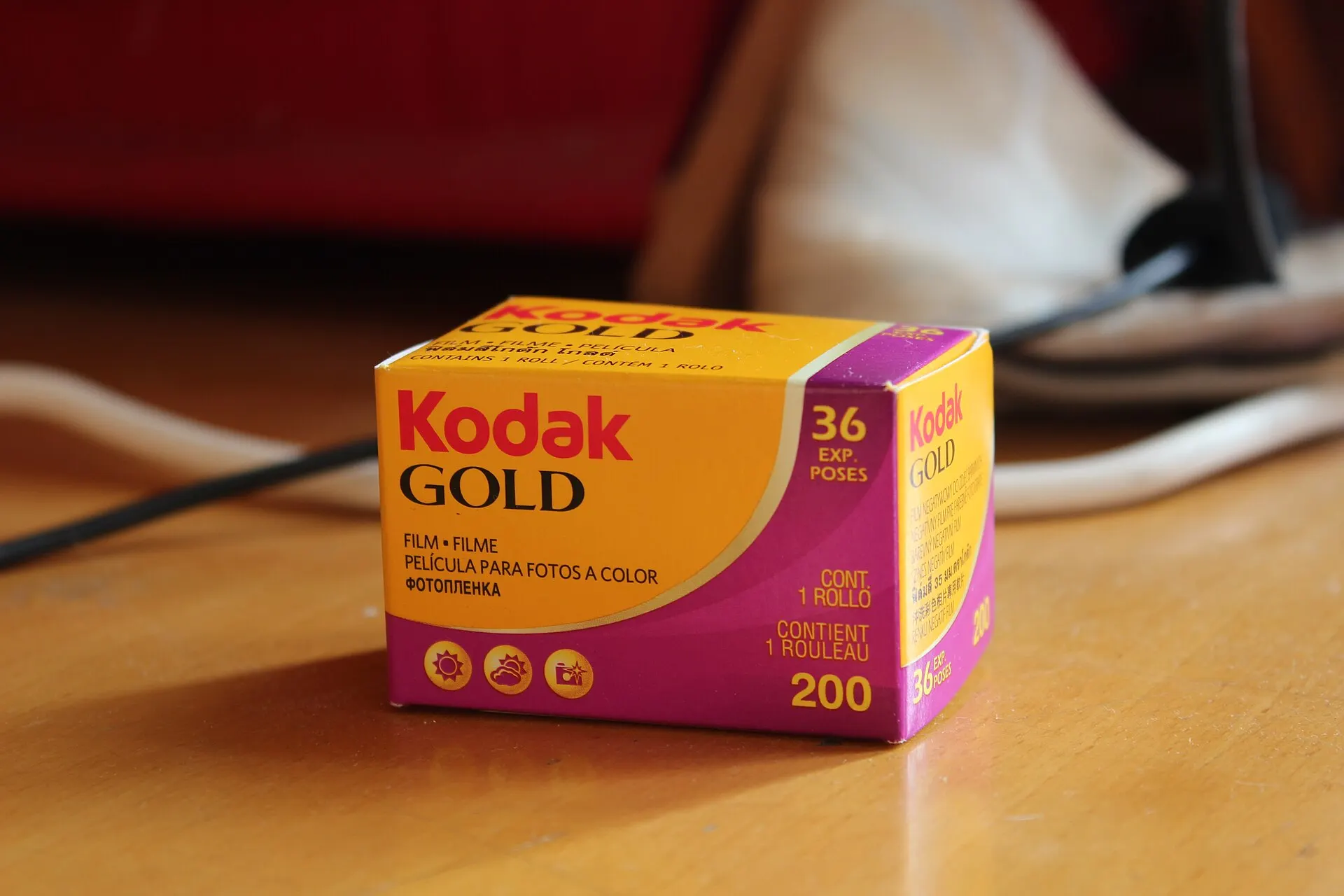
Kodak Gold 200 is a daylight-balanced ISO 200 color negative film (C-41) sold in 35mm and 120, and a 36-exposure 35mm roll costs $8.99 to $10.90 at US camera shops (October 2026).
Owners and reviewers like its warm, sunny color, flattering skin tones and low price, and Kodak rates its latitude at two stops under to three stops over. The trade-offs are grain that shows more than on Portra or Ektar and muddy, off-color results in dim or artificial light.
- Speed
- ISO 200
- Process
- C-41
- Formats
- 35mm and 120
- Latitude
- 2 stops under, 3 over
Built from 139 opinions from 33 pages and videos. Not yet tested by Camera Dojo. Updated .
The short version
Gold 200 is the film people reach for on a bright day out: travel, the beach, street, family snapshots. Reviewers describe the look in the same few words: warm, nostalgic, golden hour. Many also call it sharp and forgiving for a film this cheap. It wants light, though. On gray days, indoors and at night it struggles, and the shadows turn grainy if you underexpose. If you often shoot in dimmer light, see how it stacks up in Kodak Gold 200 vs Ultramax 400.
Good fit if
- You shoot outdoors in good light: trips, beach days, street, family photos.
- You want warm, nostalgic color and flattering skin tones without paying Portra prices.
- You are new to film and want a cheap color stock that tolerates some overexposure.
- You shoot 120 and want a cheaper everyday roll than Portra or Ektar.
Think twice if
- You shoot mostly indoors, at night or on cloudy days without flash. A faster film such as Kodak Ultramax 400 suits that better.
- You want fine grain for big prints or detailed landscapes. Ektar 100 and Portra 160 are finer.
- You want neutral color. Gold leans warm and yellow, and harsh midday sun can push it further.
- You shoot under tungsten or mixed indoor light and don't want to correct colors afterward.
Photos shot on Kodak Gold 200
Photos shot on Kodak Gold 200 in 35mm and 120, shared under free licenses on Wikimedia Commons.

Duliang Pavilion, Xuyi County, China, 2022, shot on an Olympus IS-5000Photo: Willwongprd, CC BY-SA 4.0 
Oca pavilion, Ibirapuera Park, Sao Paulo, 2024, Holga 120NPhoto: Prburley, CC BY 4.0 
Oslo, 2023Photo: Erik, CC BY 2.0 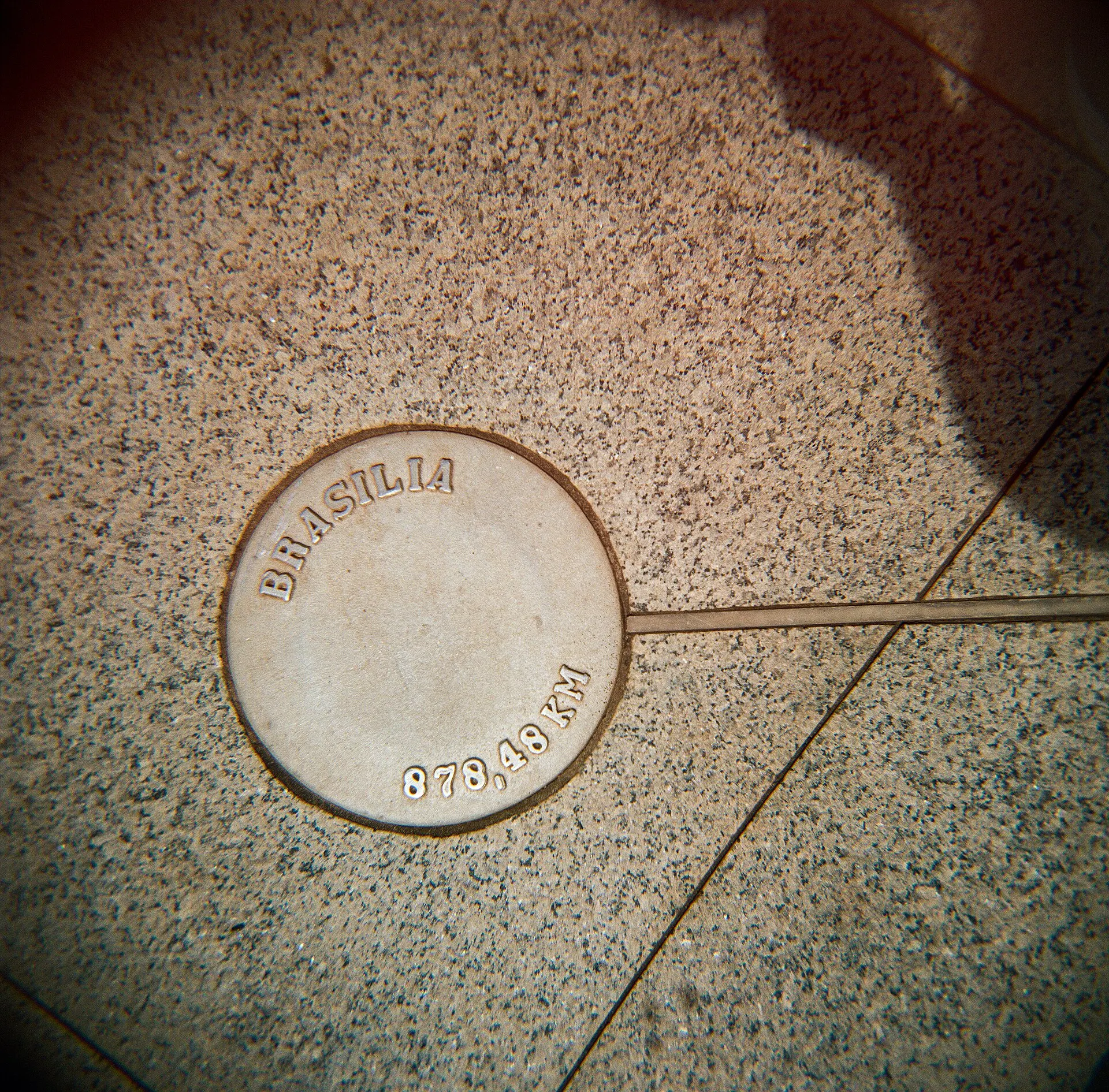
Marco Geodesico da America do Sul, Cuiaba, Brazil, 2024, Holga 120NPhoto: Prburley, CC BY 4.0 
Moscow, February 2002, shot on an Olympus mju-IIPhoto: trolleway, CC BY 2.0
What owners and reviewers say, topic by topic
We sorted 139 opinions about the Gold 200 from 33 pages and videos on 25 websites and channels. Each row shows how many people raised a topic and how many of them were positive. Open a row to read short quotes, each linked to its source.
Most of these opinions come from photographers' blogs, editorial reviews and YouTube. Reddit, Photrio and big-retailer reviews could not be read, so everyday owner voices are thinner than we'd like and the mix leans positive. Several reviewers shot the 120 version, and two had ties to the brand: Tony Wodarck says Kodak invited him to beta test the 120 film before its launch, and the Focus Nordic reviewer is an ambassador for that Nordic Kodak distributor. No source discussed halation, so that topic is missing.
Color55% positiveof 22
Most reviewers like the warm color, with reds, yellows and greens that glow in sunlight. A sizable minority report casts, from yellow in harsh light to a magenta lean, and two found the 120 version cooler than 35mm.
“very vivid, saturation on the Kodak gold was good, bumped just a little higher in post”
35mmc 2024-10Owner
“It has great color that isn’t too saturated like Kodak Ultramax, and the colors are well balanced.”
Aly's Vintage Camera Alley 2019-11Owner
“reds are quite off, they don’t pop up like other films do”
carlos garcia, Kodak Gold 200 Review 2017-03Hands-on review
“Gold will saturate purples and greens more than other colours”
Dmitri, Analog.Cafe, Kodak Gold 200 Film Review 2022-05Hands-on review
Grain33% positiveof 18
Opinion is split. Some call the grain fine for a consumer film, but most who compare it with Portra, Ektar or Fujicolor C200 find it more visible.
“The grain is very noticeable; nothing compared with Ektar 100 or even Portra 400 where grain is not noticeable”
“It has higher contrast and less grain than ColorPlus”
Martin H, 35mmc 2026-04Owner
“Kodak Gold 200’s grain is about 19% larger than that of Ektar”
Dmitri, Analog.Cafe, Kodak Gold 200 Film Review 2022-05Hands-on review
“Gold 200 has more visible grain than Ektar 100 and Portra 160/400”
Bjørn Joachimsen, Focus Nordic product reviewHands-on review
Exposure latitude47% positiveof 17
Many call it forgiving, but several say shadows go muddy when underexposed and that it has less latitude than Portra.
“In my experience with this film, especially in 35mm, it can be very easily under exposed.”
Aly's Vintage Camera Alley 2022-06Owner
“It’s a great film for beginners too because it’s surprisingly forgiving”
Myles Katherine Photography 2023-10Owner
“Kodak Gold is a versatile film with wide exposure latitude and is a good general-purpose film”
Martin H, 35mmc 2026-04Owner
“it seems to have been right on the edge of losing detail in those people’s faces, although it did just hold on”
Lee, My Favourite Lens 2020-04Owner
Overall look87% positiveof 15
The warm, sunny, nostalgic look is the main reason people buy it. Two reviewers call it decent but not a favorite.
“It’s got a nice warm tone. Works really well for autumn foliage shots.”
“Bright pops of color, a warm glow around the edges of most things in your frame”
“It just has that magical sunshine glow that makes everything look like golden hour.”
Myles Katherine Photography 2023-10Owner
“It feels like a bit of everything without really excelling at anything.”
Martin H, 35mmc 2026-04Owner
Skin tones86% positiveof 14
Almost everyone who mentions skin likes it: warm and natural in good light. The two mixed voices say it needs the right light and that reds look a little subdued on 120.
“Kodak Gold 200 also works well for portraits.”
Aly's Vintage Camera Alley 2019-11Owner
“I loved it for the skin tones in portraiture work”
“I think Kodak Gold 200 is better with skin tones and retaining detail in the highlights”
EMULSIVEOwner
“not a bad portrait stock if you’re in the right light”
Price and availability86% positiveof 14
Praised as one of the cheapest and easiest color films to find, and as a cheaper alternative to Portra in 120. Two reviewers say it is no longer dirt cheap: Long Weekend thinks prices skyrocketed, and Tahusa calls it not exactly cheap but affordable.
“Lately, it’s actually one of the cheapest films you can buy”
Myles Katherine Photography 2023-10Owner
“Gold is my favourite for landscapes I think. And also reasonably affordable.”
35mmc 2026-07Owner
“It’s one of the most affordable films out there, but that’s not the only reason I love using it.”
Aly's Vintage Camera Alley 2019-11Owner
“I think the prices for Gold 200 skyrocketed because it’s such a solid alternative to the Portra family.”
Low light and night10% positiveof 10
The clearest weakness: most say ISO 200 struggles on cloudy days, indoors and at night, and artificial light gives odd colors. One owner found it held up fairly well indoors.
“Kodak Gold does not thrive in cloudy conditions”
Ivan Studynskyi, 35mmc 2020-02Owner
“Lower ISO means it struggles with dynamic range in low light.”
“it can produce muted colour shots in low light conditions”
Tahusa, Kodak Gold 200 120 review 2023-03Hands-on review
“As an ISO 200 film, you don’t really want to be shooting Kodak Gold on dreary days anyway.”
Lee, My Favourite Lens 2020-04Owner
Scanning and printing44% positiveof 9
Several reviewers say it scans easily, but just as many stress that the lab scan or your own color correction changes the result as much as the film does.
“Kodak Gold 200 is easy to scan.”
Dmitri, Analog.Cafe, Kodak Gold 200 Film Review 2022-05Hands-on review
“One of the best parts about this film is it’s easy to scan.”
Alex Luyckx | Blog, Film Review Blog No. 67 2021-01Hands-on review
“your film lab can have a huge impact on how your final results turn out”
Myles Katherine Photography 2023-10Owner
“I find that the scanning often makes more difference than the film stock itself.”
Ilya, 35mmcOwner
Sharpness and detail88% positiveof 8
Reviewers consistently call it sharp for the money. One video reviewer finds it slightly soft, which he says flatters portraits.
“I find it to be super sharp and reliable too.”
Myles Katherine Photography 2023-10Owner
“Kodak Gold has a decent sharpness and fine grain for a consumer-grade film”
Ivan Studynskyi, 35mmc 2020-02Owner
“Kodak Gold is a very sharp film”
Dmitri, Analog.Cafe, Kodak Gold 200 Film Review 2022-05Hands-on review
“Gold 200 delivers fine-grained and very sharp images”
Bjørn Joachimsen, Focus Nordic product reviewHands-on review
Pushing and pulling43% positiveof 7
Reviewers report usable results pulled to 100 or pushed to 400. A push adds contrast, saturation and grain, and some still found box speed looked best.
“I am pretty happy with the results, especially shot at EI 80 and pulled accordingly”
35mmcOwner
“The film withstands underexposure quite well (slightly better than professional films).”
Dehancer, Films at different exposures: Kodak Gold 200Hands-on review
“it's best to shoot this stock at box speed for reliable results”
“Gold 200 took the pull well and the push okay.”
Alex Luyckx | Blog, Film Review Blog No. 67 2021-01Hands-on review
Consistency80% positiveof 5
Most say it gives predictable results roll after roll, even in simple cameras. One commenter has had mixed results.
“It did everything I wanted it to do, always.”
“the film meets my expectations every time”
Bjørn Joachimsen, Focus Nordic product reviewHands-on review
“as an affordable daily snapper, I’ve never had any real gripes”
Michael Nguyen, Japan Camera Hunter 2022-07Hands-on review
“I have had mixed results with this film, sometimes I love it, sometimes not so much”
imaje, 35mmcOwner
PositiveMixedNegative
How to shoot Kodak Gold 200
Gold 200 is simple to use. The main rule is to give it plenty of light.
- 1
Set the camera to ISO 200
The 35mm cartridge is DX-coded, so most automatic cameras set the speed themselves. On a manual camera, set the ISO dial to 200.
- 2
Shoot in daylight
Lens Lurker says it does best in bright daylight. For average frontlit subjects, Kodak's data sheet suggests 1/250 second at f/11 in bright or hazy sun with distinct shadows, f/8 in weak hazy sun, f/5.6 when it's cloudy bright, f/4 in heavy overcast or open shade and f/16 in bright sun on light sand or snow. The sunny 16 rule explains how to work without a meter.
- 3
Meter for the shadows and lean over
Kodak lists more room for overexposure (three stops) than underexposure (two). Decaf Journal rated every frame at ISO 100, and Lens Lurker shoots it at box speed or one stop over, because underexposed shadows turn grainy and muddy.
- 4
Use flash indoors
The film is balanced for daylight and electronic flash. Carlos Garcia found direct flash balanced its yellow cast and gave contrasty portraits.
- 5
Use a tripod for night scenes
Kodak's data sheet says no exposure or filter adjustment is needed from 1/10,000 second to 1 second, so exposures up to a second need no extra compensation. Put the camera on a tripod.
- 6
Load in dim light and send it to a C-41 lab
Kodak's data sheet says to load and unload the camera in subdued light. Any lab that develops color negative film can process it.
Sources: carlosgrphoto.com, myfavouritelens.com, lenslurker.com, business.kodakmoments.com, kodak.com, decafjournal.com, mpex.com, longweekendgear.com
Can you push or pull Kodak Gold 200?
Yes, within limits. Long Weekend says you can rate Gold 200 at ISO 100 (a pull) or ISO 400 (a push), but recommends box speed for reliable results. Alex Luyckx shot it at 100, 200 and 400 with normal processing and found it took the pull well and the push okay.
A real push means rating it at 400 and asking the lab to extend development. The Darkroom charges $2 for push or pull processing and says a push adds contrast and often makes grain more noticeable. Ivan Studynskyi's pushed roll on 35mmc came back more saturated and punchier. Emulsive's bracketing test, two stops either side, still found box speed looked best.
Sources disagree on which way to miss. Kodak allows three stops of overexposure and two of underexposure, and Lens Lurker thinks it looks best a little overexposed. Dehancer's exposure test found the opposite: it handled underexposure slightly better than professional films and overexposure worse. More on the technique in how to push and pull film.
When you send a pushed roll to a mail-in lab, The Darkroom asks you to note the stops on the order form and on the canister.
Sources: longweekendgear.com, alexluyckx.com, thedarkroom.com, 35mmc.com, emulsive.org, kodak.com, lenslurker.com, dehancer.com
Kodak Gold 200 vs Ultramax 400
 Gold 200 | 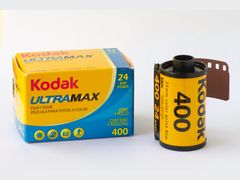 Ultramax 400 | |
|---|---|---|
| Speed | ISO 200 | ISO 400, one stop faster |
| Print Grain Index (4x6 print from 35mm) | 44 | 46 |
| Color | Warm, yellow-leaning | Slightly cooler, similar saturation (Focus Nordic) |
| Price | Usually a dollar or two less per roll (Lens Lurker) | Usually a dollar or two more |
| Best light | Bright daylight | Cloudy days, shade, indoors with flash |
Pick the Gold 200 if
- You shoot mostly in sun and want the warmest look for the least money.
- You want slightly less grain: Parallax found Gold less grainy than Ultramax.
Pick the Ultramax 400 if
- You shoot 35mm in dimmer light or indoors and need the extra stop.
- You want one roll that copes with mixed weather on a trip.
Sources: focusnordic.com, lenslurker.com, parallaxphotographic.coop
Kodak Gold 200 vs Portra, Ektar and Kodacolor 200
Kodak's Print Grain Index measures how visible grain is on a print, and lower is finer. On a 4x6 print from 35mm, Focus Nordic gives Gold 200 a 44, against 37 for Portra 400 and 28 for Portra 160. Analog.Cafe works out Gold's grain at about 19% larger than Ektar 100's.
Grain is not the whole story. In good light several reviewers find Gold surprisingly close to Portra: Tony Wodarck saw Kodak colors similar to Portra but a little more muted on the 120 version, and Vuhlandes compared his 120 results to Portra 400. Tahusa and Wodarck both found less latitude than Portra.
| Film | ISO | How it differs from Gold 200 |
|---|---|---|
 Portra 400 | 400 | More neutral color, less saturation, finer grain, sharper (Focus Nordic); more latitude |
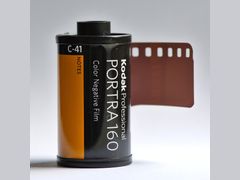 Portra 160 | 160 | More neutral color, finer grain; Tahusa prefers it for portraits |
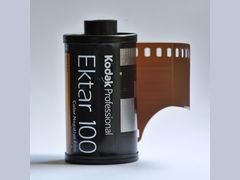 Ektar 100 | 100 | Finer grain and more saturation; Decaf Journal suggests it for landscapes |
| Kodacolor 200 | 200 | Analog.Cafe says it is the same film as ColorPlus, whose grain it found identical to Gold's at 10K DPI |
Gold 200 makes sense when the light is good and price matters; Portra earns its higher price in mixed light and big prints.
Sources: focusnordic.com, analog.cafe, tonywodarck.com, youtube.com, tahusa.co, decafjournal.com, analog.cafe, analog.cafe
Kodak Gold 200 in 35mm vs 120
Gold 200 came back in 120 in March 2022 as a five-roll pro-pack, the first time it had been offered in that format since Kodak Gold replaced the earlier Kodacolor Gold emulsion in 1997, per Kosmo Foto. Kodak said it intended to price it 25 percent lower than comparable Portra and Ektar 120 films.
The 120 film is coated on a 3.94 mil (0.10 mm) Estar base, while Glazer's lists the 35mm film on a 0.13 mm (4.92 mil) acetate base. Reports differ on the emulsion: Exibart Street calls the 120 a new formula compared with the old 120 Gold, while Emulsive says it is based on the current Gold 200 emulsion.
In use, the bigger negative gives a smoother look, as Aly's Vintage Camera Alley puts it. Japan Camera Hunter and Aly both found their 120 scans cooler than the 35mm Gold they knew, while Long Weekend calls the results nearly identical in color, tone and grain. Unique Photo sells a single 120 roll for $8.55, less than any 36-exposure 35mm roll in the price table below, though a 120 roll holds fewer frames. More on the formats in 35mm vs 120 film.
Sources: filmphotographyproject.com, kosmofoto.com, exibartstreet.com, glazerscamera.com, emulsive.org, alysvintagecameraalley.com, japancamerahunter.com, longweekendgear.com, uniquephoto.com
Developing, scanning and storing Gold 200
Gold 200 is standard C-41 film, so any lab that develops color negatives can process it. Develop-only at Dwayne's Photo starts at $7.50 for 35mm and $10.00 for 120, and The Darkroom's 35mm service with scans starts at $14 (October 2026). Parallax developed a roll at home with a Tetenal Colortec C-41 kit. Compare labs in how much it costs to develop film.
Analog.Cafe and Alex Luyckx both call it easy to scan, but the scan shapes the look. Decaf Journal liked the subdued contrast of a Noritsu HS-1800 lab scan, Myles Katherine scans his own on an Epson V750 and adjusts color afterward, and a 35mmc commenter finds scanning often matters more than the stock. If a roll comes back cyan or magenta, ask for a rescan or correct it yourself; scanning film at home covers the options.
Kodak's storage guidance, as printed on Glazer's product page, is to keep unexposed film at 21°C (70°F) or lower in the sealed package, or 13°C (55°F) for long periods, and to let refrigerated film warm to room temperature before opening it. Kodak's data sheet adds: process film as soon as possible after exposure.
Sources: longweekendgear.com, dwaynesphoto.com, thedarkroom.com, parallaxphotographic.coop, analog.cafe, alexluyckx.com, decafjournal.com, myleskatherine.com, 35mmc.com, glazerscamera.com, business.kodakmoments.com
What a roll of Gold 200 costs
On October 28, 2026, a 36-exposure 35mm roll cost $8.99 to $10.90 at US camera shops with stock, and 120 ran from about $8.50 to about $12 a roll in five-packs, or $8.55 for a single roll. B&H, Adorama, Walmart, Freestyle and KEH could not be checked, so they are not listed.
MPEX
New, 35mm, 24 exposures, single roll
$6.59
See listingProcam (Michigan, Illinois, Ohio)
New, 35mm, 36 exposures, single roll
$8.99
See listingG&S Cameras (Long Beach, CA)
New, 35mm, 36 exposures, single roll
$10.90
See listingThe Shutterbug (Oregon)
New, 35mm, single roll (exposures not stated)
$10.99
See listingLumentation
New, 35mm, 3-pack
$25.99
See listingUnique Photo
New, 120, single roll
$8.55
See listingUnique Photo
New, 120, 5-pack
$42.50
See listingProcam (Michigan, Illinois, Ohio)
New, 120, 5-pack
$59.99
See listingBellows Film Lab (Chicago)
New, sold out, 35mm, single roll, 24 or 36 exposures
$12.00
See listingDistrict Camera (Washington, DC area)
New, sold out, 35mm, 36 exposures, 3-pack
$26.90
See listingGlazer's Camera
New, sold out, 35mm, 36 exposures, 3-pack
$38.95
See listingGlazer's Camera
New, sold out, 120, 5-pack
$49.95
See listing
Prices checked on October 28, 2026. They move every week, so treat them as a range, not a quote. Per roll, Lumentation's 3-pack works out to about $8.66 and Unique Photo's 120 five-pack to $8.50. Several listings were sold out on the day. For a wider view, Analog.Cafe's July 2026 tracker put the average 36-exposure roll at $10.34 across 13 major stores, not all of them in the US.
Technical data
Film
- Speed
- ISO 200 (24°)
- Process
- C-41
- DX coding
- Yes (35mm)
Exposure
Grain and base
- Print Grain Index
- 44 (4x6 print from 35mm)
- 35mm base
- 0.13 mm (4.92 mil) acetate
- 120 base
- 3.94 mil (0.10 mm) Estar
Catalog numbers
Storage
Video reviews worth your time

Testing Kodaks NEW Kodak Gold 200 in Medium Format.
The reviewer praises Kodak Gold 120 for its warm color palette, rich green rendering, and strong similarity to Portra 400 at an expected lower price point.
Kodak Gold 200 - LONG LIVE CONSUMER FILM | ROLL REVIEW
Kodak Gold 200 is a budget-friendly consumer film that delivers warm, saturated images with nostalgic charm, making it a great option for casual daylight shooting despite its noticeable grain and limited low-light performance.

Kodak Gold 200 Color Negative Film Review | All About Film
Kodak Gold 200 is a versatile consumer film stock that delivers beautiful warm tones and skin tones when used in good cameras, though it exhibits moderate grain and contrast in harsh lighting.

Kodak Gold 200 vs Portra 400 | The Best Films For EVERYTHING
The creator shares his film photography trip on the West Coast, highlighting Kodak Gold 200 as a forgiving film stock with great dynamic range.

is Kodak Gold 200 that good? | life on film
Kodak Gold 200 in 120 format delivers clean, attractive results with good detail, making it an extraordinarily budget-friendly alternative to Portra films.
Questions people ask about the Gold 200
Is Kodak Gold 200 good for beginners?
Yes. Kodak rates its latitude at two stops under to three stops over, and reviewers such as Cultured Kiwi and Myles Katherine call it forgiving. It is also one of the cheaper color films. Give it plenty of light, though: underexposed shadows turn grainy and muddy.
Sources: kodak.com, culturedkiwi.com, myleskatherine.com, lenslurker.com
What is Kodak Gold 200 good for?
Daylight shooting: travel, beach days, street, outdoor portraits and everyday scenes. Decaf Journal suggests it for portraits, food, travel and still life, and a finer-grain film such as Ektar 100 for landscapes. It is weakest indoors and on dull, cloudy days.
Sources: decafjournal.com, lenslurker.com, 35mmc.com
What's the difference between Kodak Gold 200 and Ultramax 400?
Ultramax 400 is one stop faster, so it copes better with shade, cloudy days and indoor light. Focus Nordic describes it as slightly cooler with similar saturation and marginally more visible grain, a Print Grain Index of 46 against Gold's 44. Lens Lurker says Gold is usually a dollar or two cheaper per roll.
Sources: focusnordic.com, lenslurker.com
Is Kodak Gold 200 discontinued?
No. Kodak lists Gold 200 in 135 and 120 in its current consumer film range, and it brought back the 120 version in March 2022. On November 3, 2025, Eastman Kodak added a new-look Gold 200 in a retro yellow box to kodak.com; Kodak Alaris had distributed Kodak still films since 2013. The 110 version did end, in the late 1990s or early 2000s, per Wikipedia's list of discontinued films.
Sources: kodak.com, filmphotographyproject.com, kosmofoto.com, en.wikipedia.org
Can you push Kodak Gold 200 to 400?
Yes. Rate it at 400 and ask the lab to push one stop; The Darkroom charges $2 and says pushing adds contrast and often more visible grain. Alex Luyckx called his push okay, but Long Weekend recommends box speed and Emulsive's bracketing test found box speed looked best.
Sources: thedarkroom.com, alexluyckx.com, longweekendgear.com, emulsive.org
Is Kodak Gold 200 a cheap alternative to Portra 400?
In good light it gets close. Vuhlandes compared his 120 results to Portra 400, and Japan Camera Hunter thinks the savings over Portra in 120 are worth it in most conditions. Portra 400 still has finer grain (a Print Grain Index of 37 against 44), more neutral color and more latitude, so it wins in mixed or dim light.
Sources: youtube.com, japancamerahunter.com, focusnordic.com, tonywodarck.com
Can you shoot Kodak Gold 200 indoors?
Yes, with flash, which matches its daylight balance. Under tungsten bulbs it turns yellow and under fluorescent tubes it can go green, per Cultured Kiwi, and Kodak's data sheet calls for an 80A filter and ISO 50 under 3200 K tungsten. Without flash, Decaf Journal says you need a lens around f/1.4 or faster.
Sources: culturedkiwi.com, business.kodakmoments.com, decafjournal.com
Is Kodak Gold the same as ColorPlus or Kodacolor 200?
Reviewers disagree. Analog.Cafe's side-by-side found Gold and ColorPlus grain identical at 10K DPI, and it concluded that Kodacolor 200 is the same film as ColorPlus. Others see a gap: Parallax found Gold more vibrant, and a 35mmc writer found higher contrast and less grain than ColorPlus.
Sources: analog.cafe, analog.cafe, parallaxphotographic.coop, 35mmc.com
What people compare it with
One stop faster for cloudy days and indoor light, with slightly cooler color and marginally more grain.
Finer grain, more neutral color and more latitude for mixed light, at a higher price.
Much finer grain and more neutral skin tones for portraits in good light.
Finer grain and stronger saturation for landscapes and travel when grain matters.
Every source behind this page
Read them yourself. How we pick and count them is in our methodology.
Show all 58 sources
Manuals and references 25
- bellowsfilmlab.com: Kodak Gold 200 - 35mm
- business.kodakmoments.com: KODAK GOLD 200 Film
- emulsive.org: 25% cheaper than both Portra and Ektar: the return of Kodak Gold 200 film in 120 format
- en.wikipedia.org: List of discontinued photographic films
- filmphotographyproject.com: Kodak Moments Announces New 120 Format GOLD 200 Film
- gscameras.com: Kodak Gold 200 Color Negative Film, 35mm, 36 Exposures
- kosmofoto.com: Kodak Gold 200 released in 120 format
- kosmofoto.com: Kodak now offers new-look Gold 200 and Ultramax 400 alongside Kodacolor films
- lumentation.com: 35mm Kodak GOLD 200 Three Pack
- mpex.com: Kodak Gold 200 Color Negative Film - 35mm Roll Film
- procam.com: Kodak GOLD 200 Color Negative Film (35mm Roll Film, 36 Exposures) at PROCAM | Shop Camera, Photo & Video Equipment | In-Stock, Lowest Prices. Same Day Shipping
- procam.com: Kodak Professional Gold 200 Color Negative Film (120 Roll Film) 5-Pack at PROCAM | Shop Camera, Photo & Video Equipment | In-Stock, Lowest Prices. Same Day Shipping
- thedarkroom.com: 35mm Film Developing by Mail - From $14
- thedarkroom.com: Film Developing FAQs
- uncanny.bingo: 5 Frames of (Extremely Expired) Kodak Gold 200
- analog.cafe: Kodak Gold and Ultramax are now redesigned and sold directly by the Rochester film factory.
- districtcamera.com: Kodak GOLD 200 Color Negative Film (35mm Roll Film, 36 Exposures, 3
- dwaynesphoto.com: Film Processing Services
- exibartstreet.com: Kodak Bring Back the Gold 200 Film Stock in 120 Medium Format
- glazerscamera.com: Kodak Professional Gold 200 Color Negative - 120 Film, 5 Pack
- glazerscamera.com: Kodak Gold 200 Color Negative - 35mm Film, 36 Exposures, 3 Pack
- kodak.com: GOLD 200 Film
- kodak.com: Consumer
- theshutterbug.com: KODAK GOLD 200 Film 35
- uniquephoto.com: Kodak GOLD 200
Independent blogs 16
- Tony Wodarck, Kodak Gold 200 in 120 review: Kodak Gold 200 Film in 120 Review
- carlos garcia, Kodak Gold 200 Review: Kodak Gold 200 Review
- Myles Katherine Photography: Kodak Gold 200 35mm Review with Sample Photos
- My Favourite Lens: Shooting Street With Kodak's Iconic Budget Film ...
- Parallax Photographic Co-op, second Kodak Gold 200 review: Second Kodak Gold 200 Film Review
- Parallax Photographic Co-op, Kodak Gold 200 review: Kodak Gold 200 Film Review
- Long Weekend Gear zine: Kodak Gold 200 for 120 | Medium Format Film Review
- Japan Camera Hunter: Film Review
- Aly's Vintage Camera Alley: Kodak Gold 200
- Aly's Vintage Camera Alley: Kodak Gold 200 in Medium Format
- Tahusa, Kodak Gold 200 120 review: Kodak Gold 200 120 Colour Negative Film
- 35mmc: 5 frames with Kodak Gold pushed to 400 - By Ivan Studynskyi
- 35mmc: 5 frames with Petri 7s using Kodak Gold 200
- 35mmc: 5 Frames with the Bessa L, Kodak Gold 200 and Alpine Classics at Lake Walchensee
- 35mmc: Kodak Gold 200 - Photographing Museums
- Alex Luyckx | Blog, Film Review Blog No. 67: Film Review Blog No. 67 - Kodak Gold 200 - Alex Luyckx
Editorial reviews 9
- Decaf Journal, A Review of Kodak Gold 200 Film: A Review of Kodak Gold 200 Film
- Lens Lurker, Pros & Cons of Kodak Gold 200: Pros & Cons of Kodak Gold 200 with 50+ Sample Photos
- EMULSIVE: Film review: Kodak Gold 200 vs Fujicolor C200 comparison
- The Phoblographer: Kodak Gold 200 120 Review
- Cultured Kiwi, Kodak Gold 200 Review: Kodak Gold 200 Review
- Analog.Cafe, Kodak Gold 200 Film Review: Kodak Gold 200 Film Review
- Analog.Cafe, Kodak Gold vs ColorPlus: Kodak Gold vs. ColorPlus: Side-by
- Shoot It With Film: How To Shoot Kodak Gold 200 » Shoot It With Film
- Dehancer, Films at different exposures: Kodak Gold 200: Dehancer
Video reviews 5
- Vuhlandes: Testing Kodaks NEW Kodak Gold 200 in Medium Format.
- Analog Resurgence: Kodak Gold 200 - LONG LIVE CONSUMER FILM | ROLL REVIEW
- David Hancock: Kodak Gold 200 Color Negative Film Review | All About Film
- Grainmaker | Film Photography: Kodak Gold 200 vs Portra 400 | The Best Films For EVERYTHING
- Matt Day: is Kodak Gold 200 that good? | life on film
Other 3
Keep reading
Film stocks
Kodak UltraMax 400 vs Gold 200: UltraMax is one stop faster for shade, indoors and reusable cameras. Gold is warmer and cheaper, about $8.45 to $10 a roll.
Film stocks
Kodak Ultramax 400 is a 35mm ISO 400 color film, $8.69 to $11.50 a 36-exposure roll. What 121 opinions say about its color, grain, latitude and low light.
Film stocks
Kodak Portra 400 is an ISO 400 color film loved for skin tones and latitude. What 113 opinions say, how to expose and push it, and US prices from $15.99.
Film stocks
How to push film: what a stop means, what to set on your camera, how to tell the lab, one-stop fees from $0 to $4, home development times and how to pull film.
Developing and scanning
A roll of 35mm film costs $5 to $11.50 to develop at US labs, or $11.50 to $29 with scans. Prices from 12 labs and the big chains, checked October 2026.
Film stocks
Where to buy 35mm film online in the US: B&H, CineStill, FPP, Midwest Photo and camera shops that ship. Kodak Gold 200 ran $8.49 to $9.49 in October 2026.