Kodak Portra 160: what it looks like and when to use it
The short answer
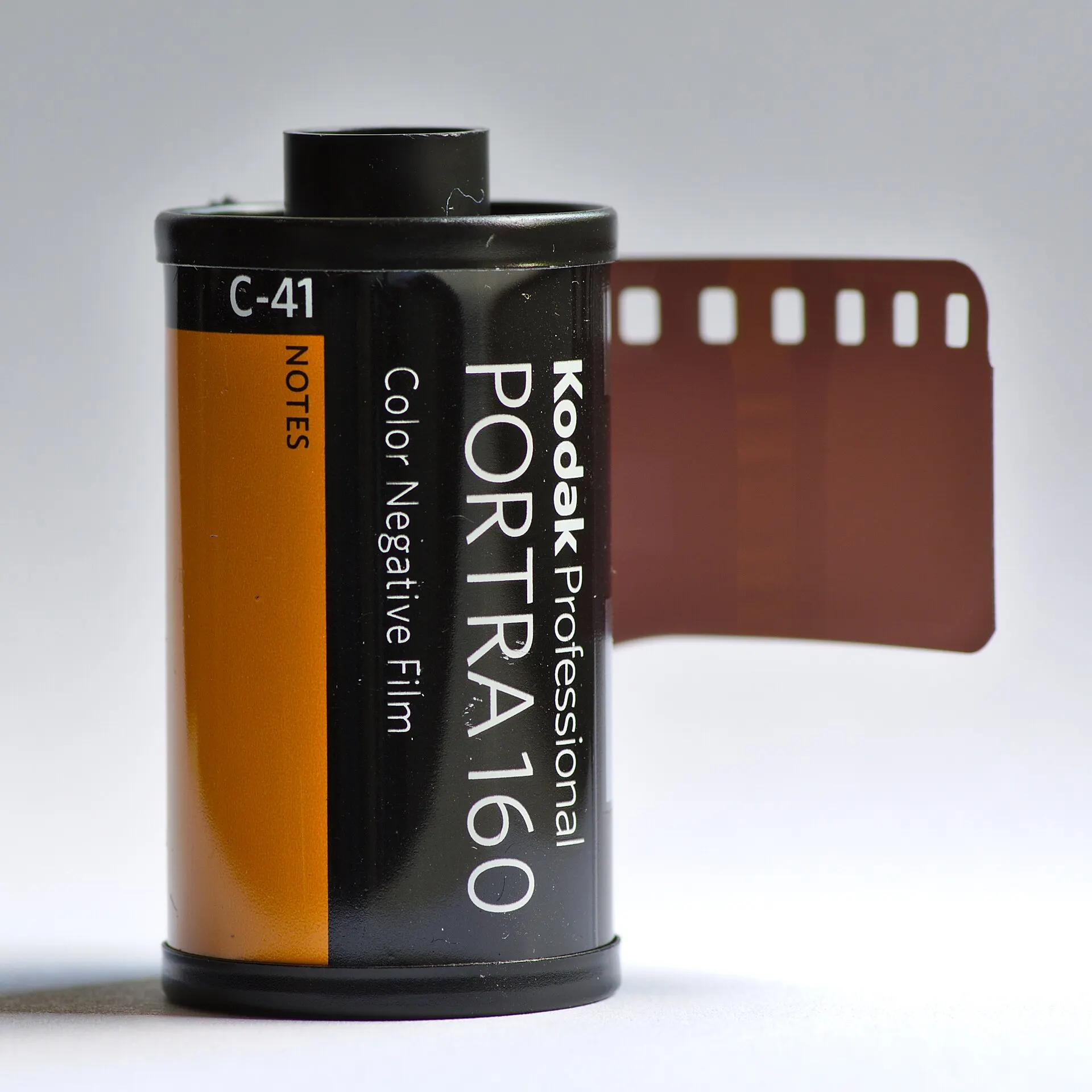
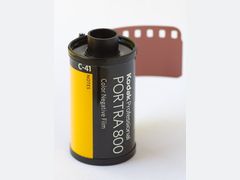
Kodak Portra 160 is a daylight-balanced ISO 160 color negative film (C-41) sold in 35mm, 120 and sheet sizes, and a 36-exposure 35mm roll costs $13.99 to $17.99 at US camera shops (October 2026).
Reviewers and owners single out its natural skin tones, very fine grain and soft, accurate color, and Kodak calls its exposure latitude wide. The trade-off is speed: it wants bright daylight or flash, and underexposed frames in dim light come out muddy.
- Speed
- ISO 160
- Process
- C-41
- Formats
- 35mm, 120 and sheet
- Print Grain Index
- 28 (4x6 from 35mm)
Built from 148 opinions from 40 pages and videos. Not yet tested by Camera Dojo. Updated .
The short version
Portra 160 is the slowest and least saturated of Kodak's three Portra films, and Kubus Photo calls its grain the finest in the family. Portrait, wedding and studio photographers buy it for skin, and landscape shooter Alex Burke used it on 4x5 for a high-contrast sunset scene. Since March 2026 Eastman Kodak has also sold Ektacolor Pro 160, which a lab says is the same emulsion, often for less. If you shoot in mixed or fading light, Kodak Portra 400 is the safer single roll.
Good fit if
- You shoot portraits, weddings or fashion in daylight or with studio flash.
- You want the finest grain in the Portra family, especially on 120 or sheet film.
- You like soft, natural color with medium saturation and low contrast.
- You shoot bright, contrasty scenes and want to keep detail in both highlights and shadows.
Think twice if
- You shoot indoors, at dusk or on gray days without flash. Portra 400 or 800 gives you more speed.
- You want punchy, saturated landscapes. Reviewers point to Kodak Ektar 100 for that.
- You are new to film: Kubus Photo, a Brooklyn lab, calls ISO 160 too limiting for most beginners.
- You want a gritty, lo-fi look. Digital Camera World's reviewer warns lo-fi fans might find it a trifle dull.
Photos shot on Kodak Portra 160
Photos shot on Kodak Portra 160 in 35mm and 120, shared under free licenses on Wikimedia Commons.
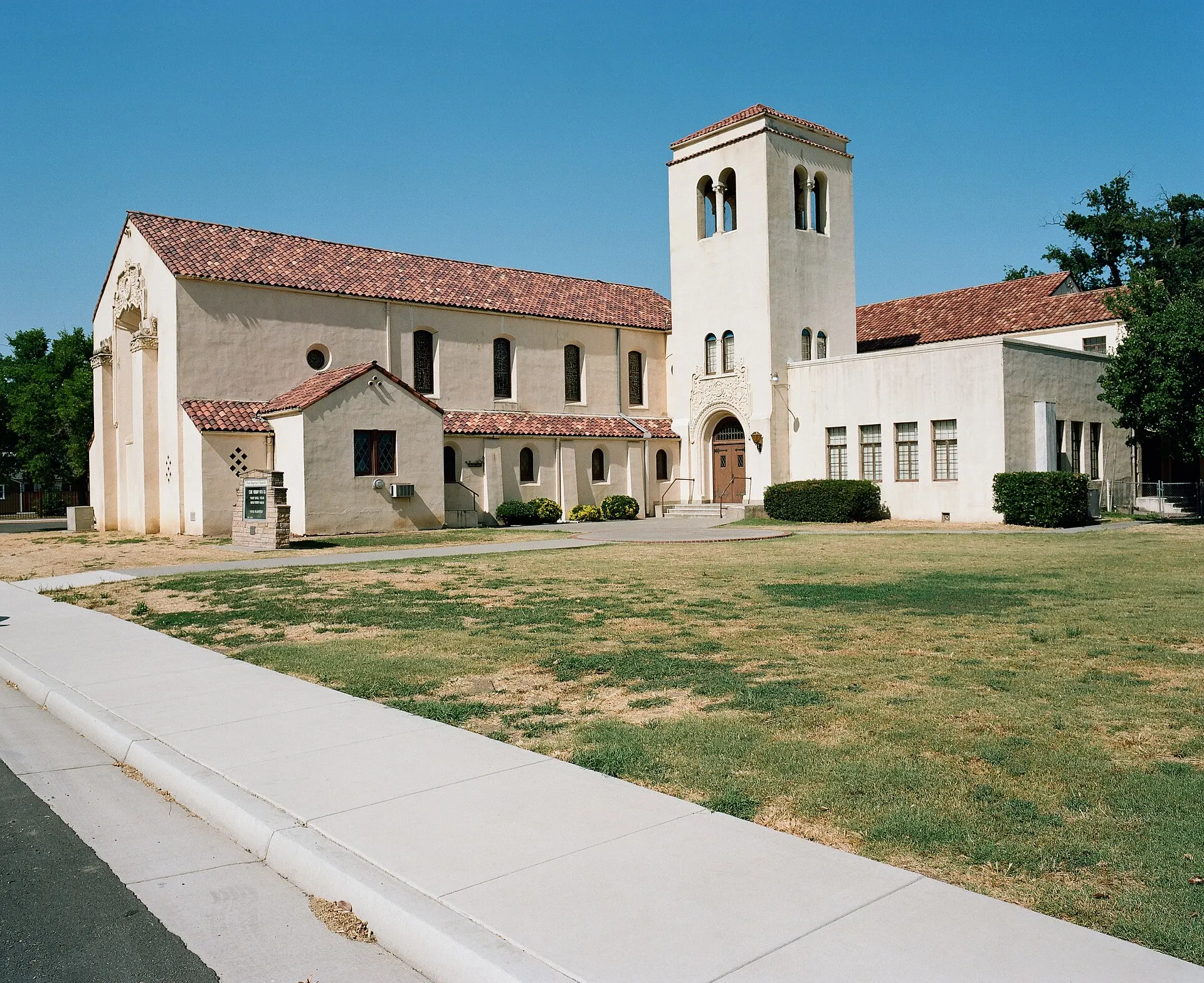
First United Methodist Church, Willows, California, 2025, Pentax 67 on 120Photo: Frank Schulenburg, CC BY-SA 4.0 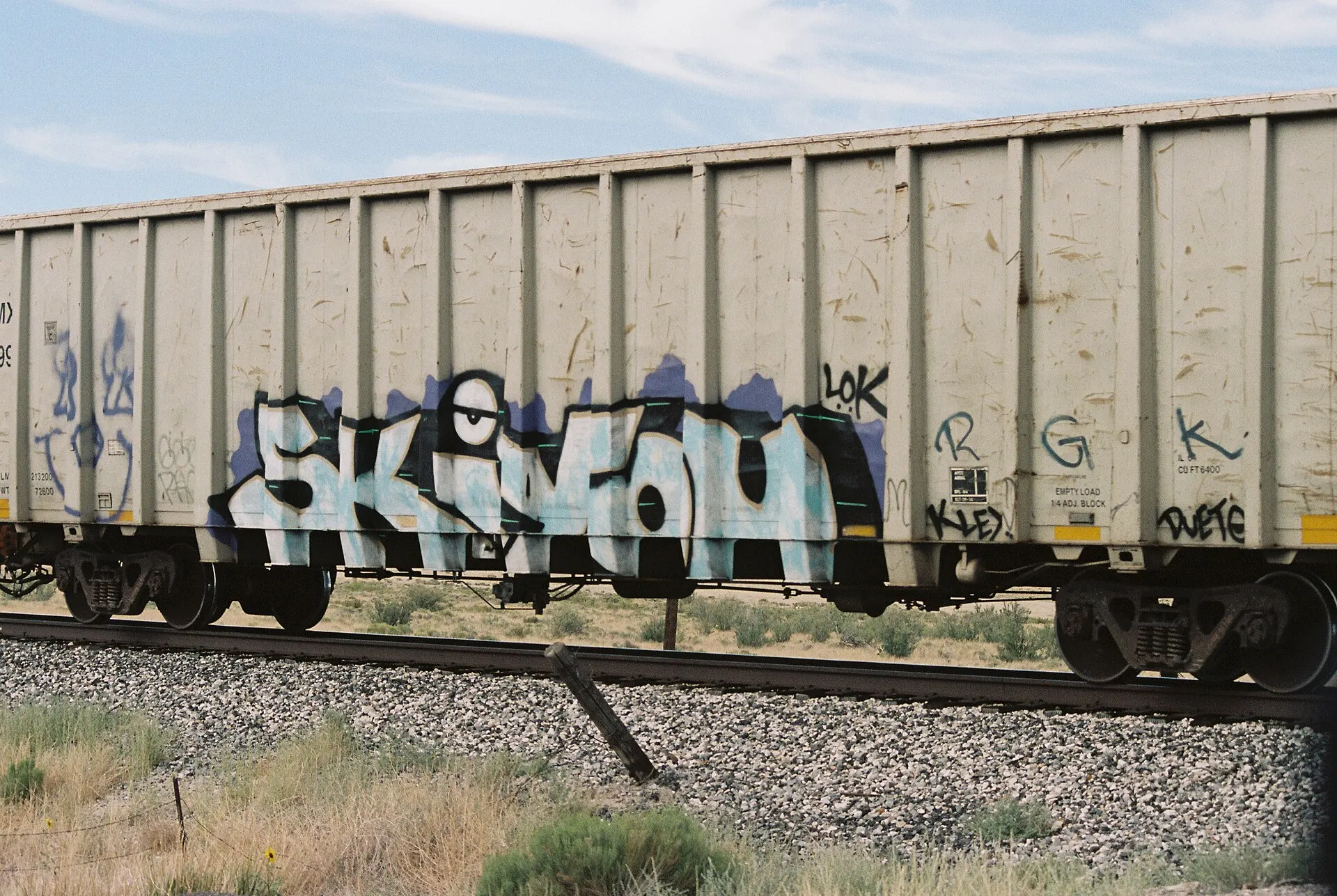
Freight train in eastern Utah, 2025, Canon T90, Fuji Frontier scanPhoto: Zak Jones!, CC BY-SA 4.0 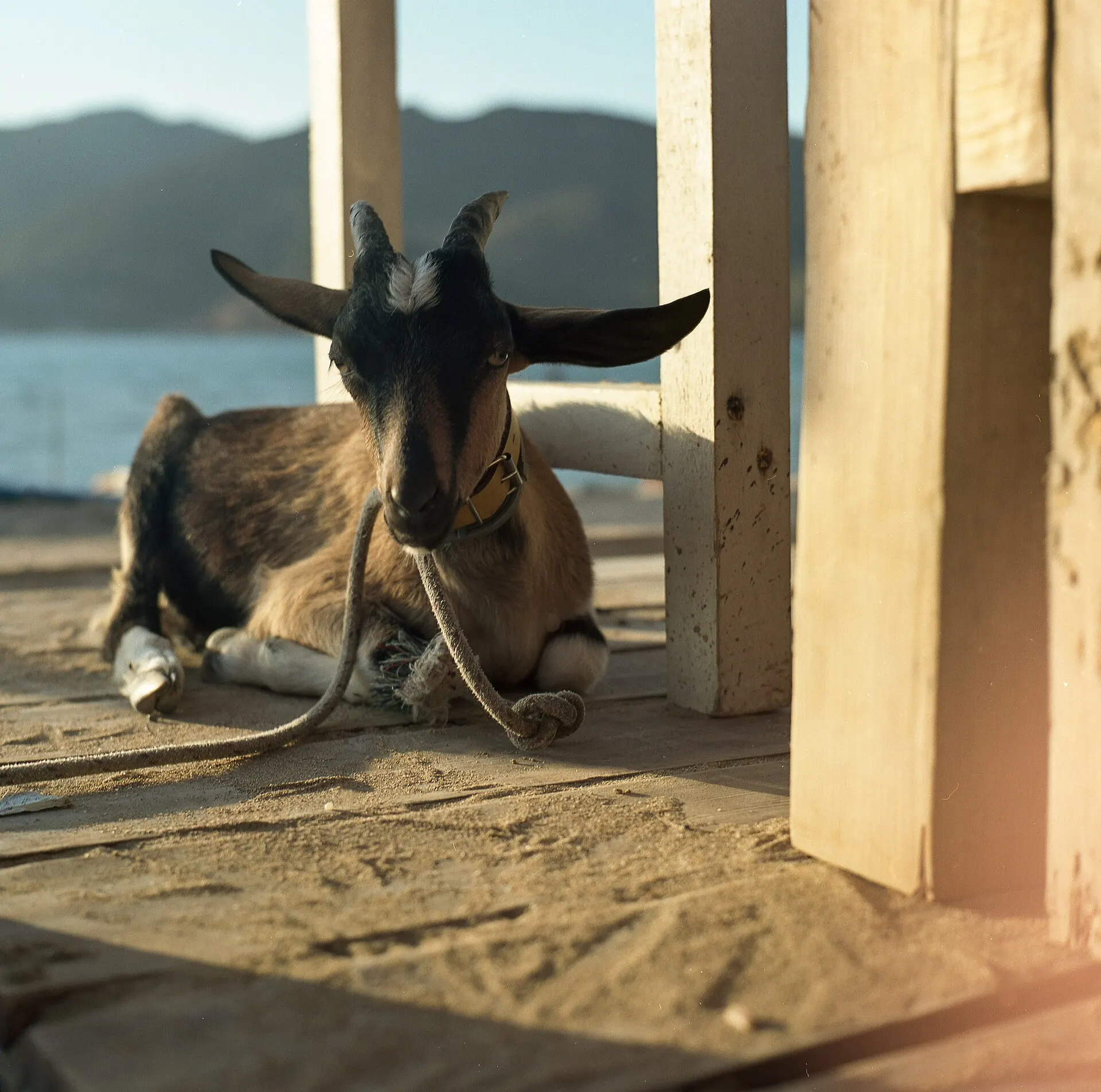
Sardinia, Italy, 2016, Yashica Mat-124 on 120Photo: Federico Pitto, CC BY-SA 2.0 
Budapest, Hungary, 2019, Nikon F100Photo: Dmitry Kolesnikov, CC BY 2.0 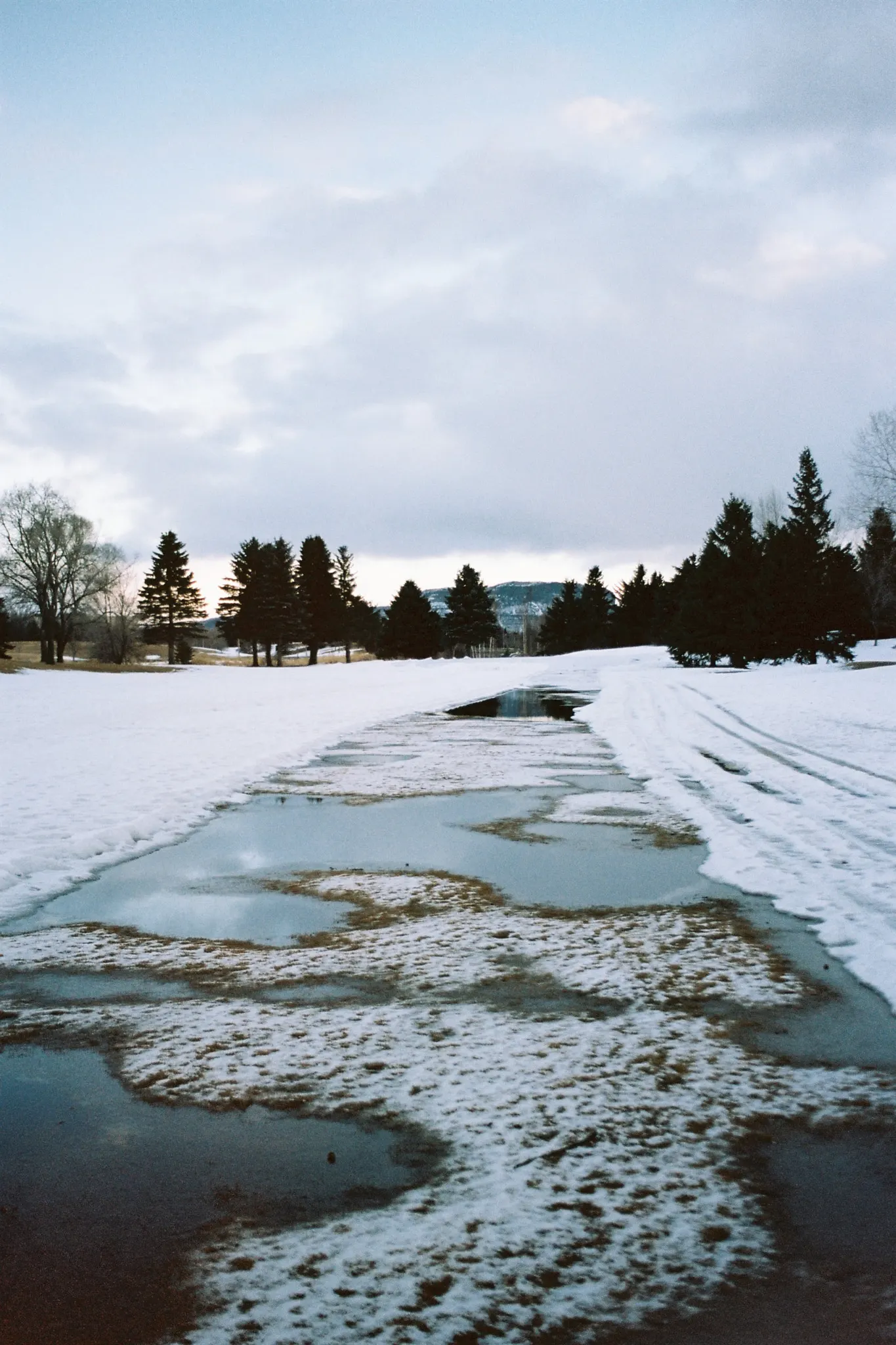
Chapples Park, Thunder Bay, Ontario, spring 2015, Nikon FEPhoto: Robin Férand, CC BY 3.0 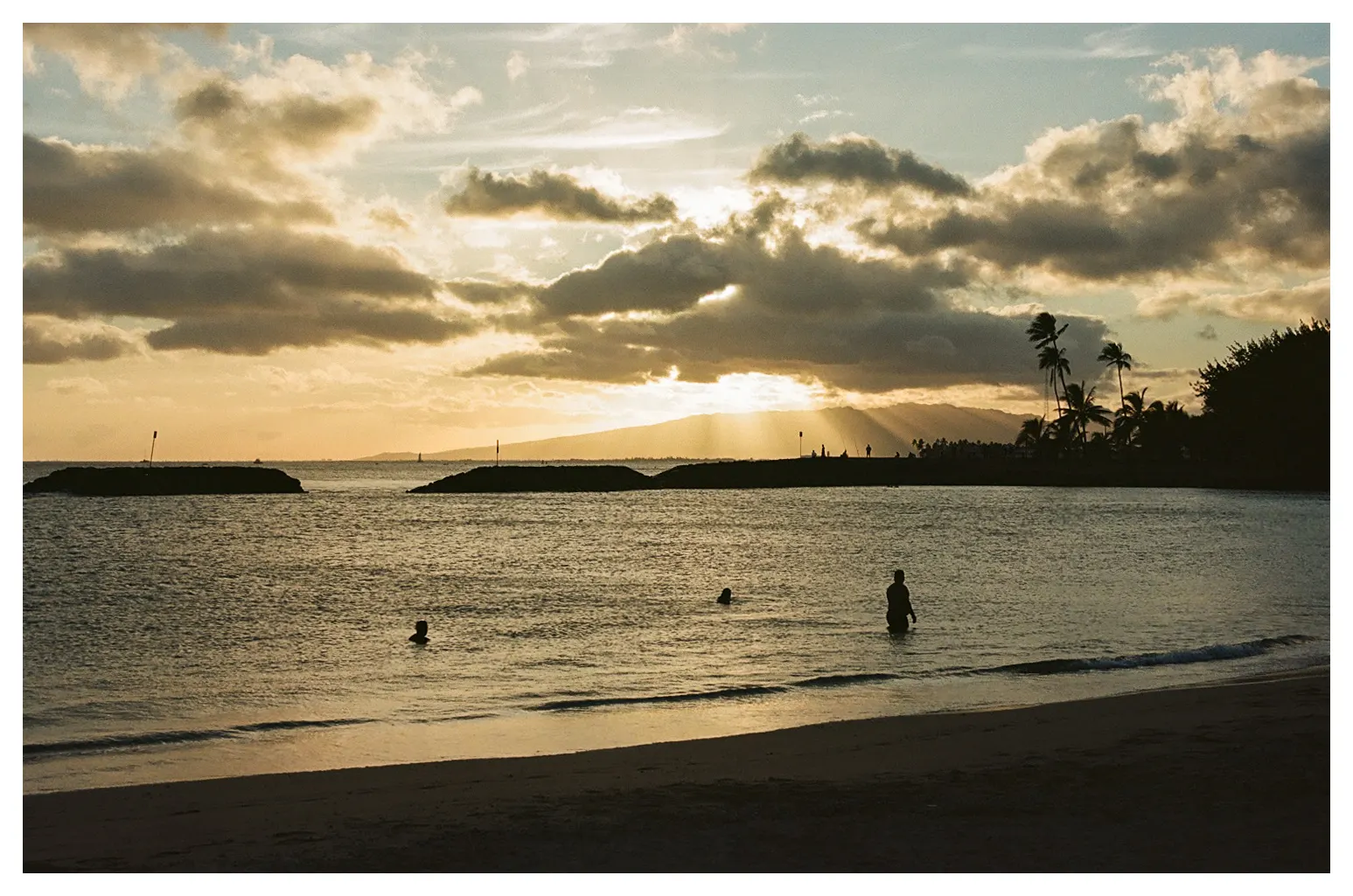
Magic Island, Oahu, Hawaii, 2025, Leica MPPhoto: Salty Lens (Jonny), CC BY 4.0
What owners and reviewers say, topic by topic
We sorted 148 opinions about the Portra 160 from 40 pages and videos on 30 websites and channels. Each row shows how many people raised a topic and how many of them were positive. Open a row to read short quotes, each linked to its source.
Most of these opinions come from blogs, editorial reviews, film labs and YouTube. Reddit, B&H, Lomography and photo.net pages could not be read, so everyday owner voices are thinner than we'd like. Several reviewers sell film or run labs (The Darkroom, Parallax Photographic, Carmencita, Kubus Photo, Long Weekend, Analogue Wonderland), Decaf Journal's Nicklaus Walter accounts for several opinions across four reviews, and Digital Camera World reviewed the Ektacolor Pro 160 box, which The Darkroom says is the same emulsion. No source discussed halation on Portra 160, so that topic is missing.
Exposure latitude78% positiveof 23
Most praise how it holds highlight and shadow detail, and many rate it at ISO 100 or overexpose slightly. A minority, including Carmencita Film Lab and Bad Photography, found it less forgiving than Portra 400 and say it needs careful metering.
“a couple of pics about two to three stops over and the film took it well”
GarthMaul, Flickr Portra [Kodak Portra Film] group: Portra 400 at iso 100 accidentOwner
“This scene really needed all the dynamic range I could get and Portra never has a problem capturing it all.”
Alex Burke Photography: How to Select the Right Color Film 2023-11Owner
“Portra 160 is dynamite, rated at 100 it goes easy on the shadows and still has plenty of highlight detail.”
Jamie G, Analogue Wonderland: The Ultimate List of Colour Film OptionsOwner
“this film requires precise exposure measurements, despite its reasonably wide dynamic range (~7 stops).”
Dmitri, Analog.Cafe: Kodak Portra 160 Film Review 2022-07Hands-on review
Color63% positiveof 19
Most reviewers describe soft, accurate, slightly warm color with less saturation than Portra 400 and 800. The mixed voices find it too muted for vivid landscapes and nature, one owner says it turns too warm in snow, and Parallax found a golden-hour 120 roll more vibrant than Portra 400.
“the green dyes and couplers in this emulsion will make that foliage sing.”
Jamie G, Analogue Wonderland: The Ultimate List of Colour Film OptionsOwner
“it has no evident tint (like vivid red tones or bright green-blue), the colours are so accurate.”
alexandersfilm, The Darkroom: Portra 160 user review 2020-08Owner
“I really like the tone of the colors in all the pictures I've taken with it”
My Foto Journey: Kodak Portra 160 review 2020-06Hands-on review
“the colours are more vibrant than Portra 400”
Parallax Photographic: Kodak Portra 160 120 Film ReviewHands-on review
Low light and night16% positiveof 19
The clear weak spot: most say ISO 160 needs bright daylight or flash, and dim light gives muddy, flat results. A few were surprised by how it handled shade, subway halogen light or a long twilight exposure on 4x5.
“For the colour film selection I find Portra 160 is too slow and I need faster colour film.”
Leica Blog (Matt Osborne): Kodak Portra 400 & 800 Film 2015-01Owner
“For most beginners, ISO 160 is too limiting.”
Kubus Photo: Best Film for Beginners 2026-01Hands-on review
“The glow from a nearby bar combined with twilight made for some strong colors on this long exposure image.”
Alex Burke Photography: How to Select the Right Color Film 2023-11Owner
“Kodak Portra 160 is best used in a studio with a flash or in bright daylight outside.”
The Phoblographer: Kodak Portra buying guide 2021-06Hands-on review
Overall look53% positiveof 19
Fans describe a natural, true-to-life and sometimes painterly look and save it for serious work. Opinions split more here than anywhere: Carmencita says people love it or hate it, and Fstoppers' writer and Bad Photography didn't take to it.
“also Portra 160 for when shooting people in direct sunlight”
Leica Blog (Matt Osborne): Kodak Portra 400 & 800 Film 2015-01Owner
“I use Superia 400 as a day to day colour film a lot, or Portra 160 or 400 for more quality work”
Chris, Talk Photography forum: Pentax ME Super new user 2019-05Owner
“Portra 160 is certainly best suited to landscape and still life work.”
Gregory Owain: Film Review, Portra 160 vs Portra 800 2021-02Hands-on review
“It's not my favorite, but I surely do think that there are better options.”
Chris Gampat, The Phoblographer: Film Emulsion Review: Kodak Portra 160 (35mm and 120 Formats) 2017-09Hands-on review
Skin tones94% positiveof 16
The most consistent praise: reviewers, labs and owners call its skin tones natural and flattering, and Decaf Journal uses it as the benchmark for other films. One video reviewer saw paler skin than expected when rating it at ISO 100.
“Under controlled strobe lighting, the skin tone rendering is phenomenal.”
Steven Schultz, Long Weekend Zine: Kodak Portra 160 review 2026-06Hands-on review
“Portra films are famous for their pleasing and realistic skin tone reproduction.”
Dmitri, Analog.Cafe: Kodak Portra 160 Film Review 2022-07Hands-on review
“obviously how it renders skin tones. Kodak Portra 160 renders them very, very well.”
Chris Gampat, The Phoblographer: Film Emulsion Review: Kodak Portra 160 (35mm and 120 Formats) 2017-09Hands-on review
“I think Portra 160 gives me just little bit more authentic skintone than Portra 400”
Tahusa, TAH: Kodak Portra 160 Colour Negative Film 2023-03Hands-on review
Grain100% positiveof 15
Every opinion on grain is positive: very fine in 35mm and close to invisible in 120 and sheet film. Kubus Photo calls it the finest grain in the Portra family.
“The low grain is particularly pleasing for crisp shadow detail, adding to the clarity of the highlights.”
James V, Analogue Wonderland: The Ultimate List of Colour Film OptionsOwner
“the fine grain renders superbly”
My Foto Journey: Kodak Portra 160 review 2020-06Hands-on review
“We know this is medium format, but this film has very fine grain.”
Parallax Photographic: Kodak Portra 160 120 Film ReviewHands-on review
“The colors are muted, the grain is fine, shadow detail is exceptional”
Anton Abrahamsen, Film Photography Project: Anton's Portra 160 Experience 2011-08Hands-on review
Sharpness and detail91% positiveof 11
Reviewers call it sharp and detailed, and Gregory Owain's 100% crops showed more detail than Portra 800. One reviewer saw soft lines on buildings and liked the organic feel.
“Images are sharp, detailed and colors are homogeneous.”
My Foto Journey: Kodak Portra 160 review 2020-06Hands-on review
“It has breathtaking color, sharpness, and very fine grain.”
Carmencita Film Lab: An Introduction to the Portra family 2017-06Hands-on review
“The film picked up all the detail we would expect from Portra.”
Parallax Photographic: Kodak Portra 160 Pinhole Film ReviewHands-on review
“The film's image quality is impressive, with smooth grain, sharp images”
Tahusa, TAH: Kodak Portra 160 Colour Negative Film 2023-03Hands-on review
Scanning and printing67% positiveof 9
Kodak designed it to scan well and labs report clean scans, but several reviewers stress that the scanner and the person scanning change the look a lot. Analog.Cafe says it can shift teal after inversion.
“Kodak Portra 160 is one of the company's newer emulsions that was designed to prove simple to scan.”
The Phoblographer: Guide to Kodak Film for Professional Photographers 2019-03Hands-on review
“The film's warm palette can be flattering for portraits and, when scanned well, requires little to no post-processing.”
Dmitri, Analog.Cafe: Kodak Portra 160 Film Review 2022-07Hands-on review
“the results are consistently impressive, with clean scans, smooth tones, and beautifully rendered color when properly exposed”
The Darkroom: Portra 160 / EktaColor Pro 160 Film ReviewHands-on review
“scanning expertise will have a huge impact on the look of your Portra images”
Zeb Andrews, The Codex (Blue Moon Camera and Machine): Film Friday Kodak Portra 160 2026-10Hands-on review
Price and availability63% positiveof 8
Reviewers note it is usually the cheapest Portra, and Bad Flashes says it stays in stock. Others point to a price that has roughly doubled in a few years and to Ektacolor Pro 160 stock that sells out quickly.
“Initially, I planned to bring 3 rolls of Portra 160 (being my favorite film after all), but the price”
axsatr: An Analog Affair, Kodak Vision3 250D and friends 2024-12Owner
“Availability, however, is more of an issue.”
Jon Stapley, Digital Camera World: Kodak Ektacolor Pro 160 review (rebranded Portra 160) 2026-09Hands-on review
“Kodak Portra 160 seems to be the cheapest option if you want to shoot medium format colour photos.”
Leica Blog (Matt Osborne): Kodak Ektachrome vs Fuji ProviaOwner
“Portra 160 is much less expensive than 400 and 800”
Steven Schultz, Long Weekend Zine: Kodak Portra 160 review 2026-06Hands-on review
Pushing and pulling60% positiveof 5
Few reviewers push it, but those who do suggest one stop, either rated at 320 or pushed from box speed, for more contrast. The Phoblographer never saw a reason to push or pull it.
“Portra 160 rated at 320 and pushed one stop is pretty incredible.”
Carmencita Film Lab: An Introduction to the Portra family 2017-06Hands-on review
“the film can be rated and shot at ISO 320 and later pushed one stop in development”
Nicklaus Walter, Decaf Journal: A Review Of Kodak Portra 160 Film 2023-08Hands-on review
“shoot it at box speed and have it pushed in developing by a stop”
Zeb Andrews, The Codex (Blue Moon Camera and Machine): Film Friday Kodak Portra 160 2026-10Hands-on review
“Generally speaking, I've never found a good reason to push or pull the film.”
Chris Gampat, The Phoblographer: Film Emulsion Review: Kodak Portra 160 (35mm and 120 Formats) 2017-09Hands-on review
Consistency75% positiveof 4
Thin evidence. The Codex says it is engineered to match Portra 400 and 800, and Digital Camera World got pleasing results again and again, while The Phoblographer found it less consistent than Portra 400.
“I've felt it isn't giving me as consistent results as Kodak Portra 400 gives me.”
Chris Gampat, The Phoblographer: Film Emulsion Review: Kodak Portra 160 (35mm and 120 Formats) 2017-09Hands-on review
“it is engineered to be very consistent with Portra 400 and 800”
Zeb Andrews, The Codex (Blue Moon Camera and Machine): Film Friday Kodak Portra 160 2026-10Hands-on review
“I found that Ektacolor Pro 160 delivered pleasing results again and again.”
Jon Stapley, Digital Camera World: Kodak Ektacolor Pro 160 review (rebranded Portra 160) 2026-09Hands-on review
PositiveMixedNegative
How to shoot Kodak Portra 160
Portra 160 rewards careful metering and plenty of light. These steps follow Kodak's data sheet and the reviewers cited.
- 1
Set ISO 160, or 100 for extra density
Decaf Journal calls ISO 100, about two thirds of a stop over, optimal, and The Phoblographer found 35mm works best 1/3 to a full stop over. Blue Moon Camera meters for the shadows, since color negative film forgives overexposure more than underexposure.
- 2
Give it daylight
According to Kodak's data sheet, a starting point at 1/125 second is f/16 in bright sun on sand or snow, f/11 in bright sun with distinct shadows, f/8 in weak hazy sun, f/5.6 on a cloudy bright day and f/4 in heavy overcast or open shade. The sunny 16 rule explains how to work without a meter.
- 3
Use flash or strobes indoors
Kodak rates it at ISO 160 under daylight or electronic flash with no filter. Long Weekend's reviewer likes it with studio strobes because ISO 160 gives flexibility in aperture and strobe power. Under 3200 K tungsten, the data sheet calls for a No. 80A filter and ISO 40.
- 4
Add exposure past one second
Kodak's data sheets call for no correction up to 1 second. After that, Blue Moon Camera's rule of thumb is +1 stop at 10 seconds, +2 at 60 seconds and +2.5 at 2 minutes, erring toward more. Use a tripod and bracket.
- 5
Stop at about one stop over
Analog.Cafe sees a cyan shift, with lower contrast and saturation, from about 1.5 stops of overexposure, though a Flickr Portra group member said a few frames two to three stops over took it well. Max Kent says darker skin looks right when the film is exposed correctly or one stop over.
- 6
Load in dim light and develop soon
Kodak's data sheet says to load and unload roll film in subdued light and to process it as soon as possible after exposure. Any lab that runs C-41 color negative film can develop it.
Sources: decafjournal.com, thephoblographer.com, bluemooncameracodex.com, business.kodakmoments.com, longweekendgear.com, analog.cafe, maxkent.co.uk, en.wikipedia.org, flickr.com
Portra 160 vs Portra 400: which should you buy?
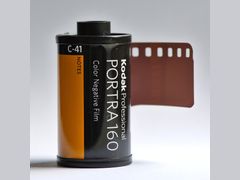 Portra 160 | 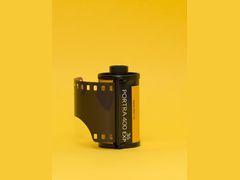 Portra 400 | |
|---|---|---|
| Speed | ISO 160 | ISO 400, 2.5 times faster (about 1 1/3 stops) |
| Print Grain Index (4x6 print from 35mm) | 28 | 37 |
| Color | Least saturated Portra, still warm (Gregory Owain) | More saturated |
| Exposure room | Narrow window, per Carmencita Film Lab | More forgiving, per Carmencita and Bad Photography |
| Price | Usually cheaper (Long Weekend, Parallax) | Costs more per roll |
| Best light | Bright daylight and studio flash | Changing light, shade and overcast; Long Weekend calls it the versatile all-day film |
Pick the Portra 160 if
- You shoot portraits or landscapes in good light and want the finest grain.
- You want Portra color for less per roll in bright conditions or the studio.
Pick the Portra 400 if
- You need one film for a trip with changing light, indoors and out.
- You are still learning to meter and want more room for error.
Sources: bluemooncameracodex.com, gregoryowain.co.uk, longweekendgear.com, carmencitafilmlab.com, badphotography.co.uk, parallaxphotographic.coop
Portra 160 vs Ektar 100, Gold 200 and other films
Against Kodak Ektar 100, The Darkroom says Portra 160 has slightly less fine grain but significantly more latitude, lower contrast and more forgiving exposure. Max Kent finds it fine for landscapes but better suited to other subjects than Ektar. At the other end, Bad Photography found Portra 160 too clinical for its style and would grab Kodak Gold 200 instead, while Decaf Journal says Gold shows more grain and less dynamic range.
Kodak's Print Grain Index measures how visible grain is on a print, and lower is finer. Blue Moon Camera reads it as 28 for Portra 160 on a 4x6 from 35mm, against 37 for Portra 400 and under 25 for Ektar 100. It also says the three Portra speeds are engineered to be very consistent, so 160 and 400 can be mixed on one job.
| Film | ISO | How it differs from Portra 160 |
|---|---|---|
| Portra 400 | 400 | Faster and more saturated, with more grain (Print Grain Index 37 vs 28) |
| Portra 800 | 800 | Gregory Owain found grain significantly more present and less detail in 100% crops |
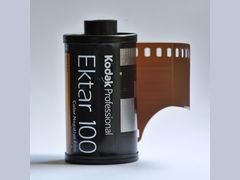 Ektar 100 | 100 | Finer grain and higher contrast; Portra 160 has significantly more latitude (The Darkroom) |
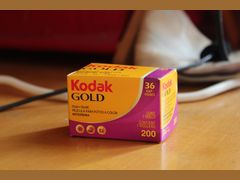 Gold 200 | 200 | More pronounced grain and less dynamic range (Decaf Journal); Bad Photography finds it more flexible |
| CineStill 50D | 50 | The Phoblographer suggests it for a similar look with even finer grain |
Pick Portra 160 for skin and fine grain in good light, and Portra 400 when the light is unpredictable.
Sources: bluemooncameracodex.com, thedarkroom.com, maxsphotoblog.com, badphotography.co.uk, decafjournal.com, gregoryowain.co.uk, thephoblographer.com
Portra 160 or Ektacolor Pro 160: is it the same film?
Probably, though neither Kodak company will officially confirm it. The Darkroom, a lab that develops both, says they are the exact same emulsion, made by Eastman Kodak in Rochester, New York, and 35mmc says it certainly looks that way.
Since March 24, 2026, Eastman Kodak has sold its own professional color negative line, Ektacolor Pro 160, 400 and 800, through retailers, according to PhotoWorkout. Kodak Alaris still owns the Portra name, which is why Eastman Kodak had to use Ektacolor (Kosmo Foto). Portra 160 is not about to disappear: Kodak Alaris's site still listed it in 35mm five-packs, 120 pro packs and sheet film on October 28, 2026, and 35mmc says the two names co-exist.
On price, the Ektacolor box was the cheaper buy at Glazer's Camera on October 28, 2026: $12.95 for a 36-exposure 35mm roll against $15.79 for Portra 160. Digital Camera World, which reviewed the Ektacolor Pro 160 version, warns that availability is more of an issue.
Labs and reviewers treat the two names as one film, but check which box a store is selling before you compare prices.
Sources: photoworkout.com, kosmofoto.com, kodakprofessional.com, thedarkroom.com, 35mmc.com, glazerscamera.com, glazerscamera.com, digitalcameraworld.com
Portra 160 in 35mm, 120 and sheet film
Kodak Alaris sells Portra 160 in 36-exposure 35mm rolls (in five-packs), 120 pro packs and sheets from 4x5 up to 20x24. Eastman Kodak lists Ektacolor Pro 160 in 35mm (36 exposures only), 120 five-roll packs, and 4x5 and 8x10 boxes of 10 sheets. Some US shops sell single 120 rolls, such as Pro Photo Supply at $11.99. Wikipedia says the 2011 version also came in 220, but no current Kodak page lists 220.
Format changes the grain more than anything else. According to Kodak's data sheet, the Print Grain Index for 35mm is 28 at 4x6, 50 at 8x10 and 79 at 16x20; for 6x6 cm on 120 it is under 25, 28 and 50; and a 4x5 sheet stays under 25 up to 8x10 and reaches 26 at 16x20. Blue Moon Camera calls 25 the visual threshold.
Reviewers see the same thing. Decaf Journal says 35mm is grainier and holds less detail, Blue Moon Camera calls the grain unmeasurable on 120 or 4x5, and Joe Francis saw almost no visible grain shooting 120 in a Mamiya RB67. 35mm vs 120 film covers the cameras and costs of each format.
Sources: kodakprofessional.com, kodak.com, prophotosupply.com, en.wikipedia.org, business.kodakmoments.com, bluemooncameracodex.com, decafjournal.com, youtube.com
Pushing, scanning and storing Portra 160
Kodak's data sheet gives no push or pull instructions, so the advice comes from labs and reviewers. Blue Moon Camera shoots it at box speed and has it pushed a stop when the soft look feels flat, and Decaf Journal and Carmencita Film Lab rate it at ISO 320 and push one stop for more contrast. The Phoblographer never found a reason to push or pull it. At The Darkroom, a push or pull request is a $2 fee noted on the order form. More in how to push and pull film.
Kodak says the negatives scan easily on desktop and drum scanners, and The Darkroom reports clean scans with smooth tones when the film is properly exposed. The scanner still shapes the look: Decaf Journal says Fuji Frontier scans add saturation and contrast while Noritsu scans look flatter and more muted, and Analog.Cafe notes Portra 160 can shift teal after inversion. If your rolls look muted, ask the lab which scanner it uses or try scanning at home.
According to Kodak's data sheet, keep unexposed film sealed at 21°C (70°F) or lower, or 13°C (55°F) for long periods. For flights, TSA recommends carrying undeveloped film in your carry-on or asking for a hand inspection at the checkpoint; in 2020 Kodak Alaris reported Portra 400 damaged after one pass through a CT carry-on scanner, according to Kosmo Foto.
Sources: business.kodakmoments.com, bluemooncameracodex.com, decafjournal.com, carmencitafilmlab.com, thephoblographer.com, thedarkroom.com, thedarkroom.com, analog.cafe, tsa.gov, kosmofoto.com
What a roll of Portra 160 costs
On October 28, 2026, US camera shops listed a 36-exposure 35mm roll of Portra 160 at $13.99 to $17.99, and Ektacolor Pro 160, which a lab says is the same film, at $12.95 to $14.75. 120 five-packs ran $59.95 to $85.00. B&H, Adorama and Freestyle could not be read, so they are not listed.
Film Photography Project Store
New, Portra 160, 35mm, 36 exposures, single roll
$13.99
See listingArts Cameras
New, Portra 160, 35mm, 36 exposures, single roll
$14.59
See listingPro Photo Supply
New, unboxed, Portra 160, 35mm, 36 exposures, single roll
$14.99
See listingLooking Glass Photo
New, Portra 160, 35mm, 36 exposures, single roll
$15.49
See listingGlazer's Camera
New, Portra 160, 35mm, 36 exposures, single roll
$15.79
See listingPictureline
New, Portra 160, 35mm, 36 exposures, single roll
$16.25
See listingProCam
New, Portra 160, 35mm, 36 exposures, single roll
$17.99
See listingPro Photo Supply
New, Portra 160, 35mm, 36 exposures, 5-pack
$68.99
See listingGlazer's Camera
New, Ektacolor Pro 160, 35mm, 36 exposures, single roll
$12.95
See listingReformed Film Lab
New, Ektacolor Pro 160, 35mm, 36 exposures, single roll
$14.75
See listingPro Photo Supply
New, unboxed, Portra 160, 120, single roll
$11.99
See listingLooking Glass Photo
New, Portra 160, 120, single roll
$14.49
See listingLegacy Photolab
New, Ektacolor Pro 160, 120, single roll
$14.99
See listingFilm Photography Project Store
New, Portra 160, 120, 5-roll pro pack
$64.99
See listingProCam
New, Portra 160, 120, 5-pack
$74.99
See listingReformed Film Lab
New, Portra 160, 120, 5-pack
$85.00
See listingGlazer's Camera
New, Ektacolor Pro 160, 120, 5-pack
$59.95
See listingReformed Film Lab
New, Ektacolor Pro 160, 120, 5-roll pro pack
$67.00
See listingGlazer's Camera
New, Portra 160, 4x5 sheet film, 10 sheets
$71.69
See listing
Prices checked on October 28, 2026. They move every week, so treat them as a range, not a quote. Per roll, Pro Photo Supply's 35mm five-pack ($68.99) works out to about $13.80 and Glazer's Ektacolor 120 five-pack ($59.95) to about $11.99. PhotoWorkout reported B&H's March 2026 launch prices as $17.99 for Portra 160 and $16.99 for Ektacolor Pro 160 in 35mm. Several 120 single rolls and 4x5 boxes were sold out on the day and are left out.
Technical data
Film
- Speed
- ISO 160 (23°)
- Process
- C-41
- Edge print
- KODAK PORTRA 160
Exposure
Print Grain Index (lower is finer)
- 120 (6x6 cm)
- Under 25 at 4x6, 28 at 8x10, 50 at 16x20
Formats
- Portra 160 (Kodak Alaris)
- 35mm 36 exposures in 5-packs, 120 pro pack, sheets 4x5, 5x7, 8x10, 12x20 and 20x24
- Ektacolor Pro 160, 135-36
- Catalog 7519549
- Ektacolor Pro 160, 120 five-roll
- Catalog 7519598
- Ektacolor Pro 160, 4x5 and 8x10
- 10 sheets; catalog 7520794 (4x5), 7523137 (8x10)
History
- Portra family launched
- 1998, with 160, 400 and 800 together
- NC and VC merged
- Announced February 2011; one Portra 160 on sale from mid-2011
- Ektacolor Pro 160
- At retailers from March 24, 2026
Storage
Video reviews worth your time

Kodak Portra 160 35mm | ROLL REVIEW
Kodak Portra 160 is a fine-grained, high-quality film stock that excels in daylight and studio lighting, delivering natural skin tones and rich detail.

Kodak Portra 160 Review, Samples, Tips, Technical Analysis, and Guide | All About Film
Kodak Portra 160 is an extraordinarily versatile color negative film with fine grain, rich contrast, and remarkable consistency across various formats.

Kodak Portra 160 Review: Mamiya RB67
The reviewer considers Kodak Portra 160 his go-to color film, praising its warm skin tones, fine detail, minimal grain, and wide exposure latitude.

Kodak Portra 160 Review - "Sunny Portraits"
Kodak Portra 160 is a versatile, fine-grained film that excels at rendering skin tones and fine details in bright sunlight.

Have you been SLEEPING on Portra 160?
The reviewer considers Kodak Portra 160 an underrated and exceptionally fine-grained film stock with excellent skin tone rendering and highlight latitude, especially when shot in medium format.
Questions people ask about the Portra 160
What is Kodak Portra 160 good for?
Portraits, fashion and studio work in bright daylight or with flash. Kodak lists portrait, fashion and commercial photography, Long Weekend's reviewer loves it with studio strobes, and Gregory Owain thinks it suits landscape and still life best. Most reviewers call it a poor pick for low light.
Sources: kodakprofessional.com, longweekendgear.com, gregoryowain.co.uk
Is Portra 160 or 400 better?
Neither wins outright. Portra 400 is the more versatile all-day film, as Long Weekend puts it, and Carmencita and Bad Photography find it more forgiving. Portra 160 has finer grain (a Print Grain Index of 28 against 37 on a 4x6 from 35mm), lower saturation and usually a lower price, so it is the better pick for bright light, studio work and big prints.
Sources: longweekendgear.com, carmencitafilmlab.com, bluemooncameracodex.com, badphotography.co.uk
Why is Kodak Portra so expensive?
No source gives a single reason. Decaf Journal's reviewer says Portra 160 costs double what it did a few years earlier, and on October 28, 2026 a 36-exposure roll ran $13.99 to $17.99 at US shops. Eastman Kodak's Ektacolor Pro 160, which The Darkroom says is the same emulsion, started at $12.95. More background in [why film is so expensive](/film/why-is-film-so-expensive/).
Sources: decafjournal.com, thedarkroom.com, glazerscamera.com
Why is Portra so popular?
Mostly for skin tones. Kodak calls smooth, natural skin reproduction the hallmark of the Portra family, and reviewers from The Phoblographer to Carmencita Film Lab single it out. The three speeds are also engineered to match, so photographers can mix them on one job. Analogue Wonderland, a UK store, says Portra 160 35mm has its highest customer feedback score, 4.96 out of 5, among films with more than 20 reviews.
Sources: kodakprofessional.com, thephoblographer.com, bluemooncameracodex.com, analoguewonderland.co.uk
What ISO should I shoot Portra 160 at?
Box speed is ISO 160, but many photographers rate it at 100. Decaf Journal calls ISO 100, about two thirds of a stop over, optimal, and The Phoblographer suggests 1/3 to a full stop of extra exposure in 35mm. Avoid underexposure, which turns muddy, and more than about 1.5 stops over, where Analog.Cafe sees a cyan shift.
Sources: decafjournal.com, thephoblographer.com, longweekendgear.com, analog.cafe
Is Portra 160 the same as Ektacolor Pro 160?
The Darkroom, a lab that develops both, says they are the exact same emulsion made by Eastman Kodak in Rochester; Portra is distributed by Kodak Alaris and Ektacolor Pro by Eastman Kodak. 35mmc says it looks that way but neither company will officially confirm it. Portra 160 is not discontinued: Kodak Alaris still lists it, and 35mmc says the two names co-exist.
Sources: thedarkroom.com, 35mmc.com, kodakprofessional.com
Can you push Portra 160?
Yes, usually by one stop. Decaf Journal and Carmencita Film Lab rate it at ISO 320 and push one stop for more contrast, and Blue Moon Camera pushes box-speed rolls a stop when the look feels flat. Kodak's data sheet gives no push figures, and The Phoblographer never saw a reason to push it. The Darkroom charges a $2 fee for push or pull requests.
Sources: decafjournal.com, carmencitafilmlab.com, bluemooncameracodex.com, thephoblographer.com, thedarkroom.com
Is Portra 160 good for beginners?
Usually not as a first film. Kubus Photo calls ISO 160 too limiting for most beginners, and Carmencita Film Lab says it needs a well-lit scene. Bad Photography found it demanded more precision than Portra 400 and finds Kodak Gold 200 more flexible and forgiving.
Sources: kubusphoto.com, carmencitafilmlab.com, badphotography.co.uk
What people compare it with
The same Portra look about 1 1/3 stops faster, for mixed or dimmer light; Blue Moon Camera says the two are built to be mixed on one job.
Finer grain and more contrast for landscapes, with less exposure latitude than Portra 160, per The Darkroom.
A consumer film that Bad Photography finds more flexible and forgiving, with more grain and less dynamic range per Decaf Journal.
The fastest Portra for low light; Gregory Owain found its grain significantly more present than 160's.
Every source behind this page
Read them yourself. How we pick and count them is in our methodology.
Show all 70 sources
Manuals and references 30
- 35mmc.com: Mapping the New Eastman Kodak Film Range
- artscameras.com: Kodak PORTRA 160 Color 35mm 36EXP
- business.kodakmoments.com: KODAK PROFESSIONAL PORTRA 160 Film
- en.wikipedia.org: Kodak Portra
- filmphotographystore.com: 120 Color Film - Kodak Portra 160 (5-Roll Pro Pack)
- filmphotographystore.com: 35mm Color
- kodakprofessional.com: Film Paragraph
- kosmofoto.com: Kodak Alaris: Film damaged after just one pass in CT hand luggage scanners
- kosmofoto.com: Eastman Kodak is distributing all its films again. What happens next?
- legacy-photolab.com: Kodak Ektacolor Pro 160 120 Film - Same as Portra 160
- procam.com: Kodak Professional Portra 160 Color Negative Film (120 Roll Film) 5-Pack at PROCAM | Shop Camera, Photo & Video Equipment | In-Stock, Lowest Prices. Same Day Shipping
- procam.com: Kodak Professional Portra 160 Color Negative Film (35mm Roll Film, 36 Exposures) Single Roll at PROCAM | Shop Camera, Photo & Video Equipment | In-Stock, Lowest Prices. Same Day Shipping
- prophotosupply.com: Kodak Professional Portra 160 Color Negative 120 Format Film
- prophotosupply.com: Kodak Professional Portra 160 Color Negative 35mm Film, 36 Exposures
- prophotosupply.com: Kodak Professional Portra 160 Color Negative 35mm Film, 36 Exposures,
- reformedfilmlab.com: Kodak Ektacolor Pro 160 120 | Pro-Pack 5 rolls
- reformedfilmlab.com: Kodak Ektacolor Pro 160 35mm | 36 Exposure Roll
- thedarkroom.com: Film Developing FAQs
- glazerscamera.com: Kodak Eastman Professional EKTACOLOR PRO 160 Color Negative - 120 Film
- glazerscamera.com: Kodak Eastman Professional EKTACOLOR PRO 160 Color Negative - 35mm Fil
- glazerscamera.com: Kodak Professional Portra 160 Color Negative - 4x5" Film, 10 Sheets
- glazerscamera.com: Kodak Professional Portra 160 Color Negative - 35mm Film, 36 Exposures
- kodak.com: EKTACOLOR Film
- kodak.com: EKTACOLOR PRO 160 Film
- lookingglassphoto.com: Kodak Portra 160 Color Negative Film (120 Format) - Single Roll
- lookingglassphoto.com: Kodak PORTRA 160 135-36exp Color Negative Film - Single Roll
- photoworkout.com: Kodak Launches Ektacolor Pro and Ektapan Film: Portra and T-Max Get New Names
- pictureline.com: Kodak Portra 160 Color Negative Film (35mm Roll Film, 36 Exposures)
- reformedfilmlab.com: Kodak Portra 160 120 Film | 5 Pack
- tsa.gov: Film
Independent blogs 19
- maxsphotoblog: Kodak Portra 160 Film Review - Surprisingly Underated: Kodak Portra 160 Film Review
- maxsphotoblog: Kodak Portra 160 VS Kodak Ektar 100: Kodak Portra 160 VS Kodak Ektar 100 - What's The Difference?
- Long Weekend Zine: Kodak Portra 160 review: Kodak Portra 160: It’s Not a Jack of All Trades (And That’s a Good Thing)
- Parallax Photographic: Kodak Portra 160 Film Review: Kodak Portra 160 Film Review
- Parallax Photographic: Kodak Portra 160 120 Film Review: Kodak Portra 160 120 Film Review
- Parallax Photographic: Kodak Portra 160 Pinhole Film Review: Kodak Portra 160 Pinhole Film Review
- Film Photography Project: Anton's Portra 160 Experience: Anton's Portra 160 Experience!
- Bad Photography: First Impressions Shooting Kodak Portra 160 Film: Portra 160, is it for you?
- My Foto Journey: Kodak Portra 160 review: 7 Kodak Portra 160 review
- TAH: Kodak Portra 160 Colour Negative Film: Kodak Portra 160 Colour Negative Film
- TAH: Bring Less and Shoot(Enjoy) More, China with Rolleiflex 2.8F and Kodak Portra: Bring Less and Shoot(Enjoy) More - A Short Trip to China with Rolleiflex 2.8F and Kodak Portra
- Gregory Owain: Film Review, Portra 160 vs Portra 800: Film Review
- Carmencita Film Lab: An Introduction to the Portra family: An Introduction to the Portra family
- Alex Burke Photography: How to Select the Right Color Film: How to Select the Right Color Film
- Leica Blog (Matt Osborne): Kodak Portra 400 & 800 Film: Kodak Portra 400 & 800 Film
- Leica Blog (Matt Osborne): Kodak Ektachrome vs Fuji Provia: New Kodak Ektachrome vs Fuji Provia 100F, Ektar, Velvia - Portraits
- Kubus Photo: Best Film for Beginners: Best Film for Beginners: Honest Guide from a 30-Year Film Lab
- axsatr: An Analog Affair, Kodak Vision3 250D and friends: An Analog Affair | Kodak Vision3 250D and friends - Shafiq Hashim
- Jon Mullin Photography: Kodak Ektar 100 review: Kodak Ektar 100 Review
Editorial reviews 13
- The Darkroom: Portra 160 / EktaColor Pro 160 Film Review: Portra 160 / EktaColor Pro 160 Film Reviews & Photos
- Decaf Journal: A Review Of Kodak Portra 160 Film: A Review Of Kodak Portra 160 Film
- Decaf Journal: A Review Of Kodak Portra 800 Film: A Review Of Kodak Portra 800 Film
- Decaf Journal: A Review Of Kodak Gold 200 Film: A Review of Kodak Gold 200 Film
- Decaf Journal: A Review Of Kodak Ektachrome E100: Kodak Ektachrome E100 Review
- The Codex (Blue Moon Camera and Machine): Film Friday Kodak Portra 160: Film Friday Kodak Portra 160 (Ektacolor Pro 160) Film Review ...
- Analog.Cafe: Kodak Portra 160 Film Review: Kodak Portra 160 Film Review
- Analog.Cafe: Kodak Portra 800 Film Review: Kodak Portra 800 Film Review
- The Phoblographer: Film Emulsion Review: Kodak Portra 160: Film Emulsion Review
- The Phoblographer: Kodak Portra buying guide: A Handy Guide to Kodak Portra and Choosing the Best One
- The Phoblographer: Guide to Kodak Film for Professional Photographers: The Phoblographer's Guide to Kodak Film for Professional Photographers
- Fstoppers: Sibling Rivalry, a Comparison of Kodak's Portra 160, 400, and 800: Sibling Rivalry: A Comparison of Kodak's Portra 160, 400, and 800
- Digital Camera World: Kodak Ektacolor Pro 160 review: Kodak Ektacolor Pro 160 review: cheap(ish) Portra? Get in while the getting’s good!
Video reviews 5
- Analog Resurgence: Kodak Portra 160 35mm | ROLL REVIEW
- David Hancock: Kodak Portra 160 Review, Samples, Tips, Technical Analysis, and Guide | All About Film
- Joe Francis: Kodak Portra 160 Review: Mamiya RB67
- Analogue Wonderland: Kodak Portra 160 Review - "Sunny Portraits"
- Bad Flashes: Have you been SLEEPING on Portra 160?
Forums 2
Retailer customer reviews 1
Keep reading
Film stocks
Kodak Portra 400 is an ISO 400 color film loved for skin tones and latitude. What 113 opinions say, how to expose and push it, and US prices from $15.99.
Film stocks
Kodak Ektar 100 is an ISO 100 color film with very fine grain, $13.99 to $19.00 a 35mm roll. What 141 opinions say about color, skin tones and exposure.
Film stocks
Portra 400 vs 800: 400 has finer grain, sheet sizes and a lower price; 800 adds a stop of speed and pushes to 1600. October 2026 prices and when to pick each.
Film stocks
35mm vs 120 film: common 120 frames are 2.7 to 5.4 times bigger than 35mm but give 8 to 16 shots a roll. Cost per frame, lab prices and which to pick.
Film stocks
How to push film: what a stop means, what to set on your camera, how to tell the lab, one-stop fees from $0 to $4, home development times and how to pull film.
Developing and scanning
Scanning film with a DSLR, step by step: gear and October 2026 prices, exact camera settings, how it compares with a flatbed and fixes for common scan problems.