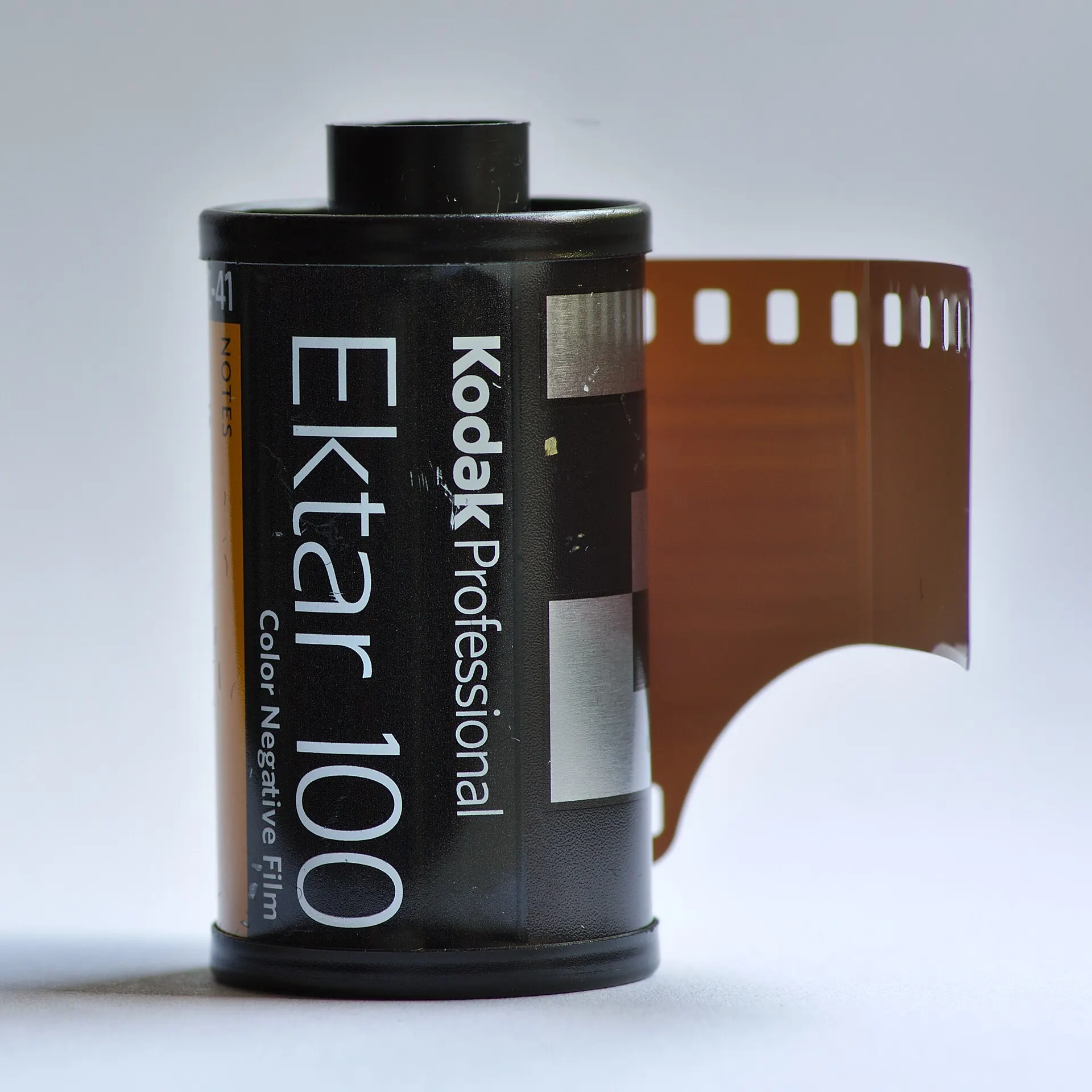
Kodak Ektar 100: what it looks like and how to shoot it
The short answer
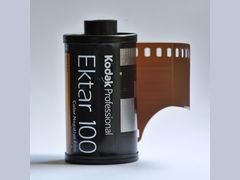
Kodak Ektar 100 is an ISO 100, daylight-balanced C-41 color negative film that Kodak calls the finest-grain color negative film available, and a 35mm roll costs $13.99 to $19.00 at US shops (October 28, 2026).
Owners and reviewers love it for saturated blues and reds, very fine grain and sharp detail in landscapes and travel. The trade-offs: fair skin often turns red or pink, it wants bright light, and underexposure brings muddy, blue shadows.
- Speed
- ISO 100
- Process
- C-41
- Formats
- 35mm, 120, sheet film
- 35mm roll
- $13.99-19.00 (Oct 2026)
Built from 141 opinions from 33 pages and videos. Not yet tested by Camera Dojo. Updated .
The short version
Ektar is the color film people load for sunny landscapes, architecture and travel. Kodak recommends it for nature, travel, outdoor, fashion and product photography, and reviewers describe it the same way again and again: the punch of slide film with the cheap, everyday C-41 processing of a negative film. It is a poor match for portraits of fair-skinned people and for dim light. If people are your main subject, Kodak Portra 160 or Portra 400 is the safer choice.
Good fit if
- You shoot landscapes, travel or architecture in good light and want bold color.
- You want very fine grain for big prints or detailed scans, especially in 120 or sheet film.
- You like the slide-film look but want cheaper C-41 developing and a little more forgiveness.
- You shoot long exposures or pinhole on a tripod, where ISO 100 is not a handicap.
Think twice if
- Your main subject is people, especially fair skin. Most reviewers say it turns skin red or pink; Panorama Circle and The Darkroom suggest Portra 160 instead.
- You shoot indoors, handheld at night or mostly on gray days. A 400-speed film such as Kodak Ultramax 400 or Portra 400 copes better.
- You want a careless snapshot film for mixed light. Several owners say underexposed frames go muddy and blue.
- You are on a tight budget and learning: Jon Mullin points beginners to cheaper Kodak films such as Kodak Gold, ColorPlus and Ultramax.
Photos shot on Kodak Ektar 100
Photos shot on Kodak Ektar 100 in 35mm and 120, shared under free licenses on Wikimedia Commons.
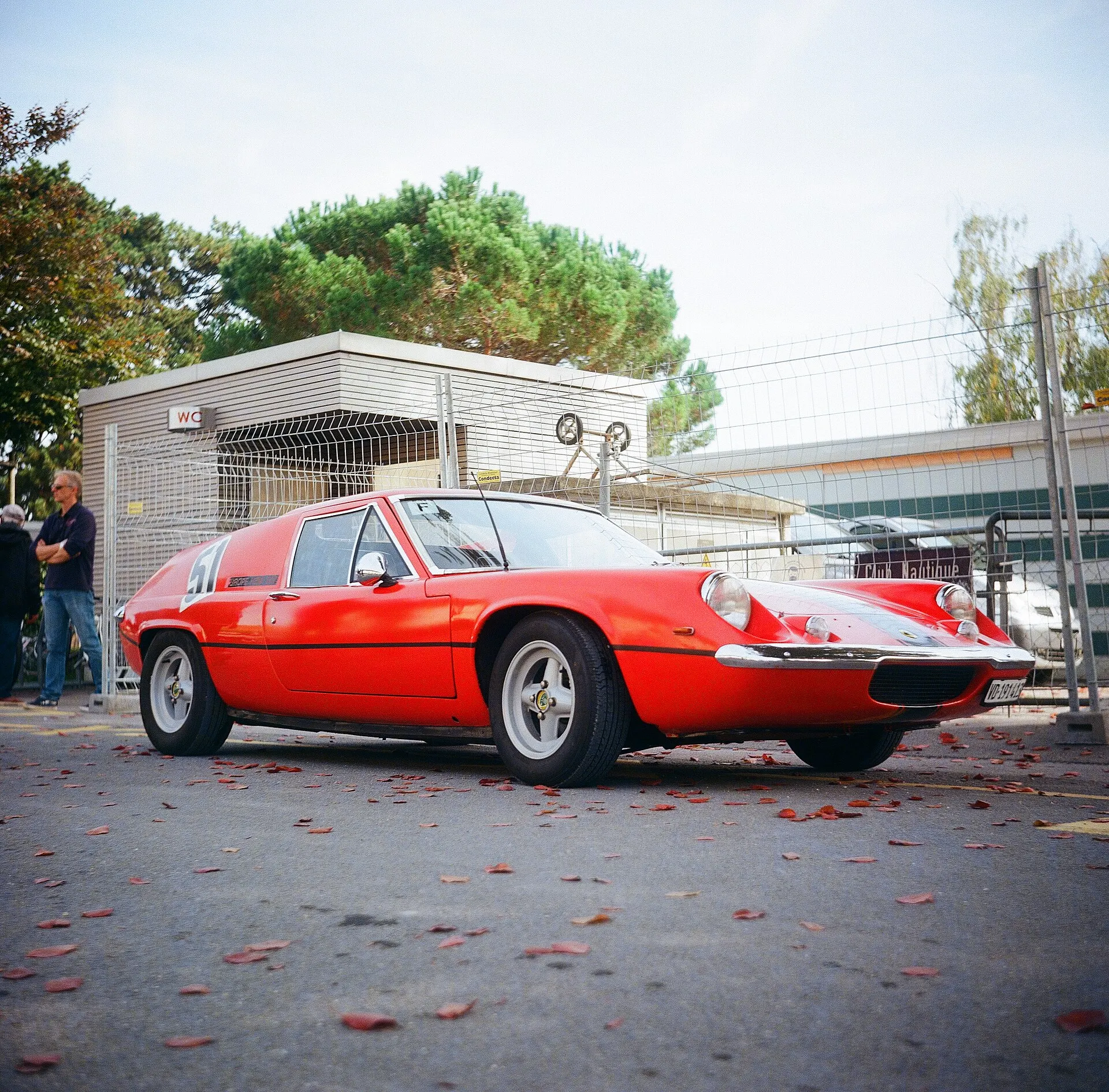
Swiss Classic British car meeting, Morges, Switzerland, 2021Photo: Akela NDE, CC BY-SA 2.0 fr 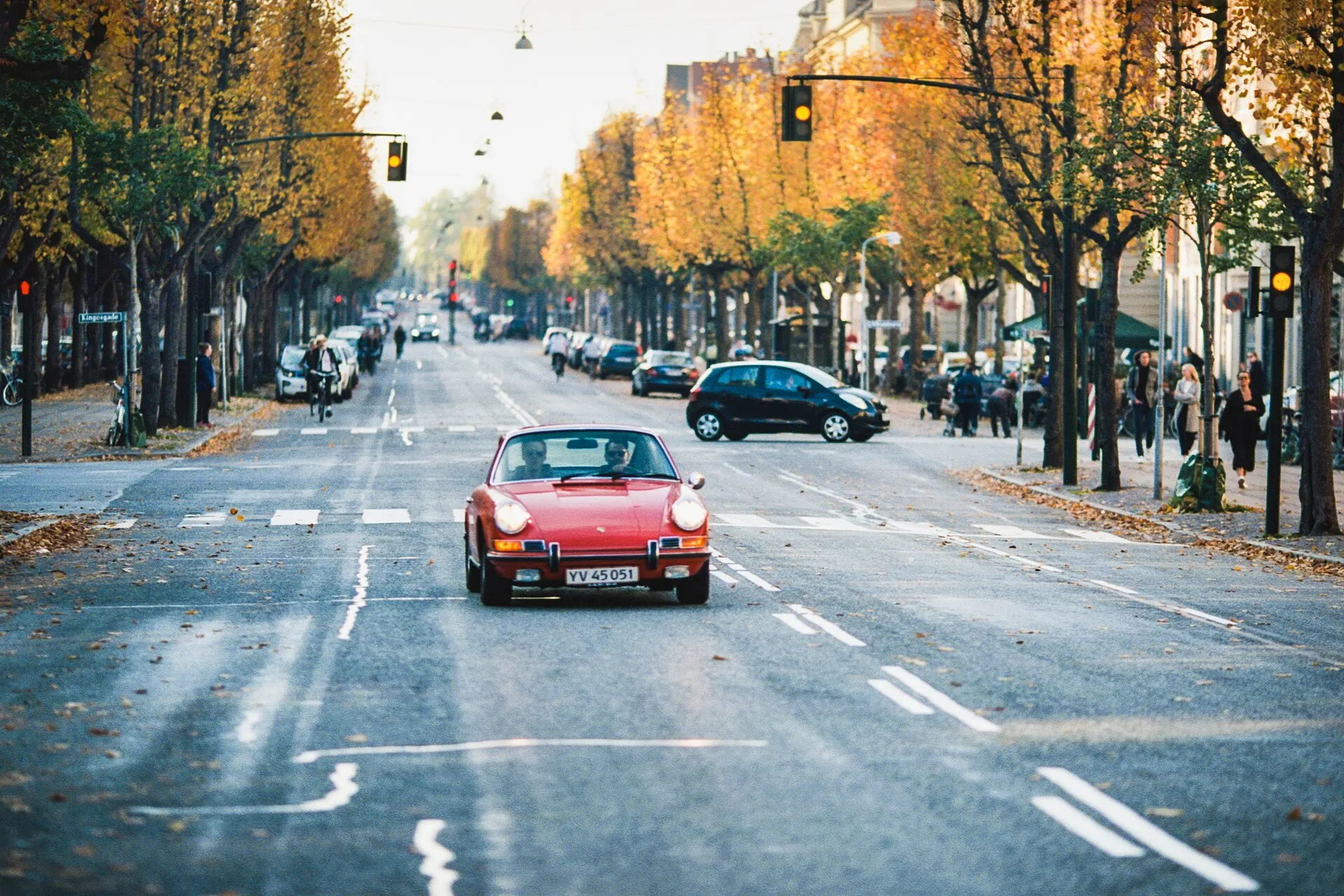
Frederiksberg Allé, Denmark, shot on a Canon EOS 650Photo: Kristoffer Trolle, CC BY 2.0 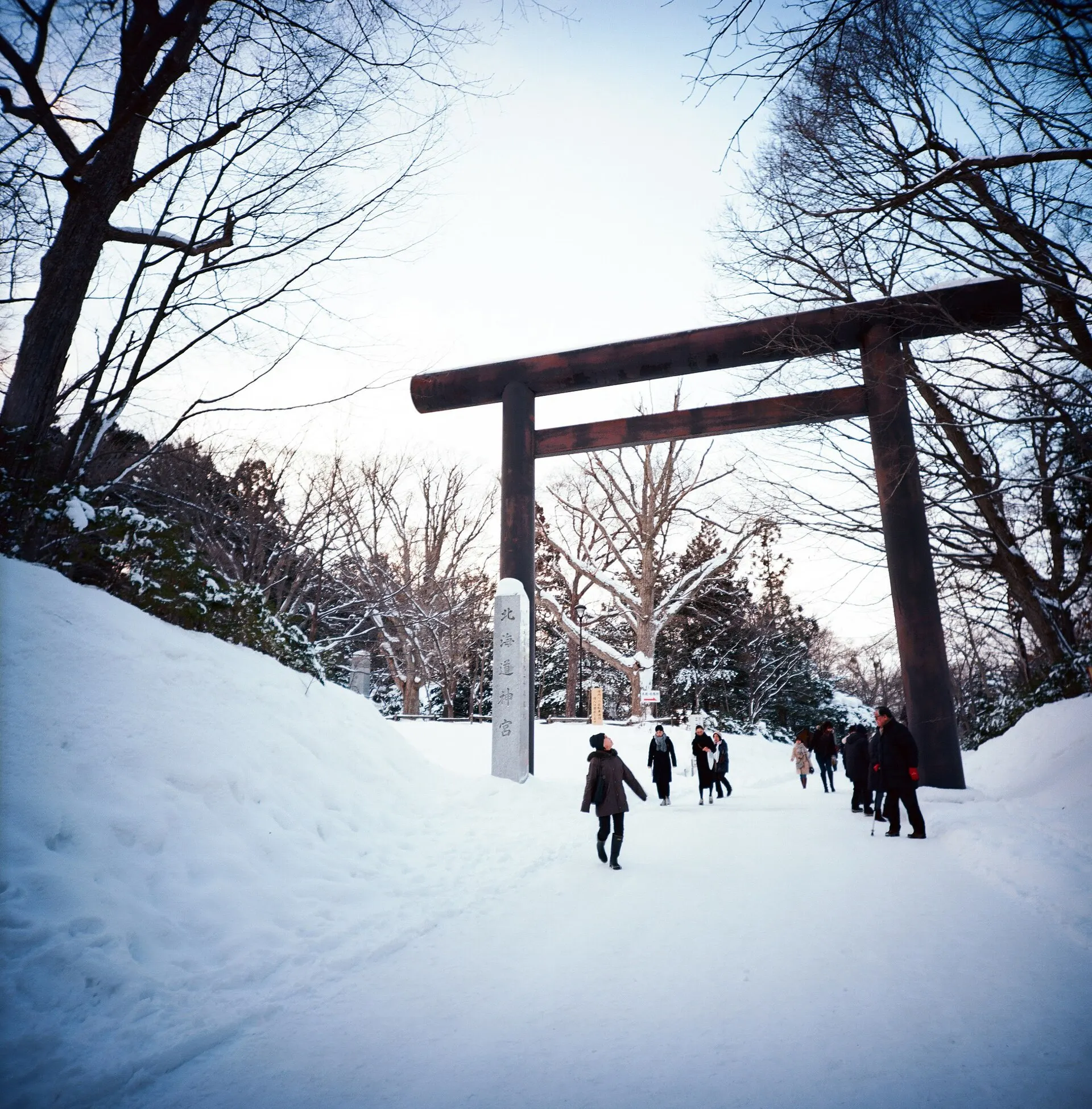
Hokkaido Shrine, Sapporo, Japan, 2016, on 120 film in a Lomo LC-A 120Photo: Toomore Chiang, CC BY 3.0 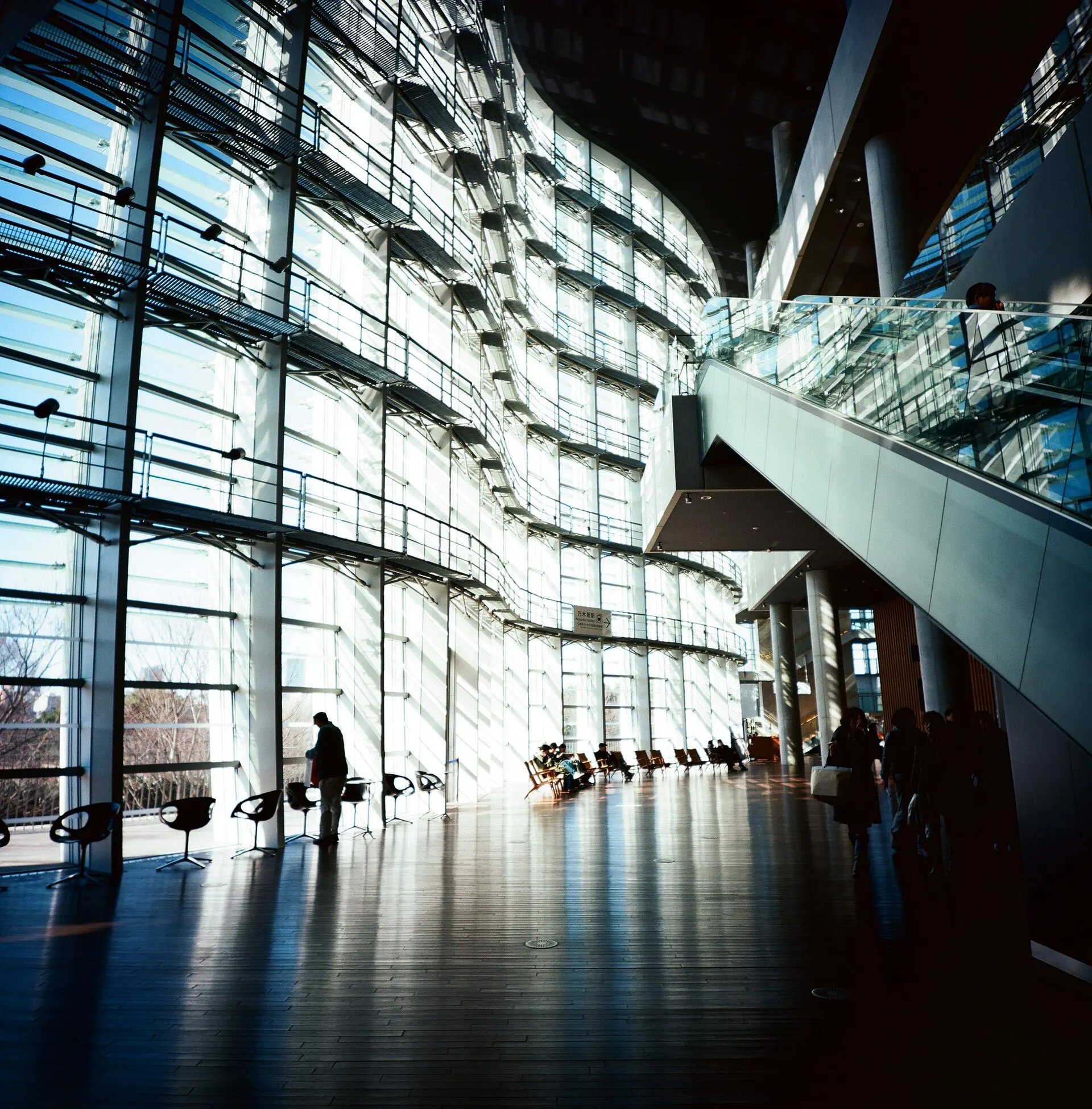
National Art Center, Tokyo, 2016, on 120 film in a Lomo LC-A 120Photo: Toomore Chiang, CC BY 3.0 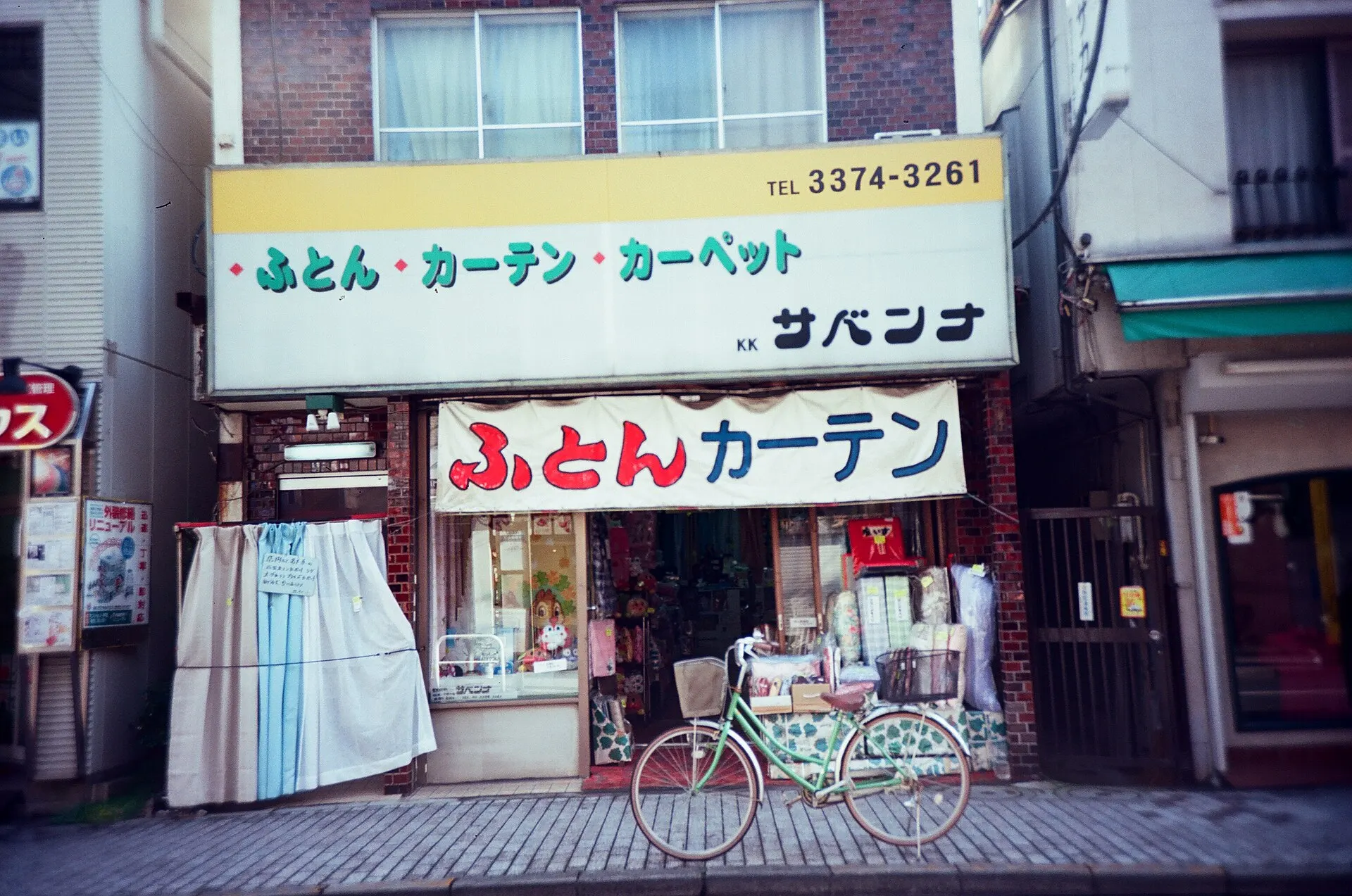
Nakano-shimbashi, Tokyo, 2016, shot on a Lomo LC-A+Photo: Toomore Chiang from Taipei, Taiwan, CC BY 2.0 
Izmailovo, Moscow, March 2020Photo: Svetlov Artem, CC0
What owners and reviewers say, topic by topic
We sorted 141 opinions about the Ektar 100 from 33 pages and videos on 27 websites and channels. Each row shows how many people raised a topic and how many of them were positive. Open a row to read short quotes, each linked to its source.
Most of these opinions come from photographers' blogs, editorial reviews, five YouTube reviews and the Flickr Ektar group. Reddit, Photrio, PetaPixel and big-retailer reviews could not be read, so everyday owner voices are thinner than we'd like. Consistency has only four opinions, and no source discussed halation, so that topic is missing.
Exposure latitude46% positiveof 24
The most divided topic. Many owners say it takes two or three stops of overexposure well and survives mistakes, while others compare its latitude to slide film and warn that underexposure turns shadows muddy, purple or blue.
“Maybe it's me, but it has never given me the recover I've found in even kodaks consumer color film stocks.”
“The exposure latitude is great”
Exaframe (Hashem McAdam) 2020-09Owner
“Perhaps the film's greatest advantage is the dynamic range”
Josh Harmon Images 2017-03Owner
“when I had the exposure 1/3 or 2/3 stop lower, there was a shade of purple tint at the dark areas”
Skin tones5% positiveof 20
The film's best-known weakness: most reviewers say fair skin turns red, pink, orange or magenta, especially in hard sun or when underexposed. A few say environmental portraits, open shade and careful metering work, and one found skin accurate in the right scene.
“Ektar wouldn't be my choice for a proper portrait session”
Carlos Garcia Photo 2017-10Owner
“Ektar is wonderful for everything except photographs of white people.”
“When it comes to skin tones and people Ektar can be a mixed bag.”
Josh Harmon Images 2017-03Owner
“I don't dislike this film for portraits so long as its an environmental portrait.”
Madison Hyer, James Madison Photography 2019-05Owner
Color74% positiveof 19
Nearly everyone praises the saturated color, especially blues, blue-greens and reds. The mixed voices mention a teal cast in some skies or prefer Portra for accurate color, and one owner struggled to get good greens in shaded, low-light scenes.
“Blues and reds pop and look damn near 3D.”
Johnny Martyr 2016-07Owner
“The turquoise values are truly unlike anything else I've ever seen.”
Madison Hyer, James Madison Photography 2019-05Owner
“Ektar pumps all colours way the hell up, far more than any colour negative film I have ever seen.”
“Ektar is for burning people's retinas”
Flickr Kodak Ektar 100 group 2012Owner
Grain85% positiveof 13
Almost everyone calls the grain extremely fine, close to slide film and barely visible in 120 and sheet sizes. One reviewer wishes for more grain character, and one beginner saw harsh grain on his first 35mm rolls.
“Ektar 100 has outstanding fine grain structure”
“Grain is really fine in 35mm and almost inexistent in bigger formats.”
Carlos Garcia Photo 2017-10Owner
“It's a very fine grain that almost looks like slide film in it's granularity.”
“Ektar is near grain-less at size when compared to other 100 speed print films.”
Johnny Martyr 2016-07Owner
Low light and night23% positiveof 13
Mostly negative: ISO 100 is slow for indoor, gray-day and handheld night shooting. The positive voices talk about tripod work, where owners report little reciprocity trouble before 10 seconds to about a minute.
“Low-light situations, I'd rather get a different film than pushing Ektar.”
Carlos Garcia Photo 2017-10Owner
“Ektar wants sun. If you hand it a flat grey day, the color goes quiet, sometimes a little cold.”
Raf Lopes, Camera Clara 2026-07Owner
“It only comes in the speed of 100, so low light shooting isn't the best situation for this film.”
“reciprocity failure doesn't come in until around 10 seconds”
Exaframe (Hashem McAdam) 2020-09Owner
Overall look85% positiveof 13
Owners describe a slide-film look with negative-film forgiveness, and many call it their landscape favorite. The two mixed voices admire it but would reach for Portra, or usually dislike Ektar.
“So far i'm really really impressed”
“It has quickly become my favorite film.”
PanoramaCircle, Panorama Circle 2018-08Owner
“You have the colors and contrast of slide film, with the forgiveness of negative film.”
Jake Horn Photography 2015-12Owner
“I usually tend to hate Ektar, but this makes me want to shoot it.”
Pushing and pulling40% positiveof 10
Split down the middle. Some pushed it one or two stops and liked the extra color and contrast; others got purple shadows, a strong blue shift and harsh contrast at ISO 400 and say box speed is best.
“this will cause the purple tint to appear at dark areas”
“I did once put through a roll at 400ASA in one of my F2s and didn't much care for the results.”
Madison Hyer, James Madison Photography 2019-05Owner
“Ektar also handles push processing and under-rating with ease and grace.”
Johnny Martyr 2016-07Owner
“Ektar shot at box speed or overexposed has a lot of tones that I don't really love”
Scanning and printing40% positiveof 10
Reviewers agree the scan makes or breaks Ektar. Several say the negatives scan cleanly and enlarge well, but lab presets and auto-correction often give blue, odd or washed-out color.
“Ektar scans so clean!! I've pulled detail out of these negatives I had no right to get.”
Raf Lopes, Camera Clara 2026-07Owner
“a film that's highly scannable, and the final scanned images are exceptionally rich”
James Tocchio, Casual Photophile 2015-07Hands-on review
“Ektar is a film that can be difficult to scan”
Exaframe (Hashem McAdam) 2020-09Owner
“Don't be surprising to see a scan come out blue.”
Josh Harmon Images 2017-03Owner
Price and availability63% positiveof 8
Most find it fairly priced for a professional film, easy to find and cheaper per frame than slide film. One owner says the price limits how often he shoots it.
“Ektar is not too expensive”
Carlos Garcia Photo 2017-10Owner
“Ektar is only 58% the cost per frame as Velvia 50.”
Jake Horn Photography 2015-12Owner
“It works out for a respectable price compared to Kodak's other Professional line of films”
Exaframe (Hashem McAdam) 2020-09Owner
“Downsides are the higher price that is balanced by low costs of development for C41 negative film.”
PanoramaCircle, Panorama Circle 2018-08Owner
Sharpness and detail100% positiveof 7
Every source that mentions it calls Ektar very sharp, with detail limited more by the lens than by the film.
“It's one of the, if not the, sharpest films I've ever experienced.”
“Ektar will happily out-resolve most lenses that sensible people are likely to own”
“Ektar scans are always sharper than those from Portra 160/400 and most b/w stocks I shoot”
Josh Harmon Images 2017-03Owner
“Ektar 100 comes close to challenge slightly older digital cameras in resolution in my perception.”
PanoramaCircle, Panorama Circle 2018-08Owner
Consistency25% positiveof 4
Few people discuss it. One reviewer calls the results predictable, while others find them hit or miss depending on the light and the scan.
“Have craptastic light and at box speed you'll get craptastic colour”
“This is one of the few films that I've shot which gives me consistent results that I've pretty much expected.”
Chris Gampat, The Phoblographer 2017-02Hands-on review
“I've always found it to be hit or miss, I've gotten some of the sharpest, cleanest film shots ever from it”
Michael Bartosek, Johnny Martyr 2016-07Owner
“When you get it right it looks really good. Sometimes it's just the scanning.”
Flickr Kodak Ektar 100 group 2010Owner
PositiveMixedNegative
How to shoot Kodak Ektar 100
Ektar is easy to load and develop. Getting the exposure right in good light is most of the job.
- 1
Set the camera to ISO 100, or a bit slower
The 35mm cartridge is DX coded, so cameras that read DX codes set ISO 100 themselves. Some owners in the Flickr Ektar group rate it at EI 64 or 80, or a third of a stop slower, to avoid underexposure; that is owner practice, not Kodak's advice.
- 2
Shoot in bright light
Casual Photophile says you need bright light to get the most from it. According to Kodak's data sheet, start at 1/125 second at f/11 in bright or hazy sun with distinct shadows, f/8 in weak hazy sun, f/5.6 on a cloudy bright day and f/4 in heavy overcast or open shade. The sunny 16 rule explains how to work without a meter.
- 3
Meter carefully and err toward overexposure
A blue cast is the first sign of underexposure, according to the Flickr group, and Tahusa saw purple shadows at just a third to two-thirds of a stop under. Lewis Collard would rather give a stop or two extra than bracket, but Camera Clara warns that highlights clip sooner than on Portra.
- 4
Put people in open shade
An Emulsive reviewer says skin looks good in shade and gets funky in direct sun. Casual Photophile adds that a little overexposure helps lighter skin.
- 5
Use a tripod after dark
Kodak's data sheet needs no correction from 1/10,000 second to 1 second. For a normal night street scene, Lewis Collard's starting point is 20 or 25 seconds at f/8.
- 6
Send it to any C-41 lab
Ektar is standard C-41 film, so any color lab can develop it. The Darkroom's mail-in 35mm developing with scans starts at $14 a roll, plus $6.95 round-trip shipping (checked October 28, 2026).
Sources: filmphotographystore.com, flickr.com, casualphotophile.com, kodakprofessional.com, tahusa.co, shutter.lewiscollard.com, cameraclara.com, emulsive.org, thedarkroom.com
Is Kodak Ektar 100 good for portraits?
 Portra 160
It can work, but it is the film's weakest spot. Lewis Collard calls Ektar wonderful for everything except photos of white people, Jon Mullin sees skin pick up more red and magenta than he likes, and Carlos Garcia got an orange cast and would not use it for a proper portrait session. Camera Clara found skin went muddy in hard sun.
Not everyone agrees on how bad it is. The CWO saw a red hue on fair skin but little effect on Southeast Asian skin, Johnny Martyr found skin accurate in the right scene, and Exaframe thinks many bad results with people photos come from poor metering or scanning.
If you do shoot people on Ektar, reviewers offer three fixes: find open shade (Emulsive), give a little extra exposure (Casual Photophile) and frame wider. James Madison Photography accepts it for environmental portraits but finds tight portraits too saturated, and Shoot It With Film says overexposing works for her except on faces. For neutral skin, The Darkroom and Panorama Circle point to Kodak Portra 160.
The Darkroom notes that Ektar renders reds strongly, so skin can shift warm or slightly red depending on lighting and subject; open shade is the fix Emulsive recommends.
Sources: shutter.lewiscollard.com, jonmullin.com, carlosgrphoto.com, cameraclara.com, thecwo.com, johnnymartyr.wordpress.com, exaframe.com, emulsive.org, casualphotophile.com, jamesmadisonphotography.wordpress.com, thedarkroom.com, panoramacircle.com, shootitwithfilm.com
Ektar 100 exposure latitude and pushing
Kodak's current data sheet does not list a latitude figure. Lewis Collard and Casual Photophile both say Kodak rates Ektar at two stops of overexposure and one of underexposure, though Casual Photophile thinks the film can do better than that.
Owners split on how forgiving it is. A Flickr group member compares its latitude to slide film, Panorama Circle calls it limited, and Jon Mullin finds shadow recovery weaker than on Portra 160. Jake Horn, after two years with it, says the common advice to expose Ektar for the highlights, like slide film, sells its latitude short, and a customer on The Darkroom overexposes by more than two stops in a meterless camera and still likes the results. Kyle McDougall's exposure test video found two to three stops over gave pleasing, warmer images, two to three stops under gave flat, muddy shadows, and five stops over brought yellow shifts and blown highlights.
Pushing is a look, not a rescue. Pushed to ISO 400, Lewis Collard got heavy contrast, super-saturated reds and an extreme blue shift, and Tahusa warns of a purple tint in dark areas. One Darkroom customer review stopped at ISO 200, while another customer pushed it one and two stops and found it more versatile than expected. On the other side, Johnny Martyr says it handles push processing easily, and Shoot It With Film liked the colors and contrast at 400. Ask your lab about push fees first, and see how to push and pull film for the basics.
When unsure, give Ektar more light rather than less, but not as much extra as you would give Portra.
Sources: shutter.lewiscollard.com, casualphotophile.com, panoramacircle.com, flickr.com, jonmullin.com, jakehornphotography.com, thedarkroom.com, youtube.com, tahusa.co, johnnymartyr.wordpress.com, shootitwithfilm.com, cameraclara.com
Kodak Ektar 100 vs Portra 160 and Portra 400
 Ektar 100 | Portra 160 and 400 | |
|---|---|---|
| Speed | ISO 100 | ISO 160 or 400 |
| Color | High saturation, punchy blues and reds | Softer, more muted colors (Blue Moon Camera) |
| Skin tones | Often red or pink on fair skin | The film reviewers name for portraits (Panorama Circle) |
| Grain | Finer than Portra 160 (Tahusa) and Portra 400 (Dan Bullman) | Fine, but more visible than Ektar |
| Latitude | Highlights go sooner and shadows recover less (Camera Clara, Jon Mullin) | More forgiving of overexposure and shadow recovery |
| 35mm price at Cute Camera Co. (Oct 28, 2026) | $17.99 | Portra 400 from $24.99 |
Pick the Ektar 100 if
- You shoot landscapes, travel or architecture in good light and want bold color.
- You want the finest grain and sharpest scans: Josh Harmon finds Ektar scans sharper than Portra 160 or 400.
- You want a Kodak professional film for less money per roll than Portra 400.
Pick the Portra 160 and 400 if
- People are your main subject and you want natural skin.
- You shoot in shade, dim light or indoors, where Portra 400's speed (ISO 400 against 100) helps.
- You want a film that tolerates heavy overexposure.
Sources: panoramacircle.com, tahusa.co, youtube.com, cameraclara.com, jonmullin.com, cute.camera, joshharmonimages.com, bluemooncameracodex.com
Long exposures, night and pinhole on Ektar 100
Kodak's data sheet says no filter or exposure correction is needed from 1/10,000 second to 1 second, and to make tests for anything longer. Owners disagree on how soon it matters: Exaframe says reciprocity failure starts around 10 seconds, Blue Moon Camera says it stays fairly light until about 1 minute, and Lewis Collard rates the film's reciprocity characteristics as pretty poor.
Timothy Hutto, who shoots long exposures on a studio camera, surveyed what he could find and saw most sources say to use the metered time under 10 seconds, with a few adding time from 1 second. He and a Talk Photography member both found Kodak's long-exposure guidance thin, so bracket and keep notes.
For very long exposures, Lewis Collard notes that astrophotographers report cyan and green color shifts. The slow speed suits pinhole cameras: Blue Moon Camera calls Ektar its top recommendation for them.
Before a night or pinhole project, shoot a bracketed test roll at your usual exposure times.
Sources: kodakprofessional.com, shutter.lewiscollard.com, exaframe.com, bluemooncameracodex.com, timothyhutto.com, talkphotography.co.uk
Ektar 100 formats, scanning, developing and storage
Kodak Alaris lists Ektar 100 in 36-exposure 35mm, 120 pro packs and 4x5, 5x7, 6x7 and 8x10 sheets. Eastman Kodak, which has sold Kodak's professional films directly in the US and Canada since January 2026, lists three items: 35mm, a five-roll 120 pack and 10-sheet 4x5 boxes. Grain shrinks as the negative grows: Lewis Collard estimates 120 shows about half the grain of 35mm at the same enlargement, and Camera Clara prefers 120 for big scenic work. More on the trade-offs in 35mm vs 120 film.
The scan shapes Ektar more than most films. Exaframe says scanner auto-corrections tend to mishandle its color, and James Madison Photography decided early lab scans, not the film, were what she disliked. Ask for a rescan without auto-correction, or scan it yourself: Camera Clara converted Ektar negatives with Negative Lab Pro using a default preset, and Lewis Collard likes pulling some contrast out of his scans. See scanning film at home and the Negative Lab Pro guide.
Kodak's own page recommends storing it at 55°F (13°C) or lower, but says that is not required. Its data sheet adds 70°F (21°C) or lower in the sealed package for normal storage, and says to let refrigerated film warm to room temperature before opening it to avoid condensation.
| Negative | 4x6 print | 8x10 print | 16x20 print |
|---|---|---|---|
| 35mm | Less than 25 | 38 | 66 |
| 120 (6x6 cm) | Less than 25 | Less than 25 | 38 |
Sources: kodakprofessional.com, kodak.com, en.wikipedia.org, shutter.lewiscollard.com, cameraclara.com, exaframe.com, jamesmadisonphotography.wordpress.com, kodakprofessional.com
What a roll of Ektar 100 costs
On October 28, 2026, a 35mm roll of Ektar 100 cost $13.99 to $19.00 at US camera shops and labs (four of the six listings say 36 exposures), 120 ran $12.95 to $14.00 a roll, and a 10-sheet box of 4x5 cost $73.50 at Pictureline. B&H, Adorama, Freestyle, KEH and Walmart could not be checked, so they are not listed.
Film Photography Project Store
New, 35mm, 36 exposures, single roll
$13.99
See listingPictureline (Salt Lake City, UT)
New, sale price, 35mm, 36 exposures, single roll
$16.25
See listingRichard Photo Lab
New, 35mm, single roll
$16.50
See listingReformed Film Lab
New, 35mm, 36 exposures, single roll
$17.00
See listingCute Camera Co. (Austin, TX)
New, 35mm, 36 exposures, single roll
$17.99
See listingBellows Film Lab
New, 35mm, single roll
$19.00
See listingFilm Photography Project Store
New, 120, single roll
$12.99
See listingPictureline (Salt Lake City, UT)
New, sale price, 120, single roll
$12.95
See listingBellows Film Lab
New, 120, single roll
$14.00
See listingFilm Photography Project Store
New, 120, 5-roll pack
$64.99
See listingPictureline (Salt Lake City, UT)
New, sale price, 4x5 sheet film, 10 sheets
$73.50
See listingBellows Film Lab
Expired, 120, single roll (expiry date not shown)
$12.00
See listing
Prices checked on October 28, 2026. They move every week, so treat them as a range, not a quote. The Film Photography Project Store's 120 five-pack works out to about $13.00 a roll ($64.99 / 5). Per frame, a $13.99 roll of 36-exposure 35mm comes to about $0.39 a shot ($13.99 / 36). At 12 frames a roll in a 6x6 camera (some give 13), the five-pack's $64.99 for 60 frames comes to about $1.08 a frame ($64.99 / 60). Reformed Film Lab adds a flat $5.95 shipping charge, free over $125. Bellows Film Lab's $12.00 roll of 120 is listed as expired.
Technical data
Film
- Speed
- ISO 100/21°
- Process
- C-41
- DX coding
- Yes (35mm)
- Kodak's claim
- Finest-grain color negative film available
Formats
- Kodak Alaris list
- 35mm (36 exp), 120 pro pack, 4x5, 5x7, 6x7 and 8x10 sheets
- Sheet pack sizes
- 10 sheets (4x5, 8x10); 50 sheets (5x7, 6x7)
- Eastman Kodak catalog
- 135-36 (7518525), 120 five-roll pack (7518566), 4x5 10 sheets (7520802)
- Frames per 120 roll
- 15 or 16 (6x4.5), 12 or 13 (6x6), 10 (6x7)
Exposure
Grain
- Print Grain Index, 35mm
- Less than 25 (4x6), 38 (8x10), 66 (16x20), per the data sheet
- Print Grain Index, 120 (6x6)
- Less than 25 (4x6 and 8x10), 38 (16x20), per the data sheet
Storage
History
- Ektar 100 launched
- September 2008, first in 35mm
- 4x5 and 8x10 sheets
- From April 2010
Video reviews worth your time

Testing The Exposure Limits Of Kodak Ektar 100
Kodak Ektar 100 handles overexposure exceptionally well up to three stops, offering pleasing warmth and reduced contrast, but degrades quickly when underexposed.
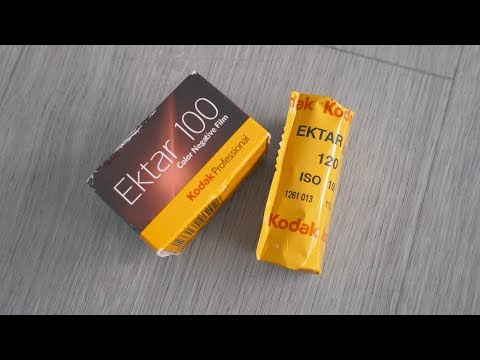
Kodak Ektar 100 Review
Kodak Ektar 100 is a fine-grained, highly saturated film ideal for vivid landscape photography, though its strong contrast and red undertones make it less suitable for portraits.

EKTAR 100 vs PORTRA 400 - A Review and Comparison of Two Kodak Color Negative Films
Kodak Ektar 100 delivers rich color saturation and fine grain ideal for landscapes and street photography, though its reddish rendering of skin tones makes Portra 400 a better choice for portraits.

Kodak Ektar 100 C-41 Color Negative Film Review | All About Film
The reviewer regards Kodak Ektar 100 as an outstanding, fine-grained, extremely sharp color negative film with realistic color accuracy, though it can show a magenta cast on pale skin tones.

Kodak Ektar 100 (Review + Sample Images)
The reviewer was pleasantly surprised by Kodak Ektar 100, praising its vibrant color saturation and exceptionally fine grain, though noting its steep shadow fall-off and punchy skin tones.
Questions people ask about the Ektar 100
What is Kodak Ektar 100 best for?
Landscapes, travel, architecture and other subjects in bright light. Kodak recommends it for nature, travel, outdoor, fashion and product photography, and Blue Moon Camera calls it its top recommendation for pinhole cameras. Camera Clara says blues are its calling card: skies, water and anything with real blue in it.
Sources: kodakprofessional.com, bluemooncameracodex.com, cameraclara.com
Why do some people dislike Ektar 100?
Mostly skin tones and exposure. Fair skin often comes out red, pink or magenta, and several owners say underexposed frames go muddy or blue, so it forgives less than Portra. Bad scans play a part too: James Madison Photography decided the lab scans, not the film, were what she disliked at first.
Sources: jonmullin.com, panoramacircle.com, jamesmadisonphotography.wordpress.com
Why do fair-skinned portraits on Ektar come out reddish?
Ektar renders reds strongly, and most reviewers see light skin turn red or pink, especially in direct sun or when underexposed. Open shade, a little extra exposure and wider environmental framing help. For neutral skin, The Darkroom and Panorama Circle suggest Kodak Portra 160.
Sources: thedarkroom.com, emulsive.org, casualphotophile.com, panoramacircle.com
Should you overexpose Ektar 100?
A little, if you are unsure. Lewis Collard gives it a stop or two extra rather than bracketing, and some Flickr group owners rate it at EI 64 or 80. Camera Clara adds a caution: highlights clip sooner than on Portra, so don't overexpose it as heavily as you would Portra.
Sources: shutter.lewiscollard.com, flickr.com, cameraclara.com
Why do my Ektar 100 photos have a blue tint?
The usual causes are underexposure and the scan. Flickr group members call a blue cast the first sign of underexposure, and Josh Harmon sees blue shadows at box speed or under in daylight. A lab scanner on the wrong preset can also add a strong cast, so ask for a rescan before blaming the film.
Sources: flickr.com, joshharmonimages.com
Can you push Ektar 100 to ISO 400?
You can, but expect a stylized look. Lewis Collard got heavy contrast, super-saturated reds and an extreme blue shift at 400, and Tahusa warns of purple shadows; a Darkroom customer review stopped at ISO 200. Some Flickr posters and Shoot It With Film liked the punchier pushed result.
Sources: shutter.lewiscollard.com, tahusa.co, thedarkroom.com, flickr.com, shootitwithfilm.com
What is the reciprocity failure of Ektar 100?
Kodak's data sheet needs no correction from 1/10,000 second to 1 second and says to run tests for longer exposures. Owners disagree on when it matters: Exaframe puts the start around 10 seconds, Blue Moon Camera says it stays fairly light until about a minute, and Lewis Collard rates its reciprocity characteristics as pretty poor. Bracket night and pinhole shots until you know your results.
Sources: kodakprofessional.com, shutter.lewiscollard.com, exaframe.com, bluemooncameracodex.com
Is Ektar 100 truly the finest-grained color negative film?
That is Kodak's claim, and reviewers broadly back it. Casual Photophile sees virtually no grain in 35mm, and Blue Moon Camera could not find the grain on a 4x5 scan even at full zoom. Kodak's data sheet gives a Print Grain Index under 25, the visual threshold for grain, for a 4x6 print from 35mm.
Sources: kodak.com, casualphotophile.com, bluemooncameracodex.com, kodakprofessional.com
What people compare it with
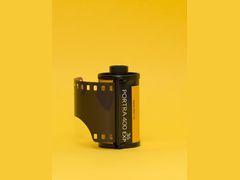
Softer color and more natural skin tones; reviewers' pick for portraits in good light when Ektar's saturation is too strong.
The more flexible Kodak professional color film: two stops faster (ISO 400 against 100) and more forgiving of exposure mistakes, but pricier per roll.
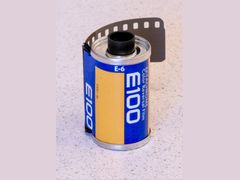
Real color slide film (E-6) for the true slide look; Kodak Alaris lists it in 35mm, 120 and 4x5, 5x7 and 8x10 sheets.
A cheaper Kodak color film; Jon Mullin calls Kodak's consumer films a much more affordable way to learn color photography.
Every source behind this page
Read them yourself. How we pick and count them is in our methodology.
Show all 51 sources
Manuals and references 18
- bellowsfilmlab.com: Search: 46 results found for "ektar"
- cute.camera: Kodak Ektar 100
- emulsive.org: 5 Frames... With Kodak Ektar 100 (EI 100 / 120 / Rolleicord VB)
- en.wikipedia.org: 120 film
- en.wikipedia.org: Kodak
- en.wikipedia.org: Ektar
- filmphotographystore.com: 120 Color Film - Kodak Ektar 100 (5
- filmphotographystore.com: 120 Color Film
- filmphotographystore.com: 35mm Color - Kodak Ektar 100 (1 roll)
- kodakprofessional.com: KODAK PROFESSIONAL EKTAR 100 Film
- kodakprofessional.com: e4046.pdf
- reformedfilmlab.com: Kodak Ektar 100 35mm | 36 Exposures
- thedarkroom.com: 35mm Film Developing by Mail - From $14
- kodak.com: EKTAR 100 Film
- photographyblog.com: Kodak Ektar 100 Sheet Film
- pictureline.com: ektar 100
- richardsphotolab.com: Search: 14 results found for "ektar"
- thedarkroom.com: Ektar Film Reviews & Photos
Independent blogs 13
- Shutter: Kodak Ektar 100 review, by Lewis Collard!
- Jon Mullin Photography: Kodak Ektar 100 Review
- James Madison Photography: Review: Kodak Ektar 100 - film photography
- Panorama Circle: Review Kodak Ektar 100
- Johnny Martyr: Film Review
- Camera Clara: Kodak Ektar 100 review
- Exaframe: Kodak Ektar 100
- Jake Horn Photography: Ektar 100
- The CWO: Kodak Ektar 100
- Tahusa analog film review: Analog Film Review: Kodak Ektar 100
- Carlos Garcia Photo: Kodak Ektar 100 Review
- Josh Harmon Images: Kodak Ektar 100 Film Review
- Timothy Hutto: Reciprocity failure and Kodak Ektar 100
Forums 8
- Flickr Kodak Ektar 100 group: Discussing Photos with a bluish tint in Kodak Ektar 100
- Flickr Kodak Ektar 100 group: Flickr: Discussing Ektar pushed to 400 in Kodak Ektar 100
- Flickr Kodak Ektar 100 group: Flickr: Discussing Metering for ektar in Kodak Ektar 100
- Flickr Kodak Ektar 100 group: Flickr: Discussing 100 vs 80 for speed setting? in Kodak Ektar 100
- Flickr Kodak Ektar 100 group: Flickr: Discussing Ektar 100 on Flickr Blog (May 8, 2012) / Welcome new members in Kodak Ektar 100
- Flickr Kodak Ektar 100 group: Flickr: Discussing 35mm Ektar samples ? in Kodak Ektar 100
- Flickr Kodak Ektar 100 group: Flickr: Discussing Issues with Ektar in Daylight in Kodak Ektar 100
- Talk Photography forum: Kodak Ektar 100
Editorial reviews 6
- Blue Moon Camera Codex: Film Friday Kodak Ektar 100 Film Review with Sample Photos
- Casual Photophile: Kodak Ektar 100
- Shoot It With Film: How To Shoot Kodak Ektar 100 » Shoot It With Film
- The Phoblographer: Review: Kodak Ektar 100 (35mm and 120; Various Formats)
- Light Stalking: Three Common Film Photography Mistakes And How To ...
- Parallax Photographic Coop: Kodak Ektar 100 120 Film Review
Video reviews 5
- Kyle McDougall: Testing The Exposure Limits Of Kodak Ektar 100
- NegativeFeedback: Kodak Ektar 100 Review
- Dan Bullman Photography: EKTAR 100 vs PORTRA 400 - A Review and Comparison of Two Kodak Color Negative Films
- David Hancock: Kodak Ektar 100 C-41 Color Negative Film Review | All About Film
- Gaku Lange: Kodak Ektar 100 (Review + Sample Images)
Retailer customer reviews 1
Keep reading
Film stocks
Kodak Portra 160 is a fine-grain ISO 160 color film, $13.99 to $17.99 a 35mm roll in Oct 2026. What 148 opinions say about skin tones, latitude and low light.
Film stocks
Kodak Portra 400 is an ISO 400 color film loved for skin tones and latitude. What 113 opinions say, how to expose and push it, and US prices from $15.99.
Film stocks
Kodak Ektachrome E100 is ISO 100 E-6 slide film, $22.99 to $28.63 a 35mm roll in October 2026. What 147 opinions say about its color, grain and latitude.
Film stocks
How to push film: what a stop means, what to set on your camera, how to tell the lab, one-stop fees from $0 to $4, home development times and how to pull film.
Film stocks
35mm vs 120 film: common 120 frames are 2.7 to 5.4 times bigger than 35mm but give 8 to 16 shots a roll. Cost per frame, lab prices and which to pick.
Developing and scanning
Scanning film with a DSLR, step by step: gear and October 2026 prices, exact camera settings, how it compares with a flatbed and fixes for common scan problems.