Ilford XP2 Super: the black-and-white film any color lab can develop
The short answer
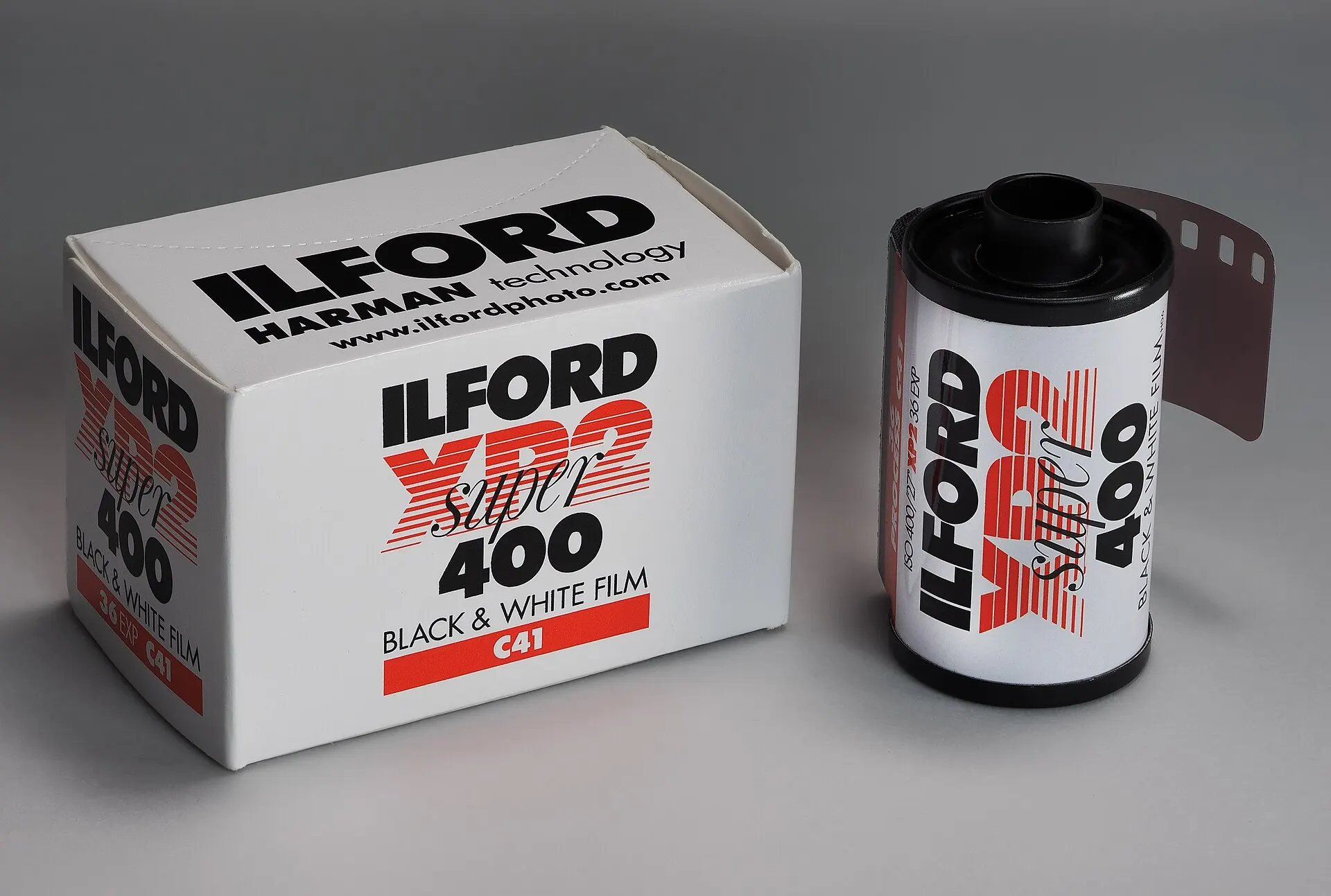
Ilford XP2 Super is an ISO 400 black-and-white film developed in C-41, the same chemistry as color negative film, so any lab that runs color film can process it.
Owners and reviewers mostly praise its very fine grain, sharpness and wide latitude (Ilford says frames from EI 50 to 800 can share one roll), and 83 of the 119 opinions collected here are positive. A 36-exposure 35mm roll costs $12.99 to $16.99 at the three US shops checked on October 28, 2026.
- Box speed
- ISO 400
- Exposure range (Ilford)
- EI 50-800 on one roll
- Process
- C-41 color chemistry
- 35mm, 36 exp
- $12.99-16.99
Built from 119 opinions from 28 pages and videos. Not yet tested by Camera Dojo. Updated .
The short version
The catch is the look. XP2 is clean and smooth rather than gritty: its critics find it flat in dull light or harsh sun, too creamy, or short on the character of silver films like Ilford HP5 Plus and Kodak Tri-X 400. It also dislikes underexposure, where shadows block up, and Ilford says push processing gains no real speed. Several reviewers rate it a little slower than box speed, around ISO 200 to 320, to keep shadow detail, though others shoot it at 800 or higher.
It is also the last film of its kind. Kodak dropped BW400CN in 2014 and Fuji ended Neopan 400CN in 2020, leaving XP2 Super, made since 1998, as the only chromogenic black-and-white film still in production, according to Flash of Darkness. The roll costs more than silver film (Digital Camera World put it about $5 above HP5 Plus in early 2024), though labs that charge extra for black and white can make up some of the difference.
Good fit if
- Your nearest lab only develops color film. XP2 runs through the same C-41 line with no special handling.
- You meter loosely, or shoot an old camera with a drifting shutter or a doubtful meter. Owners say the latitude covers mistakes, especially overexposure.
- You want fine grain and crisp detail at ISO 400 for documentary, architecture or travel.
- You scan with Digital ICE: automatic dust removal works on XP2 but not on silver black-and-white film.
- You want to change speed mid-roll. Ilford says frames from EI 50 to 800 can share one roll with normal processing.
Think twice if
- You love visible grain and punchy contrast. Reviewers who want that point to Kodak Tri-X 400 or Ilford HP5 Plus.
- You develop black and white at home and like shaping contrast with developer and time. XP2 is made for fixed C-41 processing.
- You mostly shoot in dim light or plan to underexpose. Shadows go muddy, and Ilford says pushing gains no practical speed.
- You want the cheapest black-and-white roll. Digital Camera World put XP2 about $5 a roll above HP5 Plus and $2-3 above Tri-X in early 2024.
- You print in a darkroom a lot. Owners are split: some find it prints easily, others find it difficult.
Photos shot on Ilford XP2 Super
Photos shot on Ilford XP2 Super in 35mm and 120, shared under free licenses on Wikimedia Commons.
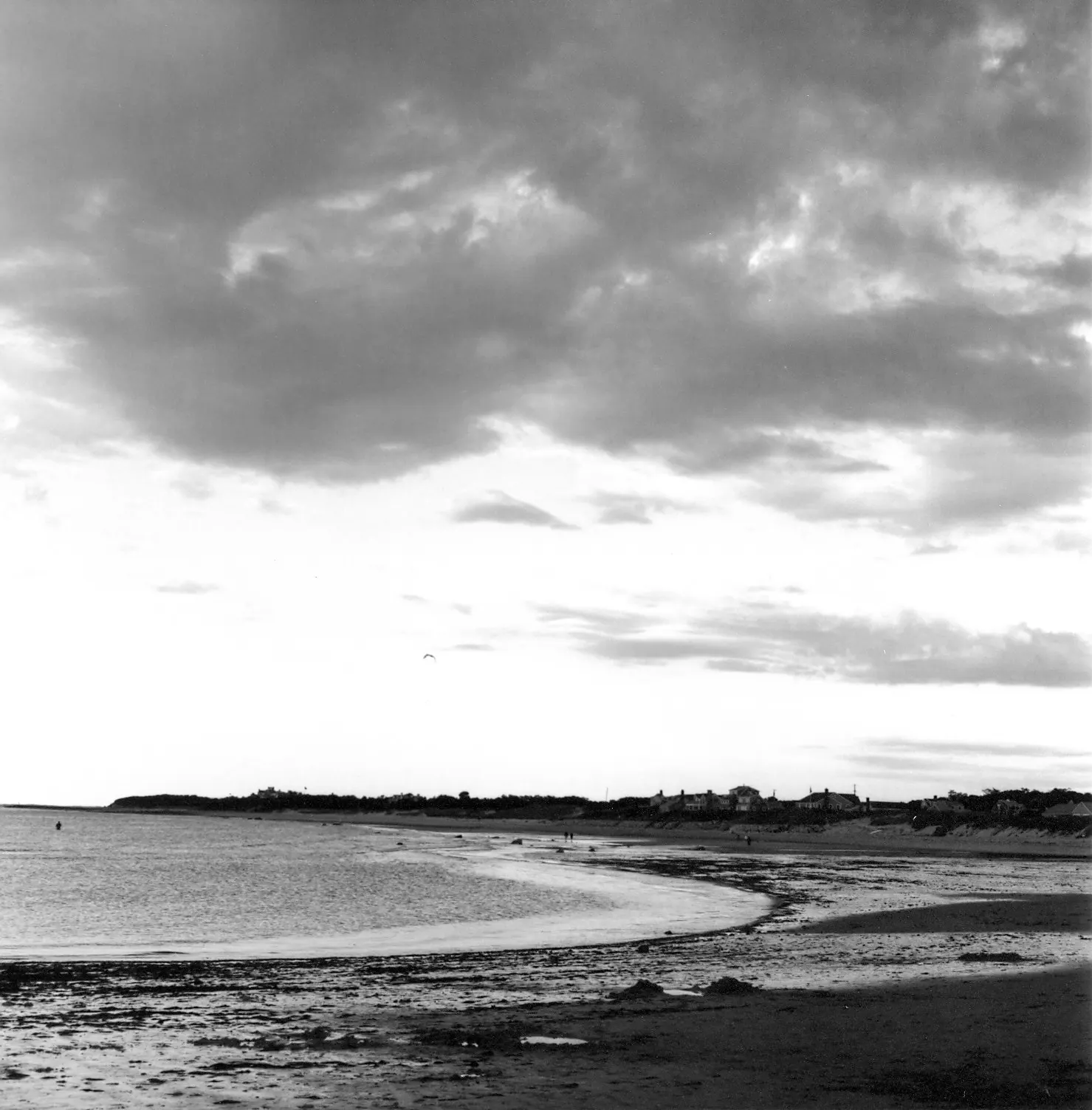
Cape Cod, Massachusetts, 2007, Rolleiflex 2.8F (120)Photo: Pasquale Robustini, CC BY 3.0 
Locarno, Switzerland, 2016, Leica IIIcPhoto: NAC, CC BY-SA 4.0 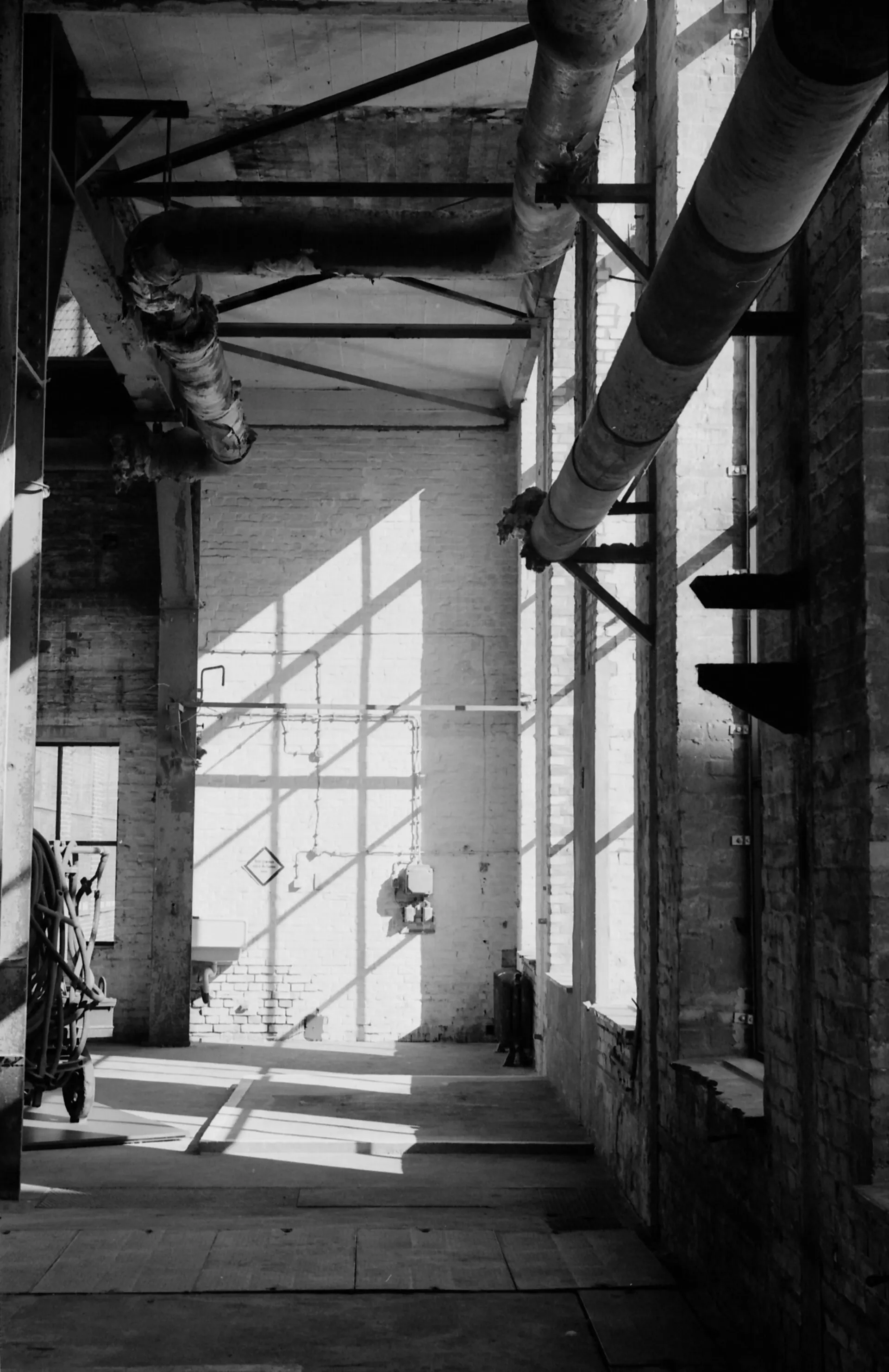
Peenemünde, Germany, 2015, Leica IIIcPhoto: NAC, CC BY-SA 4.0 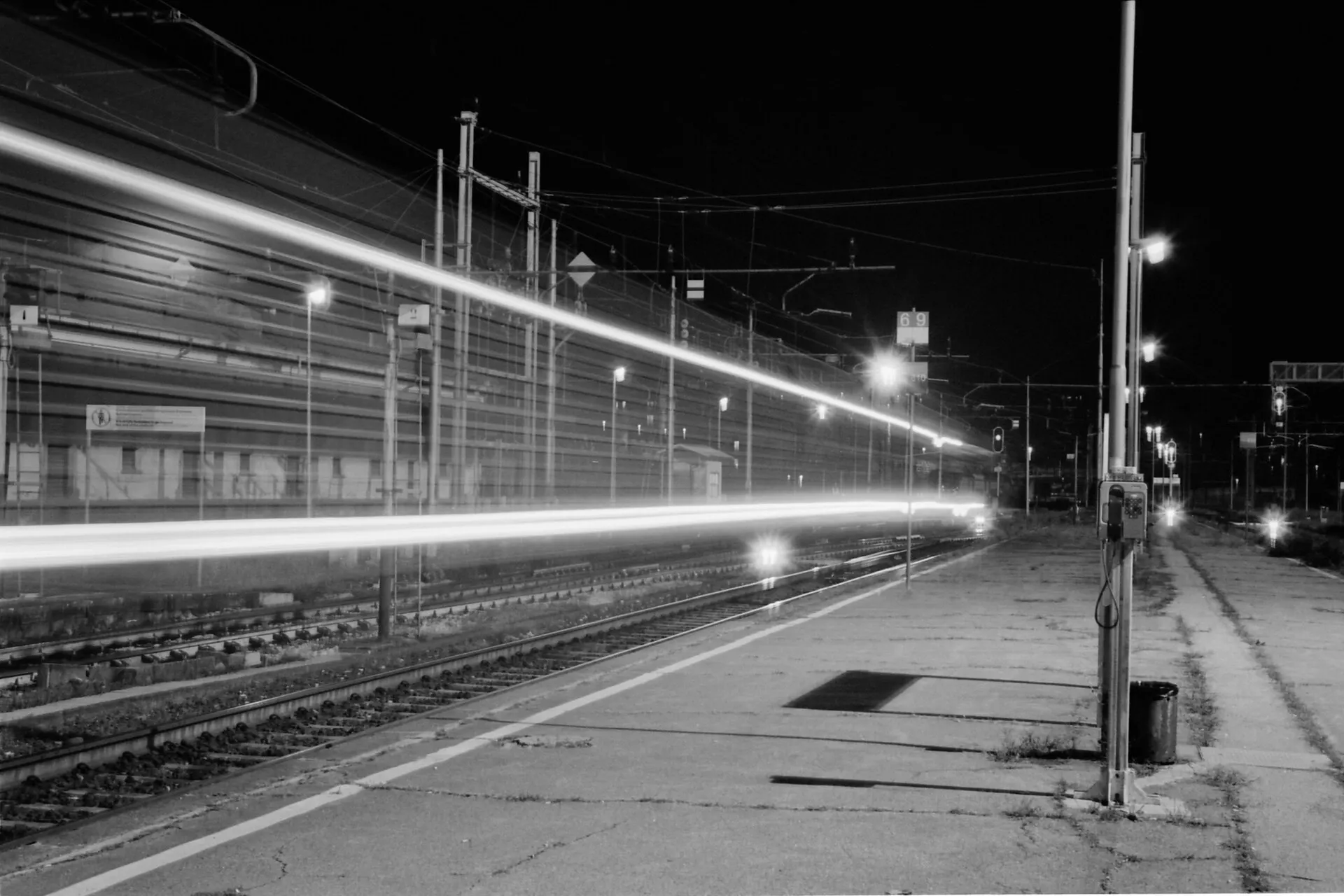
Domodossola, Italy, 2015, Leica IIIcPhoto: NAC, CC BY-SA 4.0 
Alpuente, Spain, 2023, Praktica MTL 5Photo: MrPotato1010, CC BY-SA 4.0 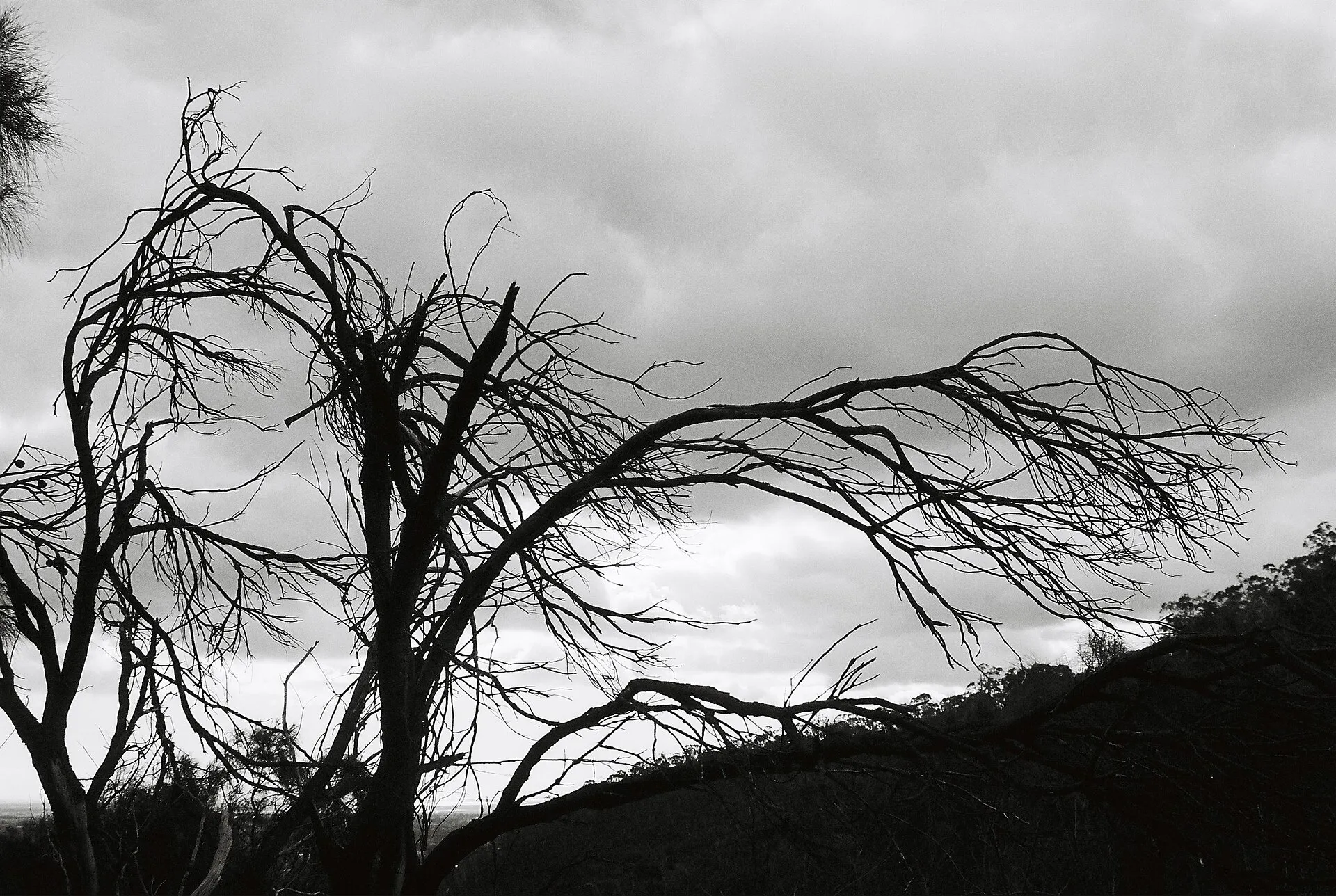
Morialta Conservation Park, Adelaide, Australia, 2024, Pentax MXPhoto: Hallo3800, Public domain
What owners and reviewers say, topic by topic
We sorted 119 opinions about the XP2 Super from 28 pages and videos on 16 websites and channels. Each row shows how many people raised a topic and how many of them were positive. Open a row to read short quotes, each linked to its source.
Many voices are UK and European: blogs such as 35mmc, Emulsive and Flash of Darkness, editorial reviews, and customer reviews at Analogue Wonderland, a UK film shop, which show only a first name and initial and no dates. Reddit, the DPReview forum and US retailer reviews could not be read. Analogue Wonderland, Parallax and Focus Nordic sell film, and Emulsive contributor Matt Parry works for Harman, the company that makes Ilford film.
Overall look50% positiveof 26
The most divided topic. Fans describe crisp, smooth tones with deep blacks and controlled highlights; critics find it flat in dull or sunny light, too creamy, or less characterful than HP5 Plus, Tri-X or FP4 Plus.
“I find the look too creamy and to my eyes, characterless.”
Casual Photophile 2019-10Owner
“I love the very bright blacks and whites and its three-dimensionality.”
Andrea Bianchi, Emulsive 2021Owner
“It also has a unique look, and for many, including me, that's it's biggest appeal.”
“Found 35mm quite contrasty when my old lab developed it”
Grain76% positiveof 17
Praised almost across the board, with no negative voices. Reviewers call the grain very fine to nearly invisible at ISO 400 and finer still when overexposed; the mixed notes say it shows more when underexposed and that some people miss an obvious film-grain look.
“The grain turned out really pleasant, not overwhelming or too harsh.”
Tyler Ross Longfellow, Emulsive 2020-02Owner
“Xp2 is so fine grained I don't feel the need to go to MF (Holga excepted!)”
Casual Photophile 2019-10Owner
“There's also something about how clean for grain XP2 can be in the highlights”
Hamish Gill, 35mmc 2025-03Owner
“The grain structure is fine given the ISO and whilst it isn't as contrasty as others, a little tweaking in post and it'll sing.”
Exposure latitude94% positiveof 17
The strongest consensus, with 16 positive voices and one negative. Owners lean on it in cameras with drifting shutters or doubtful meters, and one customer says even four stops over barely shows; Flash of Darkness warns that underexposed areas block up.
“the XP2 perfectly compensates for these age-related quirks in some cameras”
35mmc 2025-03Owner
“I knew from experience that the exposure latitude with this film is very good”
Brian Etherington, Emulsive 2020-11Owner
“It's still not expensive, it's very forgiving (I've seen great results at ISO 100 and 600)”
Casual Photophile 2019-10Owner
“I would argue even 4 stops over is hardly noticeable to the end result.”
Scanning and printing62% positiveof 13
Mostly positive for scanning: moderate contrast and working Digital ICE dust removal come up again and again. Darkroom printing is split, and the mixed notes mention a magenta cast in automated lab scans and noisy shadows on underexposed frames.
“I found that it printed consistently, easily, and nicely.”
“The contrast is moderate, which makes it well suited for scanning.”
“Because Ilford XP2 does consist of multiple layers, ICE will work just as it does with color film.”
The Thoughts & Photography of Johnny Martyr 2021-07Owner
“I tried C41, in a commercial lab, and Rodinal is still better”
Luis Domingos, Analogue Wonderland film review 2024-09Owner
Sharpness and detail92% positiveof 12
Eleven of twelve opinions call it sharp and detailed. Johnny Martyr thinks it is probably crisper than a conventional ISO 400 film, and one 120 shooter compares it to large format; the single mixed note says overexposure costs a little sharpness.
“It has very high sharpness and exceptionally fine grain.”
“XP2 has given me the crispness and detail that I imagined when taking this photo.”
Ted Ayre, 35mmc 2023-03Owner
“I find that the film is sharp, with fantastic detail in corners and straight lines.”
Simon King, Emulsive 2018-05Owner
“Ilford XP2 is probably sharper and more crisp than a competing conventional b&w film at the same ISO”
The Thoughts & Photography of Johnny Martyr 2021-07Owner
Price and availability73% positiveof 11
Mostly positive, but mainly about developing: C-41 labs are everywhere, fast and often cheaper than black-and-white processing. The one negative notes that HP5 Plus costs less to buy where that commenter shops.
“cheap, accessible and plentiful”
Casual Photophile 2019-10Owner
“Because it uses the C41 process, it can be developed in all normal photo laboratories, also with hourly development.”
“With XP2 I'm able to get my negatives back within a few hours, as the C41 process is available from basically any lab.”
Simon King, Emulsive 2018-05Owner
“I'd happily use this one when I really didn't want to spend the extra on B&W development.”
Pushing and pulling80% positiveof 10
Mostly positive: owners rate it at 800 or 1600 and report good results, often with normal development. Ilford itself says push processing gains no real speed, and Focus Nordic sees no point in pulling it.
“There will be no point in pulling the film, that is, exposing it at a lower ISO and reducing the development accordingly.”
“I have tried one-stop variations successfully.”
“I found that I could over-rate XP2 400 and Portra 400 as high as 6400 without pushing.”
The Thoughts & Photography of Johnny Martyr 2021-01Owner
“setting it at EI1600 (indoors, no flash) and having it developed accordingly, and it worked a treat!”
Ted Ayre, 35mmc 2023-03Owner
Low light and night25% positiveof 4
Thin and split. Focus Nordic shoots it handheld at night with fast lenses, while Flash of Darkness finds shadows turn muddy in low light and Johnny Martyr says negatives get thin past EI 1600.
“It's also not the best in low light. Shadows can become muddy and somewhat lifeless.”
“I can often work handheld with XP2 Super 400 at night”
“But going higher than 1600 results in somewhat dangerously thin negatives, increased grain and very specific lighting needs.”
The Thoughts & Photography of Johnny Martyr 2021-01Owner
“In less lighted conditions where you can control a bit more, the contrast really has a big improvement.”
Madison Hyer, James Madison Photography 2019-02Hands-on review
Consistency75% positiveof 4
Only four voices. Three owners say it delivers: two long-time users, and one who liked how evenly it held shadow and highlight detail across a roll. The one negative comes from a reviewer whose rolls were ruined at a local lab, not a fault in the film.
“after having a couple rolls get ruined at the shop across the street”
Madison Hyer, James Madison Photography 2019-02Hands-on review
“XP2 never fails to deliver for me.”
Jake Williams, Emulsive 2020-12Owner
“The film delivers quality every time”
“I also like how consistent the images looked in regards to shadow and highlights with detail throughout.”
Wendy Chapman, Emulsive 2020-07Owner
Color0% positiveof 3
Only three comments, none positive. Because the image is dye, color scans or lab prints can carry a sepia or brownish cast that shifts with the developer, which Johnny Martyr removes by scanning in black-and-white mode; Kash Photo mentions browning only as something he has heard of.
“I have also heard it can suffer from some browning effect on the final image sometimes”
Kash Photo 2017-07Hands-on review
“with only the colour cast typical of XP changing somewhat depending on the developer used”
35mmc 2025-03Owner
“when scanned in full color mode, the resulting image has a cool sepia tone, thanks to the orangish color of the negative base”
The Thoughts & Photography of Johnny Martyr 2021-07Owner
PositiveMixedNegative
What is Ilford XP2 Super, and why does it go in C-41?
XP2 Super is a chromogenic film. According to Ilford's data sheet, the dyes that make up the image form during development, so the film runs through standard C-41 color lines alongside color negative film with no change to processing speed, temperature or replenishment. Ilford still calls it a true black-and-white film, and the result is a black-and-white negative you can scan or print.
The dye image explains its quirks. Overexposed negatives get finer grain, the opposite of silver film, and Digital ICE dust removal works on the scans. Correctly processed negatives look pink or red-brown and slightly darker than other black-and-white negatives, which Ilford says is normal.
The line goes back to XP1, launched at photokina in September 1980 and on sale from January 1981, per Wikipedia. XP2 followed (Wikipedia says 1991, Flash of Darkness says 1988), then XP2 Plus in 1996 and XP2 Super in 1998. With Kodak BW400CN gone since 2014 and Fuji Neopan 400CN since 2020, Flash of Darkness calls it the last chromogenic black-and-white film still in production.
Sources: ilfordphoto.com, ilfordphoto.com, en.wikipedia.org, flashofdarkness.com
How to expose Ilford XP2 Super
XP2 forgives a lot, but it forgives overexposure far more than underexposure. These habits come from Ilford's data sheet and product page and from the reviewers quoted on this page.
- 1
Start at ISO 400 or a little slower
Ilford lists EI 400 for the best overall quality, EI 200 for finer grain with easy printing, and EI 50 for the finest grain but denser negatives. Flash of Darkness suggests ISO 200 to 320 to keep shadow detail, and Michael Keppler on 35mmc gets his best results between 200 and 400.
- 2
Change speed mid-roll if you need to
Ilford says frames shot anywhere from ISO 50 to 800 can share one roll and still get standard C-41. Digital Camera World switched between ISO 200 and 800 depending on the scene and kept detail in both shadows and highlights.
- 3
Meter for the shadows
Flash of Darkness suggests spot metering the darkest shadow where you still want texture, then exposing 1 to 1 1/2 stops below that reading. Underexposed areas block up into deep blacks and lose their midtones.
- 4
Use it in old or unproven cameras
Keppler says the latitude covers shutter speeds that have drifted with age, and Emulsive's Brian Etherington chose it for a long-forgotten Olympus Trip 35 whose meter he had just repaired.
- 5
Use filters as usual
Ilford says color, polarizing and neutral density filters all work in the usual way. Keppler, who shoots black-and-white film almost always with filters, used a yellow filter for his XP2 frames and says it responds very well to them.
- 6
Skip reciprocity math under a second
Ilford's data sheet says exposures from 1 second to 1/10,000 second need no correction; longer exposures follow a graph in the data sheet.
Sources: ilfordphoto.com, ilfordphoto.com, flashofdarkness.com, 35mmc.com, digitalcameraworld.com, emulsive.org
Can you push or pull Ilford XP2 Super?
Not in the usual way. Ilford's data sheet says push processing is not recommended because, unlike silver ISO 400 films, XP2 gains no practical speed from it; instead, expose at up to EI 800 and process normally. Pulling makes little sense either: Focus Nordic's reviewer sees no point in cutting development and suggests rating it at ISO 200 with normal processing.
Owners go further anyway. Ted Ayre on 35mmc rated a roll at EI 1600 for an indoor party with no flash and had it developed accordingly, and Johnny Martyr found he could over-rate it as high as 6400 without a push at C-41 labs, though he says past 1600 the negatives get thin and the shadows blocky. If you do push, Focus Nordic says to tell the lab the speed you used. More on the technique in how to push and pull film.
| EI | What sources report |
|---|---|
| 50 | Ilford: finest grain, but denser negatives |
| 200 to 320 | Ilford: EI 200 gives finer grain with easy printing. Flash of Darkness rates it 200 to 320 to hold shadow detail. |
| 400 | Box speed. Ilford: best overall quality. |
| 800 | Ilford's top speed for normal processing. Simon King meters at 800 by habit and sees no loss of quality. |
| 1600 | Ted Ayre: worked well indoors, developed accordingly. Simon King: unclear results, possibly his exposure. Johnny Martyr: a solid speed. |
| Above 1600, up to 6400 | Johnny Martyr: usable at C-41 labs without a push, but thin negatives, more grain and very specific light needs past 1600. |
Ilford's rule keeps it simple: stay at EI 800 or below and the roll gets standard C-41 like any other.
Sources: ilfordphoto.com, ilfordphoto.com, focusnordic.com, 35mmc.com, johnnymartyr.wordpress.com, johnnymartyr.wordpress.com, emulsive.org, flashofdarkness.com
Where to develop XP2 Super, and what it costs
Any lab that develops color negative film can run XP2 Super: Ilford says any mix of XP2 and color film keeps a C-41 line stable. Mark the roll as C-41 on the order so it is not billed or processed as conventional black and white. Analogue Wonderland's lab, for example, develops it as C-41 as standard, and customers who want more contrast can opt for black-and-white development.
The saving depends on the lab. Reformed Film Lab lists 35mm develop plus small scans at $12.00 for C-41 and $16.00 for black and white, a $4 difference per roll, while Dwayne's Photo lists 35mm color and black-and-white processing at the same starting price of $7.50. Digital Camera World's reviewer says his local lab charges almost twice as much for black and white. Ask which rate your lab applies to XP2, and compare more labs in how much it costs to develop film.
At home, use a normal C-41 kit. Ilford says to handle the film in total darkness, and one Analogue Wonderland customer develops it in the same tank as his color rolls. Step by step: how to develop film at home.
Black-and-white chemistry also works, but Ilford does not recommend it because the grain-free look and Digital ICE scanning are lost. Some owners do it anyway: Tyler Longfellow on Emulsive developed a roll shot at EI 1600 in Ilford DD-X and liked the grain, an Analogue Wonderland commenter prefers his Rodinal results to a commercial C-41 lab's, and Ilford's own site hosts a home developer's experiment with HC-110.
Sources: ilfordphoto.com, analoguewonderland.co.uk, reformedfilmlab.com, reformedfilmlab.com, dwaynesphoto.com, digitalcameraworld.com, emulsive.org, analoguewonderland.co.uk, ilfordphoto.com
Scanning and printing XP2 Super negatives
Scanning is where XP2 shines. Because the image is dye, Digital ICE and other infrared dust removal work on it; Ilford explains that silver black-and-white film blocks the trick because silver reflects the infrared light the same way dust does. Focus Nordic's reviewer also finds its moderate contrast well suited to scanning. Tips for doing it yourself: how to scan film at home.
Scan in black-and-white or grayscale mode. Johnny Martyr says a full color scan picks up a sepia tone from the base, and Analogue Diaries warns that automated lab scans can add a magenta cast. Flash of Darkness adds that underexposed or very contrasty frames make the scanner amplify shadow noise that looks like grain the film does not have.
For the darkroom, Ilford recommends its Multigrade variable-contrast papers and says most XP2 negatives print on the same grade whatever the enlarger. The emulsion side is glossy, unlike most black-and-white negatives, so check the frame numbers to find the right way up. Owners are split on printing: Patrick Gillin found it printed consistently and easily, while one Analogue Wonderland customer finds it a little difficult.
Sources: ilfordphoto.com, focusnordic.com, johnnymartyr.wordpress.com, youtube.com, flashofdarkness.com, emulsive.org, analoguewonderland.co.uk
Ilford XP2 Super or Ilford HP5 Plus?
 Ilford XP2 Super | 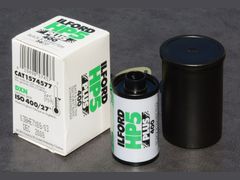 Ilford HP5 Plus | |
|---|---|---|
| Process | C-41 color chemistry | Black-and-white chemistry |
| Grain | Virtually invisible in well-exposed areas, per Flash of Darkness | More visible silver grain, per the same review |
| Look | Even tones and lots of midtones, in Ted Ayre's side-by-side on 35mmc | More dramatic, in the same comparison |
| Rated at EI 800 | Developed normally (Ted Ayre, and Ilford's own advice) | Pushed one stop in development (Ted Ayre) |
| Scanning | Digital ICE dust removal works | Digital ICE does not work on silver film, per Ilford |
| Price | About $5 a roll more than HP5 Plus in early 2024, per Digital Camera World | The cheaper roll |
Pick the Ilford XP2 Super if
- Your nearest lab only runs C-41, or charges more for black and white
- You want smooth, fine-grained tones and automatic dust removal when you scan
- You meter loosely and want room for overexposure
Pick the Ilford HP5 Plus if
- You want grain, drama and contrast straight from the negative
- You develop black and white at home and want to push or shape contrast in the developer. Full guide: Ilford HP5 Plus
Sources: flashofdarkness.com, 35mmc.com, ilfordphoto.com, digitalcameraworld.com
What a roll of XP2 Super costs
Among the shops listed here, a 36-exposure 35mm roll costs $12.99 to $16.99 and a 120 roll $9.99 to $12.00. B&H, Adorama and Freestyle also sell it, but their prices are left out because we could not confirm them.
Film Photography Project Store
New, 35mm, 36 exposures, DX-coded, 1 roll
$12.99
See listingReformed Film Lab
New, 35mm, 36 exposures, 1 roll
$15.75
See listingThe Camera Exchange
New, 35mm, 36 exposures, 1 roll (listed in stock, can be backordered)
$16.99
See listingFilm Photography Project Store
New, 120, 1 roll
$9.99
See listingReformed Film Lab
New, 120, 1 roll
$12.00
See listingFilm Photography Project Store
New, 620, 1 roll, hand-rolled by FPP
$18.99
See listing
Prices checked on October 28, 2026. They move every week, so treat them as a range, not a quote. At the Film Photography Project's $12.99, a 36-exposure roll works out to about 36 cents a frame ($12.99 / 36) before developing. Add Reformed Film Lab's $12.00 C-41 develop and small scans, if your lab bills XP2 at its C-41 rate, and it is about 69 cents a frame ($12.99 + $12.00 = $24.99, divided by 36). The 620 roll is XP2 Super hand-rolled by the Film Photography Project onto a reusable 620 spool, not an Ilford product.
Technical data
Film
- Speed
- ISO 400/27°
- Exposure range
- EI 50/18° to 800/30° on one roll
- Push processing
- Not recommended by Ilford (no practical speed gain)
- Reciprocity
- No correction from 1 s to 1/10,000 s
- Processed negatives
- Usually pink or red-brown, glossy emulsion side
Formats
- 35mm bulk
- 30.5 m (100 ft)
- Single-use camera
- 27 exposures, f/9 lens, built-in flash
History and storage
- Introduced
- 1998 (XP line since 1980)
- Fridge or freezer
- Fine, if the film warms up before use
Video reviews worth your time

Ilford XP2 SUPER: The Last of the Chromogenic Black & White | ROLL REVIEW
Ilford XP2 Super is a versatile, C-41 processable black-and-white film that delivers sharp, well-balanced images with great scanning convenience, though it has a somewhat plain look compared to traditional film stocks.

The Trips Perfect Partner? Ilford XP2 Super 400 35mm Film Review
The Ilford XP2 Super is an accessible, finely-grained black-and-white film that offers forgiving exposure latitude and convenient C-41 color processing.

Ilford XP2 Super Review | The Cheapest Black & White Film
Ilford XP2 Super is a versatile, fine-grained black and white film with wide exposure latitude and convenient C-41 processing.

Ilford XP2 Review - "The Colour B&W Film"
Ilford XP2 Super is a highly versatile chromogenic black-and-white film that offers wide exposure latitude, easy scanning with digital dust removal, and convenient C-41 processing.

Ilford XP2 Film Review
The reviewer recommends Ilford XP2 Super as a versatile and sharp black-and-white film, especially convenient for photographers who process C-41 color film at home.
Questions people ask about the XP2 Super
Is Ilford XP2 a real black and white film?
Yes. It produces black-and-white negatives, but the image is made of dyes formed in C-41 color chemistry instead of silver. Ilford calls it a true black-and-white film and Flash of Darkness agrees, though 35mmc's Hamish Gill notes that some people say it is not a proper one.
Sources: ilfordphoto.com, flashofdarkness.com, 35mmc.com
What ISO should I shoot Ilford XP2 at?
Box speed is ISO 400, which Ilford says gives the best overall quality. Several reviewers rate it a little slower for denser negatives and finer grain: Flash of Darkness suggests 200 to 320, and Michael Keppler on 35mmc gets his best results between 200 and 400. Ilford says anything from EI 50 to 800 can be developed normally, even on the same roll.
Sources: ilfordphoto.com, flashofdarkness.com, 35mmc.com
How far can you push XP2?
Ilford says to expose at up to EI 800 and develop normally, because push processing gives no practical speed gain. Owners report usable results at EI 1600, and Johnny Martyr went as high as 6400 at C-41 labs, but he says negatives get thin and shadows blocky past 1600. See [how to push and pull film](/film/push-and-pull-film/).
Sources: ilfordphoto.com, 35mmc.com, johnnymartyr.wordpress.com, johnnymartyr.wordpress.com
Can you develop Ilford XP2 in regular black and white developer?
Yes, some owners do, but Ilford does not recommend it because the grain-free look and Digital ICE scanning are lost. Emulsive's Tyler Longfellow developed a roll shot at EI 1600 in Ilford DD-X and liked the grain, and an Analogue Wonderland commenter prefers Rodinal to a commercial C-41 lab.
Sources: ilfordphoto.com, emulsive.org, analoguewonderland.co.uk
Is XP2 cheaper to develop than regular black and white film?
Often, but not everywhere. Reformed Film Lab lists 35mm develop and small scans at $12.00 for C-41 and $16.00 for black and white, while Dwayne's Photo starts both at $7.50. Ask your lab to run XP2 as C-41, and remember the roll itself costs more than HP5 Plus.
Sources: reformedfilmlab.com, reformedfilmlab.com, dwaynesphoto.com, digitalcameraworld.com
How do you get rid of the orange mask when scanning XP2?
Set the scanner software to black-and-white or grayscale. Johnny Martyr says a full color scan picks up a sepia tone from the base and switching modes removes it. Strictly, there is no orange mask: Ilford says XP2 sits on a traditional black-and-white base and processed negatives are usually pink or red-brown.
Sources: johnnymartyr.wordpress.com, ilfordphoto.com, ilfordphoto.com
Is there a disposable camera with Ilford XP2?
Yes. Ilford's single-use black-and-white camera holds 27 exposures of XP2 Super behind an f/9 lens with a built-in flash, and any C-41 lab can develop it. The Phoblographer's reviewer says you will need the flash at times. More options in [best disposable cameras](/cameras/best-disposable-cameras/).
Sources: thephoblographer.com, en.wikipedia.org
Is XP2 a good film for beginners?
Many think so. Casual Photophile's author recommends it to friends trying serious film photography because it is forgiving and does not need home developing, and owners say its latitude covers metering mistakes. The trade-off is a clean, smooth look that some find flat next to HP5 Plus or Tri-X.
Sources: casualphotophile.com, analoguewonderland.co.uk
What people compare it with
The silver ISO 400 film most people weigh it against: cheaper per roll, more visible grain and more drama, but it needs black-and-white processing and Digital ICE will not work on it.
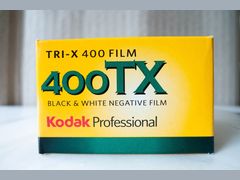
Punchier contrast and obvious grain; Digital Camera World put it $2-3 a roll below XP2 in early 2024. Also needs black-and-white processing.
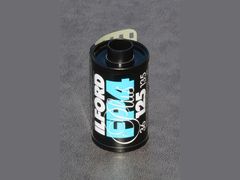
Ilford FP4 Plus or the Delta range
Kash Photo's reviewer rates XP2 good but not great and would pick these Ilford silver films instead.
Kodak BW400CN and Fuji Neopan 400CN
The other C-41 black-and-white films, discontinued in 2014 and 2020. Ilford published a sheet pitching XP2 Super as an alternative to Kodak T400CN.
Every source behind this page
Read them yourself. How we pick and count them is in our methodology.
Show all 43 sources
Manuals and references 15
- en.wikipedia.org: Ilford XP
- filmphotographystore.com: 120 BW Film Ilford Xp2 400 (Single Roll)
- filmphotographystore.com: 35mm BW Film Ilford XP2 400 (1 Roll)
- filmphotographystore.com: 620 BW Film Ilford Xp2 400 (Single Roll)
- reformedfilmlab.com: Black & White Film Processing By Mail
- reformedfilmlab.com: Mail-In Color Film Processing
- reformedfilmlab.com: Ilford XP2 Super 400 120 Film
- reformedfilmlab.com: Ilford XP2 Super 400 35mm | 36 Exposure
- camerax.com: Ilford XP2 Super Black and White Negative Film (35mm Roll Film, 36 Exposures)
- dwaynesphoto.com: Film Processing Services
- ilfordphoto.com: Just a moment...
- ilfordphoto.com: Just a moment...
- ilfordphoto.com: Just a moment...
- ilfordphoto.com: XP2 SUPER 35mm
- thephoblographer.com: Film Camera Review
Editorial reviews 13
- Emulsive: Chromogenic inspiration: ILFORD XP2 Super
- Emulsive: Why shoot film part 3: ILFORD XP2 Super report
- Emulsive: 5 Frames... With ILFORD XP2 SUPER (EI 400 / 35mm format / Olympus XA3)
- Emulsive: 5 Frames... With ILFORD XP2 SUPER (EI 1600 / 120 format / Mamiya 645 AFD)
- Emulsive: 5 Frames with a forgotten Olympus Trip 35 on ILFORD XP2 Super (35mm Format / EI 200)
- Emulsive: 5 Frames... Of Edinburgh Castle on ILFORD XP2 Super (120 Format / EI 400 / Rolleicord)
- Emulsive: 5 Frames... Of the Asparagus Capital of England with ILFORD XP2 Super (EI 400 / 120 format / Pentax 645N)
- Emulsive: 5 Frames... Of canals, locks, floodgates, sluices, and levees on ILFORD XP2 Super (35mm / EI 320 + Y48 Filter / Nikon F3 + MD-4 / 50mm 1.2 AI-s) - by Patrick Gillin
- Analogue Wonderland film review: Ilford XP2 Review
- Digital Camera World: Ilford XP2 Super 35mm film review
- Casual Photophile: Ilford XP2 Super
- Parallax Photographic Co-op: Ilford XP2 Super 400 Film Review
- Focus Nordic: Ilford XP2 Super 400 review
Independent blogs 8
- 35mmc: Ilford XP2 - High Street Superhero - Film Review
- 35mmc: 5 frames with a Hasselblad SWC and Ilford XP2 super
- 35mmc: Our Annual Brean Day with my Leica CL, Omnar Pantessa FLB and Ilford XP2
- Flash of Darkness: Magic without Silver - Ilford XP2 Super
- The Thoughts & Photography of Johnny Martyr: Ilford XP2 - A Smart Go
- The Thoughts & Photography of Johnny Martyr: Rating + Processing for Available Light Portraits - EI 1600 ISO - The Thoughts & Photography of Johnny Martyr
- James Madison Photography: Review: Ilford XP2 Super - film photography
- Kash Photo: Week 34
Video reviews 5
- Analog Resurgence: Ilford XP2 SUPER: The Last of the Chromogenic Black & White | ROLL REVIEW
- Rob Nunn: The Trips Perfect Partner? Ilford XP2 Super 400 35mm Film Review
- Danilo Allen: Ilford XP2 Super Review | The Cheapest Black & White Film
- Analogue Wonderland: Ilford XP2 Review - "The Colour B&W Film"
- Analogue Diaries: Ilford XP2 Film Review
Retailer customer reviews 2
Keep reading
Film stocks
Ilford HP5 Plus is an ISO 400 black-and-white film known for latitude and easy pushing. What 112 opinions say, how to shoot it, and US prices from $9.99.
Film stocks
Ilford HP5 Plus is the best black and white film for most people. Compare Tri-X, Kentmere 400, Ektapan (T-Max), XP2 Super and Delta 3200, with US prices.
Film stocks
Kodak Tri-X 400 is an ISO 400 black-and-white film with classic grain and wide latitude, $8.99 to $10.41 a roll. What 116 opinions say about grain and pushing.
Developing and scanning
A roll of 35mm film costs $5 to $11.50 to develop at US labs, or $11.50 to $29 with scans. Prices from 12 labs and the big chains, checked October 2026.
Film stocks
How to push film: what a stop means, what to set on your camera, how to tell the lab, one-stop fees from $0 to $4, home development times and how to pull film.
Developing and scanning
Scanning film with a DSLR, step by step: gear and October 2026 prices, exact camera settings, how it compares with a flatbed and fixes for common scan problems.