Lomography 800 and 400: look, best ISO settings and US prices
The short answer
Lomography Color Negative 800 is a daylight-balanced ISO 800 color film for standard C-41 developing, sold in 35mm and 120, and most reviewers rate it a good fast film: forgiving of exposure mistakes, strong in low light, with grain Analog.Cafe found identical to Kodak Portra 800's.
The catch is price and supply: a 35mm 3-pack costs $57.90 at Procam, District Camera and Glazer's (October 28, 2026), about $19.30 a roll against $21.50 for Portra 800 at Brooklyn Film Camera, and reviewers say it often sells out. Its sibling, Color Negative 400, gets the same praise for latitude and skin tones at $44.90 a 3-pack, though some reviewers rate it at ISO 320 or 200 for better shadows.
- Box speed
- ISO 400 or ISO 800
- Process
- C-41, daylight balanced
- Formats
- 35mm (36 exp) and 120
- 35mm 3-pack
- $44.90 (400), $57.90 (800)
Built from 104 opinions from 25 pages and videos. Not yet tested by Camera Dojo. Updated .
The short version
Of the 104 owner and reviewer opinions collected here, 64 are positive, and exposure latitude is the most praised trait for both speeds: owners lift underexposed shadows and overexpose freely. The complaints cluster around color. Some see a yellow-green or warm cast on the 800, Analog.Cafe found its extra red sensitivity can turn skin pink, and The Phoblographer called the 400 fairly cool, so a lot depends on the scan.
Lomography does not say who makes the film; Analog.Cafe and 50mmF2 think Kodak, and Analog.Cafe says the 800 is not Portra 800. Reviewers put both close to Portra: EMULSIVE's blind test found the 800 not quite as refined as Portra 800, while The Phoblographer feels the 400 sometimes outdoes Portra 400. Early reviews sold them as budget films, but at October 2026 prices the 800 saves only $2.20 a roll over Portra 800 ($21.50 for a single 35mm roll at Brooklyn Film Camera minus $19.30 in a 3-pack), while the 400 saves about $3.53 over Portra 400 ($18.50 minus $14.97).
Good fit if
- You want an ISO 800 color film for dim rooms, overcast days or slower lenses, in 35mm or 120
- Your exposures are loose or your camera's meter is rough: owners say shadows lift and overexposure holds up
- You like saturated reds, pinks and greens and a slightly vintage palette
- You shoot medium format, where reviewers call it sharp and say grain is rarely an issue
- You want a 400 for everyday color and portraits and don't mind rating it at ISO 320 or 200
Think twice if
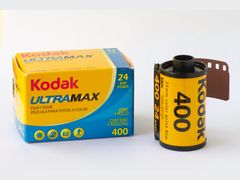
- You want the cheapest 400 film: Kodak Ultramax 400 is $11.50 a roll at Brooklyn Film Camera against $15 for the Lomography 400
- You need Portra-level skin tones on close portraits or exact color without scan correction
- You develop at home and hate fiddly film: the 800's base is thin and curls
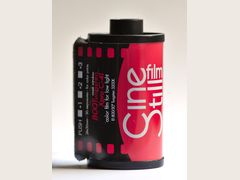
- You want glowing halos around street lights: that is CineStill 800T, not this film
- You need it reliably in stock: several US listings were sold out on October 28, 2026
Photos shot on Lomography Color Negative 400 and 800
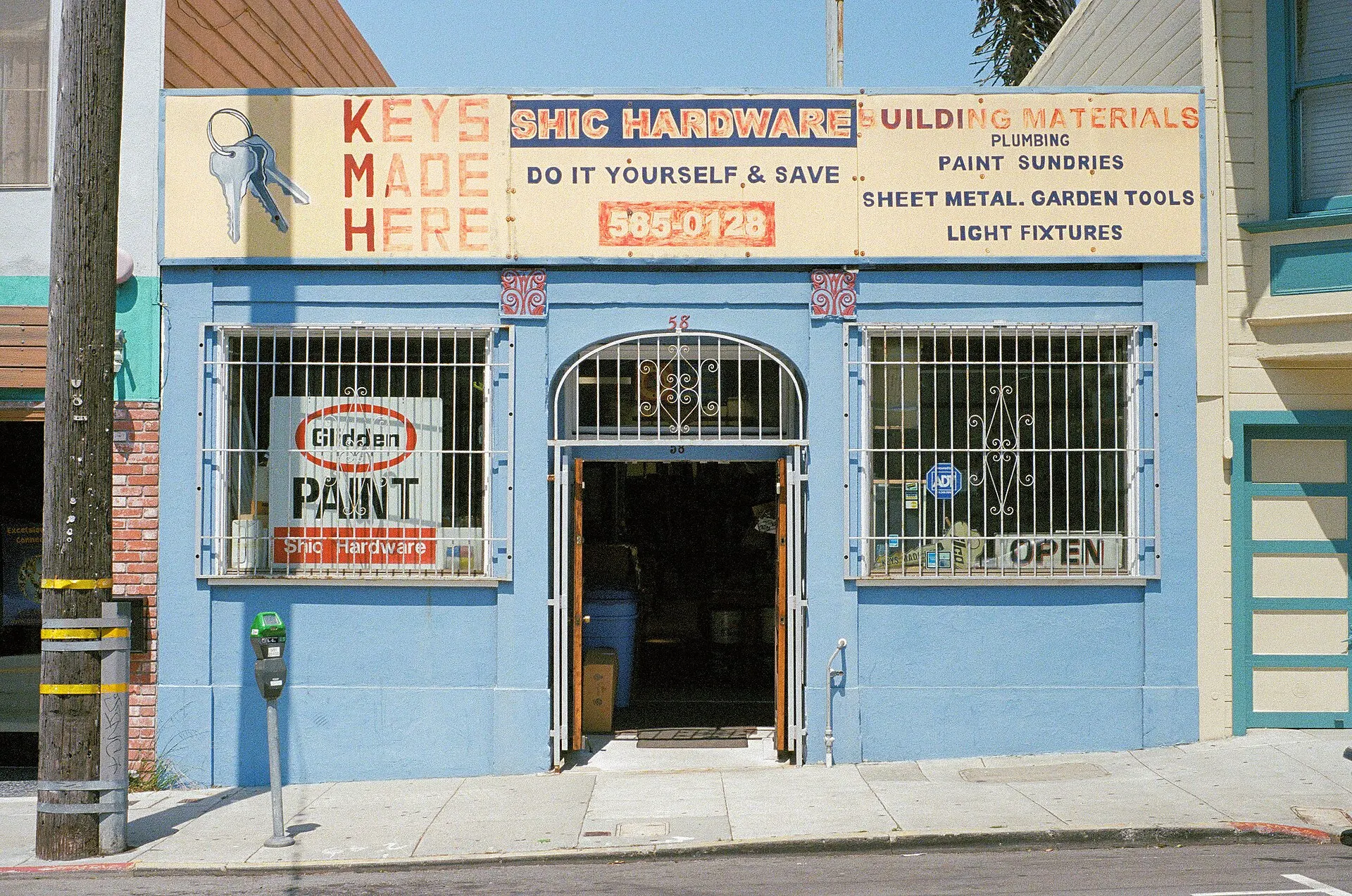
Photos shot on Lomography Color Negative 400 and 800 in 35mm and 120, shared under free licenses on Wikimedia Commons.
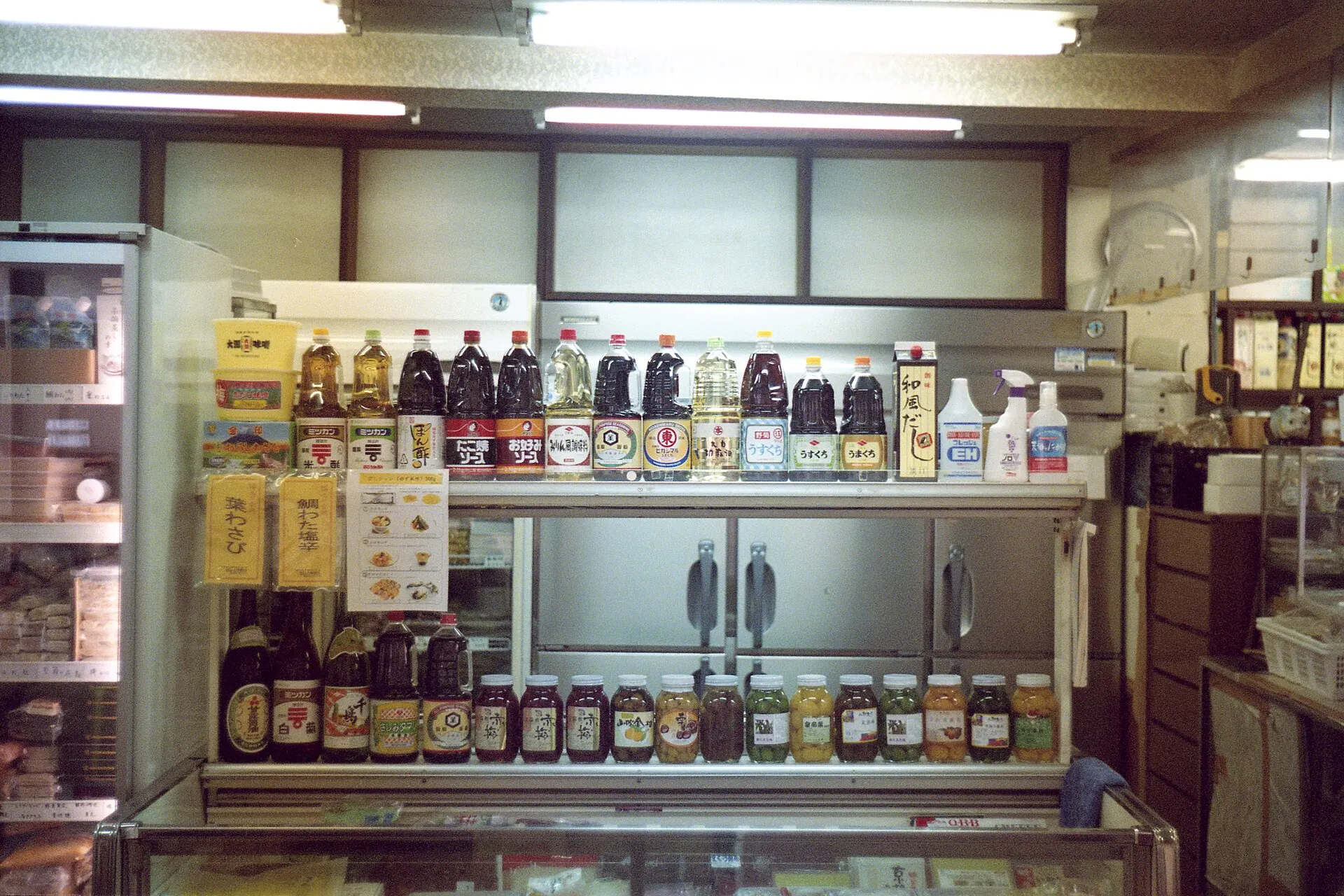
Yanagibashi market, Japan, 2018. Lomography Color Negative 800 in a Leica M3Photo: Gemini st. from Japan, CC BY 2.0 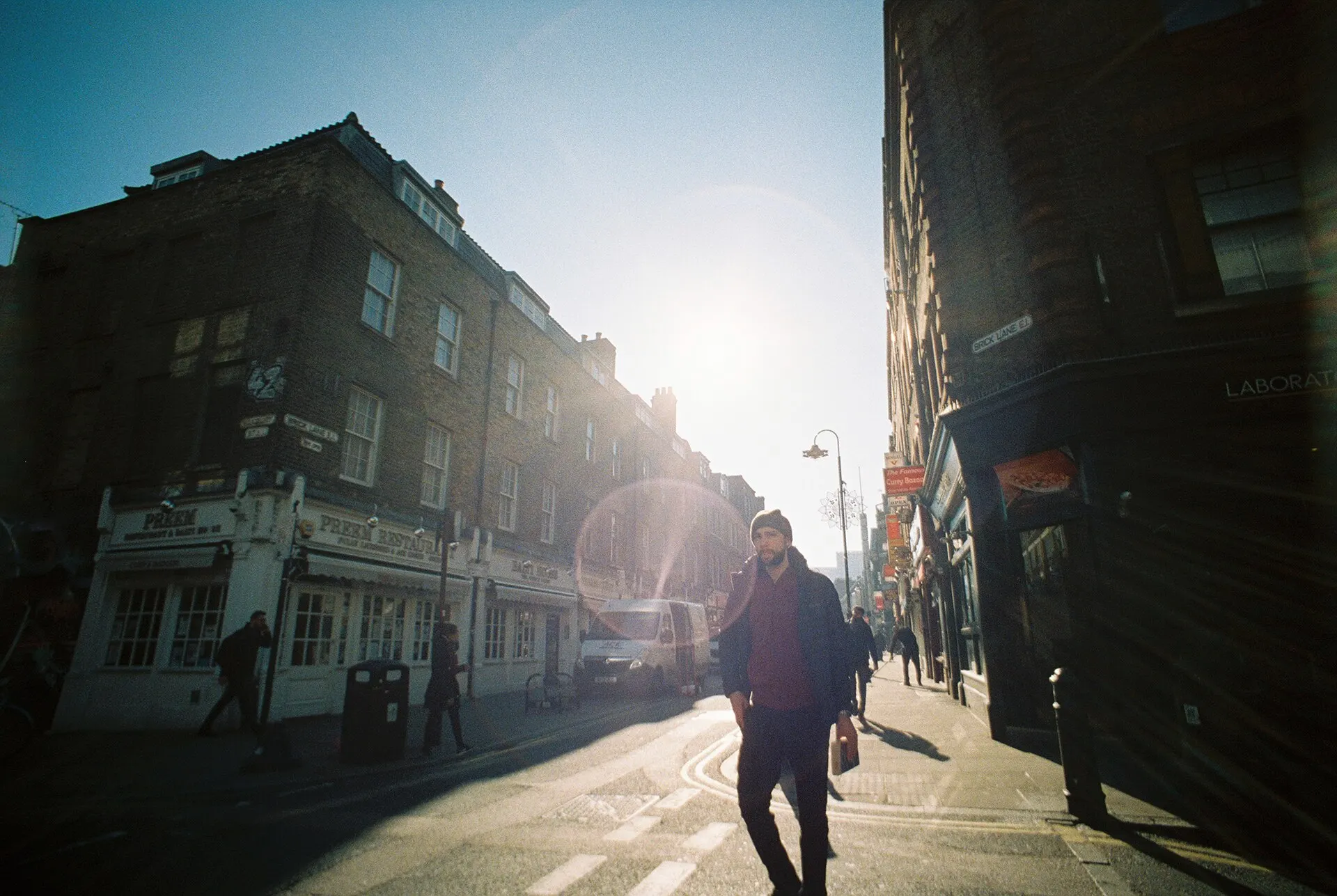
Brick Lane, London, 2019. Lomography 800 in a Lomo LC-WidePhoto: Nick Page, CC BY 2.0 
Matsunoo-taisha gate and a Hankyu train, 2017. Lomography Color Negative 400 in a Nikomat FTnPhoto: oonnuuoo, CC BY 2.0 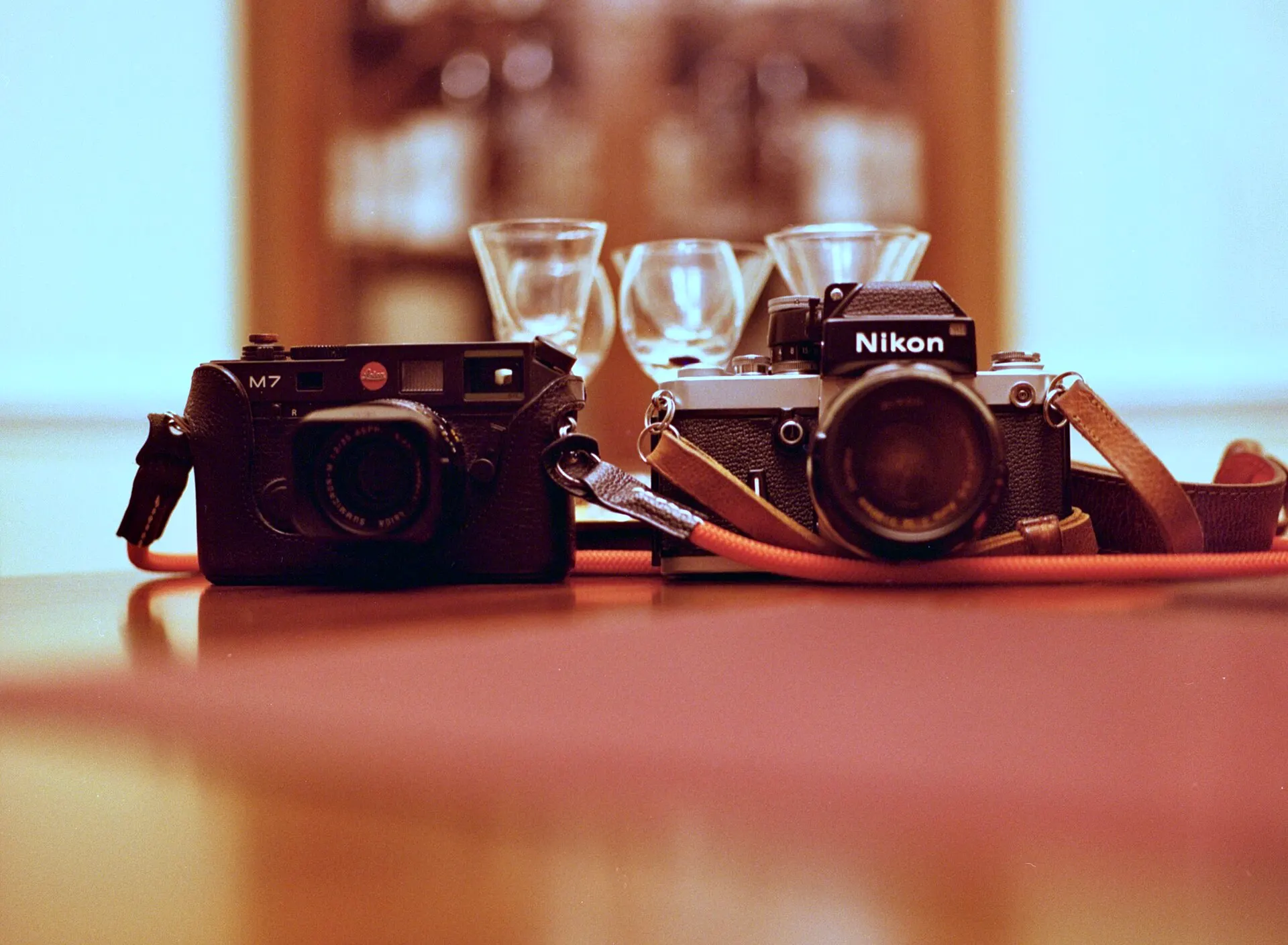
Lomography Color Negative 400 in 120, Mamiya 645 Super, 2020Photo: Tom Mills, CC BY-SA 2.0 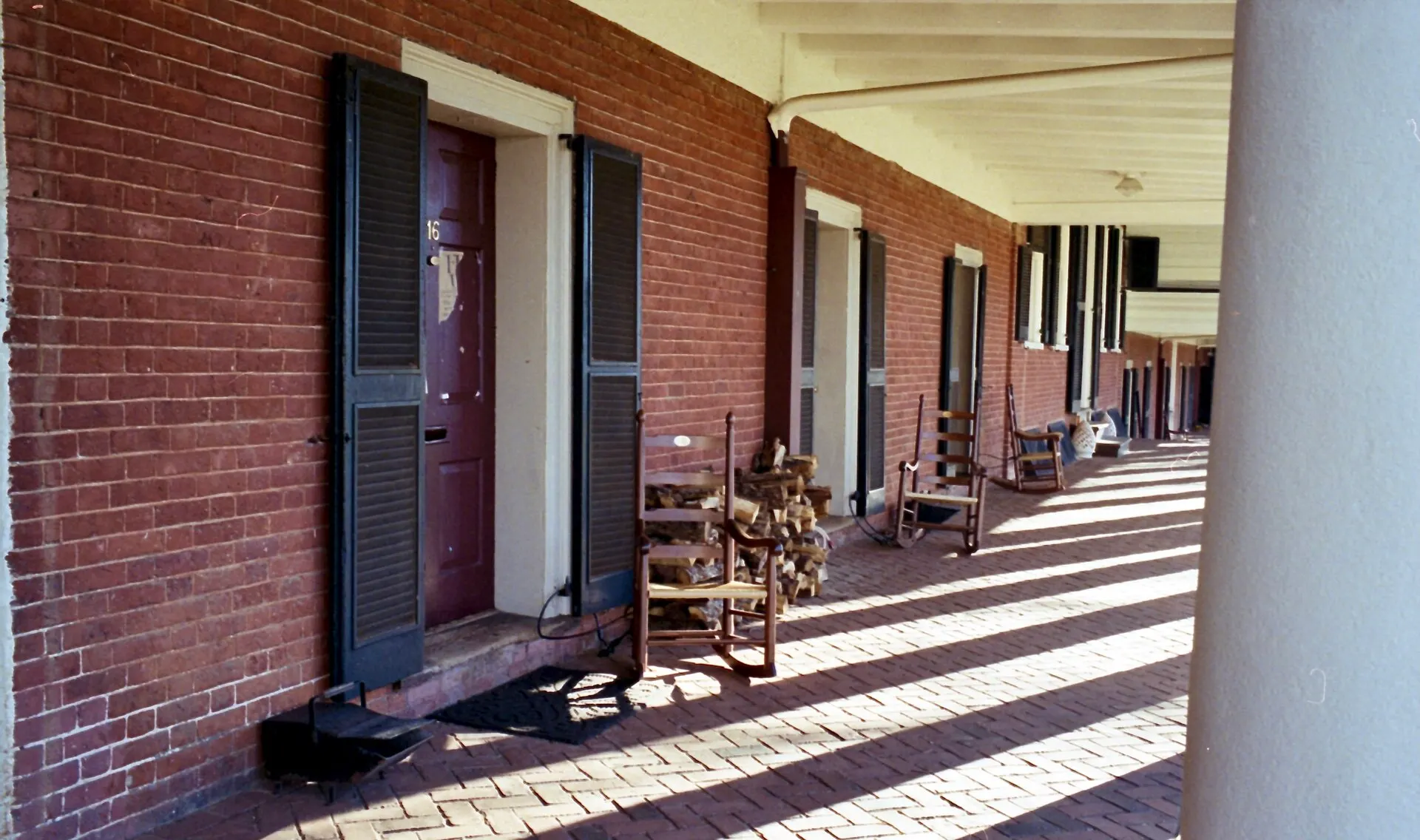
Lawn rooms, University of Virginia, 2021. Lomography Color Negative 400 in a Leica M7Photo: Tom Mills, CC BY-SA 2.0 
Late afternoon light, 2021. Lomography Color Negative 400 in a Leica M7Photo: Tom Mills, CC BY-SA 2.0
What owners and reviewers say, topic by topic
We sorted 104 opinions about the Lomography 400 and 800 from 25 pages and videos on 16 websites and channels. Each row shows how many people raised a topic and how many of them were positive. Open a row to read short quotes, each linked to its source.
Reddit, Photrio, DPReview, B&H reviews and Lomography's own pages could not be read, so the opinions come from photographers' blogs, editorial reviews (EMULSIVE, Analog.Cafe, The Phoblographer), customer reviews on The Darkroom lab's film pages and four YouTube reviews. Of the 104 opinions, 56 come from owners and 48 from reviewers. Matt Osborne's 800 test used film that Lomography UK sent him, and Parallax is a shop. Reviews run from 2017 to 2026, and the early ones praise a price that has since risen.
Color50% positiveof 18
Mostly praised as rich and vivid in good light, but reviewers split on the cast: some see warm, brownish or yellow-green tones, The Phoblographer found the 400 fairly cool, and several find it more saturated than Portra.
“The colors really pop when the sun is shining.”
Bryce Aufrecht, The Darkroom Photo Lab (Lomo 400 film index) 2023-11Owner
“The colors are incredibly vibrant and realistic”
Myles Katherine Photography 2024-12Owner
“reds, pinks, and magenta are richer on Lomo 400”
Jerome, Earth, Sun, Film 2025-09Owner
“muted colours with a slight sort of brownish hue”
Phil Harrison, EMULSIVE 2018-02Owner
Price and availability41% positiveof 17
The budget reputation has faded. Early reviews praise the price; reviews from the 2020s note it now costs close to Portra, was mostly sold in 3-packs and sells out often.
“The only downside is that sometimes its hard to find.”
Myles Katherine Photography 2024-12Owner
“Can be bought cheaply, for the budget conscious.”
Phil Harrison, EMULSIVE 2018-02Owner
“This film is excellent value costing around £4 a roll in the UK”
tim dobbs photography 2018-01Owner
“This film is often sold out and hard to track down.”
Aly's Vintage Camera Alley 2021-02Owner
Exposure latitude92% positiveof 12
The most praised trait: owners lift underexposed shadows, overexpose freely and find highlights hard to blow. One video reviewer saw muddy underexposed areas.
“The film handled contrast surprisingly well.”
Phil Harrison, EMULSIVE 2018-02Owner
“Dynamic range and latitude is very good. At least in 120 format.”
50mmF2 2021-08Owner
“What I like about this film is that it has a really nice dynamic range.”
Aly's Vintage Camera Alley 2021-04Owner
“Great latitude, perfect for any kind of camera (including their own Lomo ones)”
Carlos Garcia 2017-10Owner
Skin tones64% positiveof 11
Most reviewers find skin natural or flattering on both speeds. The dissent: extra red sensitivity can turn skin pink on the 800, an EMULSIVE contributor found close portraits on the 800 well short of Portra 400, and one Darkroom customer found light skin too yellow on 120 rolls of the 400.
“Shadows are too red. Lighter skin tones are too yellow.”
Andy, The Darkroom Photo Lab (Lomo 400 film index) 2025-06Owner
“with surprisingly natural skin tones”
Myles Katherine Photography 2024-12Owner
“The skin colors are surprisingly natural, considering that the Lomography CN 400 is not a portrait film per se.”
Carlos Garcia 2017-10Owner
“the skin tones look fine to me. They're a bit warm but you can adjust color in post”
Aly's Vintage Camera Alley 2021-04Owner
Overall look73% positiveof 11
Reviewers put both speeds close to Kodak Portra, sometimes level with it. The mixed voices say the 800 gets near Portra 800 without quite matching its refinement.
“It's probably one of the most beautiful color films I've seen, next to Portra of course.”
Aly's Vintage Camera Alley 2021-02Owner
“I would say Lomography Color Negative film might be the film that I use the most out in the real world.”
Myles Katherine Photography 2024-12Owner
“But you have to admit that the Lomography 800 is very good, especially since it was exposed using a plastic camera.”
Kathleen Johnson, EMULSIVE 2020-07Owner
“unless one prefers its slightly more neutral color palette, there is no reason to pass over Portra 800”
Jerome, Earth, Sun, Film 2026-06Owner
Sharpness and detail63% positiveof 8
Called sharp by most, even with lenses wide open; one 400 shooter saw reds and blues blow out and lose detail, and one video reviewer says it falls short of pro and slide films.
“giving excellent sharpness even shooting at wide apertures”
tim dobbs photography 2018-01Owner
“sharpness was excellent and under sunny or cloudy conditions I did get great results”
Phil Harrison, EMULSIVE 2018-02Owner
“Lomography Color Negative 400 is a pretty sharp film too”
Chris Gampat, The Phoblographer 2017-09Hands-on review
“Both films show similar sharpness, but they differ quite a bit in color rendition.”
Jerome, Earth, Sun, Film 2025-09Owner
Grain71% positiveof 7
Visible but well liked. The Darkroom calls the 800's grain very noticeable but good-looking, Analog.Cafe found it the same as Portra 800's, and in 120 it is rarely an issue.
“high-iso without a crazy grain”
Carlos Garcia 2017-10Owner
“the biggest surprise was the lack of grain in the Lomo 800”
Jerome, Earth, Sun, Film 2026-06Owner
“Grain in 120 format is rarely an issue and the same is true for this film.”
50mmF2 2021-08Owner
“The film was sharp with a coarser grain than modern film”
Phil Harrison, EMULSIVE 2018-02Owner
Low light and night100% positiveof 6
Every opinion on low light is positive, mostly about the 800 at night or in rain and the 400 with flash.
“Night shots with flash turn out wonderful as the saturation packs a punch”
Jennifer Wilson, The Darkroom Photo Lab (Lomo 400 film index) 2024-04Owner
“the film performed just as good in poor light as it did in bright sunshine”
tim dobbs photography 2018-01Owner
“Another thing that surprised me was how sharp the film was at night.”
EMULSIVE 2018-02Hands-on review
“It was raining and almost dark when I took some of the photos yet it looks like daylight in the pictures.”
Leica Blog (Matt Osborne) 2020Hands-on review
Pushing and pulling60% positiveof 5
Owners mostly rate these films slower rather than pushing them: the 400 at ISO 320 or 200 and the 800 at ISO 400 or below. One says he would never shoot the 400 at box speed again.
“In my opinion, it has to be Overexposed, I would never shoot this film at 400 again.”
Carlos Garcia 2017-10Owner
“I'd say yields better results than Kodak Ultramax in similar conditions”
Miguel Melo, EMULSIVE 2020-10Owner
“Overexposing Lomo 800 film generally worked well for my taste.”
Leica Blog (Matt Osborne) 2020Hands-on review
“As much as I like to shoot this film at box speed, it's best to rate it at 400.”
Joshua Andrei Rivera, The Darkroom Photo Lab (Lomo 800 film index)Owner
Scanning and printing40% positiveof 5
Split: shadow detail is easy to pull from scans, but the 800's thin base curls and won't lie flat, and scanning software has no Lomography profile.
“One real complaint I have is about curling. I can't get this film flat.”
50mmF2 2021-08Owner
“the film scans very easily”
Tim Dobbs, EMULSIVE 2018-01Owner
“Whereas Portra 800 curls slightly and is easy to load onto Paterson reels, CN800 is exceptionally thin”
Dmitri, Analog.Cafe 2024-10Hands-on review
Consistency33% positiveof 3
Thin evidence: one 800 owner sometimes gets a strong green cast at sunrise, one 120 roll advanced badly, and one video calls it reliable.
“The other one didn't want to advance correctly which caused frame spacing issues.”
50mmF2 2021-08Owner
“Sometimes when shooting early in the morning (pre/during sunrise), I've gotten a fairly strong green cast in my shot.”
Kyle Wright, The Darkroom Photo Lab (Lomo 800 film index) 2022-06Owner
PositiveMixedNegative
What does Lomography 800 look like, and how is the 400 different?
The number is the ISO speed, and color negative means standard C-41 developing, the same process as Kodak Portra or Gold. Lomography's product copy, as reproduced by Procam, promises rich saturation, fine grain and high sharpness for the 400, and moderate grain with bold colors for the 800. Reviewers agree on the saturation: Aly's Vintage Camera Alley found the 400 quite a bit more saturated than Portra, and Earth, Sun, Film saw richer reds, pinks and magentas on the 400 than on Portra 400 in a Pentax 645 side-by-side, with Portra giving softer pastels.
Grain shows but rarely bothers anyone. Analog.Cafe's comparison found the 800's grain identical in size, shape and sharpness to Kodak Portra 800, with a little more contrast and more sensitivity to reds. Brooklyn Film Camera, which sells both and develops film in its own lab, describes the 800 as warm with a red lean and a bit punchier than Portra 800, and the 400 as warm, with visible grain close to Ultramax or Fuji 200 and contrast a bit above Portra's.
Color temperature is where reviewers split. EMULSIVE's Phil Harrison saw muted, slightly brownish 1980s tones on the 400 in 120, The Phoblographer found it fairly cool next to other films, and Parallax called it true to life but slightly muted. On the 800, a Darkroom customer reports a noticeable green-yellow cast, while 50mmF2 sees only a faint muddy warm tint and calls the film neutral enough that the scan or print shapes most of the look.
The 800 is not a halation film: Matt Osborne notes that only CineStill 800T makes street lights glow, and he finds the Lomography 800 better for skin tones than CineStill 800.
Sources: procam.com, procam.com, alysvintagecameraalley.com, earthsunfilm.com, analog.cafe, brooklynfilmcamera.com, brooklynfilmcamera.com, emulsive.org, thephoblographer.com, parallaxphotographic.coop, thedarkroom.com, 50mmf2.com, mrleica.com
What ISO to set for Lomography 400 and 800
Box speed works, but many owners give both films extra light, and Brooklyn Film Camera calls the 400 forgiving, especially when overexposed. Film ISO explained covers why rating a film slower and developing it normally adds exposure.
- 1
Lomography 400: ISO 320 or 200
Carlos Garcia found box-speed frames underexposed, with lost shadows, and now rates the 400 at ISO 320 or 200, adding a full stop for portraits. The Phoblographer gave it ISO 320 or 200 with no problems and had it developed as a normal 400 roll.
- 2
Lomography 800 for less grain: ISO 400 to 640
Brooklyn Film Camera suggests rating the 800 at 400 to 640 for less grain, and a user on The Darkroom's gallery says ISO 400 is best. Matt Osborne overexposed it one to two stops (ISO 400 or 200) in daylight and liked the warm skin tones.
- 3
Lomography 800 at box speed (ISO 800)
50mmF2 shot every 120 roll at ISO 800 and saw no need to overexpose, and The Darkroom calls it great for low light. For a night test in 120, Osborne set out to expose it at ISO 800 and darker (ISO 1600 and up), and shot some frames on a Fujica GS645 wide open at f/3.5 and 1/30. His light meter died, so he was guessing exposure, and he says the rainy, almost dark frames still look like daylight.
- 4
With flash
A Darkroom customer says night shots with flash on the 400 have punchy saturation, and The Phoblographer found it balanced a studio strobe well on a Pentax 67 while holding shadow detail.
- 5
Set ISO by hand if there is no DX code
Reports differ: EMULSIVE said in 2018 that newer 35mm 800 batches were not DX coded, a 2019 commenter's batch was, and EMULSIVE's film directory lists the 35mm film as DX coded. Look for the silver-and-black checkerboard on the canister; without it, a compact with no ISO override shoots at its default speed.
Sources: brooklynfilmcamera.com, carlosgrphoto.com, thephoblographer.com, brooklynfilmcamera.com, thedarkroom.com, mrleica.com, 50mmf2.com, thedarkroom.com, emulsive.org, thedarkroom.com, emulsive.org
Can you push or pull Lomography 400 and 800?
Yes. EMULSIVE's film directory says the 400 can be push processed 2 to 3 stops and the 800 1 to 2 stops.
Real-world reports are mostly one-stop pushes. EMULSIVE shot a 120 roll of the 400 at EI 800 and pushed it one stop, and in a Fstoppers comment Matt Murray says he pushed a couple of rolls of the 800 to ISO 1600 and liked the results. 50mmF2 warns that pushed color negative looks worse than pushed black and white, and most owners quoted here rate these films slower, not faster.
Tell the lab when you drop the roll off, because pushing costs extra: The Darkroom adds $3 per 35mm roll and Procam's lab charges $5.00 per stop, per roll. How to push and pull film covers the method.
Sources: emulsive.org, emulsive.org, fstoppers.com, 50mmf2.com, thedarkroom.com, procam.com
Developing and scanning Lomography 800 and 400
Any C-41 lab can develop both. The Darkroom lists the 800 as C-41 in 35mm and 120 and charges $14 to develop and scan a 35mm roll, $2 more for enhanced scans and $6 more for super scans. At home, Aly's Vintage Camera Alley developed her 800 rolls with a Cinestill C-41 powder kit and scanned them on an Epson V800; see how to develop film at home.
The 800 is awkward to handle. Analog.Cafe calls its base exceptionally thin, harder to load onto Paterson reels than Portra 800 and in need of weights while drying, and 50mmF2 says it curls so much it won't lie flat on scanner glass without pressure. Dry it with weights, and plan on pressing it flat on the scanner glass.
Plan on some color correction. Analog.Cafe says lab scans hide most of the differences from Portra 800, while a good camera scan or dedicated scanner shows the extra red, which can't be fully corrected. grainydays notes that scanning software has no Lomography profile, so Kodak presets or manual adjustment stand in. Scanning film at home and the Negative Lab Pro guide cover the tools.
Sources: thedarkroom.com, thedarkroom.com, alysvintagecameraalley.com, analog.cafe, 50mmf2.com, youtube.com
Lomography 800 vs Kodak Portra 800
| Lomography 800 | 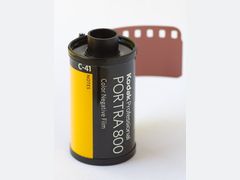 Kodak Portra 800 | |
|---|---|---|
| 35mm price (Oct 28, 2026) | $57.90 a 3-pack, about $19.30 a roll; $19.50 single at Brooklyn Film Camera | $21.50 a roll at Brooklyn Film Camera |
| 120 price at Brooklyn Film Camera | $17 a roll | $20 a roll |
| Grain | Identical in size, shape and sharpness to Portra 800 in Analog.Cafe's comparison | Same as the Lomography in that comparison |
| Color | More sensitive to reds, so skin can look pink (Analog.Cafe); Earth, Sun, Film finds it slightly more neutral overall | More natural tones per Analog.Cafe; a bit warmer per Aly's Vintage Camera Alley |
| Contrast | A little more than Portra 800 | Softer |
| Refinement | Close but not quite there in EMULSIVE's blind test | The benchmark in that test |
| Film base | Exceptionally thin, harder to load and to flatten | Curls slightly, easy to load on Paterson reels |
Pick the Lomography 800 if
- You like a punchier palette with a pink blush on skin
- You find it in stock and want to save about $2 a roll
- You prefer the slightly more neutral palette Earth, Sun, Film describes
Pick the Kodak Portra 800 if
- Close portraits and refined skin tones matter most, as with Matt Osborne's paying clients
- You develop at home and want film that loads and lies flat easily
Sources: procam.com, brooklynfilmcamera.com, analog.cafe, earthsunfilm.com, alysvintagecameraalley.com, emulsive.org, mrleica.com, brooklynfilmcamera.com
Lomography 400 vs Kodak Portra 400
| Lomography 400 | 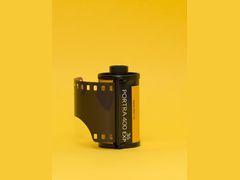 Kodak Portra 400 | |
|---|---|---|
| 35mm price (Oct 28, 2026) | $44.90 a 3-pack, about $14.97 a roll; $15 single at Brooklyn Film Camera (sold out) | $18.50 a roll at Brooklyn Film Camera |
| Color | Warm undertone, richer reds, pinks and magentas | Softer pastels (Earth, Sun, Film) |
| Grain and contrast | Visible grain close to Ultramax or Fuji 200; punchy, even contrast | Finer grain, softer contrast (Brooklyn Film Camera) |
| Sharpness | Similar to Portra 400 at box speed in Earth, Sun, Film's Pentax 645 test | Similar |
| Skin tones | Fantastic for skin, says The Phoblographer, who feels it sometimes outdoes Portra 400 | The reference most reviewers compare it against |
Pick the Lomography 400 if
- You like saturated reds and magentas
- You want a warm, Portra-like look for less per roll
- You tend to overexpose anyway
Pick the Kodak Portra 400 if
- You want softer, pastel color and finer grain
- Exact skin tones on close portraits matter most
Sources: procam.com, brooklynfilmcamera.com, earthsunfilm.com, thephoblographer.com, brooklynfilmcamera.com
What a roll of Lomography 400 and 800 costs
A 35mm 3-pack of 36-exposure rolls costs $44.90 for the 400 and $57.90 for the 800 at Procam, District Camera and Glazer's, and single 120 rolls run $14.90 to $17. Lomography's own US store, B&H and Adorama could not be checked, so they are not listed.
Procam (MI, IL, OH)
New, Lomography 400, 35mm, three 36-exposure rolls
$44.90
See listingProcam (MI, IL, OH)
New, Lomography 800, 35mm, three 36-exposure rolls
$57.90
See listingProcam (MI, IL, OH)
New, sold out Oct 28, Lomography 400, 120, single roll
$14.90
See listingProcam (MI, IL, OH)
New, sold out Oct 28, Lomography 800, 120, single roll
$16.90
See listingDistrict Camera (VA, DC)
New, sold out Oct 28, Lomography 400, 35mm, three 36-exposure rolls
$44.90
See listingDistrict Camera (VA, DC)
New, Lomography 800, 35mm, three 36-exposure rolls
$57.90
See listingDistrict Camera (VA, DC)
New, Lomography 800, 120, single roll
$16.90
See listingGlazer's Camera (Seattle)
New, Lomography 400, 35mm, three 36-exposure rolls
$44.90
See listingGlazer's Camera (Seattle)
New, Lomography 800, 35mm, three 36-exposure rolls
$57.90
See listingGlazer's Camera (Seattle)
New, Lomography 400, 120, single roll
$14.90
See listingGlazer's Camera (Seattle)
New, Lomography 800, 120, single roll
$16.90
See listingBrooklyn Film Camera (NY)
New, Lomography 800, 35mm, single roll
$19.50
See listingBrooklyn Film Camera (NY)
New, Lomography 800, 120, single roll
$17
See listingBrooklyn Film Camera (NY)
New, sold out Oct 28, Lomography 400, 35mm, single roll
$15
See listing
Prices checked on October 28, 2026. They move every week, so treat them as a range, not a quote. Per roll, the 35mm 3-packs work out to about $14.97 for the 400 ($44.90 / 3) and $19.30 for the 800 ($57.90 / 3), against $18.50 for Portra 400 and $21.50 for Portra 800 in 35mm at Brooklyn Film Camera (its 120 prices are $17.50 and $20). Prices have climbed: an EMULSIVE commenter paid $34.90 for a 35mm 800 3-pack in February 2022 ($11.63 a roll). Procam marks its Lomography film non-returnable and Brooklyn Film Camera says all film sales are final, so double-check 35mm vs 120 before ordering. See [where to buy 35mm film](/film/where-to-buy-35mm-film/) for more shops.
Technical data
Film
- Process
- C-41
- Speed (400)
- ISO 400/27°
- Speed (800)
- ISO 800/30°
- Grain, maker's claim (400)
- Fine
- Grain, maker's claim (800)
- Moderate
- Base
- Acetate
- Push processing
- 400: 2-3 stops; 800: 1-2 stops (EMULSIVE directory)
Formats and packaging
- 120 packaging (2026)
- Single rolls at US shops
- DX coding (35mm)
- Reported both ways; check the canister
Origin
- Who makes it
- Not disclosed; reviewers think Kodak
- 800 introduced
- 2008, per Earth, Sun, Film
Video reviews worth your time

Lomo 800
Lomography Color Negative 800 delivers warm, pleasing images with solid exposure latitude, though it offers little price advantage over Kodak Portra 800.

Lomography Color 400 is very UNDERRATED - you will like this color film stock
The reviewer considers Lomography Color Negative 400 a versatile, punchy, and budget-friendly C-41 film suitable for everyday shooting and portraiture.

Lomography CN400 Film Review - "Cheerful Colour"
Lomography Color Negative 400 is a versatile, reliable, and flexible everyday film that performs well across diverse lighting conditions.

MY NEW FAVOURITE COLOUR FILM STOCK? | Medium Format Portraits on Lomography Color Negative 400
Lomography Color Negative 400 is a budget-friendly color film that delivers vibrant colors, soft highlights, and natural skin tones.
Questions people ask about the Lomography 400 and 800
What is Lomography 800?
Lomography Color Negative 800 is a daylight-balanced ISO 800 color negative film developed in standard C-41 chemistry, sold in 35mm (36 exposures, usually in 3-packs) and 120. Lomography's product copy promises moderate grain and bold colors in any lighting. Earth, Sun, Film says it came out in 2008.
Sources: procam.com, procam.com, earthsunfilm.com
Is Lomo 800 good?
Most reviewers say yes, with caveats. They praise its exposure latitude, low-light results and grain, which Analog.Cafe found identical to Portra 800's, while EMULSIVE's blind test found it close to Portra 800 but less refined. The drawbacks are occasional color casts, a thin base that curls, and a price of about $19.30 a roll in a 35mm 3-pack, only about $2 below Portra 800's $21.50 for a 35mm roll at Brooklyn Film Camera.
Sources: analog.cafe, emulsive.org, procam.com, brooklynfilmcamera.com
Does Lomography make its own film?
Lomography does not say who makes its Color Negative films. Analog.Cafe and 50mmF2 think the 800 is most likely Kodak film, though Analog.Cafe says it is not the same as Portra 800. For the 400, forum talk reported by EMULSIVE and Carlos Garcia's review point to Kodak's old VR 400 emulsion. None of this is confirmed.
Sources: analog.cafe, 50mmf2.com, emulsive.org, carlosgrphoto.com
How many stops is ISO 400 to ISO 800?
One stop. ISO 800 film is twice as sensitive as ISO 400, so it needs half the light for the same exposure. Lomography lists the two films as ISO 400/27° and ISO 800/30°, and the 3-degree gap on that scale is the same one stop.
Sources: procam.com, procam.com
What happens if I shoot 800 film at ISO 400?
You give it one stop more exposure, and if the lab develops it normally the negatives come out denser. Owners say the Lomography 800 handles that well: a user on The Darkroom's gallery says ISO 400 is best, Brooklyn Film Camera suggests 400 to 640 for less grain, and Matt Osborne overexposed it one to two stops in daylight and liked the results.
Sources: thedarkroom.com, brooklynfilmcamera.com, mrleica.com
Is 400 or 800 film better?
It depends on the light. The 800 gives you one more stop for dim rooms, overcast days, night and slower lenses, and 50mmF2 shot it at box speed in 120 without needing more. The 400 costs less ($44.90 against $57.90 for a 35mm 3-pack) and some reviewers rate it at ISO 320 or 200 in good light. Both are C-41, so any lab develops either.
Sources: 50mmf2.com, procam.com, procam.com, carlosgrphoto.com
Is Lomography 400 as good as Portra 400?
Both are C-41 color negative films, and reviewers put them close. The Phoblographer feels the Lomography 400 sometimes outdoes Portra 400 and calls it fantastic for skin tones; Earth, Sun, Film found similar sharpness, with richer reds, pinks and magentas on the Lomography and softer pastels on Portra. At Brooklyn Film Camera it is $15 a roll against $18.50 for a 35mm roll of Portra 400.
Sources: thephoblographer.com, earthsunfilm.com, brooklynfilmcamera.com, brooklynfilmcamera.com
Is Lomography 800 DX coded?
Reports differ. EMULSIVE wrote in 2018 that newer batches of 35mm Lomography 800 were not DX coded, a commenter in 2019 said his batch, expiring in 2021, was, and EMULSIVE's film directory lists the 35mm film as DX coded. Check the canister for the silver-and-black checkerboard; if it has none and your camera has no manual ISO setting, the camera will shoot at its default speed.
Sources: emulsive.org, emulsive.org, thedarkroom.com
What people compare it with
The main ISO 800 rival: Analog.Cafe found the same grain with softer contrast and less red sensitivity, and Brooklyn Film Camera sells it at $21.50 a 35mm roll against about $19.30 for the Lomography in a 3-pack.
Tungsten-balanced ISO 800 with glowing halos around lights. Matt Osborne picks it for night photography with street lights, but finds the Lomography 800 better for skin tones.
The cheaper ISO 400: $11.50 a roll at Brooklyn Film Camera against $15 for the Lomography 400, and the shop calls it slightly punchier.
The step up for portraits, with finer grain and softer contrast per Brooklyn Film Camera, at $18.50 a 35mm roll there.
Every source behind this page
Read them yourself. How we pick and count them is in our methodology.
Show all 43 sources
Manuals and references 18
- brooklynfilmcamera.com: Kodak Portra 400 Film
- brooklynfilmcamera.com: Kodak Portra 800 Film
- brooklynfilmcamera.com: Lomography Color 400 Film
- brooklynfilmcamera.com: Lomography 800 | Color
- emulsive.org: Every single film stock still made today - Part 4: Kodak to Maco Direct (v4)
- emulsive.org: Snack time - Shot on Lomography Color Negative 400 (120)
- fstoppers.com: Is CineStill 400D Film the New Natura?
- procam.com: PROCAM | FIlm & Photo Lab
- procam.com: Lomography 400 Color Negative Film (35mm Roll Film, 36 Exposures) 3-Pack at PROCAM | Shop Camera, Photo & Video Equipment | In-Stock, Lowest Prices. Same Day Shipping
- procam.com: Lomography 800 Color Negative Film (35mm Roll Film, 36 Exposures) 3-Pack at PROCAM | Shop Camera, Photo & Video Equipment | In-Stock, Lowest Prices. Same Day Shipping
- procam.com: Lomography ISO 400 Color Negative Film (120 Roll Film) at PROCAM | Shop Camera, Photo & Video Equipment | In-Stock, Lowest Prices. Same Day Shipping
- procam.com: Lomography ISO 800 Color Negative Film (120 Roll Film) at PROCAM | Shop Camera, Photo & Video Equipment | In-Stock, Lowest Prices. Same Day Shipping
- thedarkroom.com: 135 Film (35mm): Format Guide & Developing
- districtcamera.com: Lomography 35mm Color Negative Film, 400 ISO, 36 exposure, 3 pack
- districtcamera.com: Lomography 35mm Color Negative Film, 800 ISO, 36 Exposures, 3
- districtcamera.com: Lomography ISO 800 Color Negative Film (120 Roll Film)
- glazerscamera.com: 120 Film
- glazerscamera.com: 35mm Film
Independent blogs 9
- 50mmF2: Lomography Color Negative 800 Film Review
- Aly's Vintage Camera Alley: Lomography Color Negative 400
- Aly's Vintage Camera Alley: Developing Adventures - Lomography Color Negative 800
- Myles Katherine Photography: Review of Lomography Color Negative 35 mm ISO 400 film ...
- tim dobbs photography: Lomography Color Negative 400 is becoming my most ...
- Carlos Garcia: Lomography CN 400 Review
- Leica Blog: Lomography 800 Review (35mm Film & Lomo 800 120 Portraits)
- Earth, Sun, Film: Lomography 800
- Earth, Sun, Film: Lomography CN 400 with the 150mm f3.5 and Pentax 645
Editorial reviews 9
- Analog.Cafe: Lomography Color Negative 800 Film Review
- EMULSIVE: Film review: Lomography Color Negative 400 in 120 format
- EMULSIVE: Blind film review #01: Fuji Natura 1600 vs Kodak Portra 800 vs Lomography Color Negative 800 (35mm)
- EMULSIVE: My 2020 lockdown journey: a comparative test of Kodak EKTACHROME E100 and Fujifilm Velvia 50 (bonus Portra/Lomography included)
- EMULSIVE: 5 Frames... With Lomography Color Negative 400 (EI 400 / 35mm format / Olympus OM-2S) -by Tim Dobbs
- EMULSIVE: 5 Frames... With Lomography CN 400 on an uncoated lens (35mm Format / Leica M6 + Voigtländer 35mm f/1.4 Nokton Classic SC)
- EMULSIVE: 5 Frames... With Lomography Color Negative 800 (EI 800 / 35mm format / Olympus XA)
- EMULSIVE: 5 Frames... Of Nordic summer bliss (and Heathrow) on Lomography 800 and a Hasselblad 500CM with Carl Zeiss Planar CF 80mm f/2.8
- The Phoblographer: Film Review: Lomography Color Negative 400 (35mm and ...
Video reviews 4
Other 3
Keep reading
Film stocks
Portra 400 vs 800: 400 has finer grain, sheet sizes and a lower price; 800 adds a stop of speed and pushes to 1600. October 2026 prices and when to pick each.
Film stocks
CineStill 800T is an ISO 800 tungsten film made for night and neon. What 112 opinions say, how to shoot it in daylight, push it, and US prices from $17.00.
Film stocks
Kodak Ultramax 400 is a 35mm ISO 400 color film, $8.69 to $11.50 a 36-exposure roll. What 121 opinions say about its color, grain, latitude and low light.
Film stocks
How to push film: what a stop means, what to set on your camera, how to tell the lab, one-stop fees from $0 to $4, home development times and how to pull film.
Developing and scanning
Scanning film with a DSLR, step by step: gear and October 2026 prices, exact camera settings, how it compares with a flatbed and fixes for common scan problems.
Film stocks
35mm vs 120 film: common 120 frames are 2.7 to 5.4 times bigger than 35mm but give 8 to 16 shots a roll. Cost per frame, lab prices and which to pick.