Buying guide
The Best Instant Cameras in 2026: 8 Instax and Polaroid Picks
The short answer
The best instant camera for most people is the Fujifilm Instax Mini 13: it is simple, pocket-sized and $89.95 at Unique Photo (October 28, 2026), and its film works out to about $0.91 a photo.
If you want the classic big Polaroid print, the Polaroid Flip ($219.99) is Digital Camera World's top Polaroid and the Now Gen 3 ($129.99) is the simpler, cheaper route, but Polaroid film costs about $2.37 to $2.62 a photo.
- Best for most people
- Instax Mini 13, $89.95uniquephoto.com
- Best Polaroid
- Polaroid Flip, $219.99polaroid.com
- Instax Mini film
- About $0.91 a photouniquephoto.com
- Polaroid i-Type film
- About $2.37 a photopolaroid.com
- Instax develop time
- About 90 secondsinstaxus.com
- Polaroid develop time
- 10 to 15 minutespolaroid.com
The best instant cameras in 2026
Camera Dojo has not tested these cameras. The picks come from where the big 2026 reviews overlap (Digital Camera World, Tom's Guide, Engadget and ExpertPhotography), checked against Fujifilm's and Polaroid's own spec pages. Owner reports were thin, so the list leans on editorial reviewers. Prices are from Polaroid's US store and Unique Photo, checked October 28, 2026.
- 01
Fujifilm Instax Mini 13
Best for most people and first-time buyers
$89.95 (Oct. 2026)
Digital Camera World and ExpertPhotography both put it first, and ExpertPhotography sums it up as cheap, pocket-sized and fully automatic. It replaces the Instax Mini 12 with about the same image quality and adds a 2- or 10-second self-timer, and it has a built-in selfie mirror. Mini film is the cheapest format to shoot, about $0.91 a photo.
Watch out: The flash fires on every shot and cannot be turned off; Digital Camera World's workaround is to cover it with a hand.
Sources: digitalcameraworld.com, expertphotography.com, instaxus.com, uniquephoto.com
- 02
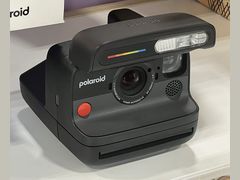
Polaroid Flip
Best Polaroid camera
$219.99 (Oct. 2026)
Digital Camera World's top Polaroid. It has sonar autofocus, a four-lens system, Polaroid's most powerful flash and a scene check that warns about over- or underexposure. It shoots full-size i-Type or 600 film, and the clamshell body only switches on when you flip it open.
Watch out: The prints are the expensive part at about $2.37 to $2.62 each, and there is no selfie mirror.
Sources: digitalcameraworld.com, polaroid.com, polaroid.com
- 03
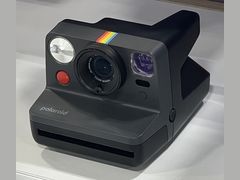
Polaroid Now Gen 3
Best simple full-size Polaroid
$129.99 (Oct. 2026)
ExpertPhotography's pick for Polaroid fans who want the classic square print with autofocus. It switches between two focus zones, a close one for portraits and selfies (0.4 to 1.3 m, about 1.3 to 4.3 feet) and a far one (1 m to infinity), and has a self-timer and double exposure. The Now+ Gen 3 ($149.99) adds Bluetooth control through the Polaroid app.
Watch out: Film costs the same as on the Flip, about $2.37 to $2.62 a photo, and each print takes 10 to 15 minutes to develop.
Sources: expertphotography.com, polaroid.com, polaroid.com, polaroid.com, polaroid.com
- 04
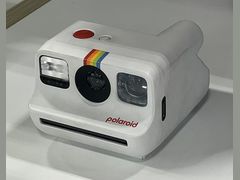
Polaroid Go Gen 3
Best pocket-size instant camera
$89.99 (Oct. 2026)
The smallest analog instant camera you can buy, and Digital Camera World says the Gen 3 fixes the overexposure in bright light that earlier Go models had. It also moves to a longer 42mm-equivalent lens (up from 34mm) and has a self-timer, double exposure and a selfie mirror. Torn between this and the full-size Now? See Polaroid Go vs Polaroid Now.
Watch out: Go film fits only the Go, makes a small 47 x 46 mm picture and costs about $1.37 a photo, more than any Instax film.
Sources: digitalcameraworld.com, expertphotography.com, polaroid.com, polaroid.com, polaroid.com
Instax Wide film makes the widest image of any instant system, a 62 x 99 mm picture with more than twice the area of an Instax Mini shot. Digital Camera World and Engadget both pick it. It runs on four AA batteries (about 100 prints), and Wide film costs about $0.98 a photo, barely more than Mini.
Watch out: Digital Camera World calls it a big camera with basic features, so it will not go in a pocket.
Sources: digitalcameraworld.com, engadget.com, instaxus.com, uniquephoto.com, uniquephoto.com
- 06
Fujifilm Instax Square SQ40
Best square-format Instax
$199.95 list; no store stock found (Oct. 2026)
Engadget's best instant camera overall (January 2026) and Digital Camera World's square pick. Square prints (62 x 62 mm picture) sit between Mini and Wide, and Fujifilm rates its two CR2 batteries for about 30 packs, around 300 shots, triple other Instax cameras. It is easy to use, has a selfie mode, and film costs about $1.13 a photo.
Watch out: CR2 batteries are hard to find, no US store checked had the SQ40 in stock in October 2026, and Fujifilm announced a new square model, the Instax Square 2 (four AA batteries), on October 14, 2026.
Sources: engadget.com, digitalcameraworld.com, instaxus.com, instaxus.com, uniquephoto.com
Tom's Guide's best instant camera overall. It is a digital camera with a built-in Instax Mini printer, so you see each shot first, keep about 45 images in memory (more on a microSD card) and print only the ones you want. Ten film effects and ten lens effects give 100 looks, and it can print photos from your phone too.
Watch out: Digital Camera World says it takes bright, sharp images more like a phone than an analog camera, and the new Mini Evo 2 (announced October 27, 2026) is too new to appear in any of these buying guides.
Sources: tomsguide.com, instaxus.com, digitalcameraworld.com, uniquephoto.com, instaxus.com
Digital Camera World calls it "technically the best instant camera ever made" but leaves it off its main list on price, and ExpertPhotography makes it its pick for professionals. You get Polaroid's sharpest glass lens, apertures from f/8 to f/64, aperture, shutter and manual modes, LiDAR autofocus, and it takes SX-70, 600 and i-Type film.
Watch out: At $599.99 it costs more than six Instax Mini 13s, and i-Type or 600 film still runs about $2.37 to $2.62 a shot.
Sources: digitalcameraworld.com, expertphotography.com, polaroid.com, polaroid.com
Best instant cameras compared: film, price and running cost
The camera is a one-time cost; the film is what you keep paying for. Camera prices below are from Polaroid's US store and Unique Photo, and film cost per photo is the pack price divided by the shots in the pack, all checked October 28, 2026.
| Camera | Film | Price | Film cost per photo | Power |
|---|---|---|---|---|
| Instax Mini 13 | Instax Mini | $89.95 | About $0.91 | 2 AA, about 100 shots |
| Polaroid Flip | i-Type or 600 | $219.99 | About $2.37 to $2.62 | Rechargeable, up to 15 packs |
| Polaroid Now Gen 3 | i-Type or 600 | $129.99 | About $2.37 to $2.62 | Rechargeable, up to 15 packs |
| Polaroid Go Gen 3 | Polaroid Go | $89.99 | About $1.37 | Rechargeable, up to 15 packs |
| Instax Wide 400 | Instax Wide | $175.95 | About $0.98 | 4 AA, about 100 shots |
| Instax Square SQ40 | Instax Square | $199.95 list; no store stock found | About $1.13 | 2 CR2, about 300 shots |
| Instax Mini Evo | Instax Mini | $234.00 | About $0.91, only for shots you print | Built-in battery, about 100 prints |
| Polaroid I-2 | i-Type, 600 or SX-70 | $599.99 | From about $2.37 | Rechargeable |
Sources: uniquephoto.com, polaroid.com, polaroid.com, instaxus.com, instaxus.com, instaxus.com, instaxus.com
What is the best instant camera for beginners?
 Mini 12
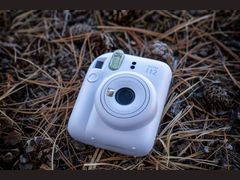
For a first instant camera, reviewers point to the Instax Mini line. Digital Camera World and ExpertPhotography pick the Instax Mini 13, and Tom's Guide calls the older Instax Mini 12 excellent for beginners. Both set exposure and flash for you, and Mini film is the cheapest way to learn: about $0.91 a photo, against about $2.37 for Polaroid i-Type.
Fujifilm launched the Mini 13 at $93.95; on October 28, 2026 its US site listed it at $89.95, the same price as Unique Photo. Two AA batteries last about 10 packs (100 shots), and prints develop in about 90 seconds, even in daylight, so there is little to get wrong. Budget for film, though: 100 Mini photos cost about as much as the camera itself.
If the person you are buying for wants the Polaroid look, the Polaroid Go Gen 3 ($89.99) costs about the same up front, but its film runs about $1.37 a photo and only the Go takes it.
Digital Camera World calls the Mini 13 only a minor upgrade over the Mini 12, so if you already own a Mini 12, keep it.
Sources: digitalcameraworld.com, expertphotography.com, tomsguide.com, fujirumors.com, instaxus.com
What is the best Polaroid camera?
Digital Camera World names the Polaroid Flip the best Polaroid camera, praising its full-size, good-quality shots and powerful flash; Polaroid adds sonar autofocus and a four-lens system. Below it, the choice comes down to how much camera you want around the same full-size film, or whether you want the tiny Go format instead.
i-Type film has no battery and costs less ($18.99 a pack); 600 film carries a battery for vintage cameras and costs more ($20.99), but it also runs in the new models. i-Type will not work in vintage Polaroids. The Polaroid film guide covers which film fits which camera.
| Polaroid | Price | Film | What sets it apart |
|---|---|---|---|
| Go Gen 3 | $89.99 | Go film only | Smallest analog instant camera; 42mm-equivalent lens |
| Now Gen 3 | $129.99 | i-Type or 600 | Two-zone autofocus, self-timer, double exposure |
| Now+ Gen 3 | $149.99 | i-Type or 600 | Adds Bluetooth control through the Polaroid app |
| Mod | $169.99 | i-Type | Mode dial for double exposure, split shot, motion freeze and light painting |
| Flip | $219.99 | i-Type or 600 | Sonar autofocus, four-lens system, exposure check |
| I-2 | $599.99 | i-Type, 600 or SX-70 | Manual controls, glass lens, LiDAR autofocus |
Sources: digitalcameraworld.com, polaroid.com, polaroid.com, polaroid.com, polaroid.com, polaroid.com, polaroid.com, polaroid.com, polaroid.com
How to choose an instant camera
Six questions settle it. Answer them in this order, because the first one decides what every photo will cost.
- 1
Pick the film format first
Each camera takes one film: Instax Mini, Square or Wide, or Polaroid i-Type and 600, Go or SX-70. Go film fits only the Polaroid Go, and i-Type will not run vintage Polaroids. Polaroid vs Instax compares the two systems in detail.
- 2
Do the cost-per-photo math
On October 28, 2026, Instax Mini film was $18.17 for 20 shots at Unique Photo (about $0.91 each), while Polaroid i-Type was $18.99 for 8 shots at Polaroid's US store (about $2.37 each). If you plan to shoot a lot, that gap matters more than the camera price.
- 3
Decide between analog and hybrid
Analog cameras print every frame. Hybrids like the Instax Mini Evo save shots digitally (about 45 in memory, more on microSD) and print only the ones you pick, which saves film but looks more digital.
- 4
Check how it is powered
Most Instax cameras take AA batteries (about 100 shots a set), the Square SQ40 takes CR2 cells, and current Polaroids and the Instax Mini 99 have rechargeable batteries.
- 5
Look for the features you will actually use
Flash off, self-timer, selfie mirror and double exposure vary by model. The Mini 13 and Mini 41 cannot turn the flash off; the Mini 99, Flip and Go Gen 3 can.
- 6
Plan for development time
Instax prints take about 90 seconds and can develop in daylight. Polaroid prints take 10 to 15 minutes and should stay face-down or in a pocket while they develop.
Sources: polaroid.com, polaroid.com, uniquephoto.com, instaxus.com, digitalcameraworld.com, tomsguide.com
What instant film costs per photo
| Seller | Item | Price | Note |
|---|---|---|---|
| Unique Photo | Instax Mini film twin pack, 20 photos | $18.17 | About $0.91 a photo |
| Unique Photo | Instax Wide film, 20 photos | $19.65 | About $0.98 a photo |
| Unique Photo | Instax Square film twin pack, 20 photos | $22.50 | About $1.13 a photo |
| Polaroid US store | Polaroid Go color film double pack, 16 photos | $21.99 | About $1.37 a photo; fits only the Polaroid Go |
| Polaroid US store | Color i-Type film, 8 photos | $18.99 | About $2.37 a photo; $17.00 a pack when you buy five |
| Polaroid US store | Color 600 film, 8 photos | $20.99 | About $2.62 a photo; $18.60 a pack when you buy five |
| Polaroid US store | Color SX-70 film, 1 pack | $21.99 | For vintage SX-70 cameras and the I-2 |
Prices checked October 28, 2026. They change often.
Instax vs Polaroid: how the film differs
Instax is Fujifilm's brand and Polaroid is a separate company, and their films are not interchangeable. Instax packs hold 10 shots and Polaroid packs hold 8, apart from Go double packs with 16.
Instax prints are contrasty and sharp with consistent color, and they develop in about 90 seconds, even in daylight. Polaroid prints are less contrasty and more evenly exposed, with the dreamy, retro look many people buy them for, and take 10 to 15 minutes shielded from light. A Dallas wedding photographer writing at Leitzinger reports Polaroid prints that came out with a strong magenta cast and calls Instax the practical choice for weddings.
| Format | Print size | Picture size | Shots per pack | Develop time |
|---|---|---|---|---|
| Instax Mini | 86 x 54 mm | 62 x 46 mm | 10 | About 90 seconds |
| Instax Square | 86 x 72 mm | 62 x 62 mm | 10 | About 90 seconds |
| Instax Wide | 86 x 108 mm | 62 x 99 mm | 10 | About 90 seconds |
| Polaroid i-Type and 600 | 107 x 88 mm (4.2 x 3.5 in) | 79 x 77 mm | 8 | 10 to 15 minutes |
| Polaroid Go | 66.6 x 53.9 mm | 47 x 46 mm | 16 per double pack | 10 to 15 minutes |
Polaroid prints need to develop face-down or in a pocket; Instax prints can develop in broad daylight.
Sources: tomsguide.com, digitalcameraworld.com, leitzinger.co, instaxus.com, instaxus.com, instaxus.com, polaroid.com, polaroid.com
Where the reviews disagree
The big reviews agree on the Instax Mini line for beginners and split on almost everything else. These are the differences worth knowing before you buy.
- Best overall: Digital Camera World and ExpertPhotography pick the Instax Mini 13, Tom's Guide picks the hybrid Instax Mini Evo, and Engadget picks the Instax Square SQ40. The split is really about what you value: the cheapest film, printing only the keepers, or square prints.
- Which Polaroid Go: Tom's Guide still recommends the Go Gen 2 as its budget pick, while Digital Camera World and ExpertPhotography have moved to the Go Gen 3, which Digital Camera World says exposes better in bright light.
- Film cost: Engadget estimates $0.60 to $0.75 per Instax Mini shot and about $2.00 per i-Type shot. Store prices on October 28, 2026 worked out to about $0.91 and $2.37, so check current prices before you stock up.
- How instant Instax is: Fujifilm lists about 90 seconds, but Tom's Guide found it often took several minutes for color and sharpness to fully come in.
- Flip price: Digital Camera World's price widget still showed $199.99 for the Polaroid Flip; Polaroid's US store listed it at $219.99 on October 28, 2026.
Sources: digitalcameraworld.com, expertphotography.com, tomsguide.com, engadget.com, instaxus.com, polaroid.com
Other instant cameras worth a look
These came up in the reviews but did not make the list, usually because they serve a narrower need or cost more for what most people shoot.
- Instax Mini 99 ($234.95 at Unique Photo): Digital Camera World's best Instax, with six color effects made by LEDs inside the camera, a flash you can turn off, and the only rechargeable battery on an analog Instax. It has no selfie mirror.
- Instax Mini 41 ($117.50 with 20 shots at Unique Photo): Tom's Guide's pick for weddings, a Mini 12 "for grown-ups" in its words, but the flash is always on.
- Instax Mini SE ($67 with a pack of film): a Walmart exclusive that Digital Camera World calls the cheapest instant film camera you can buy, though you set the exposure yourself.
- Polaroid Mod ($169.99): an i-Type camera with a mode dial for double exposure, split shot, motion freeze and light painting.
- Lomo'Instant Wide Glass: takes Instax Wide film and has a 90mm multi-coated glass lens that Engadget calls perhaps the best on any instant camera.
- Instax Mini Evo Cinema ($409.95): per Tom's Guide, the only instant camera that also shoots video.
- Instax Wide Evo ($409.95): a hybrid that prints on Wide film; Digital Camera World suggests it for weddings because you print only the shots you want.
- Too new for the buying guides: Fujifilm announced the Instax Square 2 (four AA batteries, about 30 packs a set) on October 14, 2026 and the Instax Mini Evo 2 (4.5-inch touchscreen) on October 27, 2026.
Sources: digitalcameraworld.com, instaxus.com, tomsguide.com, uniquephoto.com, polaroid.com, engadget.com, instax.com, instaxus.com, instaxus.com
Questions people ask
Is Instax or Polaroid better?
Neither wins outright. Instax is cheaper to shoot (about $0.91 a Mini photo against about $2.37 for i-Type in October 2026), develops in about 90 seconds and looks sharper and more contrasty. Polaroid gives a nearly square print, bigger than Instax Mini, with a less contrasty, dreamier look, but each shot takes 10 to 15 minutes to develop. [Polaroid vs Instax](/instant/polaroid-vs-instax/) goes through the trade-offs.
Sources: digitalcameraworld.com, uniquephoto.com, polaroid.com
Is Instax owned by Polaroid?
No. Instax is Fujifilm's brand, and Polaroid is a separate company that makes its own cameras and film. The films are different sizes, so Instax film will not fit a Polaroid camera and Polaroid film will not fit an Instax.
Sources: tomsguide.com
How long do instant photos take to develop?
Fujifilm lists about 90 seconds for Instax Mini, Square and Wide, depending on the temperature, though Tom's Guide found color and sharpness kept improving for several minutes. Polaroid lists 10 to 15 minutes for i-Type, 600 and Go film, and those prints should develop face-down or in a pocket, away from light.
Sources: instaxus.com, tomsguide.com, polaroid.com
Can I use 600 film in a new Polaroid, or i-Type in an old one?
600 film works in the Now, Now+, Flip and I-2 as well as vintage 600 cameras, because each pack carries its own battery. i-Type has no battery, so it does not work in vintage Polaroid cameras. The [Polaroid film guide](/instant/polaroid-film-guide/) lists which film fits which camera.
Sources: polaroid.com, polaroid.com
What is the cheapest instant camera?
In the US, Digital Camera World names the Walmart-exclusive Instax Mini SE, $67 with a pack of film, as the cheapest instant film camera, though you set the exposure yourself. The cheapest automatic picks are the Instax Mini 13 ($89.95 at Unique Photo) and the Polaroid Go Gen 3 ($89.99 at Polaroid's US store), both checked October 28, 2026.
Sources: digitalcameraworld.com, uniquephoto.com, polaroid.com
What is the best instant camera for a wedding?
Digital Camera World suggests the Instax Mini 12 for guests because of its size, ease of use and film cost, the Instax Wide 400 for big group shots, or the hybrid Instax Wide Evo so you print only the shots you want. Tom's Guide picks the [Instax Mini 41](/cameras/instax-mini-41/). A Dallas wedding photographer also calls Instax the practical choice, saying its film is more reliable and less expensive than Polaroid's.
Sources: digitalcameraworld.com, tomsguide.com, leitzinger.co
Should I buy the Instax Mini 12 or the Mini 13?
The Mini 13 adds a 2- and 10-second self-timer and keeps about the same image quality as the Mini 12. Fujifilm launched it at $93.95, and its US site listed it at $89.95 on October 28, 2026. Digital Camera World calls it a minor upgrade that is not worth it if you already own a Mini 12. Both take the same Instax Mini film, so a Mini 12 at a clearly lower price is still a good buy.
Sources: digitalcameraworld.com, instaxus.com, fujirumors.com
Do instant photos fade?
Yes, over time. Tom's Guide notes instant prints can be bleached by the sun and deteriorate with age, and suggests frames and keeping them out of direct sunlight to make them last longer. There is no negative, so scan or photograph any print you want to keep.
Sources: tomsguide.com, digitalcameraworld.com
Sources
Every fact on this page comes from one of these. How we choose and check sources is in our methodology.
Show all 33 sources
official 23
- Fujifilm Instax US: Instax Mini 13
- Fujifilm Instax US: Instax Mini 99
- Fujifilm Instax US: Instax Wide 400
- Fujifilm Instax US: Instax Square SQ40
- Fujifilm Instax US: Instax Square 2
- Fujifilm Instax US: Instax Mini Evo
- Fujifilm Instax US: Instax Mini Evo 2
- Fujifilm instax: news and lineup
- Polaroid US: Go cameras
- Polaroid US: Polaroid Go Gen 3
- Polaroid US: Now cameras
- Polaroid US: Polaroid Now Gen 3
- Polaroid US: Now+ cameras
- Polaroid US: Polaroid Now+ Gen 3
- Polaroid US: Mod cameras
- Polaroid US: Flip cameras
- Polaroid US: I-2 cameras
- Polaroid US: Polaroid I-2
- Polaroid US: Color i-Type film
- Polaroid US: Color 600 film
- Polaroid US: Go color film double pack
- Polaroid US: Go film
- Polaroid US: SX-70 film
Editorial reviews 4
retailer 4
Independent blogs 2
Keep reading
Instant cameras
Polaroid vs Instax: Instax Mini costs $0.77-0.91 a photo and develops in 90 seconds. Polaroid gives a bigger picture for $2.13-2.37. Here is which to buy.
Instant cameras
Instax Wide prints have about 2.15x the image area of Mini but cost about $1.20 a shot vs $0.91. Compare sizes, cameras, printers and Square at US prices.
Instant cameras
Polaroid Go vs Polaroid Now: the Go Gen 3 is $89.99 with $1.37 photos; the Now Gen 3 is $129.99 with autofocus and a picture 2.8x bigger. Specs and picks.
Instant cameras
Polaroid 600 film is ISO 640 with a battery in every 8-photo pack and costs $20.99. See which cameras take 600, i-Type, SX-70 or Go film, and how to store it.
Instant cameras
Yes. Polaroid film is best used within 12 months of the production date on the box. How to read the date, store packs, test old film and keep prints.