Pentax K1000: what owners say and what to check before buying
The short answer
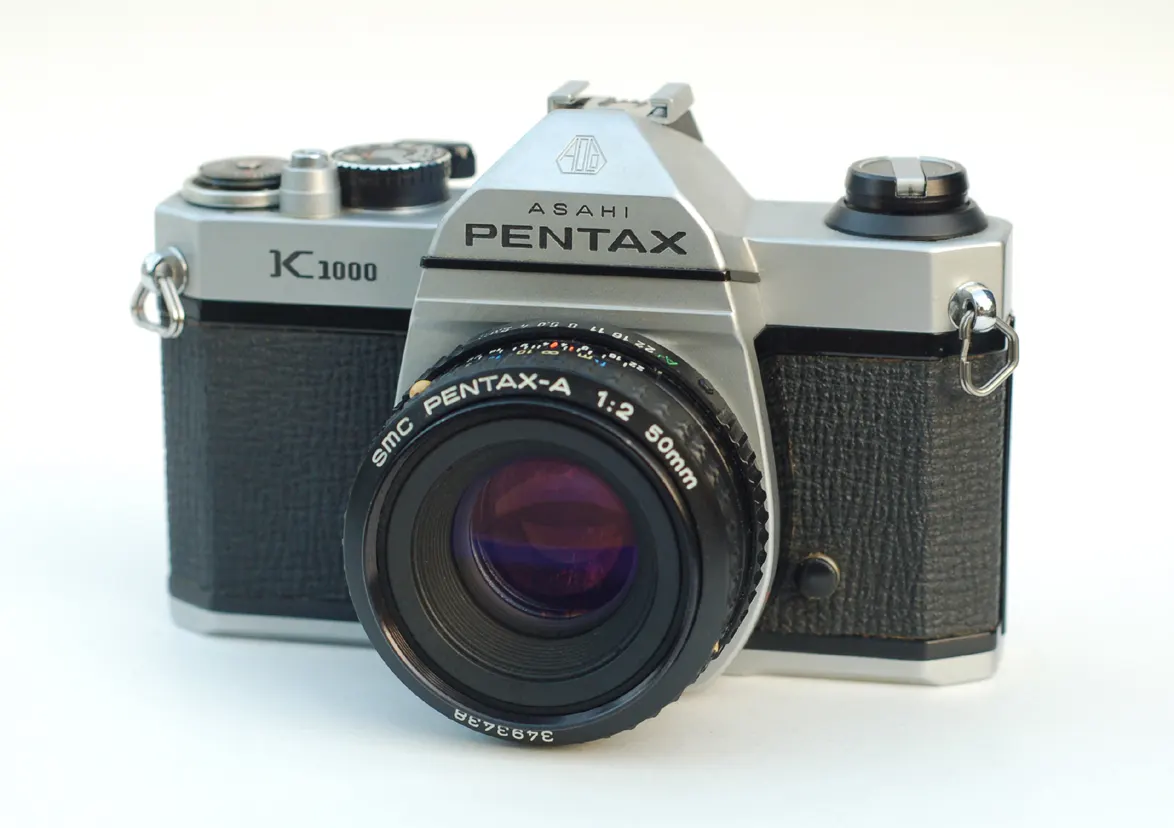
The Pentax K1000 is a fully mechanical, fully manual 35mm SLR that Asahi made from 1976 to 1997 and sold over 3 million of; the shutter fires without a battery, which only powers the match-needle light meter.
Owners rate it highly for learning exposure and for its durability, and in October 2026 US shops listed used, restored or refurbished bodies with a 50mm lens for about $250 to $400.
- Made
- 1976-1997
- Shutter
- Mechanical, 1 s to 1/1000 + B
- Battery
- 1 x LR44/SR44, meter only
- Lens mount
- Pentax K bayonet
Built from 153 opinions from 30 pages and videos. Not yet tested by Camera Dojo. Updated .
The short version
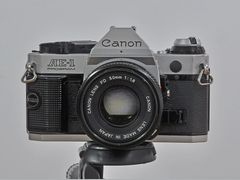
The case against it is about features, price and the condition of used copies. It has no self-timer, no depth-of-field preview and no on/off switch for the meter, and owners say its cult status keeps prices above more featured bodies like the Pentax KM. For the classic rival, see Canon AE-1 vs Pentax K1000.
Condition matters more than the model name: owners are split almost evenly on reliability, mostly over meter faults, light leaks and prism damage on used bodies. Test the meter, check the light seals and look through the viewfinder before you pay, or buy from a shop that has serviced it.
Good fit if
- You want to learn exposure by setting shutter speed, aperture and focus yourself
- You want a camera that still fires at every speed if the battery dies
- You want access to cheap, plentiful manual K-mount lenses
- You want a sturdy, mostly metal body known for surviving years of student use
Think twice if
- You want autofocus or any automatic exposure mode
- You need a self-timer, depth-of-field preview or easy double exposures
- You want flash sync faster than 1/60 second
- You want the most camera for the money: owners say a Pentax KM or KX often costs less
What owners and reviewers say, topic by topic
We sorted 153 opinions about the K1000 from 30 pages and videos on 26 websites and channels. Each row shows how many people raised a topic and how many of them were positive. Open a row to read short quotes, each linked to its source.
Most of the 153 opinions come from owner blogs, editorial reviews and five YouTube reviews. Reddit, Photrio and photo.net threads could not be read, so forum voices are thinner than usual.
Reliability today47% positiveof 19
Opinion is split almost evenly. Many praise a mechanical shutter that almost always works, but nearly as many report meter faults, off shutter speeds, light leaks or prism problems on used bodies, so condition matters more than reputation.
“I've determined that 1/500s on one of my K1000 bodies is way off (it's about the same as 1/125).”
“Really often, the light meter indicator get semi-locked to the + sign. It goes down only on really dark areas.”
The Photo ForumOwner
“This is largely because I’ve never seen a K1000 that wasn’t working.”
Daniel J. Schneider (schneidan.com) 2016-07Owner
“Other than the old seals, it works just fine after sitting under a bed for fifteen years.”
The Noisy Shutter 2022-08Owner
Controls and features17% positiveof 18
The weakest topic. Owners repeatedly miss a self-timer, depth-of-field preview, a shutter lock and settings in the viewfinder; a few like the bare controls exactly because there is nothing extra to learn.
“The only con I found with the Pentax K1000 is that I outgrew it pretty quickly.”
Kiersten Roy blogOwner
“The only reason, I couldn’t give this camera a solid 10 was due to lack of timer”
“There are no mysterious controls, switches to flick or knobs to turn.”
The Noisy Shutter 2022-08Owner
“The greatest strength with the Pentax K1000 is also the biggest flaw - it’s simplicity.”
Build quality73% positiveof 15
The strongest point: owners describe a sturdy, mostly metal body that survives drops and years of student use. Reviewers add that early Japanese bodies are sturdier than later China-made ones with plastic parts, and one owner feels it is too light next to a Nikon F2.
“It is quite strong plastic and feels quite nice.”
“The build of the camera screams quality and feels quite durable.”
Ben Kepka, Cultured Kiwi 2026Owner
“That it survived constant use through my teenage years is a testament to the build quality.”
Alex Luyckx Blog 2026-01Owner
“the original Japanese-made models are the sturdier and more sought after cameras.”
Lenses80% positiveof 15
The most praised topic: K-mount lenses are plentiful and cheap, and owners call the 50mm f/2 kit lens sharp and warm. Two reviewers say the f/2 is not the sharpest lens around, and one owner finds K-mount lenses overpriced and hard to find.
“there’s a multitude of dirt-cheap K Mount manual lenses available out there.”
“the newer K mount lenses which even today can easily be used on my Pentax digital slr.”
FAS Photo (Frank Sollecito) 2021-04Owner
“There’s a warmth about this 50mm f/2 lens that is lacking in other 50mm lenses I’ve used.”
Down the Road (Jim Grey's blog) 2012-03Owner
“The SMC Pentax-M 50mm f/2.0 isn’t the sharpest lens I’ve ever used, but it’s small and light, and overall quite competent.”
Daniel J. Schneider (schneidan.com) 2016-07Owner
Price and value53% positiveof 15
Many owners found cheap copies at thrift stores and call it a great value, but others say the film revival and its cult status have pushed prices up, with the Pentax KM, KX or a Nikkormat often costing less.
“there are just as good if not better options out there that are far less expensive these days.”
Alex Luyckx Blog 2015-01Owner
“In my opinion, for its price, it is unbeatable film camera.”
“I picked up this camera and a handful of lenses for a grand total of $56”
Kiersten Roy blogOwner
“the resurgence of film photography has caused the price of the K1000 as well a many other film cameras to start creeping up.”
FAS Photo (Frank Sollecito) 2021-04Owner
Light meter and exposure62% positiveof 13
Most say the match-needle meter is accurate and easy to read. The mixed and negative notes are about the simple averaging pattern getting fooled by backlight, and about dead meters on some used copies, which owners work around with a handheld or phone meter.
“It even comes with an impressively accurate lightmeter to help get rid of any guesswork.”
“It is sharp, shutter speed is super accurate, can take modern flashes or pocket wizards, CdS metering is true”
“I prefer the K1000 over the K2 because it’s lighter and I prefer the match needle meter, finding it easier to work with.”
Alex Luyckx Blog 2026-01Owner
“The full scene average metering is a bit pedestrian, but it's really not all that bad.”
Jittery Pixel (Blogspot) 2016-01Owner
Viewfinder and focusing62% positiveof 13
Most find the finder clear and the microprism spot quick to focus. One owner finds it noticeably dimmer than a Canon AE-1's, one reviewer finds the microprism spot hard to get on with, and four reports mention fungus or prism desilvering on old copies.
“The very first K1000 I got, from back in college, finally developed prism desilvering.”
The Thoughts & Photography of Johnny Martyr 2023-03Owner
“It’s big and bright, and super simple.”
Daniel J. Schneider (schneidan.com) 2016-07Owner
“the 0.88x viewfinder does a decent job of letting you see clearly for that purpose.”
Ben Kepka, Cultured Kiwi 2026Owner
“While the viewfinder isn’t too bright I still find it easy to work with and focus.”
Alex Luyckx Blog 2015-01Owner
Batteries and power67% positiveof 12
Owners like that the battery runs only the meter and that one LR44 or SR44 lasts for years. The common complaint is the missing on/off switch: leave the lens uncapped and the meter drains the cell.
“a modern SR44 battery can be used without worry of inaccuracy.”
Daniel J. Schneider (schneidan.com) 2016-01Owner
“in all the years of owning this camera I don’t remember ever having to replace it.”
“being a fully mechanical camera, the camera will still fire with a corroded compartment.”
Mike Eckman Dot Com 2019-08Owner
“if it is openly stored on a shelf with the lens cap off, the battery will be depleted.”
The Noisy Shutter 2022-08Owner
Ease of use64% positiveof 11
Most owners call it simple and intuitive, with nothing to confuse a beginner. A few found full manual exposure a shock at first, and one owner damaged film perforations by forgetting the rewind release button.
“the K1000 recommends itself as a top camera for beginners”
Daniel J. Schneider (schneidan.com) 2016-07Owner
“What I love about this film camera is that it is easy to use.”
Kiersten Roy blogOwner
“There’s no extra settings to confuse you. It’s as simple as you’d want for a first SLR.”
“nor would I suggest it as a first camera, I think they’re great for what they are.”
Madison Hyer, James Madison Photography (WordPress) 2019-06Owner
Repairs and servicing50% positiveof 8
Jim Grey says a clean, lube and adjust (CLA) can keep one going for life, and one owner revived a neglected body by replacing the seals himself. The flip side: some meter faults need a professional, and some repairs cost more than the camera.
“My father had already asked some local repair shops without luck”
The Photo ForumOwner
“I had it CLA’d and have continued to enjoy the rig.”
Alex Luyckx Blog 2026-01Owner
“I managed to salvage the body, replace the seals, and give it a good bath.”
The Noisy Shutter 2022-08Owner
“a repair shop would probably charge $50 to do just this since it takes a while”
Size and weight57% positiveof 7
Most find the weight comfortable, not too light and not too heavy, and one carried it all day on a shoulder strap. One reviewer calls the long, thin body awkward and another finds it heavy and bulky over long periods.
“The body feels annoyingly lengthy, and from back to front it’s uncomfortably thin. This makes for an awkward feeling camera.”
Josh Solomon, Casual Photophile 2016-11Hands-on review
“Even with the metal body, thought, the camera is by no means heavy”
Kiersten Roy blogOwner
“in the hand, it feels good, not too light and not too heavy either.”
Alex Luyckx Blog 2015-01Owner
“It’s a large, heavy camera, but not so much so that I couldn’t hold it to my eye with one hand”
Down the Road (Jim Grey's blog) 2012-03Owner
Image results100% positiveof 5
Everyone who commented on results liked them, and two credit the 50mm kit lens, one for sharpness wide open and one for the depth and look of the pictures.
“Even shooting wide open, I was able to get a shocking level of sharpness out of it.”
Jittery Pixel (Blogspot) 2016-01Owner
“The results, though developed about a year after our trip ended, surprised and delighted me.”
Zach Baldwin-Way blog 2018-11Owner
“said I’d be happy with 1 decent shot. Man, I took some awesome photos”
“The images created by the humble combination possess a depth uncommon in the digital age, and the look is addicting.”
Josh Solomon, Casual Photophile 2016-11Hands-on review
PositiveMixedNegative
How to load and shoot a Pentax K1000
Everything on the K1000 is manual, so a roll takes six habits. For the loading itself, see how to load film.
- 1
Set the film speed
Lift the outer ring of the shutter speed dial and turn it to the ISO on your film box. The scale runs from ASA 20 to 3200 according to Daniel J. Schneider; Camera-wiki lists 8 to 6400.
- 2
Load and advance
Load the roll, close the back and advance to frame 1; the counter resets when the back opens and counts up to 37. Advancing cocks the shutter, and a small orange marker by the release shows it is ready. The ratcheting lever works in one stroke or several short ones.
- 3
Meter with the needle
Take the lens cap off, then turn the aperture ring or the shutter speed dial until the needle on the right of the viewfinder sits in the middle. Toward + means overexposed, toward - means underexposed. The needle can be slow to settle, so give it a moment.
- 4
Watch backlit scenes
The meter is center-weighted and averages the scene, so it gets fooled when the light is behind your subject. Judge those exposures yourself; the Sunny 16 rule is a good fallback, and it also covers you if the meter dies.
- 5
Focus and shoot
Turn the focus ring until the subject looks sharp in the microprism spot in the center of the finder. The viewfinder shows only the needle, not your shutter speed or aperture, so lower the camera to check settings. With flash, use 1/60 second or slower through the hot shoe or PC socket; the manual says 1/30 or slower for flash bulbs.
- 6
Rewind, then cap the lens
Press the rewind release button on the bottom of the camera first, then crank the rewind knob; one owner who forgot it several times damaged his film perforations. Put the lens cap back on afterward, because the meter has no off switch.
Sources: schneidan.com, camera-wiki.org, cute.camera, culturedkiwi.com, adorama.com, en.wikipedia.org
Which battery does the Pentax K1000 take?
The K1000 takes one LR44 or SR44 button cell (also sold as A76, S76, 357 or 303) in a compartment on the bottom of the camera, and it powers only the light meter. The shutter is mechanical, so the camera fires at every speed with a dead battery or none at all. Mike Eckman notes that it even fires with a corroded battery compartment.
The camera was designed around mercury cells, but Daniel J. Schneider points out that its bridge circuit lets a modern 1.55-volt silver oxide SR44 read correctly. Jittery Pixel notes this makes it easier to power than the similar Pentax Spotmatic, which uses a discontinued mercury battery.
There is no on/off switch: the meter turns on whenever light comes through the lens. Keep the lens cap on in your bag and owners say one cell lasts for years. If you need a replacement, our film camera battery finder lists equivalents.
Sources disagree on the count: Digital Camera World lists two SR44/LR44 cells, while Brooklyn Film Camera, Retrospekt, Wikipedia and Camera-wiki all list one.
Sources: en.wikipedia.org, camera-wiki.org, schneidan.com, brooklynfilmcamera.com, cute.camera, digitalcameraworld.com, mikeeckman.com, jitterypixel.blogspot.com
Which lenses fit the Pentax K1000?
The K1000 uses the Pentax K bayonet mount. Any K-mount lens with an aperture ring works, and because Ricoh, Chinon, Vivitar, Sears, Cosina and others also made K-mount bodies and lenses, cheap third-party glass is everywhere. Owners consistently call used K-mount lenses plentiful and cheap, though one owner finds Pentax lenses pricier than their quality and harder to find.
The original kit lens was the SMC Pentax 50mm f/2. Mike Eckman calls it one of the cheapest and most basic lenses ever made but also one of the sharpest, while Casual Photophile says it is not a stellar performer wide open but praised its rich, dense color. Adorama's writer says the 50mm f/1.7 and f/1.4 often found on later kits are at least its equal. In October 2026 Lezot Camera listed a used Pentax-A 50mm f/2 and an Asahi SMC Pentax 55mm f/1.8 at $125 each.
| Lens type | Works on the K1000? | Notes |
|---|---|---|
| Pentax K, M, A, F and FA with an aperture ring | Yes | Set the aperture on the ring; the meter reads at full aperture |
| DA, FA J and other lenses without an aperture ring | No | The aperture can't be set on the K1000 |
| M42 screw-mount Takumars | With the Pentax Mount Adapter K | Metering is stop-down |
| Third-party K mount (Ricoh, Chinon, Vivitar, Sears, Cosina) | Yes, with an aperture ring | Common and cheap on the used market |
Sources: brooklynfilmcamera.com, cute.camera, mikeeckman.com, adorama.com, casualphotophile.com, lezotcameras.com, en.wikipedia.org
Japan, Hong Kong or China: which K1000 is worth more?
Pentax moved K1000 production from Japan to Hong Kong in 1978 and to China in 1990 to keep labor costs down. Along the way the Asahi name came off the prism, the wind shaft metal was downgraded from steel, and plastic replaced the chromed brass top and bottom plates, which cut the weight of Chinese-assembled bodies to 525 g from the original 620 g.
Collectors pay a small premium for Japan-made bodies, but Cultured Kiwi says a well-kept later body shoots just as well. Adorama's writer flags two weak spots on late bodies: a pot-metal wind-lever base that can bend and make the lever scrape the top cover (late Hong Kong and Chinese bodies), and a plastic rewind knob and shaft that can break under heavy use (Chinese bodies).
There is also the K1000 SE, which swaps the standard microprism spot for a split-image rangefinder with a microprism collar. Frank Sollecito chose the SE because the split-image screen makes focusing easier for him.
| Made in | Years | How to spot it |
|---|---|---|
| Japan | 1976-1978 | "Asahi" on the prism cover and "Asahi Opt. Co. Japan" on the back of the top plate; metal top and bottom plates and shutter speed dial |
| Hong Kong | 1978-1990 | Small screw where the KX's battery-test button was; no "Japan" on the back of the top plate; late bodies have a chromed plastic top cover and bottom plate |
| China | 1990-1997 | Plastic top and bottom plates, no Asahi name, black plastic shutter speed dial with no silver edge, plastic rewind knob and shaft |
Dates vary by source: Wikipedia, Camera-wiki and Cultured Kiwi put the move to Hong Kong at 1978, while Brooklyn Film Camera says Japan-made bodies ran through the mid 1980s.
Sources: camera-wiki.org, en.wikipedia.org, culturedkiwi.com, adorama.com, brooklynfilmcamera.com
What to check before buying a used Pentax K1000
Australian Analog warns it has seen far too many used K1000s with poor meters or bad light leaks. Run these checks in person if you can; for where to buy, see where to buy used film cameras.
- 1
Test the meter
With a battery in, set ASA 100 and the shutter speed dial to B: the needle should swing all the way up. Then turn the speed dial; if the needle reacts to light but not to the dial, the coupling has failed and needs a professional.
- 2
Look through the viewfinder
Check for debris, fungus or a dark smudge from prism desilvering. Johnny Martyr says many K1000s now have gremlins in their viewfinders or need repairs that cost more than people paid for the camera.
- 3
Check the seals and mirror foam
Dried-out seals can streak your negatives with light leaks. Look for crumbling or sticky foam around the back door and where the mirror lands; both are replaced in a standard CLA.
- 4
Fire every shutter speed
Fire every speed from 1 second to 1/1000 and note any that hang or skip. Fast speeds are hard to judge by ear: one Flickr owner found 1/500 on a body running close to 1/125, which is why shops like Brooklyn Film Camera check speeds before they sell one.
- 5
Check the battery door and the wind lever
Look for corrosion in the battery compartment; Max Kent notes the wire from the battery to the meter can deteriorate. On late Hong Kong and China bodies, make sure the wind lever does not scrape the top cover; on China bodies, check that the plastic rewind knob and shaft are intact.
- 6
Budget for a service
Lezot Camera charges $180 for a standard K1000 service (diagnostics, cleaning, transport CLA, meter calibration, light seals, mirror foam and a new battery), and it takes 8-10 weeks. Shops like Brooklyn Film Camera replace seals and foam, calibrate the meter and check speeds before they sell a K1000.
Sources: australiananalog.com.au, flickr.com, johnnymartyr.wordpress.com, flickr.com, youtube.com, adorama.com, lezotcameras.com, brooklynfilmcamera.com
Pentax K1000 vs Canon AE-1: which student SLR?
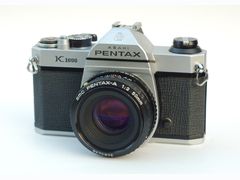 Pentax K1000 | 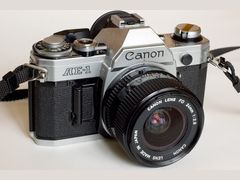 Canon AE-1 | |
|---|---|---|
| Price new, 1977-78 Sears catalog | $154.50 with SMC Pentax 50mm f/2 | $279.50 |
| Exposure | Manual only, match-needle meter | Shutter-priority auto (full program on the AE-1 Program) |
| Battery | Meter only; the shutter fires without one | Electronic shutter needs a battery |
| Viewfinder | Microprism spot and meter needle; no settings shown | Brighter, with microprism and split-image aids and an aperture readout |
| Lens mount | Pentax K | Canon FD |
| Reliability today | Mike Eckman: the shutter almost always works | Mike Eckman: the electronic shutter is more temperamental |
Pick the Pentax K1000 if
- You want a camera that works with no battery
- You want to learn full manual exposure with nothing automated
- You already own K-mount lenses
Pick the Canon AE-1 if
- You want auto exposure as a fallback while you learn
- You want a brighter finder with a split-image focusing aid
- You want a self-timer
Sources: mikeeckman.com, brooklynfilmcamera.com
Known problems and what fixing them costs
Owners and shops mostly report age-related problems: foam and seals dry out, meters drift and viewfinders collect dirt, and late bodies have a few weaker parts.
Dried-out light seals and mirror foam
Raised in 3 opinions
- How you notice
- Light leaks (streaks or fogged edges on negatives), crumbling or sticky foam around the back door and where the mirror lands
- Fix
- Replace the light seals and mirror foam; both are part of a standard CLA at US shops, and one owner replaced the seals himself
- Typical cost
- $85-$150 for light seals at Brooklyn Film Camera (sample range, after a $50 inspection); included in Lezot Camera's $180 K1000 service
Sources: brooklynfilmcamera.com, lezotcameras.com, thenoisyshutter.com
Dead, jumpy or stuck light meter
Raised in 6 opinions
- How you notice
- Needle does not move, pins at + or drifts, or works only some of the time
- Fix
- Try a fresh LR44 or SR44 and clean the battery contacts first; one Photo Forum owner revived a dead meter for some months by turning the shutter speed dial back and forth to clean what he took to be a dirty potentiometer, though the fault came back. Otherwise a technician repairs and recalibrates the meter, or you shoot with a handheld or phone meter
- Typical cost
- Meter calibration is included in Lezot Camera's $180 K1000 service; Brooklyn Film Camera charges a $50 inspection fee and Cute Camera Co. a $59.99 diagnostic fee, both credited to the repair
Sources: thephotoforum.com, lezotcameras.com, brooklynfilmcamera.com, cute.camera
Meter ignores shutter speed changes
Raised in 2 opinions
- How you notice
- Needle reacts to light and aperture but not to the shutter speed dial, so readings are wrong
- Fix
- The mechanical coupling between the speed dial and the meter has failed; this is a job for a professional, not a home fix
- Typical cost
- Quote after inspection ($50 at Brooklyn Film Camera, $59.99 at Cute Camera Co., credited to the repair)
Sources: flickr.com, brooklynfilmcamera.com, cute.camera
Shutter speeds off at the fast end
Raised in 2 opinions
- How you notice
- Overexposed frames in bright light; on one owner's body 1/500 ran close to 1/125
- Fix
- Have a technician check and adjust the speeds; Brooklyn Film Camera checks and calibrates speeds on every K1000 it sells
- Typical cost
- Quote after inspection ($50 at Brooklyn Film Camera, $59.99 at Cute Camera Co., credited to the repair)
Sources: flickr.com, brooklynfilmcamera.com, brooklynfilmcamera.com, cute.camera
Film advance or transport jam
- How you notice
- Advance lever locks or will not complete its stroke; the shutter will not cock
- Fix
- Do not force the lever; a technician unjams and services the transport
- Typical cost
- $90-$150 to unjam at Brooklyn Film Camera (sample range); transport CLA is part of Lezot Camera's $180 service
Sources: brooklynfilmcamera.com, lezotcameras.com
Weaker parts on late Hong Kong and China bodies
Raised in 3 opinions
- How you notice
- Wind lever scrapes the top cover because its pot-metal base bent; on China bodies, the plastic rewind knob or shaft can break under heavy use
- Fix
- Buy an earlier all-metal body (Asahi on the prism) or have a shop replace the part from a donor body
- Typical cost
- No published price; shops quote after inspection ($50 at Brooklyn Film Camera)
Sources: adorama.com, camera-wiki.org, brooklynfilmcamera.com
Debris, fungus or desilvering in the viewfinder
Raised in 6 opinions
- How you notice
- Specks or a 'bug' in the finder that do not show on film; on older copies, fungus or a dark smudge from prism desilvering
- Fix
- The focusing screen does not come out from below, so the top plate and prism come off to clean it, a job best left to a technician. Max Kent warns prism fungus can make a camera unusable, so check the finder before you buy
- Typical cost
- A Flickr group member estimates a shop would charge about $50 just to clean under the prism; a full CLA is $180 at Lezot Camera
Sources: flickr.com, johnnymartyr.wordpress.com, lezotcameras.com, youtube.com
Photos taken with a Pentax K1000
These photos were shot on Pentax K1000 cameras by Wikimedia Commons contributors, on films including Kodak Gold 200, Fomapan 100 and Kodak Vision3.

Kodak Gold 200, 2020Photo: Mykyta Nikiforov from Lviv, Ukraine, CC BY 2.0 
Yukon River, 2013Photo: Anthony DeLorenzo from Whitehorse, Yukon, Canada, CC BY 2.0 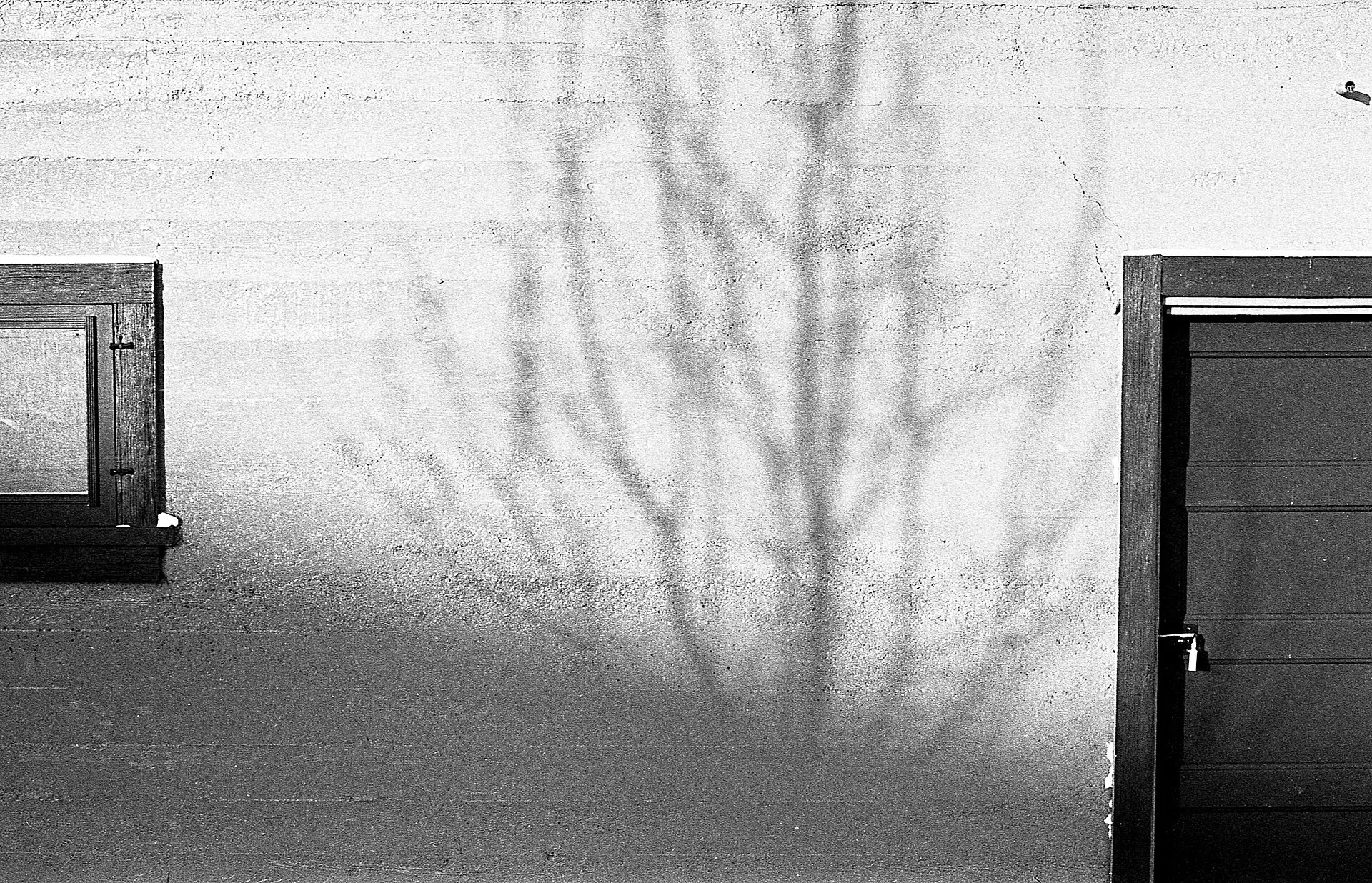
Whitehorse waterfront, 2013Photo: Anthony DeLorenzo from Whitehorse, Yukon, Canada, CC BY 2.0 
Fomapan 100 with a Tamron SP 17mm lens, 2013Photo: jacme31, CC BY-SA 2.0 
Kodak Vision3, 2024Photo: OyirdniIjupRutac, CC BY-SA 4.0 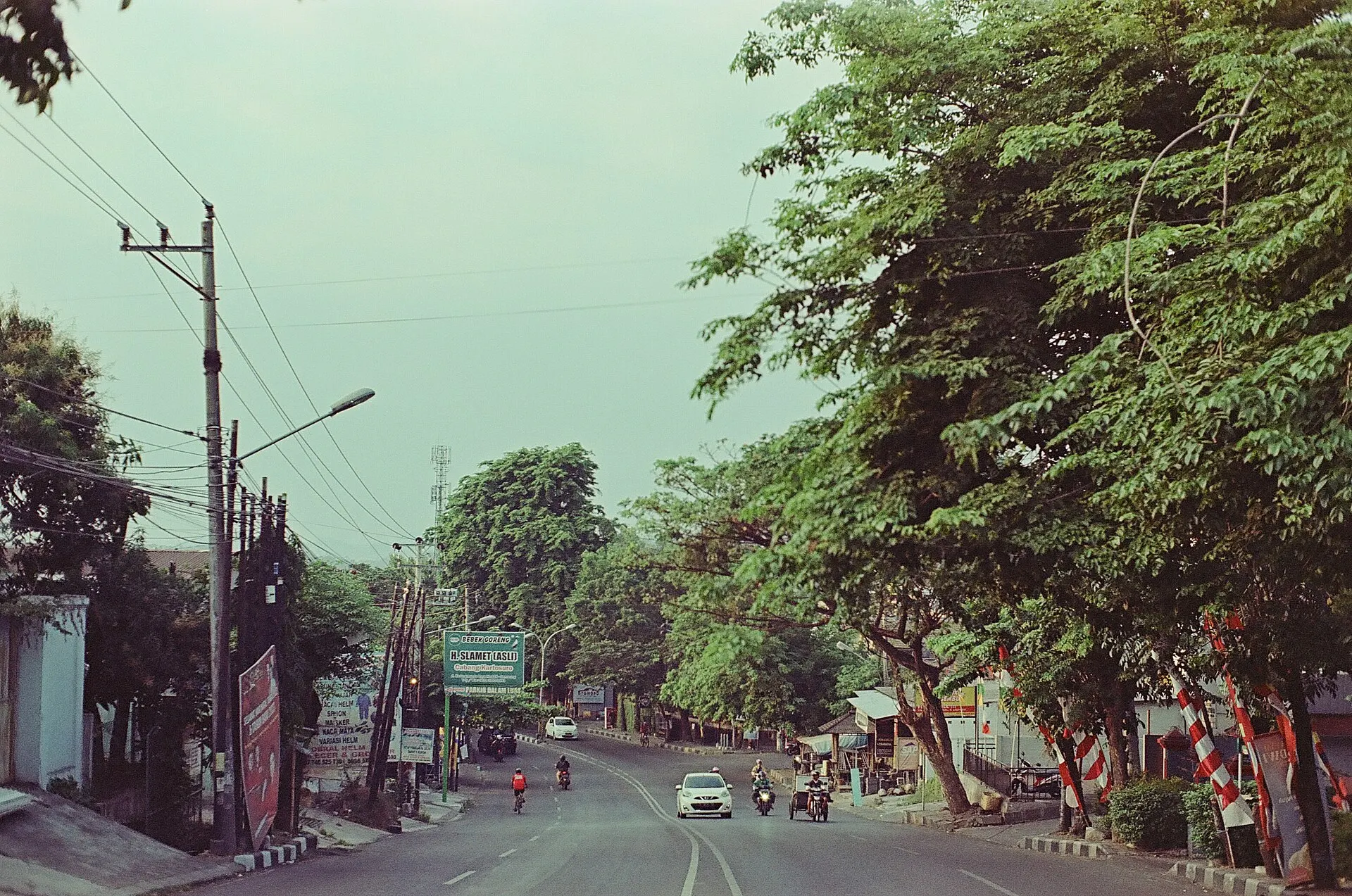
Kodak Vision3, 2024Photo: OyirdniIjupRutac, CC BY-SA 4.0
What a Pentax K1000 costs today
In October 2026, US camera shops listed used, restored or refurbished K1000s with a 50mm lens for $249.99 to $400. Lezot Camera had a body alone for $250. Four of the ten listings were sold out when checked.
Brooklyn Film Camera (Brooklyn, NY)
Used, CLA'd, 6-month warranty, Body with 50mm f/2 lens
$400
See listingCute Camera Co. (Austin, TX)
Restored, Very Good cosmetic grade, 60-day returns, Body with 50mm lens and fresh battery
$379.99
See listingCute Camera Co. (Austin, TX)
Restored, Good cosmetic grade, 60-day returns, Body with 50mm lens and fresh battery
$309.99
See listingCute Camera Co. (Austin, TX)
Restored, Average cosmetic grade, 60-day returns, Body with 50mm lens and fresh battery
$279.99
See listingRetrospekt (Milwaukee, WI)
Vintage refurbished (sold out when checked), Body with SMC Pentax-M 50mm f/2
$349
See listingRetrospekt (Milwaukee, WI)
Vintage refurbished (sold out when checked), K1000 SE with SMC Pentax-A 50mm f/2
$299
See listingAustin Camera
Used (sold out when checked), Body with 50mm f/2 SMC lens
$299.99
See listingSilverton Camera Company (Silverton, CO)
Used, good condition, Body with 50mm lens
$250
See listingLezot Camera
Used, 90-day warranty, Body only
$250
See listingFilm Photography Project store
Used vintage kit (sold out when checked), Body with 50mm f/1.7
$249.99
See listing
Prices checked on October 28, 2026. They move every week, so treat them as a range, not a quote. eBay, KEH, MPB and B&H blocked our price checks, so marketplace prices are not listed. Editorial guides put a working body at about $100 to $200 and a tested kit from graded sellers at $250 to $450 (Cultured Kiwi, 2026), or $150 to $300 for a body in good shape (Lens and Shutter). Cute Camera Co. grades are cosmetic only; every grade is fully functional.
Video reviews worth your time

Pentax K1000 Review | This Old Camera #06
The Pentax K1000 is a highly reliable, fully mechanical SLR camera that serves as an essential learning tool for film photography fundamentals.

Pentax K1000 Review (is it worth buying in 2020?)
The Pentax K1000 is a classic, fully mechanical 35mm SLR praised for its exceptional durability, accurate light meter, and simple manual control.

Why The Pentax K1000 Was So Damn Popular - Review & How To
The reviewer considers the Pentax K1000 an ideal, durable, and straightforward film SLR for learning photography fundamentals, despite a few common age-related flaws.

Episode 10: Pentax K1000 (Review and Sample Photos)
The reviewer considers the Pentax K1000 a solid, enjoyable camera with access to great lenses, but notes that earlier metal-built versions are superior to later plastic models and that inflated market prices make alternative models worth considering.

Ultimate Beginners 35mm Film Camera: Pentax K1000 - How To, Setup Guide, Tips, and History
The Pentax K1000 is a legendary, fully mechanical 35mm SLR camera praised for its durability, simple controls, and intuitive match-needle light meter, making it ideal for beginners and experienced photographers.
Specifications
Body and shutter
- Units sold
- Over 3 million
- Shutter speed dial
- Turns a full 360 degrees, with no stop between 1/1000 and B
- Lens mount
- Pentax K bayonet
- Original kit lens
- SMC Pentax 50mm f/2
Meter and viewfinder
Size and history
Questions people ask about the K1000
Is the Pentax K1000 a good camera?
For learning film photography, most owners say yes: it is fully mechanical, simple and built to survive decades of use, and Camera-wiki calls it the archetypal students' camera. Critics, including Casual Photophile's reviewer, find it awkward to handle and say cameras like the Pentax Spotmatic, Minolta SRT or Nikkormat FTn do the stripped-down SLR job better. Buy one for its simplicity, not its spec sheet.
Sources: culturedkiwi.com, camera-wiki.org, casualphotophile.com
How much is a Pentax K1000 worth today?
In October 2026, US shops listed used, restored or refurbished K1000s with a 50mm lens for about $250 to $400. Lezot Camera had a body alone for $250. Cultured Kiwi's 2026 guide puts a working body at about $100 to $200 and a tested kit from graded sellers at $250 to $450. Sellers that service and warranty the camera charge more, but they replace the seals, calibrate the meter and check the speeds.
Sources: culturedkiwi.com, cute.camera, lezotcameras.com
Does the Pentax K1000 need a battery?
Only for the light meter. The shutter is mechanical and fires at every speed with no battery. The meter takes one LR44 or SR44 (also sold as A76, S76, 357 or 303), and with no on/off switch it drains the cell unless the lens cap is on.
Sources: en.wikipedia.org, brooklynfilmcamera.com
How do I set the ISO on a Pentax K1000?
Lift the outer ring of the shutter speed dial and turn it until your film's ISO shows in the window on the dial. The scale runs from ASA 20 to 3200 according to Daniel J. Schneider, while Camera-wiki lists 8 to 6400. ASA is the older name for the same film speed numbers.
Sources: jitterypixel.blogspot.com, schneidan.com, camera-wiki.org
My Pentax K1000 isn't turning on. What could be the problem?
Nothing on a K1000 turns on: there is no power switch, and the battery only runs the meter needle. If the needle is dead, try a fresh 1.5-volt cell, clean the battery contacts and look for a loose or corroded wire at the battery terminal. If it still won't move, or ignores the shutter speed dial, the meter needs a technician, but the camera still shoots with a handheld or phone meter.
Sources: flickr.com, thephotoforum.com, flickr.com
Is the Pentax K1000 good for beginners?
Yes, if you want to learn how exposure works. You set film speed, shutter speed, aperture and focus yourself, and the needle in the viewfinder tells you when the exposure is right. A couple of first-time users found the manual controls confusing at first, and one outgrew it within months and moved to a Canon AE-1 Program for its extra features.
Sources: cute.camera, kierstenroy.com
How long does a Pentax K1000 shutter last?
No source we found gives a rated shutter life for the K1000. Owner experience is good: Mike Eckman says its shutter almost always works, and Daniel J. Schneider says he has never seen a K1000 that wasn't working. Age still shows up, though. One Flickr owner measured 1/500 running close to 1/125, and Jim Grey says a CLA can keep one going for life.
Sources: mikeeckman.com, schneidan.com, flickr.com, blog.jimgrey.net
What film should I use in a Pentax K1000?
Any 35mm film works. Cultured Kiwi suggests a forgiving ISO 400 color negative like [Kodak UltraMax 400](/film/kodak-ultramax-400/) while you learn the needle, and [Kodak Gold 200](/film/kodak-gold-200/) for bright daylight. Set the ISO dial to match the box before the first frame.
Sources: culturedkiwi.com
What people compare it with
The other classic student SLR. It adds shutter-priority auto exposure and, in Mike Eckman's side-by-side, a brighter finder, but its electronic shutter needs a battery; new, it cost $279.50 to the K1000's $154.50 in the 1977-78 Sears catalog.
Pentax KM
The same body with the self-timer and depth-of-field preview the K1000 dropped. Owners say it often sells for less because it lacks the K1000's cult status.
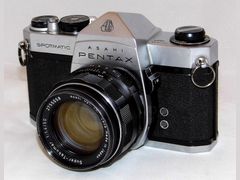
The earlier M42 screw-mount Pentax. Camera-wiki calls its shutter identical and its viewfinder nearly identical to the K1000's, and Casual Photophile's reviewer says any elegance in the earlier Spotmatic and SV is missing on the K1000. Its meter was built for a mercury battery that is no longer made.
Also fully mechanical, with a 1/4000 second top speed and 1/250 flash sync, at roughly twice the K1000's used price according to Brooklyn Film Camera.
Every source behind this page
Read them yourself. How we pick and count them is in our methodology.
Show all 43 sources
Independent blogs 17
- Australian Analog blog: Pentax K1000 Review - Perfect first film SLR camera?
- Focal Collective: Pentax K1000 35mm SLR Review
- James Madison Photography: Review: Pentax K1000 - film photography
- FAS Photo: My Favorite Film Camera the Pentax K1000SE
- Zach Baldwin-Way blog: 12999 Miles and a Pentax K1000
- Kiersten Roy blog: Pentax K1000 Review
- JYJ Photography: Pentax K1000 Owner's Review
- Jittery Pixel: Camera Review
- Alex Luyckx Blog: Camera Review Blog No. 02
- Alex Luyckx Blog: Camera Tales No.01 - Pentax K1000 - Alex Luyckx
- The Noisy Shutter: Classic Camera Review
- Down the Road: Pentax K1000
- Down the Road: Updated review: Pentax K1000
- Mike Eckman Dot Com: Student Camera Showdown: Canon AE-1 Program vs Pentax K1000
- Daniel J. Schneider: Pentax K1000 SE: Why is it so good? -
- Daniel J. Schneider: This week No. 36: The Hit Camera and the K1000s -
- The Thoughts & Photography of Johnny Martyr: The Significance & Probability of a New Pentax K1000 - The Thoughts & Photography of Johnny Martyr
Manuals and references 13
- brooklynfilmcamera.com: Camera Repair NYC: Film Camera Repair in Brooklyn + Mail
- brooklynfilmcamera.com: Pentax K1000 for Sale: CLA'd, 6
- camera-wiki.org: Pentax K1000 - Camera-wiki.org
- cute.camera: Repairs
- en.wikipedia.org: Pentax K1000
- filmphotographystore.com: Search: 5 results found for "pentax k1000"
- retrospekt.com: Pentax K1000 35mm SLR Film Camera
- retrospekt.com: Pentax K1000 SE 35mm SLR Film Camera
- austincamera.com: Search results: 24 results for “pentax k1000”
- lezotcameras.com: Pentax K-Mount Manual Focus Lenses | LeZot Camera - LeZot Camera | Sales and Camera Repair | Camera Buyers
- lezotcameras.com: Pentax K1000 Film Camera Repair - LeZot Camera | Sales and Camera Repair | Camera Buyers
- lezotcameras.com: Pentax K1000 35mm SLR Body * - LeZot Camera | Sales and Camera Repair | Camera Buyers
- silvertoncamera.com: Pentax K
Video reviews 5
- Azriel Knight: Pentax K1000 Review | This Old Camera #06
- Sweet Lou Photography: Pentax K1000 Review (is it worth buying in 2020?)
- Max Kent: Why The Pentax K1000 Was So Damn Popular - Review & How To
- Positively Negative: Episode 10: Pentax K1000 (Review and Sample Photos)
- Brooklyn Film Camera: Ultimate Beginners 35mm Film Camera: Pentax K1000 - How To, Setup Guide, Tips, and History
Editorial reviews 4
Forums 3
Retailer customer reviews 1
Keep reading
Film cameras
Canon AE-1 vs Pentax K1000: auto exposure vs fully manual, battery dependence, lenses, common faults and October 2026 prices, used and serviced.
Film cameras
The Pentax Spotmatic is a mechanical M42 SLR from 1964. What 150 owner and reviewer opinions say, which model to buy, the battery, prices and common fixes.
Film cameras
The best film camera for beginners is usually a used Canon AE-1 Program or Pentax K1000. Compare 8 picks, October 2026 US shop prices and what to check first.
Film cameras
Where to buy film cameras used in the US: KEH, MPB, B&H, local shops, eBay and thrift, with warranties, October 2026 prices and a checklist to test one.
Techniques and editing
The exposure triangle links aperture, shutter speed and ISO: one stop on any side doubles or halves the light. How it works on film, where the roll sets ISO.
Film cameras
The Pentax ME Super is a tiny 1979 K-mount SLR with aperture-priority auto. What 111 owner and reviewer opinions say, a used body at $99.95, and what breaks.