Polaroid Now Gen 3: what reviewers say, film cost and problems
The short answer
The Polaroid Now Gen 3 is Polaroid's basic point-and-shoot camera for full-size i-Type film: it went on sale March 4, 2025, and costs $129.99 at Polaroid's US store (October 2026), up from $119.99 at launch.
Reviewers like how easy it is to pick up and shoot and the big Polaroid print, but Dan Finnen, who reviewed the Now+ Gen 3, says the two-lens autofocus is still unreliable and Gen 3 will not fix all of the Now's exposure problems. Film adds $2.08 to $2.37 a photo at Polaroid's own prices.
- Released
- March 2025
- Price, Oct 2026
- $129.99
- Film
- i-Type, 600
- Per photo
- $2.08-$2.37
Built from 53 opinions from 14 pages and videos. Not yet tested by Camera Dojo. Updated .
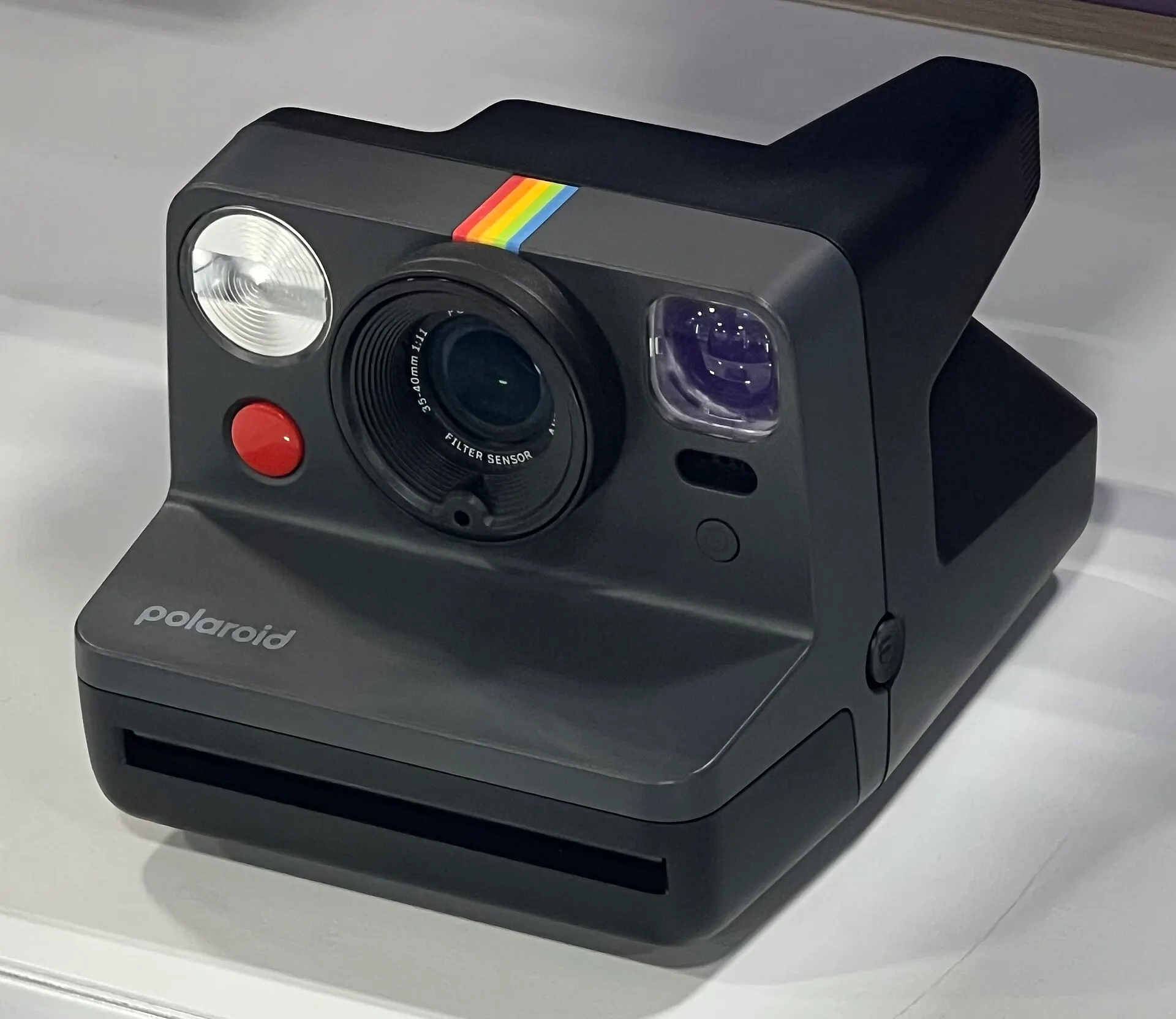
The short version
Who should buy it is where the sources split. The Gadgeteer would tell most people to buy the Now Gen 3 starter set rather than the smaller Go Gen 3, and TechRadar calls both Gen 3 models excellent value as cameras. Dan Finnen and PCMag point anyone who wants more reliable autofocus to the Polaroid Flip, which WIRED puts about $50 above the Now+.
If you already own a Now Gen 2, there is little reason to switch. Polaroid moved the light meter under the lens, improved the ranging sensor and added a tripod mount and filter support, and The Gadgeteer calls Gen 3 a refinement, not a reinvention. Most of the first-hand comments below are about the Now+ Gen 3, which Polaroid sells as the app-connected version of the same camera.
Good fit if
- You want full-size Polaroid prints, with an image area of 3.1 x 3.0 inches, from a camera you simply point and shoot.
- You are buying a first Polaroid: Polaroid's own camera picker rates the Now as very easy for first-time users.
- You want a self-timer, double exposure and a tripod mount, which Polaroid lists for the plain Now, without pairing a phone.
- You want one camera that takes both i-Type and 600 film, charged over USB-C and rated for up to 15 film packs per charge.
Think twice if
- You want dependable close-up focus or arm's-length selfies: Dan Finnen says it can't focus close enough, and PCMag found the Flip's autofocus more reliable, especially up close.
- You plan to shoot a lot: at $18.99 for 8 photos, each shot costs about $2.37 at Polaroid's single-pack price.
- You want aperture priority or manual exposure: those need the Now+ Gen 3 ($149.99 at Polaroid) and the Polaroid app.
- You leave cameras in a drawer for months: Finnen warns the built-in lithium battery dies unless you charge it regularly.
- You want something pocketable: it measures 5.91 x 4.42 x 3.7 inches and weighs 15.8 oz, per Polaroid.
What every photo costs you
The camera is a one-time cost; film is the running one. Every i-Type pack holds 8 photos, so at October 2026 prices each shot costs $2.08 to $2.37 from Polaroid's own store and more from other sellers.
Color i-Type, twelve pack (96 photos)
$2.08 per photo
$199.99 at Polaroid US store
Color i-Type, 5 packs bought together (40 photos)
$2.13 per photo
$17.00 a pack at Polaroid US store
Color i-Type, 3 packs bought together (24 photos)
$2.21 per photo
$17.66 a pack at Polaroid US store
Color i-Type, one pack (8 photos)
$2.37 per photo
$18.99 at Polaroid US store
Black and white i-Type, one pack (8 photos)
$2.37 per photo
$18.99 at Polaroid US store
Color i-Type, one pack (8 photos)
$3.12 per photo
$24.99 at Focus Camera
Per-photo figures are the price divided by the number of photos: $18.99 / 8 = about $2.37, $17.66 / 8 = about $2.21, $17.00 / 8 = about $2.13, $199.99 / 96 = about $2.08 and $24.99 / 8 = about $3.12. A Polaroid film subscription takes 5% off from the second shipment, with free shipping. Try your own numbers with the film cost per photo calculator.
What owners and reviewers say, topic by topic
We sorted 53 opinions about the Now Gen 3 from 14 pages and videos on 11 websites and channels. Each row shows how many people raised a topic and how many of them were positive. Open a row to read short quotes, each linked to its source.
Owner voices were thin for this camera, so this page leans on editorial coverage. Of the 53 opinions, 15 come from two reviewers who shot with the Now+ Gen 3 (Dan Finnen and the CREATIVEreviews YouTube channel); the rest come from launch news, deal posts, Polaroid's own tutorial video and Polaroid Flip reviews that compare the Flip with the Now+ Gen 3. Reddit threads and retailer customer reviews could not be checked word for word, so they are not counted.
Features and modes64% positiveof 11
Positive overall. Reviewers and Polaroid's tutorial point to the self-timer, double exposure, tripod mount and slip-on filters, while The Gadgeteer calls Gen 3 a refinement, not a reinvention, and Yanko Design notes the Now+ app still shows no preview of the shot.
“Other improvements include a built-in tripod”
“The Now+ works with a set of slip-on creative filters”
“we think it's worth the extra outlay over the standard version”
“the gen 3 is a refinement, not a reinvention.”
Rei Padla, The Gadgeteer: If Polaroid Go Prints Feel Too Tiny, the Now Gen 3 Is the One to Buy 2026-07
Ease of use57% positiveof 7
Split. The Gadgeteer, Yanko Design and Digital Camera World praise how simple it is, and Polaroid's tutorial shows the half-press that locks settings before a shot. Dan Finnen calls the autofocus unreliable and the Now cameras too fussy, and PCMag found the Flip's autofocus more reliable.
“the Polaroid Now cameras are too fussy to be useful”
Dan Finnen: Polaroid Flip Instant Film Camera Review 2025Hands-on review
“includes a better lens and more reliable autofocus than the Now+ Generation 3 ($139.99)”
“the Polaroid Now keeps instant photography wonderfully simple”
Sebastian Oakley, Digital Camera World: Polaroid Now Gen 3 gift deal article 2026-10
“the regular Now gets the important part right: bigger Polaroid prints, simple shooting”
Rei Padla, The Gadgeteer: If Polaroid Go Prints Feel Too Tiny, the Now Gen 3 Is the One to Buy 2026-07
Design and grip57% positiveof 7
Mostly positive on looks: Finnen calls the Now series very attractive, TechRadar sees the character of the original OneStep SX-70, and The Phoblographer liked the MoMA edition. Yanko Design finds it a little chunky, and the CREATIVEreviews YouTube review flags a tripod thread that looks like plastic and a small wrist strap.
“cameras that I think share the character of the original OneStep SX-70”
“I can see this as a camera you'd be eager to take out and about wherever you go”
The Phoblographer: Polaroid and MoMA's Polaroid Now Collab Gives Instant Vintage a Modern Twist 2025-05
“that design is a little chunky and clearly retro, but it also makes it look more fun to use”
JC Torres, Yanko Design: Polaroid Now Generation 3 Instant Cameras Prove that the Classics Never Die 2025-03
“so it doesn't look quite as good on a shelf as the very attractive Polaroid Now series”
Dan Finnen: Polaroid Flip Instant Film Camera Review 2025Hands-on review
Price and value43% positiveof 7
Split. The Gadgeteer would tell most people to buy the Now Gen 3 starter set, TechRadar calls it excellent value as a camera and Digital Camera World likes the bundle as a gift. Finnen says to get the Flip first, WIRED says the Flip adds a lot for $50 more than the Now+, and CREATIVEreviews notes the box has no cable, lens cover or filters.
“go ahead and get the flip before you consider the now”
Dan Finnen: New Polaroid Now+ Gen 3 Reviews 2025-05Hands-on review
“as cameras, both are excellent value”
“I already think the camera-and-film bundle makes an attractive gift.”
Sebastian Oakley, Digital Camera World: Polaroid Now Gen 3 gift deal article 2026-10
“the Polaroid Now Generation 3 starter set is the one I'd tell most people to buy”
Rei Padla, The Gadgeteer: If Polaroid Go Prints Feel Too Tiny, the Now Gen 3 Is the One to Buy 2026-07
Image quality60% positiveof 5
Few sources judged Gen 3 prints directly. The Verge and Yanko Design expected the new ranging sensor and autofocus to give sharper photos and Digital Camera World says Gen 3 makes good results considerably easier to get, while PCMag says the Now+'s two-zone focus gives less sharp pictures than the Flip and The Gadgeteer reminds buyers that softer detail comes with instant film.
“It provides more precise focus than the two-zone system used by the Now+, which translates to sharper, better-focused pictures in practice.”
“upgrades to the imaging hardware allow these cameras to take even sharper photos”
JC Torres, Yanko Design: Polaroid Now Generation 3 Instant Cameras Prove that the Classics Never Die 2025-03
“autofocus upgrades, a better light meter position, and an improved ranging sensor should result in sharper photos”
“it's still analog instant photography, which means film cost, missed shots, softer detail, and lighting limits are part of the experience.”
Rei Padla, The Gadgeteer: If Polaroid Go Prints Feel Too Tiny, the Now Gen 3 Is the One to Buy 2026-07
Automatic exposure0% positiveof 3
All three opinions are critical. Dan Finnen says Gen 3 will not fix the exposure woes of earlier Now cameras, The Gadgeteer relays reports of crushed shadows in high-contrast scenes, and PCMag got a better keeper rate from the Polaroid Flip.
“Together, this makes for a better keeper rate than the Now+.”
“some note the gen 3 can crush shadow detail in high-contrast scenes”
Rei Padla, The Gadgeteer: If Polaroid Go Prints Feel Too Tiny, the Now Gen 3 Is the One to Buy 2026-07
“hoping that the Gen 3 fixes all your exposure woes, you're going to be disappointed.”
Dan Finnen: Polaroid Now+ (Plus) Gen 3 Instant Camera Review 2025-04Hands-on review
Batteries and charging67% positiveof 3
USB-C charging gets a nod from Yanko Design and Polaroid's tutorial, but Dan Finnen warns the built-in lithium battery will die if the camera sits for weeks without a charge.
“unless you're babying this battery by pulling it out of a drawer and charging it every week, this lithium battery will die.”
Dan Finnen: Polaroid Now+ (Plus) Gen 3 Instant Camera Review 2025-04Hands-on review
“modern conveniences like improved performance, a new two-lens autofocus system, and USB-C charging”
JC Torres, Yanko Design: Polaroid Now Generation 3 Instant Cameras Prove that the Classics Never Die 2025-03
PositiveMixedNegative
Photos taken with a Polaroid Now Generation 3
Only one freely licensed photo from this camera family turned up, and it was shot on the Now+ Generation 3, the app-connected version of the Now Gen 3.
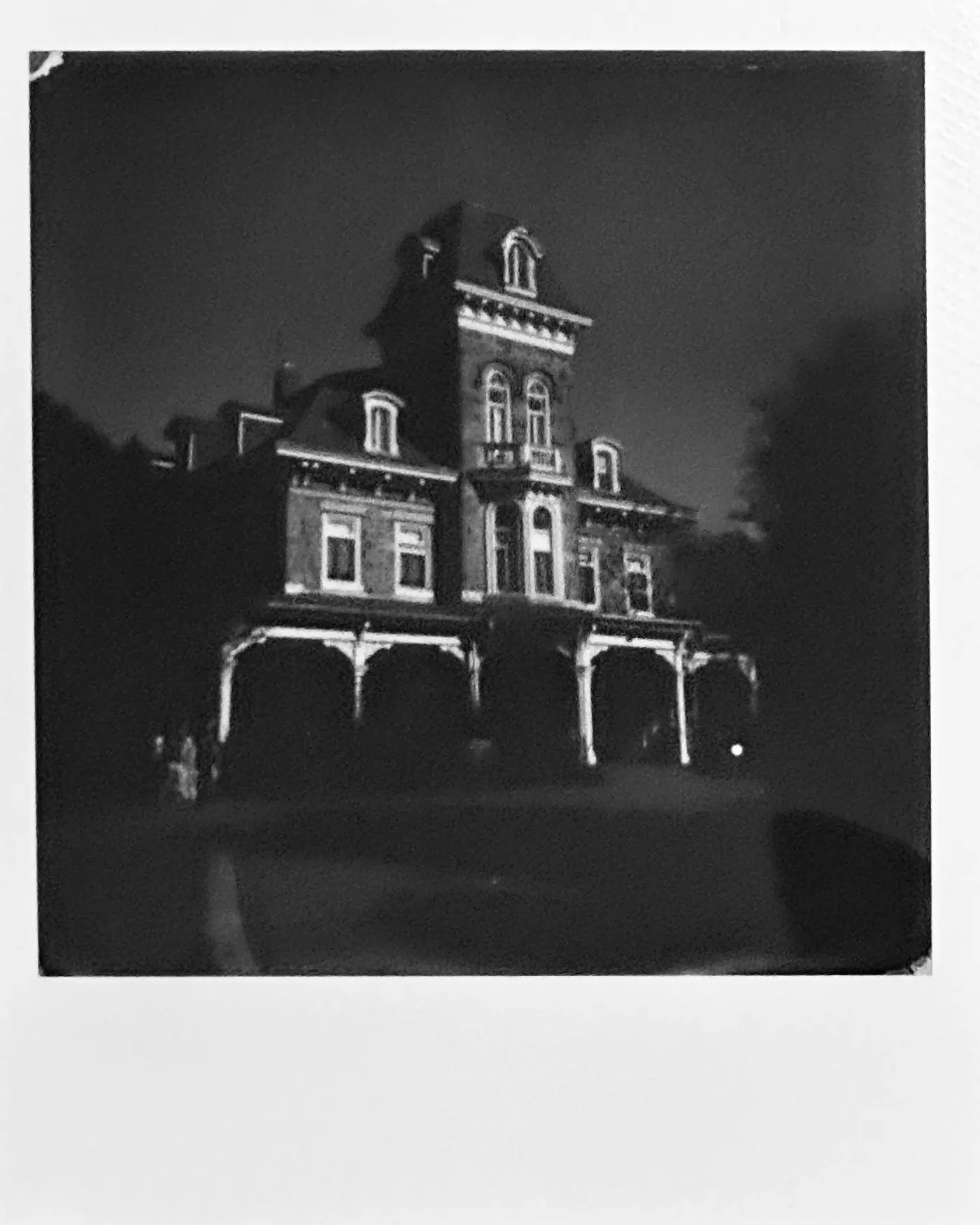
Cylburn Arboretum mansion, October 2025, shot on a Polaroid Now+ Generation 3, the app-connected version of this cameraPhoto: crudmucosa, CC BY 4.0
How to use the Polaroid Now Gen 3: setup and your first pack
These steps follow Polaroid's own Gen 3 how-to and support pages. A skipped step can spoil a shot, and each shot costs $2.08 to $2.37 at Polaroid's prices.
- 1
Charge it first
The camera-only box has no cable, so use your own USB-C cable and charger. The light on the side shows green for full, orange for half-full and red for low; Polaroid rates a full charge for up to 15 film packs and says it takes about 2 hours from a wall socket.
- 2
Load the film
Press the side button, open the film door and slide the pack in, sticker side out, until it clicks. Close the door and the darkslide ejects by itself: pull it out from under the film shield and leave the shield in place.
- 3
Half-press, then shoot
Frame through the viewfinder, half-press the shutter button to set exposure, then press it fully to take the picture. You can recompose between the two presses.
- 4
Decide on the flash
The flash fires automatically indoors and in low light and works best within about 2 meters (about 6.6 feet). Outdoors in daylight, turn it off and keep the sun behind you.
- 5
Shield the print while it develops
Let the photo develop under the film shield for about 10 seconds, then lay it face down away from direct light for about 10 minutes, and don't shake it. Color i-Type needs 10 to 15 minutes to fully develop.
- 6
Keep the rollers clean
Polaroid recommends checking the rollers between packs and wiping them with a soft damp cloth every 2 to 3 packs. Polaroid calls dirty rollers the most common cause of visible film defects.
Sources: polaroid.com, polaroid.com, support.polaroid.com, polaroid.com, support.polaroid.com
Which film the Polaroid Now Gen 3 takes, and how to keep it fresh
The Now Gen 3 takes Polaroid i-Type and 600 film, in color or black and white. Polaroid says it works best with i-Type. i-Type packs have no battery (the Now has its own), so i-Type will not work in vintage Polaroid cameras. Our Polaroid film guide explains the differences between the formats.
Every pack holds 8 photos rated ASA 640. Polaroid says packs went from 10 sheets to 8 because current film sheets are slightly thicker. Each print is 4.2 x 3.5 inches with a 3.1 x 3.0 inch image area.
Store unopened film flat in the fridge, between 41 and 65 F, never frozen, and let it warm up for at least an hour before shooting. Polaroid recommends using film within 12 months of the production date stamped on the box. Once a pack is loaded, its Gen 3 how-to says to use the film within a month, while its storage article says within 2 months. More in does Polaroid film expire.
- Film behaves best between 55 and 82 F: in the cold prints skew green and overexposed, in the heat yellow and red.
- At the airport, ask for a hand check, since newer carry-on scanners can damage unexposed film. See instant film and airport X-ray.
- Wait 30 days after taking a print before storing it in an album or archival sleeve: Polaroid says classic plastic sleeves are not appropriate in the first month.
- Finish one pack before loading another: swapping mid-pack means sliding the darkslide back in dim light, which Polaroid does not recommend.
Sources: polaroid.com, support.polaroid.com, polaroid.com, support.polaroid.com, support.polaroid.com, support.polaroid.com, support.polaroid.com, support.polaroid.com, support.polaroid.com, polaroid.com
Polaroid Now Gen 3 settings for sharper, better-exposed prints
The camera picks one of two lenses on its own, one for closer subjects and one for farther ones, and gives no indicator of which it chose, according to Dan Finnen. Polaroid's spec lists two focus zones, 0.40 to 1.3 meters and 1.0 meter to infinity, but its troubleshooting page gives a more cautious minimum of 55 cm (1.8 feet), so stay a little farther back than the spec suggests. Dan Finnen found it can't focus close enough for a selfie held at arm's length.
Exposure is automatic, with apertures from f/64 to f/11. Gen 3 moved the light meter from under the viewfinder to under the lens. If prints still come out too dark or too light, long-press the flash button to make the next pictures brighter or darker.
- Parallax: the viewfinder sits apart from the lens, so shift your framing slightly to the left for close-ups.
- Flash off: one press of the flash button turns it off for the next shot, and two presses in a row keep it off for several shots, until you press the button again according to Polaroid's flash guide, or until you switch the camera off according to the Gen 3 manual.
- Self-timer and double exposure: one press of the front button starts the self-timer, two presses start double-exposure mode.
- Cancel a double exposure: switch the camera off, hold the shutter button, switch it on and keep holding for over 10 seconds until the film ejects.
- Filters: Polaroid's Now & Now+ Filter Set (starburst, red vignette, orange, blue and yellow, plus a lens cap) fits Gen 3.
Dan Finnen dislikes the flash sitting right beside the lens because he thinks it makes ugly shadows on subjects.
Sources: polaroid.com, support.polaroid.com, danfinnen.com, polaroid.com, polaroid.com, support.polaroid.com, polaroid.com, support.polaroid.com
Polaroid Now Gen 3 vs Now+ Gen 3: is the app worth the extra?
 Now Gen 3 | Now+ Gen 3 | |
|---|---|---|
| Price at Polaroid, October 2026 | $129.99 | $149.99 |
| Launch price, March 2025 | $119.99 | $139.99 |
| Polaroid app | Scan and share photos only | Bluetooth control: aperture priority, manual mode, remote shutter, double exposure, self-timer |
| Self-timer and double exposure | On the camera, front button | On the camera and in the app |
| Film | i-Type and 600 | i-Type and 600 |
| Tripod mount and filters | Listed by Polaroid for the Now Gen 3. Dan Finnen's Now+ review says the plain Now loses the tripod screw and filter adapters | Built-in tripod mount; slip-on filters work, per Dan Finnen and PCMag |
Pick the Now Gen 3 if
- You want to point and shoot without a phone.
- You would rather put the $20 price difference ($149.99 - $129.99) toward film: it covers a single $18.99 color pack at Polaroid.
Pick the Now+ Gen 3 if
- You want aperture priority or manual exposure.
- You want a phone remote for tripod shots and selfies, which Dan Finnen says is the workaround for its close-focus limit.
- You agree with TechRadar, which thinks the Now+ is worth the extra outlay over the standard version, or with Dan Finnen, who would not recommend the cheaper Now because the price gap is small.
Sources: polaroid.com, polaroid.com, press.polaroid.com, au.pcmag.com, polaroid.com, polaroid.com, danfinnen.com, techradar.com
Polaroid Now Gen 2 vs Gen 3: what changed
Polaroid lists the Gen 3 updates as a better light meter position, an improved ranging sensor, an upgraded two-lens autofocus system, a built-in tripod mount and filter compatibility. In earlier generations the light meter sat under the viewfinder; Gen 3 puts it under the lens.
Reviewers see it as an update, not a new camera. The Gadgeteer calls Gen 3 a refinement, not a reinvention, so a working Gen 2 is no reason to buy again, and Dan Finnen warns that Gen 3 will not fix every exposure problem. If you are buying new, Polaroid's US store lists Gen 3 in eight colors, and the Now & Now+ Filter Set is listed for Gen 3 only, not Gen 1 or Gen 2. For the smaller Go line, see Polaroid Go vs Polaroid Now.
Sources: press.polaroid.com, polaroid.com, the-gadgeteer.com, danfinnen.com, polaroid.com, polaroid.com
Common problems, blinking lights and fixes
These are the problems reviewers and Polaroid's own support pages describe most often. Polaroid publishes no out-of-warranty repair prices and no US repair shop lists Now Gen 3 repairs, so costs are given as DIY fixes or the 1-year US warranty.
Blurry or soft close-ups
Raised in 3 opinions
- How you notice
- Close subjects come out soft, and the camera gives no indicator of which of its two lenses it chose, according to Dan Finnen.
- Fix
- Stay at least 55 cm (1.8 feet) from your subject, as Polaroid's troubleshooting page advises, hold the camera steady and use the flash or strong light. For selfies, use a tripod and the self-timer.
- Typical cost
- $0
Sources: support.polaroid.com, polaroid.com, danfinnen.com
Prints too dark or too bright
Raised in 2 opinions
- How you notice
- Underexposed prints and silhouetted subjects when you shoot toward the sun or indoors without enough light, or lost shadow detail in high-contrast scenes. Dan Finnen says the camera leans toward overexposing rather than underexposing.
- Fix
- Keep the sun behind you, leave the flash on indoors and at dusk, and long-press the flash button to make the next shots brighter or darker.
- Typical cost
- $0
Sources: support.polaroid.com, polaroid.com, danfinnen.com
Spots, marks or undeveloped patches
- How you notice
- Small marks or brown U- or V-shaped undeveloped areas on prints. Polaroid calls dirty rollers the most common cause of visible film defects.
- Fix
- Open the film door, turn the rollers and wipe them with a soft cloth dampened with clean water, then let them dry. Check them between packs and clean them every 2 to 3 packs.
- Typical cost
- $0 (DIY with a damp cloth)
Sources: support.polaroid.com, support.polaroid.com
Photo or darkslide will not eject
- How you notice
- The motor runs but nothing comes out, or the battery light blinks red, which Polaroid says means the camera does not have enough charge to operate.
- Fix
- Charge the camera, reinsert the pack and then try a different pack. If neither pack ejects, the camera needs repair.
- Typical cost
- $0 under the 1-year US warranty; Polaroid publishes no out-of-warranty repair price
Sources: support.polaroid.com, support.polaroid.com, polaroid.com
Framing is off on close-ups
- How you notice
- The subject lands lower or farther right on the print than it looked in the viewfinder.
- Fix
- The viewfinder is separate from the lens, so shift your framing slightly left on close-ups; according to the manual, aim slightly up and to the left for subjects closer than about 1.2 meters (3.9 feet).
- Typical cost
- $0
Sources: polaroid.com, support.polaroid.com
Battery goes flat in storage
Raised in 1 opinion
- How you notice
- The camera is dead after weeks in a drawer, or the battery light blinks red.
- Fix
- Charge it with a USB-C cable before each outing. Polaroid rates a full charge for up to 15 packs and its camera guide claims 90 days, but Dan Finnen says the battery will die unless you pull the camera out and charge it every week. He also says there is no easy way to replace it without taking the camera apart, while the manual calls it user serviceable.
- Typical cost
- No published replacement-battery price; free under the 1-year US warranty
Sources: danfinnen.com, support.polaroid.com, polaroid.com, polaroid.com, support.polaroid.com
Blobs, smears or distorted prints
- How you notice
- Splotches along the bottom edge, or distortions where the print was bent or squeezed.
- Fix
- Don't shake the photo, and don't bend or squeeze it while it develops; keep it flat and shielded from light.
- Typical cost
- Each spoiled shot costs about $2.37 at the single-pack price ($18.99 / 8)
Sources: support.polaroid.com, polaroid.com
Where to buy it
Polaroid sells the Now Gen 3 for $129.99 at its US store, up from the $119.99 launch price in March 2025, and Focus Camera lists it at the same price. The Starter Set ($144.99) adds one pack of color i-Type film, about $4 less than buying both separately ($129.99 + $18.99 = $148.98); the Spectrum Set adds the filter set for $5 more than that.
Polaroid US store
New, camera only, 8 colors
$129.99
See listingPolaroid US store
New, Starter Set: camera plus one pack of color i-Type film
$144.99
See listingPolaroid US store
New, Spectrum Set: camera, one color film pack and the Now & Now+ Filter Set
$149.99
See listingPolaroid US store
New, Travel Set: camera, one color film pack and a Spectrum Box camera bag
$169.99
See listingFocus Camera
New, camera only (black, coral, pebble white and yellow)
$129.99
See listingFocus Camera
New, black camera plus one pack of color film
$144.99
See listingFocus Camera
New, black camera, one pack of color film and a Focus Camera film kit (frames and storage box)
$159.99
See listing
Prices checked on November 2, 2026. They move every week, so treat them as a range, not a quote. Prices at B&H, Adorama, Best Buy, Walmart, KEH, MPB and eBay could not be confirmed on their own pages, so they are not listed. Digital Camera World flagged a discounted camera-and-film bundle in October 2026, so deals come and go. New cameras carry a 1-year warranty in the US, and the camera-only box includes no USB-C cable.
Specifications
Film and prints
- Photos per pack
- 8 (i-Type is ASA 640, no battery in the pack)
- Development time
- 10-15 minutes (color i-Type)
Lens, focus and exposure
- Focus zones
- 0.40-1.3 m and 1.0 m to infinity
- Apertures
- Six, f/64 to f/11, set automatically
- Field of view
- 40 degrees horizontal, 41 degrees vertical
Power, body and warranty
- Battery capacity
- 750 mAh, 3.7 V (Polaroid's Now spec page)
- Battery life
- Up to 15 film packs per charge
- Operating temperature
- 40-108 F (4-42 C) (Polaroid's Now spec page)
- Released
- March 4, 2025
- Warranty
- 1 year in the US
Video reviews worth your time

Polaroid 101: How to use the Now & Now+ Generation 3
An official instructional guide detailing how to set up, operate, and shoot with the Polaroid Now and Now+ cameras.

POLAROID NOW+ GENERATION 3 IN 2026
The reviewer appreciates the camera's design and app-controlled features, but expresses disappointment over the lack of included accessories like a neck strap, lens cover, and charging cable.
Questions people ask about the Now Gen 3
Is the Polaroid Now Gen 3 worth it?
Sources split. The Gadgeteer would tell most people to buy the Now Gen 3 starter set, and TechRadar calls it excellent value as a camera. Dan Finnen calls the autofocus unreliable, and he and PCMag point buyers who want more keepers to the Polaroid Flip. Budget $129.99 for the camera at Polaroid plus $2.08 to $2.37 for every photo.
Sources: the-gadgeteer.com, techradar.com, danfinnen.com, au.pcmag.com, polaroid.com
What is better, Polaroid Gen 2 or Gen 3?
Gen 3 is slightly better: Polaroid moved the light meter under the lens, improved the ranging sensor and added a tripod mount and filter compatibility. The Gadgeteer calls it a refinement, not a reinvention, and Dan Finnen says it won't fix every exposure problem, so a working Gen 2 is no reason to upgrade. If you are buying new, get Gen 3.
Sources: polaroid.com, press.polaroid.com, the-gadgeteer.com, danfinnen.com
How do you use the Polaroid Now Generation 3?
Charge it with a USB-C cable, then slide in an i-Type or 600 pack, sticker side out, until it clicks; the darkslide ejects when you close the door. Half-press the shutter to set exposure, press fully to shoot, then let the print develop face down, away from light, for about 10 minutes. One press of the front button sets the self-timer and two presses set double exposure.
Sources: polaroid.com
Are Polaroid cameras currently on sale?
Deals come and go. In October 2026 Polaroid's US store listed the Now Gen 3 at $129.99 and the Starter Set with one film pack at $144.99, and Digital Camera World flagged a discounted camera-and-film bundle that month. Polaroid's twelve pack of color i-Type film was marked down to $199.99 from $227.88, and its film subscription takes 5% off from the second shipment.
Sources: polaroid.com, digitalcameraworld.com, polaroid.com, polaroid.com
Why is Polaroid 600 and i-Type film so expensive?
A pack holds only 8 photos and costs $18.99 at Polaroid, so a shot costs about $2.37, or about $2.08 in the twelve pack. Polaroid says packs went from 10 sheets to 8 because current film sheets are slightly thicker. TechRadar notes Polaroid's film costs more than Instax; see [Polaroid vs Instax](/instant/polaroid-vs-instax/) for the trade-off.
Sources: polaroid.com, polaroid.com, support.polaroid.com, techradar.com
What is the difference between the Polaroid Now and Now+ Gen 3?
The Now+ connects to the Polaroid app over Bluetooth for aperture priority, manual mode, remote control, double exposure and the self-timer. The plain Now can only use the app to scan and share photos. Polaroid lists the Now+ Gen 3 at $149.99 against $129.99 for the Now.
Sources: polaroid.com, polaroid.com, polaroid.com
How long does the Polaroid Now Gen 3 battery last?
Polaroid rates a full charge for up to 15 film packs, which is 120 photos, and says a full charge takes about 2 hours from a wall socket. Its camera guide also claims 90 days from a full charge, but Dan Finnen warns the built-in lithium battery will die if you don't charge it regularly.
Sources: polaroid.com, support.polaroid.com, support.polaroid.com, danfinnen.com
When did the Polaroid Now Generation 3 come out?
Polaroid's press release for the Now and Now+ Generation 3 is dated March 4, 2025, and both went on sale that day on polaroid.com and at select retailers. Launch prices were $119.99 for the Now and $139.99 for the Now+.
Sources: press.polaroid.com, tech.yahoo.com, au.pcmag.com
What people compare it with
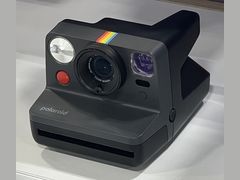
Polaroid Now+ Generation 3
The same camera with Bluetooth app control for aperture priority, manual mode and a remote shutter, $149.99 at Polaroid against $129.99 for the Now. TechRadar thinks it is worth the extra.
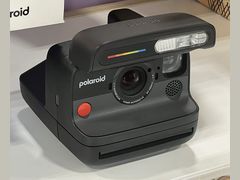
Polaroid Flip
Dan Finnen tells buyers to get it first, PCMag found its autofocus more reliable, especially up close, and WIRED says its lens is protected. WIRED puts it about $50 above the Now+.
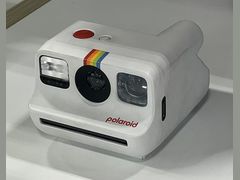
A much smaller Polaroid that takes Go film only, not i-Type or 600. The Gadgeteer recommends the Now Gen 3 instead if Go prints feel too small.
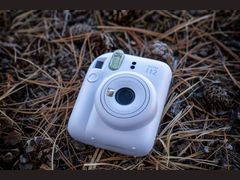
The other mainstream instant camera people cross-shop. TechRadar notes Polaroid's film costs more than Instax.
Every source behind this page
Read them yourself. How we pick and count them is in our methodology.
Show all 47 sources
Manuals and references 33
- focuscamera.com: Polaroid Now Generation 3 Instant Camera with Film Kit and Color Insta
- focuscamera.com: Search: 251 results found for "polaroid i-type film"
- focuscamera.com: Search: 222 results found for "polaroid now generation 3"
- press.polaroid.com: Introducing Polaroid Now & Now+ Generation 3
- support.polaroid.com: hc article_attachments
- support.polaroid.com: Just a moment...
- support.polaroid.com: 115012361067 How does temperature affect Polaroid film
- support.polaroid.com: 115012362747 How should I store Polaroid film
- support.polaroid.com: 115012362927 How to travel with Polaroid film X Rays at Airport
- support.polaroid.com: 115012396447 Why are my photos not ejecting
- support.polaroid.com: 115012396947 What is the date stamped on the film box
- support.polaroid.com: 115012534868 Why do my photos have undeveloped patches
- support.polaroid.com: Just a moment...
- support.polaroid.com: Just a moment...
- support.polaroid.com: Just a moment...
- support.polaroid.com: Just a moment...
- support.polaroid.com: 360012374940 Troubleshooting Polaroid Now camera common mistakes
- support.polaroid.com: Just a moment...
- support.polaroid.com: Just a moment...
- support.polaroid.com: 4507821657106 Why do my photos have distortions and blobs on them
- support.polaroid.com: Just a moment...
- tech.yahoo.com: Polaroid launches Now 3rd Generation - "brighter pictures, bolder colors, better tech"
- polaroid.com: | Education
- polaroid.com: Chevron
- polaroid.com: Explore Polaroid Now Instant Camera
- polaroid.com: Chevron
- polaroid.com: B&W i-Type Film
- polaroid.com: Color i-Type Film Twelve Pack
- polaroid.com: Color i-Type Film
- polaroid.com: Polaroid Now Instant Camera Generation 3
- polaroid.com: Polaroid Now & Now+ Filter Set
- polaroid.com: Polaroid Now Generation 3 Starter Set
- polaroid.com: Warranty Policy
Editorial reviews 9
- The Gadgeteer: If Polaroid Go Prints Feel Too Tiny, the Now Gen 3 Is the One to Buy: If Polaroid Go Prints Feel Too Tiny, the Now Gen 3 Is the One to Buy
- TechRadar: Polaroid refines our long-time favorite instant camera series with new Now 3 and Now 3+: Polaroid refines our long-time favorite instant camera series with new Now 3 and Now 3+, and I bet they'll sell like hotcakes
- The Verge: Polaroid's colorful Now and Now Plus Generation 3 instant cameras are now available: Polaroid’s colorful Now and Now Plus Generation 3 instant cameras are now available.
- Yanko Design: Polaroid Now Generation 3 Instant Cameras Prove that the Classics Never Die: Polaroid Now Generation 3 Instant Cameras Prove that the Classics Never Die
- The Phoblographer: Polaroid and MoMA's Polaroid Now Collab Gives Instant Vintage a Modern Twist: Polaroid x MoMA Collab Features a Bold Polaroid Now 3 and Film
- PCMag Australia: Polaroid Flip review: Polaroid Flip - Review 2025
- TechRadar: Polaroid Flip review: Polaroid Flip review: unique design and all the retro charm and fun of traditional Polaroid film
- Digital Camera World: Polaroid Now Gen 3 gift deal article: The Polaroid Now Gen 3 is just $134.99 - gift it to someone you love or keep it yourself
- WIRED: Polaroid Flip review: Polaroid Flip Review: The Best Polaroid for Most People
Independent blogs 3
Video reviews 2
Keep reading
Instant cameras
Polaroid Go vs Polaroid Now: the Go Gen 3 is $89.99 with $1.37 photos; the Now Gen 3 is $129.99 with autofocus and a picture 2.8x bigger. Specs and picks.
Instant cameras
Polaroid 600 film is ISO 640 with a battery in every 8-photo pack and costs $20.99. See which cameras take 600, i-Type, SX-70 or Go film, and how to store it.
Instant cameras
Polaroid vs Instax: Instax Mini costs $0.77-0.91 a photo and develops in 90 seconds. Polaroid gives a bigger picture for $2.13-2.37. Here is which to buy.
Instant cameras
The best instant camera for most people is the Instax Mini 13, $89.95 in October 2026. See 8 picks from reviewer consensus, plus Polaroid film cost per photo.
Instant cameras
Is the Polaroid I-2 worth $599.99? What 101 reviewer and owner opinions say about its lens, auto exposure and battery, plus film cost per photo and fixes.
Instant cameras
Yes. Polaroid film is best used within 12 months of the production date on the box. How to read the date, store packs, test old film and keep prints.