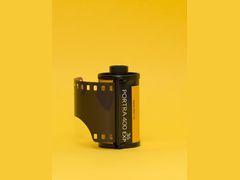
Ilford Delta 3200: true speed, grain, developing and price
The short answer
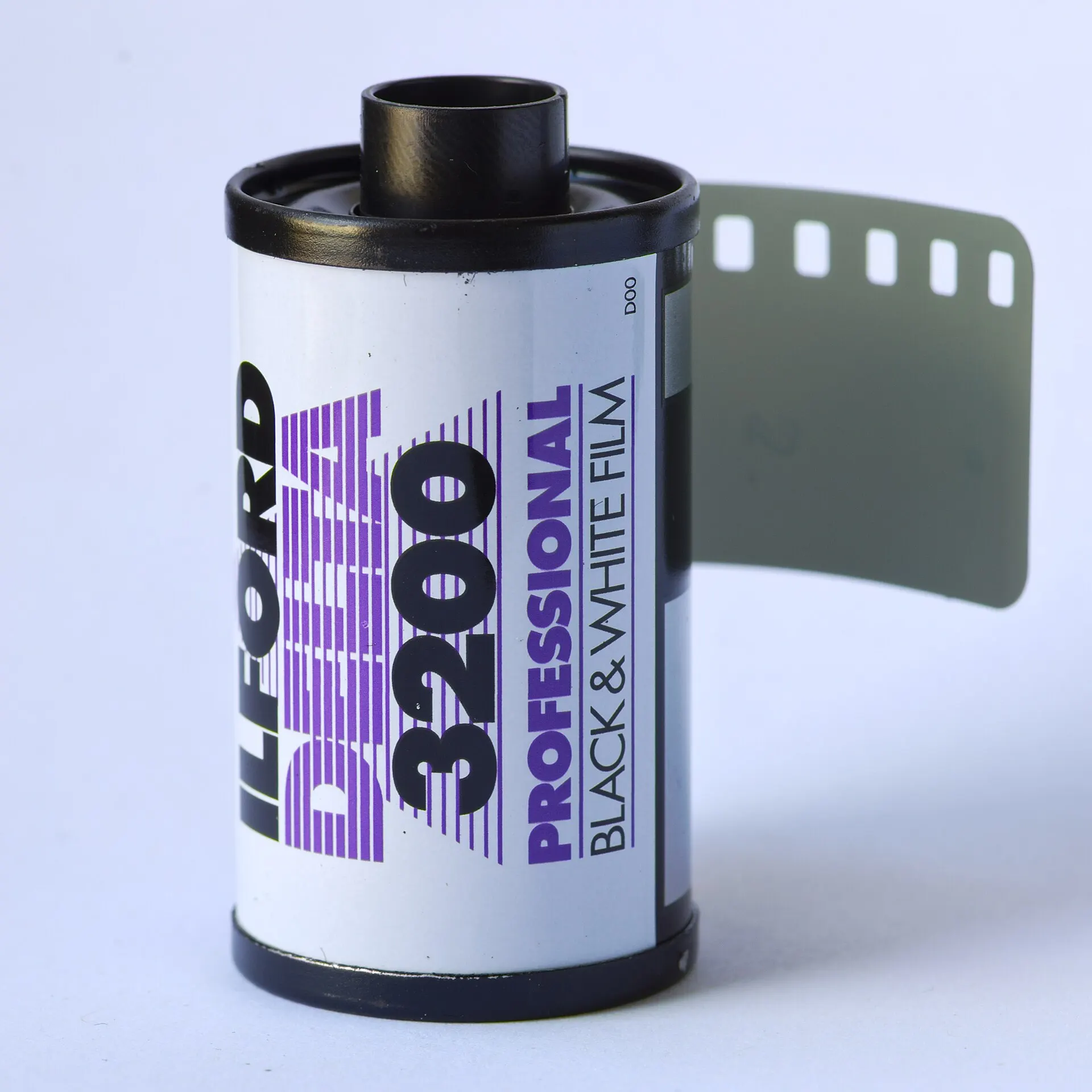
Ilford Delta 3200 is a very fast black-and-white film, sold at EI 3200 but measured at ISO 1000 in Ilford's own data sheet, and reviewers recommend it mainly for handheld shooting in dim light without flash, as long as you like visible grain.
A 36-exposure 35mm roll cost $13.99 to $22.99 and a 120 roll $10.99 to $14.99 at the US film shops listed below (October 28, 2026), and 21 of the 130 opinions collected here are negative.
- Box speed
- EI 3200
- Measured speed (Ilford)
- ISO 1000
- Formats
- 35mm (36 exp) and 120
- 35mm roll (Oct 2026)
- $13.99-22.99
Built from 130 opinions from 37 pages and videos. Not yet tested by Camera Dojo. Updated .
The short version
The catch is in the number. Ilford designed the film to be exposed at EI 3200 and given extended development, and several reviewers who meter at 3200 report thin negatives with muddy shadows. That is why Blue Moon Camera tells customers to shoot it at EI 1600, The Phoblographer says it is meant to be shot at 1600 and developed for 3200, and many owners save 3200 for very dim rooms. Overexposure is forgiving, so one roll at 1600 can cover night, indoor and daylight shots.
Expect grain. Nearly every reviewer mentions it, most like it, and it is finer in 120 than in 35mm. In side-by-side comparisons, Kodak T-Max P3200 kept finer detail and Ilford HP5 Plus pushed to 1600 looked sharper, but Delta 3200 held more deep-shadow detail than the pushed HP5 Plus. Reviewers disagree on contrast, from flat to contrasty, because the developer and the rating change it.
Good fit if
- You shoot concerts, receptions, night streets or dim interiors where flash is banned or impractical.
- You like a gritty, stark black-and-white look, or you shoot 120, where reviewers call the grain manageable.
- Your camera has a slow lens: Blue Moon Camera suggests it for Holgas, Dianas, many point-and-shoots and f/4 to f/5.6 medium format cameras.
- You develop at home and want official times from EI 400 to EI 12500 in Ilford's data sheet, with push times printed on the box.
Think twice if
- You want clean, fine-grain negatives. Even fans call the grain heavy, especially in 35mm.
- You mostly shoot in daylight. My Favourite Lens says not to buy it just for daylight shots, and some owners would rather push a cheaper 400-speed film like Ilford HP5 Plus.
- You want to meter at 3200 and send the roll off without a note. Labs can't assume the speed you shot at, so you have to tell them.
- You fly often and can't get hand checks: Ilford advises keeping this film away from airport scanners.
Photos shot on Ilford Delta 3200 Professional
Photos shot on Ilford Delta 3200 in 35mm and 120, from night streets and concerts to daylight, shared under free licenses on Wikimedia Commons.
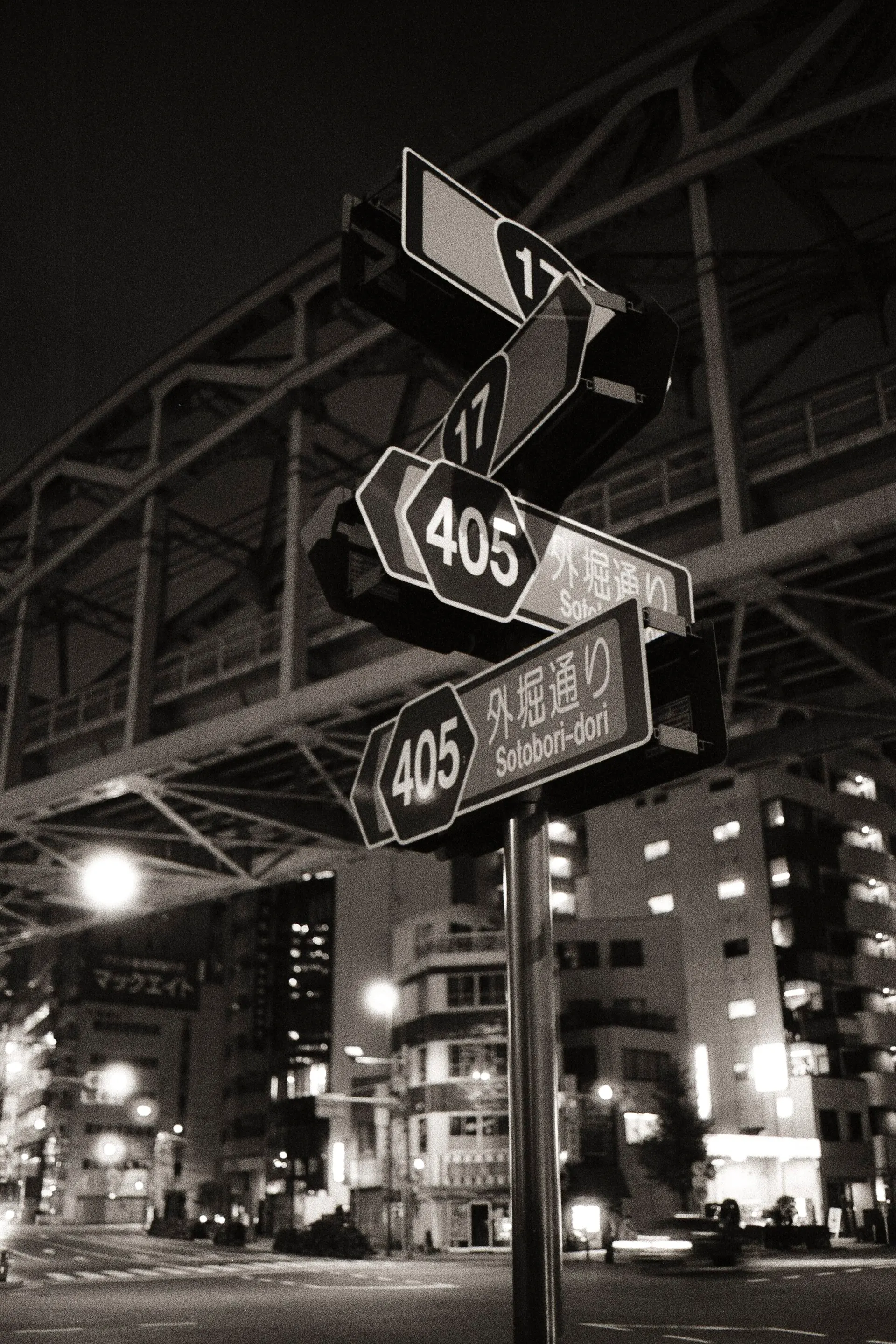
Akihabara, Tokyo, 2010. Contax T3.Photo: Guwashi999 from Tokyo, Japan, CC BY 2.0 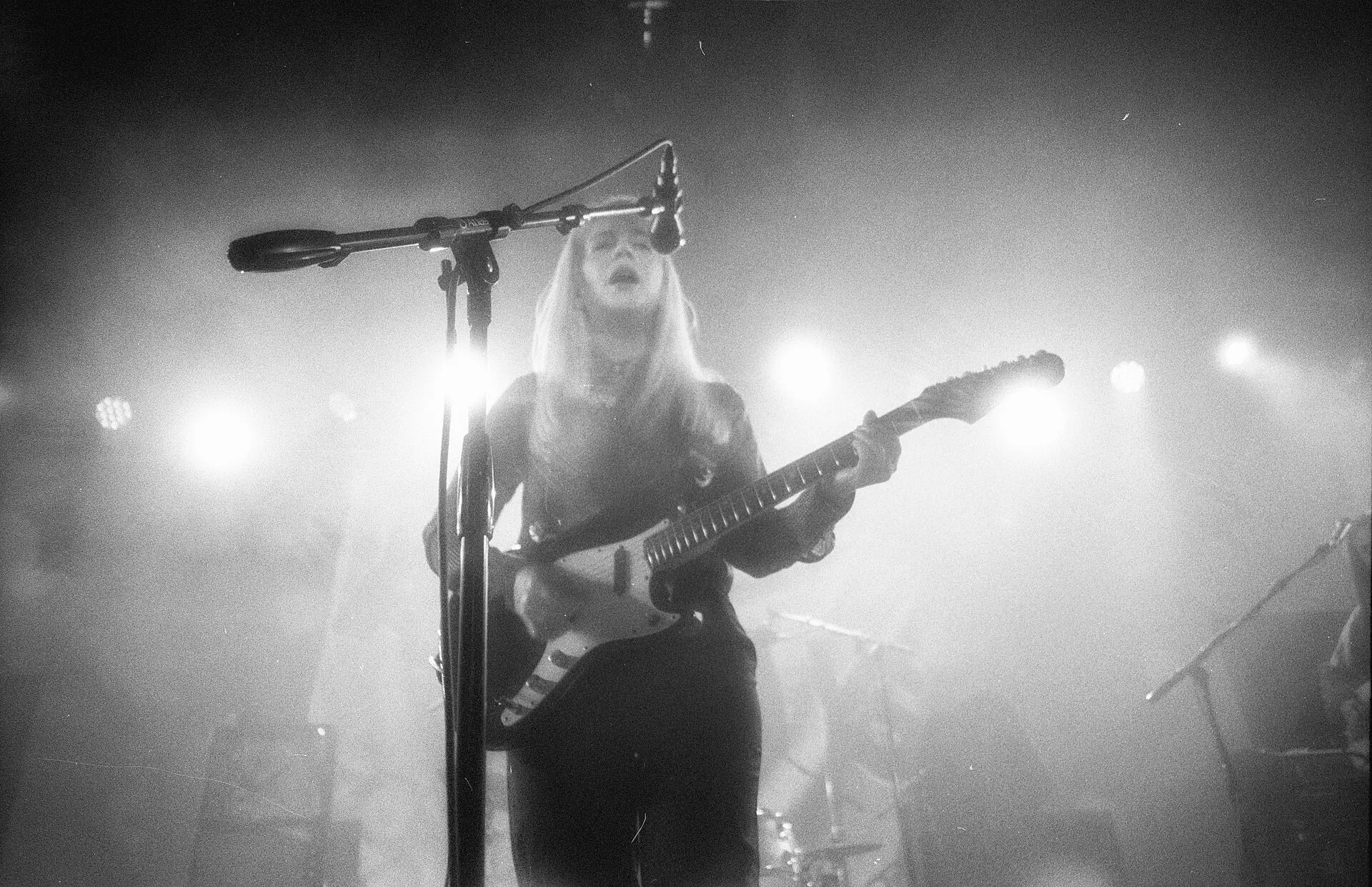
Alvvays at Belltown Bloom, 2022. Ricoh GR1s.Photo: David Lee from Redmond, WA, USA, CC BY 2.0 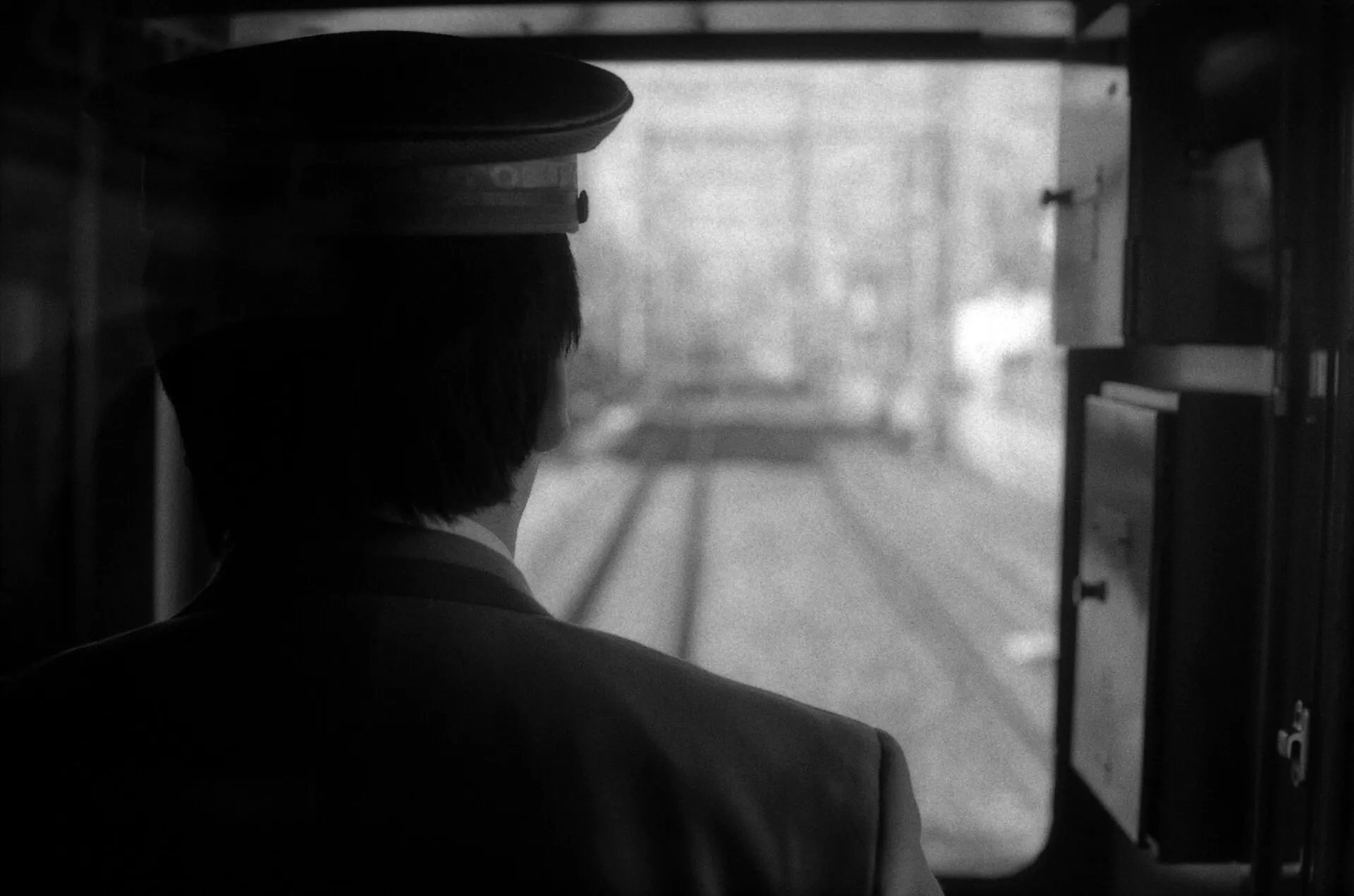
Tobu Tojo Line, Tokyo, January 2006. Nikon F3 with a Nikkor 50mm f/1.2.Photo: Jim Fischer from Portland, Oregon, USA, CC BY 2.0 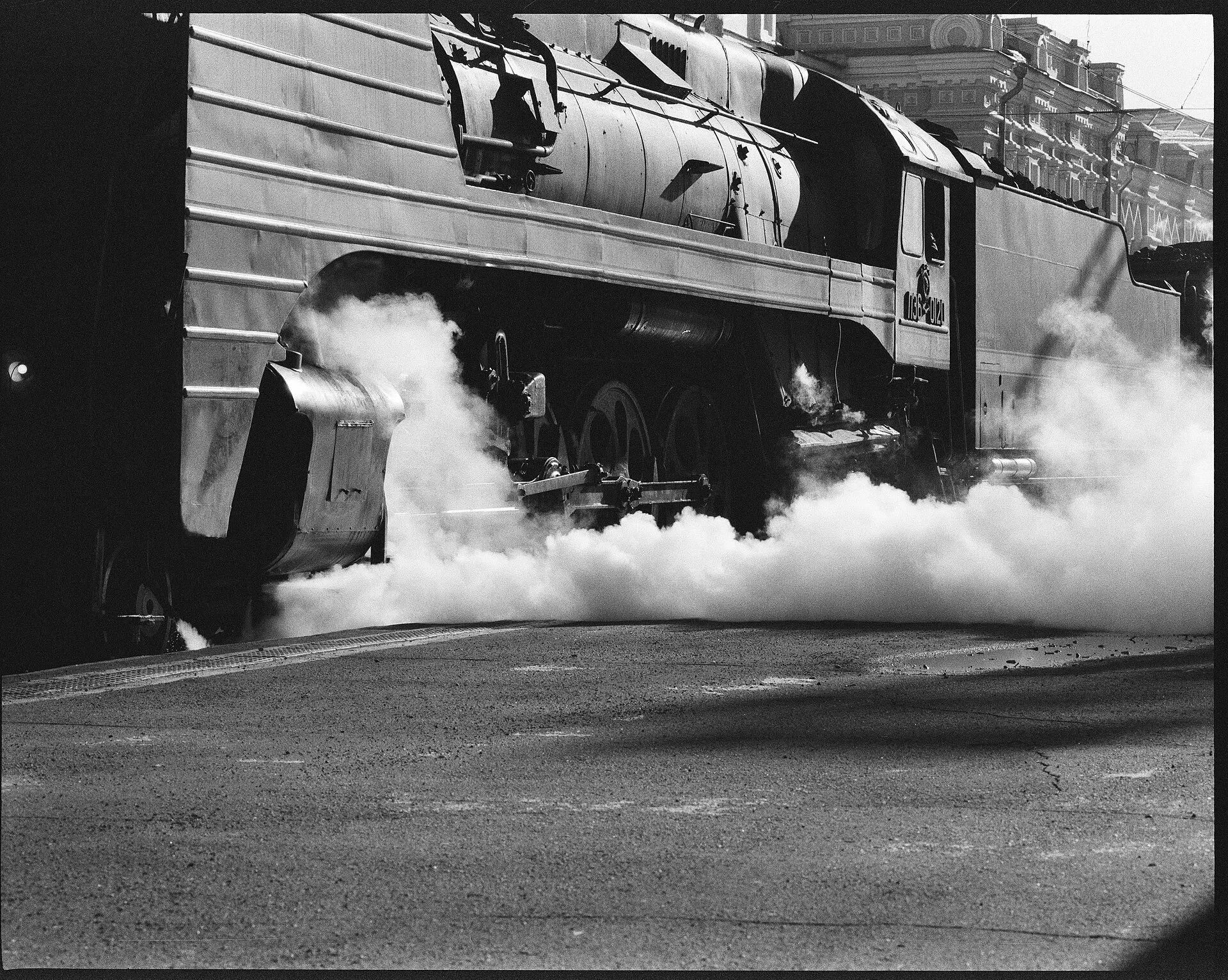
Steam locomotive P36, Moscow, February 2019. Pentax 67 (120 film).Photo: Maxim Sinelshchikov, CC BY 2.0 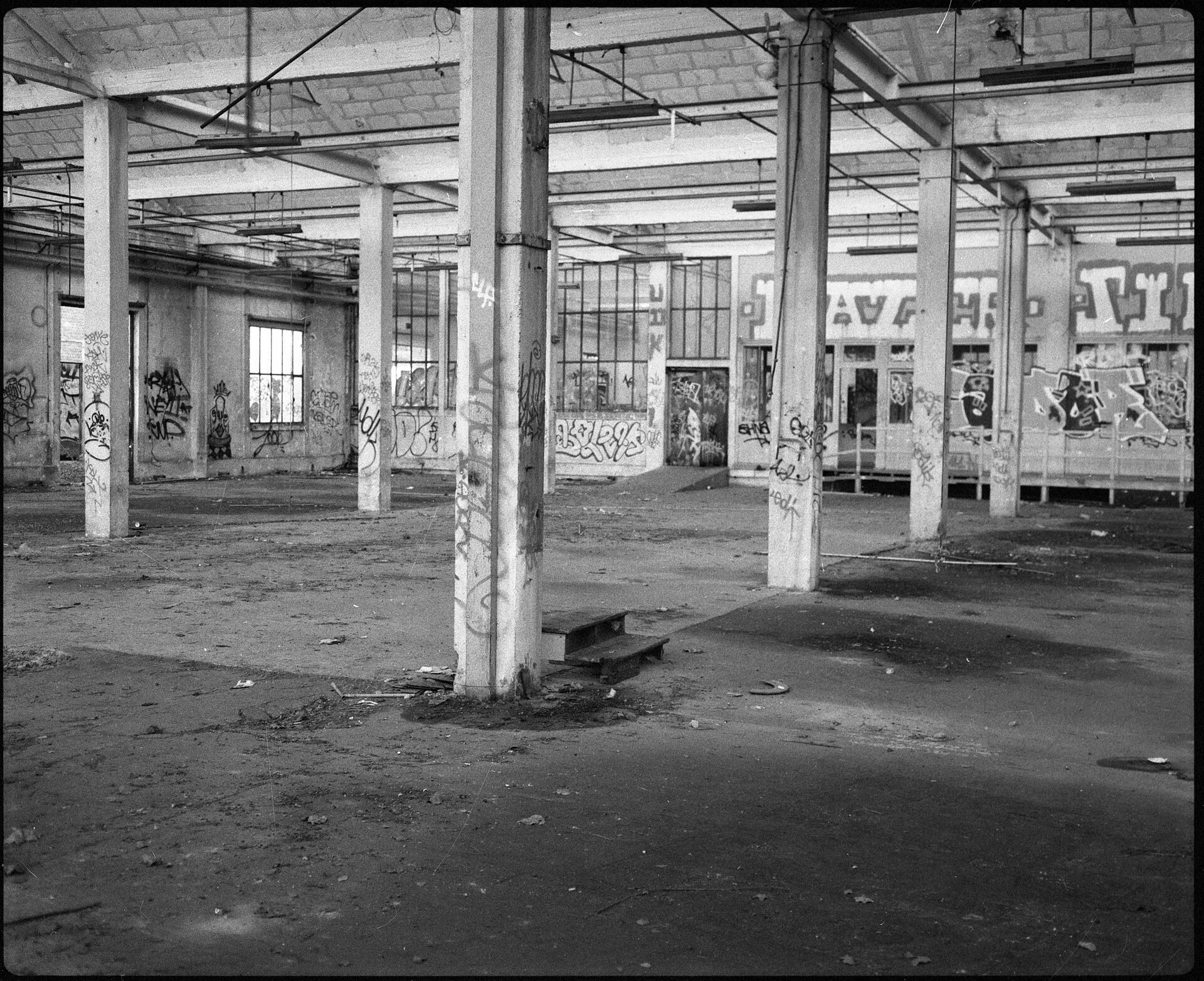
Rennes, France, December 2008. Plaubel Makina 67 (120 film).Photo: laurent gauthier from Rennes, France, CC BY 2.0 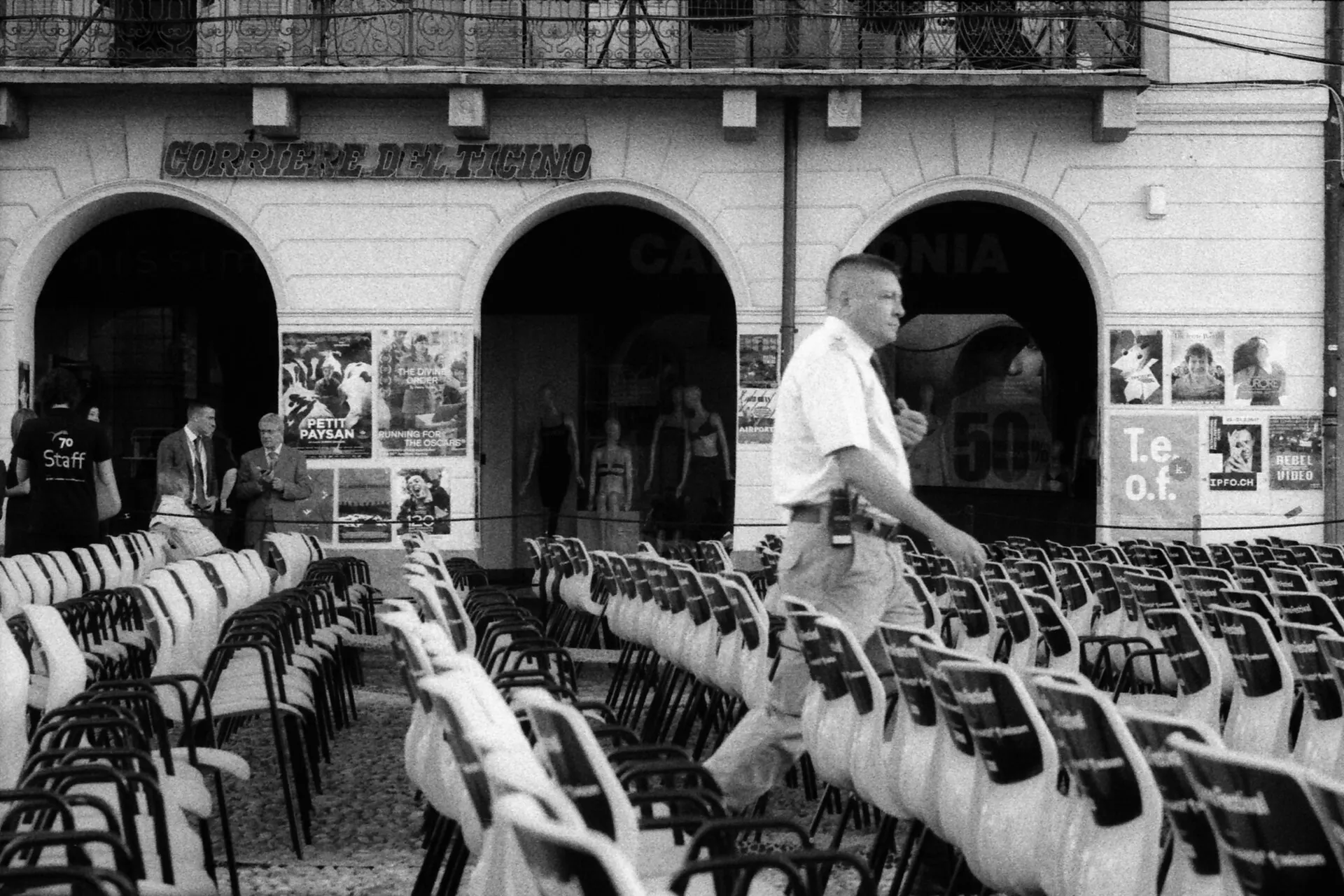
Piazza Grande, Locarno Film Festival, 2017. Leica IIIc.Photo: NAC, CC BY-SA 4.0
What owners and reviewers say, topic by topic
We sorted 130 opinions about the Delta 3200 from 37 pages and videos on 19 websites and channels. Each row shows how many people raised a topic and how many of them were positive. Open a row to read short quotes, each linked to its source.
Reddit, photo.stackexchange, Lomography, B&H and Ilford's own pages could not be read by our checker, and no Photrio or DPReview threads turned up, so the opinions come from photographers' blogs, editorial reviews, lab and film shop write-ups, store reviews from Analogue Wonderland (a UK film shop) and five YouTube reviews. Blue Moon Camera, The Darkroom, Parallax and Analogue Wonderland sell or develop film. Skin tones and price have only a handful of opinions each.
Grain60% positiveof 30
Everyone sees the grain. Most find it pleasing, or less than they expected for the speed, especially in 120; a minority found 35mm much grainier than T-Max P3200 or pushed HP5 Plus.
“grain in the skin tones, in fact a lot of grain everywhere, and way too much contrast”
Aly's Vintage Camera Alley: Developing Adventures, Ilford Delta 3200 at 1600 2022-07Owner
“Yes it has lots of grain, but it's actually quite pleasant.”
Chris Skomorowski, EMULSIVE: 5 Frames of the mundane on ILFORD Delta 3200 ProfessionalOwner
“When you're talking about using it in 120 format, it's pretty sharp and not very grainy.”
Madison Hyer, James Madison Photography: Review, Ilford Delta 3200 2019-02Owner
“It does have a high grain, but that's a more than acceptable trade off in my opinion”
Analogue Wonderland customer review: Ilford Delta 3200 35mmOwner
Low light and night81% positiveof 16
Its main strength: concerts, wedding receptions, night streets and indoor shots handheld without flash. The one warning is that underexposed low-light frames turn muddy.
“I like that I was able to shoot handheld inside because of the higher ISO.”
Aly's Vintage Camera Alley: Developing Adventures, Ilford Delta 3200 at 1600 2022-07Owner
“The film handled the difficult lighting conditions better than I had hoped for.”
Mogens Hansen, EMULSIVE: 5 Frames of Bethmoora on ILFORD Delta 3200 ProfessionalOwner
“I love this film, it's got brilliant grain and gives a large amount of flexibility in low light.”
Analogue Wonderland: Film Review, Ilford Delta 3200 2021-12Owner
“Delta is a low-light magician, but even magicians sometimes draw the wrong card.”
Jeb Inge, Casual Photophile: Ilford Delta 3200 Film Profile 2017-07Hands-on review
Pushing and pulling63% positiveof 16
Many owners rate it at 1600 or lower for better shadows and softer grain, and it still pushes to 6400 and, in one roll, EI 25000. Blue Moon Camera says it underexposes easily at 3200, and one owner felt it never delivered true 3200 speed even in DD-X.
“I also love Ilford Delta 3200 shot at 1600.”
Aly's Vintage Camera Alley: Still Life on Delta 3200 2022-07Owner
“Does Delta 3200 work at EI 25000? Absolutely, give it a go if you can meter fast enough.”
Lee Irvine, EMULSIVE: 5 Frames, Pushing Ilford Delta 3200 Professional to EI 25000Owner
“I tend to expose for the shadows at 1600 and develop this film at 3200.”
“I think its better at 1600 but I'd rather use kwntmere 400 at that speed”
Analogue Wonderland customer review: Ilford Delta 3200 35mmOwner
Overall look60% positiveof 15
Gritty, stark and moody: fans buy it for that look. Others like it but call it a specialty film for very dark scenes, or prefer HP5 Plus pushed to 1600.
“ILFORD Delta 3200 Professional is my favorite black and white film.”
“shooting it in medium format provides a subtle amount of grain which provides almost a nostalgic look”
Analogue Wonderland customer review: Ilford Delta 3200 120Owner
“Since shooting Delta 3200, my experience was quite enjoyable.”
Studio C-41: Film Shootout, P3200 vs Delta 3200 2018-08Hands-on review
“I wouldn't recommend you buy some Delta 3200 just for daylight shots though.”
Lee, My Favourite Lens: Ilford Delta 3200 35mm Film ReviewHands-on review
Exposure latitude64% positiveof 14
Overexposure is forgiving, even several stops in daylight. Underexposure is not: shadows thin out quickly at 3200, and two owners were let down: one found less latitude than with T-Max 3200, the other thin negatives metered at 3200.
“At box speed it works great with no exposure issues.”
Johnny B, Casual Photophile: Ilford Delta 3200 Film Profile 2018-01Owner
“you can overexposue the daylights out of it and it still turns out fine”
Madison Hyer, James Madison Photography: Review, Ilford Delta 3200 2019-02Owner
“using a 3-stop ND filter this film could be used with zero fuss during daytime”
“My favourite day time shot taken on this roll, though it is struggling with the brightest highlights.”
Gregory Owain: Film Review, Ilford Delta 3200Hands-on review
Color50% positiveof 12
For a black-and-white film this means tone and contrast, and reviewers split: some see hard blacks and strong contrast at night, others flat or washed-out base scans. Most agree the developer and the rating decide it, and several praise smooth tones and a good range in 120.
“Produces beautiful contrast in low light conditions”
Analogue Wonderland: Film Review, Ilford Delta 3200 2021-12Owner
“the contrast on the night photos was fantastic”
Gregory Owain: Film Review, Ilford Delta 3200Hands-on review
“it's fairly contrasty (but that's what delta 3200 is, contrasty)”
Alex Luyckx Blog: Film Review Blog No. 28, Ilford Delta 3200 2018-11Hands-on review
“Like the other Delta films, it's fairly contrasty but perhaps the least so of the bunch.”
Chris Gampat, The Phoblographer: Film Emulsion Review, Ilford Delta 3200 (35mm and 120) 2017-12Hands-on review
Sharpness and detail70% positiveof 10
Most call it sharp enough for its speed, and 120 holds fine detail. In side-by-sides, T-Max P3200 and HP5 Plus pushed to 1600 looked sharper.
“TMAX P3200 retains much finer detail.”
Studio C-41: Film Shootout, P3200 vs Delta 3200 2018-08Hands-on review
“proved to be much more ready to return the twigs and small details of the scene than I expected”
EMULSIVE: 5 Frames around lakes Como and Lugano on expired ILFORD Delta 3200 Professional 2020Owner
“the film is pretty sharp for an ISO 3200 film”
Chris Gampat, The Phoblographer: Film Emulsion Review, Ilford Delta 3200 (35mm and 120) 2017-12Hands-on review
“this film seems nicely contrasty and pretty sharp”
Lee, My Favourite Lens: Ilford Delta 3200 35mm Film ReviewHands-on review
Scanning and printing63% positiveof 8
Flat scans leave room to add contrast and DSLR scans go smoothly, but very dark negatives can confuse a flatbed scanner, dust shows more, and one owner found 35mm too grainy for larger prints.
“it was often way too grainy to make a decent sized print with”
Madison Hyer, James Madison Photography: Review, Ilford Delta 3200 2019-02Owner
“my Epson V800 also can have a tougher time 'seeing' the very dark images”
Taylor Blanchard, Shoot It With Film: Using High ISO B&W Film, Ilford Delta 3200 and Kodak T-MAX P3200Hands-on review
“Instead, it lends itself well to being printed on matte paper.”
Chris Gampat, The Phoblographer: Film Emulsion Review, Ilford Delta 3200 (35mm and 120) 2017-12Hands-on review
“Having a flatter image can result in more flexibility in modifying the image in post”
Studio C-41: Film Shootout, P3200 vs Delta 3200 2018-08Hands-on review
Price and availability50% positiveof 4
Easy to find online in 35mm and 120. A few owners would rather push cheaper HP5 Plus or another 400-speed film at that rating, and one would pick T-Max P3200 if it cost less.
“for the price, I'd generally rather push some HP5, which IMO brings very similar results”
Analogue Wonderland customer review: Ilford Delta 3200 120Owner
“it's available pretty much everywhere both instore and online”
Alex Luyckx Blog: Film Review Blog No. 28, Ilford Delta 3200 2018-11Hands-on review
“you'll never not be able to get hold of some Delta 3200, because it's always available through the usual suspects online”
Lee, My Favourite Lens: Ilford Delta 3200 35mm Film ReviewHands-on review
“if kodak p3200 was cheaper I'd probably prefer that but comparatively you can't knock this.”
Analogue Wonderland customer review: Ilford Delta 3200 35mmOwner
Skin tones67% positiveof 3
Only three opinions: The Darkroom recommends it for window-lit and low-light portraits and one YouTube reviewer finds skin soft and flattering, while one 35mm shooter disliked the grainy skin tones.
“My only issue is the grainy skin tones.”
Aly's Vintage Camera Alley: Developing Adventures, Ilford Delta 3200 at 1600 2022-07Owner
“We love it for window lit portraits and low light portraiture.”
The Darkroom: Delta 3200 Film Reviews and Photos (lab's own notes)Hands-on review
PositiveMixedNegative
What speed should you shoot Ilford Delta 3200 at?
Ilford prints EI 3200 on the box, but its data sheet gives an ISO speed of 1000/31°. The film is designed to be exposed at EI 3200 and given extended development, which works like a built-in push. Ilford says good results are possible from EI 400 to EI 6400, particularly recommends EI 1600 to 6400, and allows ratings up to EI 25000 if you make test exposures first. Film ISO explained covers the difference between box speed and EI.
Most experienced users rate it below the box. Blue Moon Camera tells customers to shoot it at EI 1600 because it underexposes very easily at 3200 in many developers. Alex Luyckx tried 800, 1600, 3200 and 6400 and settled on 1600, and Samantha Stortecky of Shoot It With Film shoots it at 600 nine times out of ten to keep grain down.
EI 3200 still has a place: very dim rooms, and Ilford's DD-X developer, where Blue Moon Camera says the film holds its rating well. Higher still, Alex Luyckx liked 120 at 6400, and Lee Irvine pushed a roll to EI 25000 for EMULSIVE and says it worked. Brooklyn Film Camera notes the contrast gets harder the further you push; how to push and pull film explains the trade.
| Rating | Who uses it | What to expect |
|---|---|---|
| EI 400 to 800 | Shoot It With Film (600 most of the time); EI 400 is Ilford's lower limit for good results | Least grain, per Shoot It With Film; easier in daylight |
| EI 1600 | Blue Moon Camera's default; Alex Luyckx; Aly's Vintage Camera Alley | More shadow detail than 3200; one roll covers night to daylight |
| EI 3200 | Box speed and Ilford's design point | Shadows go thin easily; Blue Moon Camera says it holds the rating well in DD-X |
| EI 6400 to 25000 | Alex Luyckx (6400 on 120); Lee Irvine (25000) | Contrast gets harder the further you push (Brooklyn Film Camera); up to EI 25000 Ilford says to make test exposures first |
Rate the whole roll at one setting and write that EI on the cassette, because the development time depends on it.
Sources: ilfordphoto.com, ilfordphoto.com, en.wikipedia.org, bluemooncameracodex.com, alexluyckx.com, shootitwithfilm.com, emulsive.org, alysvintagecameraalley.com, brooklynfilmcamera.com
How to expose Ilford Delta 3200 for good negatives
These steps come from Ilford's data sheet and the labs and reviewers quoted on this page.
- 1
Pick one EI for the roll
Most reviewers quoted here settle on EI 1600 for everyday use and keep 3200 for very dim scenes. Shoot It With Film goes lower, to EI 600, to limit grain.
- 2
Meter for the shadows
The Darkroom says to meter for the shadows and avoid underexposure, which makes the film muddy and flat. Simon King metered about four stops over in daylight and still kept highlight detail, so lean toward more light.
- 3
Use it in daylight if you need to
My Favourite Lens found that one roll rated at 1600 can cover daylight to night. For bright sun, Aivaras Sidla uses a 3-stop ND filter on an EI 3200 roll; three stops is a factor of eight, so that works out to an effective EI 400 (3200 / 8).
- 4
Add time for long exposures
Ilford says no correction is needed from 1/2 second to 1/10,000 second. Past 1 second its formula is adjusted time = metered time to the power 1.33, so a 10 second reading becomes about 21 seconds, close to Blue Moon Camera's rule of one extra stop at 10 seconds and about two stops near 60 seconds.
- 5
Check your camera's ISO dial
Some older cameras can't be set to 1600 or 3200, and Analogue Wonderland says to adapt within what your camera allows. Ilford's data sheet lists EI 400 as the low end for good results and gives a development time for it, so tell the lab or develop for the speed you actually used.
- 6
Tell the lab your EI
My Favourite Lens notes labs can't assume the speed for this film the way they do for Portra 400. Shoot It With Film writes the EI on the roll or the order sheet and asks for normal development at that EI unless a push or pull is wanted.
Sources: thedarkroom.com, emulsive.org, myfavouritelens.com, emulsive.org, ilfordphoto.com, bluemooncameracodex.com, analoguewonderland.co.uk, shootitwithfilm.com
Developing Ilford Delta 3200: times by EI
Delta 3200 is a standard black-and-white film, so a black-and-white lab or a home tank can process it. Ilford recommends its own Ilfotec DD-X, Microphen and ID-11 developers, and Blue Moon Camera says the film holds its 3200 rating well in DD-X. In Kodak XTOL and D-76, Blue Moon found it does better with the extra stop of exposure at EI 1600.
The times below come from Ilford's June 2025 data sheet, for spiral tanks at 20C (68F). Invert the tank four times in the first 10 seconds, then four times in the first 10 seconds of each further minute, and fix a little longer than you would a conventional film, as Ilford recommends. At EI 3200, Ilford also lists Ilfotec HC 1+31 and Ilfotec LC29 1+19 at 14.5 minutes and Ilfosol 3 1+9 at 11 minutes.
Owners use other recipes too. Aly's Vintage Camera Alley developed at EI 1600 in Kodak D-76 stock for 9 minutes 30 seconds and in HC-110 dilution B for 9 minutes. On EMULSIVE, Simon King prefers stand development for cleaner pushed negatives, while Andrew Blowers uses Ilfotec HC for punchier ones. New to it? Start with how to develop film at home.
| Developer | EI 400 | EI 800 | EI 1600 | EI 3200 | EI 6400 | EI 12500 |
|---|---|---|---|---|---|---|
| Ilfotec DD-X 1+4 | 6 | 7 | 8 | 9.5 | 12.5 | 17 |
| Microphen stock | 6 | 7 | 8 | 9 | 12 | 16.5 |
| ID-11 stock | 7 | 8 | 9.5 | 10.5 | 13 | 17 |
Sources: ilfordphoto.com, ilfordphoto.com, myfavouritelens.com, bluemooncameracodex.com, brooklynfilmcamera.com, alysvintagecameraalley.com, emulsive.org
What Ilford Delta 3200 looks like: grain, contrast, 35mm vs 120
Grain is the first thing reviewers mention after the speed. Blue Moon Camera puts it plainly: it is grainy, and that is the cost of the speed. Most owners like it anyway. Simon King calls it heavy but never intrusive, and several Analogue Wonderland customers found it less grainy than they expected. Ilford's own copy calls the grain unobtrusive; Brooklyn Film Camera calls it gritty and coarse.
Delta 3200 is a tabular-grain film like the rest of the Delta line, and Blue Moon says that makes the grain smoother than you might think, especially in 120. Format makes the biggest difference: Madison Hyer of the James Madison Photography blog found 35mm often too grainy for a decent-sized print but called 120 pretty sharp and not very grainy, and Studio C-41 says the film wins in 120. More in 35mm vs 120 film.
Contrast is where reviewers disagree. Alex Luyckx and The Phoblographer call it fairly contrasty, The Darkroom says medium contrast with very subtle tones, and Blue Moon Camera found it lower in contrast, and Studio C-41 described washed-out base scans. Brooklyn Film Camera's summary may explain some of the split: gentle near ISO 1000, harder the further you push.
At EI 3200, shadows are the weak side. Overexposure is forgiving, but underexposed shadows go muddy, and at night Andrew Blowers meters for the highlights and accepts lost shadow detail. Next to HP5 Plus at 1600, James Baturin of Shoot It With Film found Delta 3200 had more tonal range in the shadows and highlights, while HP5 Plus had stronger midtones.
Sources: bluemooncameracodex.com, emulsive.org, analoguewonderland.co.uk, ilfordphoto.com, brooklynfilmcamera.com, en.wikipedia.org, jamesmadisonphotography.wordpress.com, studioc41.net, alexluyckx.com, thephoblographer.com, thedarkroom.com, shootitwithfilm.com
Ilford Delta 3200 or HP5 Plus pushed to 1600?
| Ilford Delta 3200 | 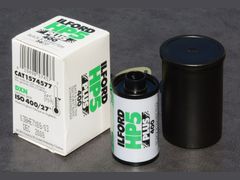 Ilford HP5 Plus pushed | |
|---|---|---|
| Measured speed | ISO 1000 (Ilford) | 400-speed film pushed two stops to 1600 |
| Grain at 1600 | Heavier | Far less, per Shoot It With Film |
| Sharpness at 1600 | Softer | Much sharper, per Shoot It With Film |
| Deep shadows | More detail | Less detail, stronger midtones |
| Price | $13.99 to $22.99 per 35mm roll (October 2026) | Cheaper, according to EMULSIVE's Andrew Blowers, who also finds it more convenient |
Pick the Ilford Delta 3200 if
- You often shoot very dim scenes and want the most shadow detail at 1600 to 3200.
- You like heavy grain and a stark look, or you shoot 120 at concerts.
- You develop in DD-X, where Blue Moon Camera says Delta 3200 holds its 3200 rating.
Pick the Ilford HP5 Plus pushed if
- You want sharper, less grainy negatives at 1600.
- You push only now and then and would rather buy one cheaper film for everything.
- You may prefer its look: James Baturin of Shoot It With Film said he thinks he prefers HP5 Plus at 1600.
Sources: shootitwithfilm.com, emulsive.org, analoguewonderland.co.uk, bluemooncameracodex.com, ilfordphoto.com
Buying, storing and flying with Delta 3200
Delta 3200 comes in 35mm cassettes of 36 exposures and in 120 rolls, and Ilford's data sheet also lists 100 ft bulk rolls of 35mm. Every 35mm listing that stated a count at US sellers on October 28, 2026 was a 36-exposure roll, and the Film Photography Project Store, Pro Photo Supply and Legacy Photo Lab all had 120, though Brooklyn Film Camera's 120 had sold out. Ilford introduced the film in 1998 to replace its older HPS, and EMULSIVE wrote in 2020 that it has stayed in production since.
It suits cameras with slow lenses. Blue Moon Camera suggests it for Holgas and Dianas, many point-and-shoots and medium format cameras with f/4 to f/5.6 lenses, and for museums that allow photos but not flash or tripods.
Ilford says unexposed film can go in the fridge or freezer, with time to warm up before loading, and that this very fast film should be loaded and unloaded in subdued light. Taylor Blanchard of Shoot It With Film warns that faster films are more sensitive to time, temperature and humidity, and had speckled negatives after warm storage.
For flights, Ilford advises that Delta 3200 not go through airport scanners, and says to carry it in hand luggage if it must. Ask for a hand inspection; Analogue Wonderland suggests politely insisting on one for high-ISO films.
Sources: ilfordphoto.com, brooklynfilmcamera.com, legacy-photolab.com, prophotosupply.com, filmphotographystore.com, en.wikipedia.org, en.wikipedia.org, emulsive.org, bluemooncameracodex.com, shootitwithfilm.com, myfavouritelens.com, analoguewonderland.co.uk
What a roll of Delta 3200 costs
A 36-exposure 35mm roll of Delta 3200 cost $13.99 to $22.99 at the US film shops listed below and a 120 roll $10.99 to $14.99. B&H, Adorama and Freestyle block automated price checks, so they are not listed.
Film Photography Project Store
New, 35mm, 36 exposures, 1 roll
$13.99
See listingBellows Film Lab
New, 35mm, 1 roll
$17.00
See listingPro Photo Supply
New, 35mm, 36 exposures, 1 roll
$17.99
See listingBrooklyn Film Camera
New, 35mm, 36 exposures, 1 roll
$20.00
See listingLegacy Photo Lab
New, 35mm, 36 exposures, 1 roll
$22.99
See listingFilm Photography Project Store
New, 120, 1 roll
$10.99
See listingPro Photo Supply
New, 120, 1 roll
$12.99
See listingLegacy Photo Lab
New, 120, 1 roll
$14.99
See listing
Prices checked on October 28, 2026. They move every week, so treat them as a range, not a quote. At the Film Photography Project Store's $13.99, a 36-exposure roll works out to about 39 cents a frame ($13.99 / 36) before developing. Brooklyn Film Camera's 120 was sold out on the check date, and Bellows Film Lab's listing doesn't state the exposure count.
Technical data
Film
- Box speed
- EI 3200/36° nominal (Ilford)
- Measured ISO speed
- ISO 1000/31° (Ilford data sheet)
- Ilford's exposure range
- EI 400 to 6400 for good quality; EI 1600 to 6400 recommended; up to EI 25000 after test exposures
- Emulsion
- Tabular grain (Delta line)
- Ilford's name for it
- Core-Shell crystal technology
- Reciprocity
- No correction from 1/2 s to 1/10,000 s; beyond 1 s, adjusted time = metered time to the power 1.33
- Introduced
- 1998, replacing Ilford HPS
Formats
- 120
- Roll film
Processing
- Ilford's recommended developers
- Ilfotec DD-X, Microphen, ID-11
- DD-X 1+4 at 20C
- 8 min at EI 1600, 9.5 min at EI 3200, 12.5 min at EI 6400
Video reviews worth your time

How to Shoot Ilford Delta 3200 | Film Stock Review
Ilford Delta 3200 is a lower-contrast, high-grain black-and-white film stock ideal for low-light shooting when rated around ISO 1000 or pushed.

BW Night Photography in London - ILFORD DELTA 3200 Review
The reviewer highly recommends Ilford Delta 3200 for its nighttime flexibility, strong contrast, and heavy grain that delivers a classic black-and-white aesthetic.

Delta 3200 Professional Black and White Film Review | All About Film
The reviewer feels largely indifferent toward Ilford Delta 3200, considering it a demanding film that performs best when pulled below box speed or used in controlled studio portraiture.

Kodak Tmax P3200 vs Ilford Delta 3200
The creator presents side-by-side sample photos from both films across underground and night street environments without delivering a definitive personal preference, inviting viewers to compare the visual results.
Ilford Delta 3200 Black and White 35mm Film Review
Ilford Delta 3200 is recommended as a versatile high-ISO film for low-light conditions and creating moody, grainy artistic photographs.
Questions people ask about the Delta 3200
Is Ilford Delta 3200 good?
For low light, yes: most reviewers recommend it for handheld shooting without flash, and 81 of the 130 opinions collected here are positive. The conditions are visible grain, especially in 35mm, and careful exposure, since it is really an ISO 1000 film that underexposes easily at 3200. Many of the happiest owners rate it at 1600 or shoot it in 120.
Sources: bluemooncameracodex.com, alexluyckx.com, ilfordphoto.com
What is Ilford Delta 3200 good for, and when should you use it?
Dim light without flash: concerts and gigs, wedding receptions, night streets, indoor family photos and window-lit portraits. Analogue Wonderland likes it for bands because it handles bright stage lights without blowing out at once, and Blue Moon Camera adds slow-lens cameras such as Holgas and point-and-shoots. It works in daylight too, but My Favourite Lens says not to buy it just for daylight shots.
Sources: analoguewonderland.co.uk, bluemooncameracodex.com, thedarkroom.com, myfavouritelens.com
What speed should you shoot Ilford Delta 3200 at?
Ilford's data sheet gives a measured ISO of 1000 and particularly recommends EI 1600 to 6400, with 3200 as the design point. Most reviewers and shops quoted here use EI 1600 as the everyday setting, because shadows thin out at 3200, and some go down to 800 or even 600 for less grain. Use 3200 for very dim scenes or with DD-X developer, and tell the lab the EI you used.
Sources: ilfordphoto.com, bluemooncameracodex.com, shootitwithfilm.com, shootitwithfilm.com
Is Ilford Delta 3200 grainy?
Yes. Blue Moon Camera calls the grain the cost of the speed, and Madison Hyer of the James Madison Photography blog found 35mm often too grainy for a decent-sized print. Because it is a tabular-grain film, the grain looks smoother than many people expect, and it is much finer in 120 than in 35mm. Rating it a stop lower softens the grain a touch, according to Shoot It With Film.
Sources: bluemooncameracodex.com, jamesmadisonphotography.wordpress.com, brooklynfilmcamera.com, shootitwithfilm.com
What is the best developer for Ilford Delta 3200 film?
Ilford recommends its Ilfotec DD-X, Microphen and ID-11, and Blue Moon Camera says the film holds its EI 3200 rating well in DD-X. Ilford's DD-X 1+4 times at 20C run from 8 minutes at EI 1600 to 9.5 minutes at 3200 and 12.5 minutes at 6400. Kodak developers work too: Aly's Vintage Camera Alley used D-76 stock for 9 minutes 30 seconds at EI 1600.
Sources: ilfordphoto.com, bluemooncameracodex.com, alysvintagecameraalley.com, myfavouritelens.com
Which Ilford film is better, Delta 3200 or HP5?
It depends on the light. In Shoot It With Film's comparison at 1600, HP5 Plus pushed two stops was much sharper and far less grainy, and the writer said he thinks he prefers its look, while a reader pointed out that Delta 3200 kept more detail in deep shadows. EMULSIVE's Andrew Blowers pushes HP5 Plus to 3200 instead and calls it more convenient and cheaper. See the [HP5 Plus guide](/film/ilford-hp5-plus/).
Sources: shootitwithfilm.com, emulsive.org, analoguewonderland.co.uk
Is Delta 3200 or Kodak T-Max P3200 better?
Side-by-side comparisons lean toward T-Max P3200 for detail: Studio C-41 found it had more contrast and much finer detail, and saw more noticeable grain in Delta 3200's shadows. EMULSIVE puts their native speeds at ISO 1000 for Delta 3200 and ISO 800 for T-Max P3200. Delta 3200 also comes in 120, which is why Taylor Blanchard of Shoot It With Film picks it for medium format concert work.
Sources: studioc41.net, emulsive.org, shootitwithfilm.com
Can Ilford Delta 3200 go through airport X-ray?
Ilford advises that Delta 3200 not go through airport scanners at all, and says to carry it in hand luggage if it must be scanned. Ask for a hand inspection instead; Analogue Wonderland suggests politely insisting on one for high-ISO films like this.
Sources: ilfordphoto.com, myfavouritelens.com, analoguewonderland.co.uk
What people compare it with
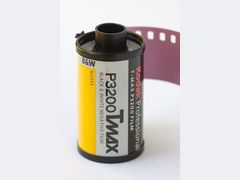
Kodak T-Max P3200
The direct rival. Studio C-41 found more contrast and much finer detail than Delta 3200, and EMULSIVE puts its native speed at ISO 800.
Sharper and less grainy at 1600 in Shoot It With Film's comparison, and cheaper according to EMULSIVE's Andrew Blowers, though a reader found Delta 3200 kept more deep-shadow detail.
Brooklyn Film Camera calls it a classic push film with more bite; in a well-lit setup Gregory Owain struggled to see a meaningful difference in detail and grain from Delta 3200.
A color film for night work instead of black and white; Brooklyn Film Camera lists it next to Delta 3200 as night color with a red light glow.
Every source behind this page
Read them yourself. How we pick and count them is in our methodology.
Show all 48 sources
Editorial reviews 17
- Casual Photophile: Ilford Delta 3200 Film Profile: Ilford Delta 3200 Film Profile
- EMULSIVE: Film Notes, ILFORD Delta 3200 Professional and Kodak T-MAX P3200: Film Notes: Current high
- EMULSIVE: 5 Frames from the Peter Pan Cup on Delta 3200 and HP5 PLUS: 5 Frames... From the Peter Pan Cup Christmas Day 2019, on ILFORD Delta 3200 Professional and HP5 PLUS
- EMULSIVE: 5 Frames of the mundane on ILFORD Delta 3200 Professional: 5 Frames... of the mundane on ILFORD Delta 3200 Professional (35MM Format / EI 3200 / Minolta SRT 201)
- EMULSIVE: 5 Frames, Pushing Ilford Delta 3200 Professional to EI 25000: 5 Frames... Pushing Ilford Delta 3200 Professional to EI 25000 (35mm / EI 2500 / Canon EOS-3)
- EMULSIVE: 5 Frames with ILFORD Delta 3200 Professional: 5 Frames... With ILFORD Delta 3200 Professional (EI 1600 / 35mm format / Nikkormat EL)
- EMULSIVE: 5 Frames of mountain bikes with ILFORD Delta 3200 Professional: 5 Frames... Of mountain bikes with ILFORD Delta 3200 Professional (EI 3200 / 35mm format / Canon EOS 650)
- EMULSIVE: 5 Frames of Bethmoora on ILFORD Delta 3200 Professional: 5 Frames... Of Bethmoora on ILFORD Delta 3200 Professional (EI 3200 / 35mm format / Canon EOS-1V HS)
- EMULSIVE: 5 Frames with ILFORD Delta 3200 Professional at night: 5 Frames... With ILFORD Delta 3200 Professional at night (EI 6400 / 35mm format / Minolta SRT100x)
- EMULSIVE: 5 Frames of a weekend in NYC on ILFORD Delta 3200 Professional: 5 Frames... Of a weekend in NYC on ILFORD Delta 3200 Professional (EI 3200 / 35mm format / Nikon FM2 + Nikon Nikkor 50mm f/1.8 AF-D)
- EMULSIVE: 5 Frames around lakes Como and Lugano on expired ILFORD Delta 3200 Professional: 5 Frames... Around lakes Como and Lugano on expired ILFORD Delta 3200 Professional (120 Format / EI 1000 / Hasselblad 500 C/M + Hasselblad Distagon C T* 50mm f/4)
- EMULSIVE: 5 Frames with ILFORD Delta 3200 Professional: 5 Frames... With ILFORD Delta 3200 Professional (EI 3200 / 120 / Mamiya 645 1000S)
- The Phoblographer: Film Emulsion Review, Ilford Delta 3200: Film Emulsion Review
- The Phoblographer: Ilford Delta 3200 vs Kodak TMax P3200: A Quick Look at Ilford Delta 3200 vs Kodak TMax P3200
- Shoot It With Film: How to Shoot Ilford Delta 3200: How to Shoot Ilford Delta 3200 Film » Shoot It With Film
- Shoot It With Film: Ilford Delta 3200 at 1600 vs Ilford HP5 at 1600: Ilford Delta 3200 at 1600 vs Ilford HP5 at 1600: High Speed B&W Film Comparison » Shoot It With Film
- Shoot It With Film: Using High ISO B&W Film, Ilford Delta 3200 and Kodak T-MAX P3200: Using High ISO B&W Film: Ilford Delta 3200 and Kodak T
Manuals and references 11
- bellowsfilmlab.com: Ilford Delta 3200 - 35mm
- brooklynfilmcamera.com: Film Developing in Brooklyn - Drop-off & Mail
- brooklynfilmcamera.com: Ilford Delta 3200 B&W
- en.wikipedia.org: Ilford Delta
- en.wikipedia.org: Ilford HP
- legacy-photolab.com: Search: 4 results found for "delta 3200"
- filmphotographystore.com: 35mm BW Film Ilford 3200 (Single Roll)
- filmphotographystore.com: Search: 3 results found for "delta 3200"
- ilfordphoto.com: Just a moment...
- ilfordphoto.com: DELTA 3200 PROFESSIONAL 35mm
- prophotosupply.com: Search: 4 results found for "delta 3200"
Independent blogs 10
- Blue Moon Camera Codex: Film Friday, Ilford Delta 3200: Film Friday Ilford Delta 3200 Film Review with sample photos
- Alex Luyckx Blog: Film Review Blog No. 28, Ilford Delta 3200: Film Review Blog No. 28
- My Favourite Lens: Ilford Delta 3200 35mm Film Review: Ilford Delta 3200 35mm Film Review
- James Madison Photography: Review, Ilford Delta 3200: Review: Ilford Delta 3200 - film photography
- Gregory Owain: Film Review, Ilford Delta 3200: Film Review
- Studio C-41: Film Shootout, P3200 vs Delta 3200: Film Shootout
- Aly's Vintage Camera Alley: Developing Adventures, Ilford Delta 3200 at 1600: Developing Adventures
- Aly's Vintage Camera Alley: Still Life on Delta 3200: Still Life on Delta 3200
- The Darkroom: Ilford Delta 3200, 35mm vs 120 comparison: A Comparison - Ilford's Delta 3200 35mm & 120 film format
- The Darkroom: My personal favorite black and white film for 120 is Delta 3200: My personal favorite black and white film for 120 is Delta 3200
Video reviews 5
- theFINDlab: How to Shoot Ilford Delta 3200 | Film Stock Review
- Ribsy: BW Night Photography in London - ILFORD DELTA 3200 Review
- David Hancock: Delta 3200 Professional Black and White Film Review | All About Film
- Jess Hobbs: Kodak Tmax P3200 vs Ilford Delta 3200
- Rob Nunn: Ilford Delta 3200 Black and White 35mm Film Review
Retailer customer reviews 4
- The Darkroom: Delta 3200 Film Reviews and Photos: Delta 3200 Film Reviews & Photos
- Analogue Wonderland: Film Review, Ilford Delta 3200: Film Review Ilford Delta 3200
- Analogue Wonderland customer review: Ilford Delta 3200 120: Ilford Delta 3200 - 120 Film
- Analogue Wonderland customer review: Ilford Delta 3200 35mm: Ilford Delta 3200 - 35mm Film
Other 1
Keep reading
Film stocks
Ilford HP5 Plus is an ISO 400 black-and-white film known for latitude and easy pushing. What 112 opinions say, how to shoot it, and US prices from $9.99.
Film stocks
How to push film: what a stop means, what to set on your camera, how to tell the lab, one-stop fees from $0 to $4, home development times and how to pull film.
Film stocks
Ilford HP5 Plus is the best black and white film for most people. Compare Tri-X, Kentmere 400, Ektapan (T-Max), XP2 Super and Delta 3200, with US prices.
Film stocks
35mm vs 120 film: common 120 frames are 2.7 to 5.4 times bigger than 35mm but give 8 to 16 shots a roll. Cost per frame, lab prices and which to pick.
Developing and scanning
How to develop film at home: the gear and chemistry you need with October 2026 prices, black and white and C-41 steps with times, and fixes for bad negatives.
Film stocks
Kodak Tri-X 400 is an ISO 400 black-and-white film with classic grain and wide latitude, $8.99 to $10.41 a roll. What 116 opinions say about grain and pushing.